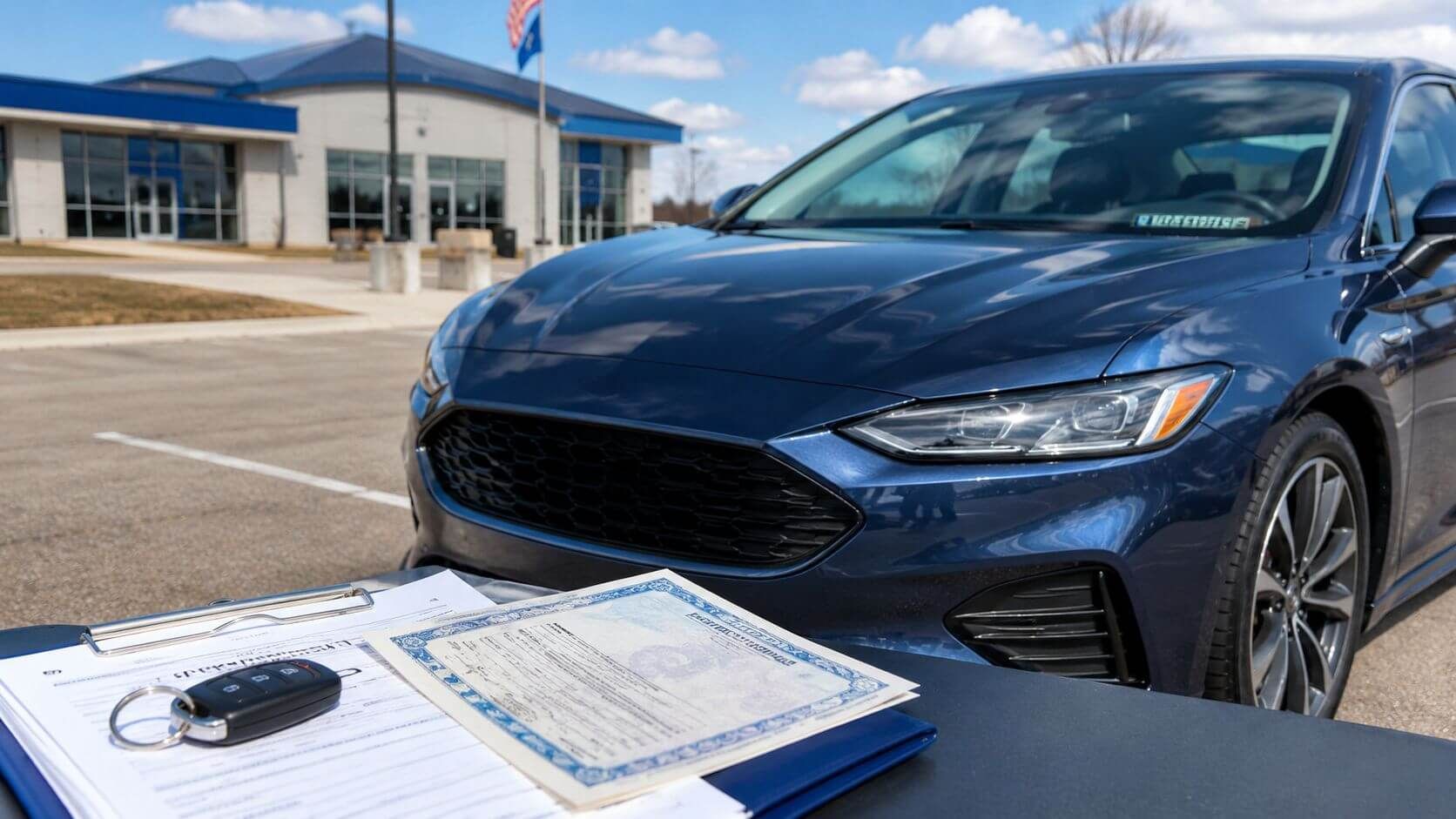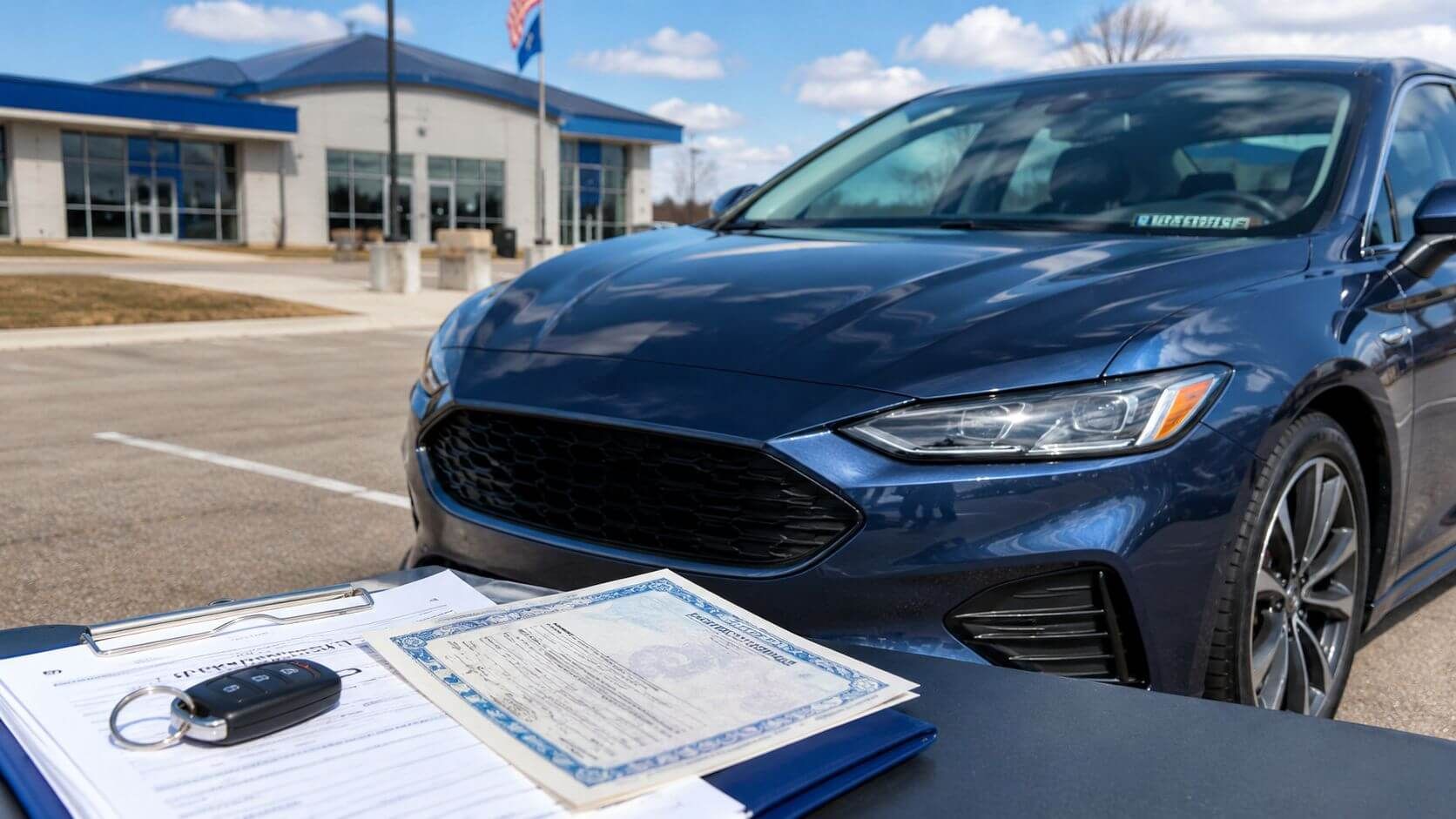
A car title is more than just paperwork. It is the legal record that helps prove ownership and shows whether a vehicle carries warnings that could affect its value, safety, insurability, or resale potential.
Some vehicles come with title brands such as salvage, rebuilt, flood, or lemon. Those labels can signal major prior damage, insurance total-loss history, serious defects, or unresolved legal issues.
That is why running a title check by VIN is one of the smartest steps you can take before buying, selling, trading in, or researching a used vehicle.
This guide explains how a VIN title check works, what title brands mean, when to run one, and how to use a free report to make a safer decision.
Thinking of buying or selling a used vehicle? Verify title status before you move forward.
What Is a Title Check by VIN?
A title check by VIN lets you use a vehicle’s 17-character Vehicle Identification Number to review title-related records connected to that car.
A VIN title check can help reveal whether the vehicle has:
- A clean title
- A branded title such as salvage, rebuilt, flood, or lemon
- Possible lien-related title issues
- Odometer-related concerns
- Insurance total-loss history
- Theft or recovery records linked to title history
Every vehicle has a unique VIN. That VIN is recorded across a range of systems, including DMV records, insurer data, auctions, and title databases. When you run a VIN check title status search, you can uncover history that is not visible from a simple inspection or test drive.
Why a Title Check Matters
Many used cars look fine on the surface while hiding serious title-related problems underneath. Cosmetic repairs can cover visible signs of damage, but they do not erase title history.
A car title history check can help you spot risks such as:
- Major accidents that led to a total loss
- Flood damage that may affect electronics and safety systems
- Odometer fraud
- Stolen vehicle records or VIN cloning concerns
- Insurance write-offs
- Rebuilt or reconstructed title history
- Lien-related title complications
These issues can affect more than just price. They may also impact safety, financing, insurance eligibility, registration, and long-term resale value.
That is why a free VIN report should be part of every serious used-car evaluation.
What Title Brands Can a VIN Check Reveal?
A VIN number title check may reveal a variety of title brands. Understanding what each one means can help you avoid expensive mistakes.
Salvage Title
A salvage title usually means the vehicle was declared a total loss by an insurance company after major damage. That damage may result from a collision, theft recovery, fire, vandalism, or other major event.
Rebuilt or Reconstructed Title
This means the vehicle was once branded salvage and later repaired enough to return to the road. Some rebuilt vehicles may perform well, but others can still carry hidden damage or reduced insurability.
Flood Title
A flood title signals that the vehicle suffered water damage. Even if the car looks clean, flood exposure can create long-term issues with electronics, wiring, corrosion, airbags, and mold.
Lemon Title
A lemon title may indicate the vehicle was repurchased or flagged after repeated unresolved defects covered under lemon law frameworks.
Junk or Scrap Title
This generally means the vehicle is not intended to return to the road and may only be usable for parts. In many cases, driving it legally is not allowed.
Odometer Rollback Indicator
If title or history records show mileage inconsistencies, that may suggest odometer fraud. This is a major red flag in any used-car transaction.
Lien-Related Title Issues
A title check may also show whether a vehicle carries a lender claim or unresolved lien. If that is the case, a lien check by VIN becomes especially important before ownership can transfer cleanly.
For broader title-brand education, see the free VIN history report resource.
When You Should Run a Title Check by VIN
A title check is useful in more situations than many buyers realize.
You should run one:
- Before buying a used car from a private seller
- Before purchasing from a dealership
- Before importing a vehicle from another state
- Before accepting a trade-in offer
- When a deal looks unusually cheap
- Before selling your own car, so you can disclose history accurately
- When researching a vehicle you may finance or insure
Running a free title check by VIN early gives you more leverage and more time to ask the right questions.
How to Run a Free Title Check by VIN
Step 1: Locate the VIN
Look for the VIN in any of these places:
- Driver’s side dashboard near the windshield
- Inside the driver’s door jamb
- Vehicle title or registration paperwork
- Insurance card or insurance records
- Online vehicle listings
Make sure the VIN is 17 characters long and matches across all documents and the vehicle itself.
Step 2: Use a Trusted VIN Tool
Enter the VIN into a trusted service such as VinCheck.info to perform a free VIN title check.
A report may include:
- Title brands
- Salvage or junk history
- Odometer readings
- Insurance total-loss signals
- Lien-related status
- Theft and recovery records
For a broader history view, you can also review the vehicle report.
Step 3: Review the Results Carefully
If the report comes back clean, that is a positive sign, but you should still inspect the vehicle carefully.
If the report shows a branded title or other warning, do not ignore it. Ask questions, request repair documentation, and consider whether the price still makes sense.
What to Do If a Title Check Shows a Branded Title
Finding a branded title does not automatically mean you must walk away, but it does mean you should slow down and evaluate the risk carefully.
Take these steps:
- Ask the seller for repair records and inspection documents
- Get the vehicle inspected by a trusted mechanic
- Confirm whether the car can still be insured affordably
- Research how the title brand affects resale value
- Compare the asking price against the added risk
Some branded-title vehicles may still be usable or fairly priced, but only if you understand the full history and the trade-offs.
Common Myths About Title Checks
Many buyers make assumptions that lead to avoidable mistakes. Here are a few common myths.
“If the car looks clean, the title must be clean.”
Not true. Flood-damaged, rebuilt, or heavily repaired vehicles can look excellent in photos and in person.
“Only old cars get branded titles.”
Not true. Newer vehicles can receive branded titles after major accidents, storms, floods, or other total-loss events.
“A title brand can be erased once the car is fixed.”
Usually not. Repairs can change the vehicle’s condition, but the title brand often remains part of the car’s permanent history.
The best approach is simple: verify first, assume nothing.
Why Sellers Should Check Title Status Too
Title checks are not only for buyers. Sellers can benefit too.
If you are listing a car for sale, checking title status in advance helps you:
- Confirm that your paperwork is accurate
- Answer buyer questions with confidence
- Avoid surprises during negotiations
- Build trust through transparency
- Resolve title issues before they delay a sale
A clean and verified title history can make the selling process smoother.
Final Thoughts
A title check by VIN is one of the most valuable free steps in the used-car process. It helps you verify ownership history, detect branded titles, spot legal or insurance-related risks, and avoid cars with hidden problems.
Whether you are buying, selling, trading, or researching, a free title check can save you from major financial and legal trouble later.
Start early, review the results carefully, and use the VIN to understand the vehicle’s true background before making a decision.
Start Your Free Title Check by VIN
Do not take chances with a used vehicle’s title history. A branded title can affect safety, value, financing, insurance, and resale.
Run a free title check by VIN now and review the vehicle report to protect yourself from salvage titles, flood damage, odometer concerns, and hidden issues before the deal is done.
Author
Nathan Whitmore
Nathan Whitmore is an automotive research writer focused on vehicle history reports, VIN analysis, title verification, and used-car background checks. He writes practical, consumer-friendly content that helps buyers understand how ownership records, accident history, branded titles, and lien data can affect a vehicle’s value and legal standing. His work is designed to make complex vehicle records easier to interpret before a sale is finalized.