A vehicle owner lookup by VIN sounds simple: enter a VIN and find out who owns the car. In reality, it is more limited than many buyers expect. A VIN can reveal helpful information about a vehicle’s identity, title history, registration clues, mileage records, theft records, recalls, and ownership-related patterns, but it generally cannot be used by ordinary buyers to freely access a private owner’s name, home address, phone number, or other protected personal information.
That distinction matters. If you are buying a used car, trying to verify a seller’s story, researching a vehicle parked for sale, or checking a suspicious listing, you can legally learn a lot about the vehicle. What you usually cannot do is use the VIN as a backdoor to identify or contact a private person without a lawful reason.
A responsible vehicle owner lookup by VIN should help you understand ownership-related records and vehicle history signals, not expose private personal data that is protected by law.
Why Vehicle Owner Lookup Is More Limited Than People Think
Many buyers search for owner information because they want to avoid scams. That is reasonable. You may want to know whether the seller actually owns the vehicle, whether the title is in their name, whether the car has passed through multiple owners, or whether there are title or lien concerns.
However, vehicle ownership records are not the same as an open public directory. In the United States, motor vehicle records are subject to privacy protections. The Driver’s Privacy Protection Act, often called the DPPA, restricts how state motor vehicle agencies and authorized recipients disclose personal information from motor vehicle records.
This means a VIN lookup may help you check the car, but it usually will not give you private owner identity details unless there is consent, a permitted legal use, or an official process that applies to your situation.
What a VIN Can Tell You
The VIN is a 17-character vehicle identification number assigned to a specific vehicle. It is used to identify the vehicle’s manufacturer, model year, body type, engine details, restraint system, plant information, and other encoded details depending on the vehicle and data source.
A VIN can help you verify:
- Year, make, and model
- Body style
- Engine or drivetrain clues
- Vehicle specifications
- Manufacturer information
- Assembly plant details
- Model year
- Trim or equipment clues, when available
- Recall records
- Title history clues
- Mileage patterns
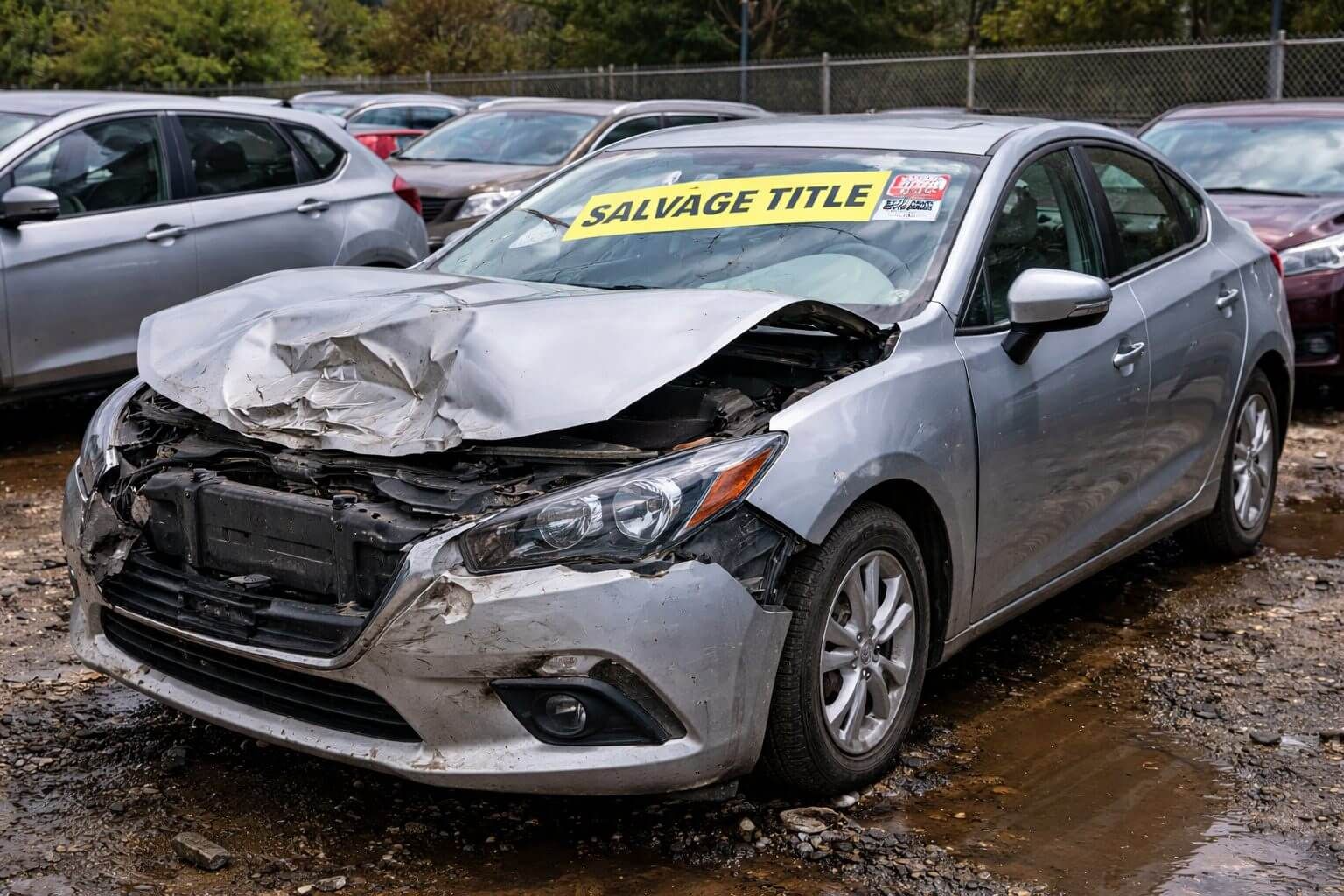
- Theft or salvage records, when available
- Sale or auction history, when available
If you are mainly trying to confirm that the vehicle matches the listing, start with a free VIN decoder. This can help you catch basic identity problems before you go deeper into title, owner, or seller verification.
What You May Be Able to Learn About Ownership
A vehicle owner lookup may help you learn ownership-related information without revealing private personal details. Depending on available records, a report or lookup may show patterns such as:
- Number of ownership events
- Title issue dates
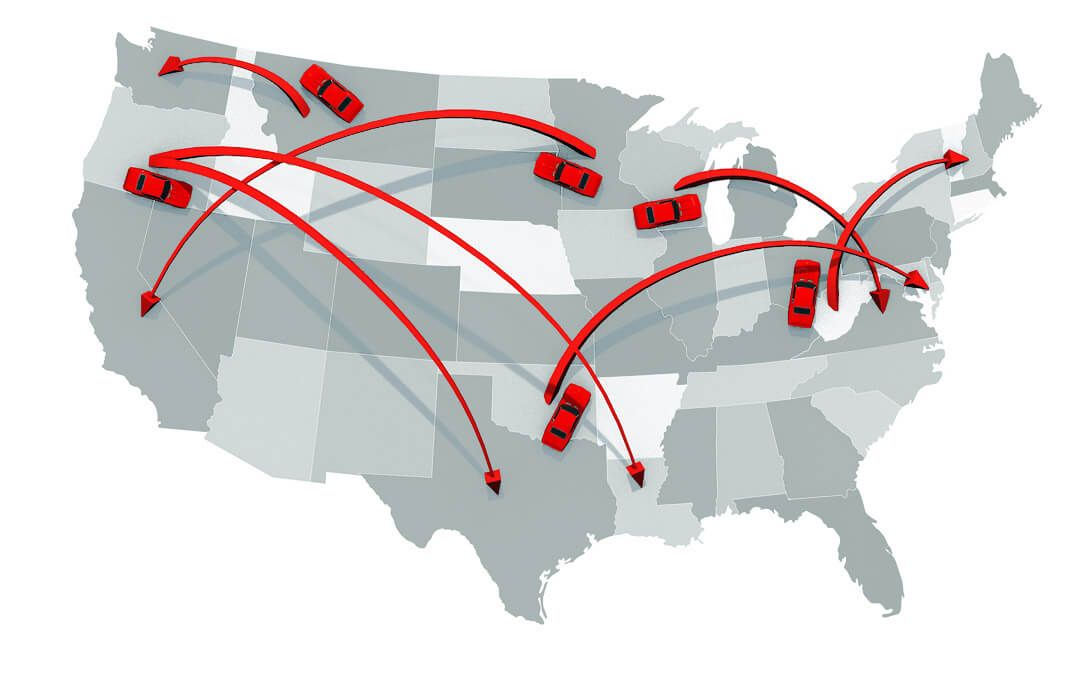
- State title history
- Registration-state clues
- Sale or auction history
- Fleet, rental, lease, or commercial-use indicators, when available
- Lienholder clues, when available
- Title transfer events
- Odometer readings tied to title or registration events
These details can be useful when buying a used car. For example, if the seller claims to be a long-term owner but the report shows recent title activity or auction movement, you should ask more questions. If the vehicle appears to have moved through several states, you may want to review title history more carefully.
Ownership-related signals can help you verify the story. They usually do not give you the private owner’s personal identity.
What You Usually Cannot Learn Legally
A VIN lookup should not be expected to reveal a private person’s protected information to a casual buyer. In most normal shopping situations, you should not expect to receive:
- Current owner’s full name
- Home address
- Phone number
- Driver’s license number
- Social Security number
- Medical or disability information
- Personal photograph
- Private contact information
- Personal DMV record details not tied to a permitted use
If a website claims it can instantly reveal a private owner’s name and address from a VIN with no consent or lawful basis, be cautious. It may be inaccurate, outdated, noncompliant, or designed to collect your information.
Why Owner Privacy Is Protected
Owner privacy exists for good reason. Vehicle records can connect a person to their address, identity, and daily movements. If this information were freely available to anyone with a VIN or plate number, it could be misused for stalking, harassment, fraud, identity theft, or unwanted contact.
That is why the legal system separates vehicle information from protected personal information. A buyer can research the vehicle’s history, but a buyer cannot normally use a VIN to freely pull private owner details.
This does not prevent legitimate verification. It simply means the process must respect privacy rules.
Permitted Uses Are Different From Curiosity
Some parties may access protected motor vehicle information for specific lawful purposes. Examples can include government agencies, courts, law enforcement, insurers, certain businesses verifying information, towing notifications, licensed private investigators working for a permitted purpose, and other uses allowed by law.
However, “I am curious who owns this car” is not the same as a permitted purpose. Wanting to contact a past owner, check on a neighbor’s vehicle, or identify someone from a parked car usually is not enough by itself.
If you believe you have a legal reason to obtain owner information, use the official DMV or state motor vehicle process and be prepared to provide the required purpose, documentation, and certification. Rules and forms vary by state.
VIN Lookup vs. License Plate Lookup
A VIN lookup and license plate lookup can both help with vehicle research, but they are not the same thing.
A VIN lookup starts with the vehicle identification number and is usually better for confirming vehicle identity, specifications, title records, recalls, mileage, and history.
A plate lookup starts with a license plate number. This can be helpful when the VIN is not shown in a listing or when you are still in the early research stage. A free license plate lookup may help connect the plate to basic vehicle details, but serious buyers should still ask for the VIN before making a decision.
| Lookup Type | Best Used For | Limitation |
|---|---|---|
| VIN lookup | Vehicle identity, title clues, recalls, mileage, specifications | Requires the correct VIN |
| Plate lookup | Early listing research when VIN is not available | Plate records may be limited or transferable |
| Title review | Ownership transfer, liens, brands, seller name | Requires actual title document |
| DMV request | Official records for permitted purposes | May require legal purpose, forms, fees, or consent |
Use plate records as a starting point. Use the VIN and title documents for serious verification.
How Buyers Can Verify the Seller Without Private Owner Data
You do not need unrestricted private owner data to protect yourself. You can verify the seller and vehicle through documents, consistency checks, and official paperwork.
Ask the seller for:
- The VIN
- A photo of the title, with sensitive details handled appropriately
- Proof that the title is in the seller’s name
- Registration documents, when appropriate
- Lien release, if a lien appears
- Odometer disclosure, when required
- Bill of sale
- Maintenance records
- Identification at the time of sale, if needed for title transfer
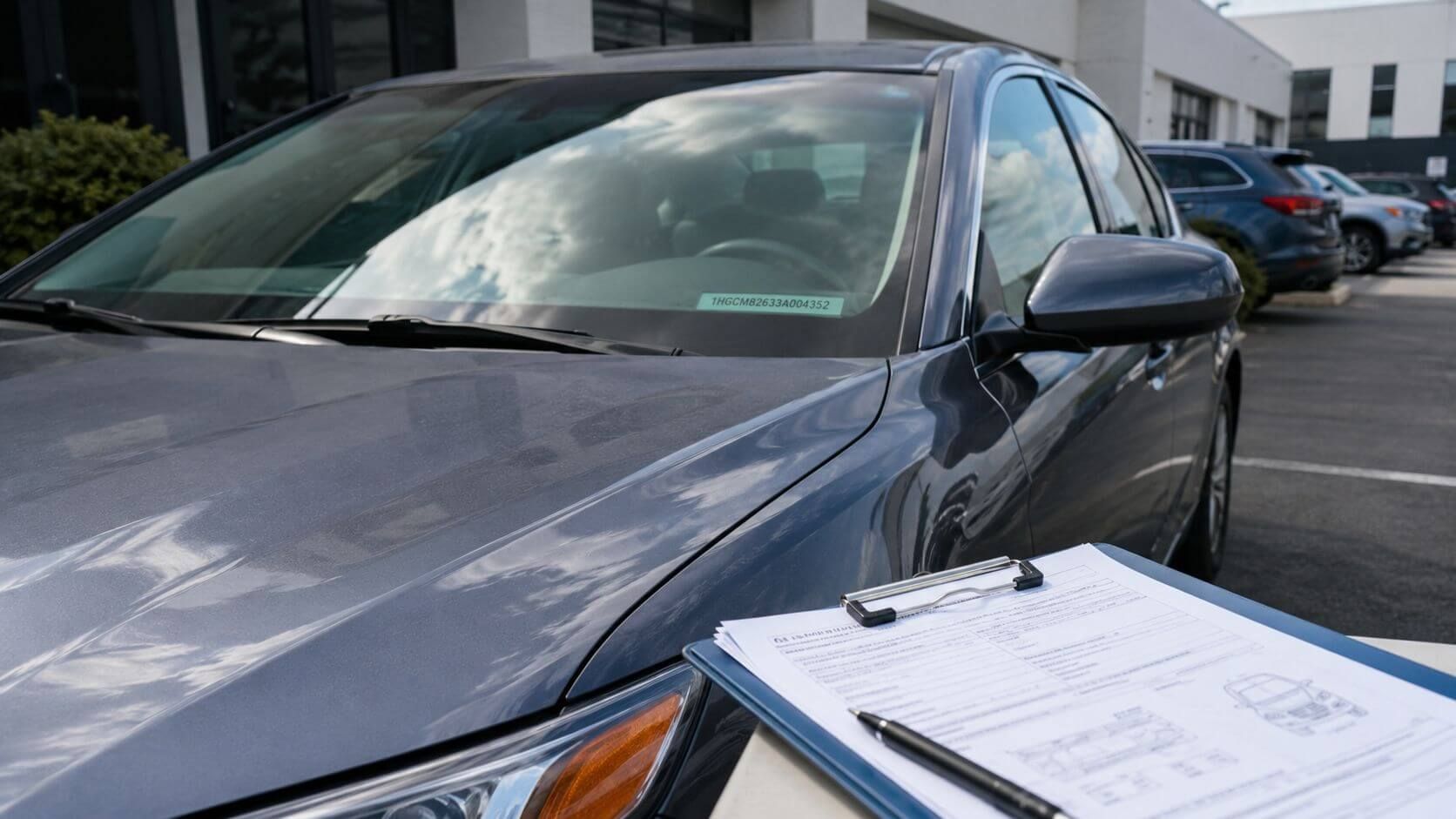
Then compare the VIN on:
- Dashboard
- Driver-side door jamb
- Title
- Registration
- Seller listing
- Service records
- Insurance card, if provided
The goal is to verify that the seller has the right to sell the car and that the vehicle matches the documents.
Red Flags in Seller and Ownership Claims
A vehicle owner lookup is most useful when it helps you spot inconsistencies. Be cautious if you see or hear:
- Seller refuses to provide the VIN
- VIN does not match the title
- Title is not in the seller’s name
- Seller says they are selling for a friend but has no documentation
- Vehicle has recent title activity that the seller cannot explain
- Report suggests auction or salvage activity not disclosed in the listing
- Lienholder appears but no lien release is available
- Seller avoids meeting at a safe, verifiable location
- Mileage records do not match the odometer
- Title looks altered, erased, or incomplete
- Seller pressures you to pay before reviewing documents
One small mismatch may be a clerical issue. Several mismatches can signal title fraud, title jumping, VIN cloning, or a stolen-vehicle risk.
Can You Contact a Previous Owner?
In most normal used car purchases, you should not expect to obtain previous owner contact details from a VIN lookup. If the seller has service records or ownership documents that include previous owner information, handle that information responsibly and do not use it for harassment or unwanted contact.
If you have a legitimate reason to contact a previous owner, ask the current seller whether they can provide consent-based contact information or pass along your question. Otherwise, use official channels and follow state law.
What About Abandoned, Towed, or Suspicious Vehicles?
Abandoned, towed, impounded, or suspicious vehicles are different from ordinary shopping research. These situations may involve law enforcement, towing companies, property owners, courts, or state motor vehicle agencies.
If a vehicle is abandoned on your property or appears stolen, do not try to identify or confront the owner yourself through questionable lookup tools. Contact local law enforcement, your state DMV, a towing authority, or the proper local agency.
Official processes exist for these situations, and they are safer than trying to bypass privacy protections.
What a Legal Vehicle Owner Lookup Should Help You Do
A responsible vehicle owner lookup should help buyers and researchers understand vehicle-related facts without exposing private personal information.
It may help you:
- Confirm that a vehicle exists and matches the VIN
- Identify basic vehicle details
- Review title and registration-event clues
- Spot possible title brands
- Compare seller claims with records
- Detect possible mileage inconsistencies
- Check for ownership-event patterns
- Decide whether to request more documents
- Avoid vehicles with unclear ownership stories
It should not be used to stalk, harass, identify, or contact private individuals without a lawful basis.
Safer Ways to Protect Yourself Before Buying
Instead of trying to uncover private owner data, focus on verification steps that directly protect your purchase.
Confirm the VIN
Decode the VIN and compare it across the vehicle, title, registration, and seller documents.
Review the Title
Check whether the title is in the seller’s name, whether a lien is listed, and whether any title brands appear.
Check Mileage
Compare odometer readings from the report, title, service records, and the vehicle itself.
Ask for Records
Request service records, repair invoices, recall paperwork, and ownership documents.
Inspect the Vehicle
Look for accident repairs, flood clues, warning lights, uneven tire wear, leaks, and mismatched paint.
Use a Safe Payment and Transfer Process
Complete the transaction through the proper state title-transfer process. Do not send money before verifying ownership and paperwork.
Vehicle Owner Lookup Checklist
| What to Check | What It Can Tell You | What It Usually Cannot Tell You |
|---|---|---|
| VIN decode | Vehicle identity and specifications | Private owner name or address |
| Title records | Brand, title-event, and transfer clues | Full private owner contact details |
| Plate lookup | Early vehicle identity clues | Guaranteed current owner identity |
| Seller title | Whether seller appears able to transfer ownership | Hidden personal history of prior owners |
| Lien information | Whether another party may have a claim | Private lender account details |
| Mileage records | Odometer consistency | Every service visit or repair |
| Recall records | Safety recall status | Whether the owner personally received recall notices |
Bottom Line
A vehicle owner lookup by VIN can help you research ownership-related signals, title history, vehicle identity, mileage patterns, and seller claims. It cannot usually reveal a private owner’s protected personal information just because you entered a VIN.
That is a good thing. Buyer safety and owner privacy both matter.
Use VIN, plate, title, and vehicle history tools to verify the car, not to invade someone’s privacy. If you need personal owner information for a legal reason, use official DMV or legal channels and follow the required process. If you are simply buying a used car, focus on the title, seller documents, VIN match, lien status, mileage, inspection, and safe transfer.
A legitimate used car deal should not require guessing who owns the car. The seller’s title and paperwork should prove it.
FAQs
Can I find the current owner of a vehicle by VIN?
In most normal buyer situations, no. A VIN can help reveal vehicle-related records and ownership-event clues, but protected personal owner information is generally restricted unless there is consent, a permitted legal purpose, or an official process.
Is vehicle owner lookup by VIN legal?
It can be legal when used to research vehicle-related information or when owner information is requested through a lawful permitted process. It is not legal to obtain protected personal motor vehicle information through false pretenses or for an unlawful purpose.
What can a VIN legally show?
A VIN can help show vehicle specifications, title history clues, recall records, mileage patterns, theft records, sale history, and other non-personal vehicle information when available.
Can a license plate lookup show the owner’s name?
A license plate lookup may help with vehicle research, but it should not be expected to freely reveal a private owner’s protected personal information. Plate records are also subject to privacy rules and state restrictions.
How can I verify that a seller owns the car?
Ask to see the title, compare the seller’s name with the title, verify the VIN on the car and documents, check for liens, request a lien release if needed, and complete the title transfer through the proper state process.
Author
Julian Cross
Julian Cross is an automotive data writer who specializes in salvage title issues, odometer fraud, theft checks, accident records, and recall screening. His content helps used-car shoppers spot high-risk vehicles before purchase by turning raw vehicle data into practical insights. He focuses on the warning signs that matter most when evaluating private-party and dealership listings.