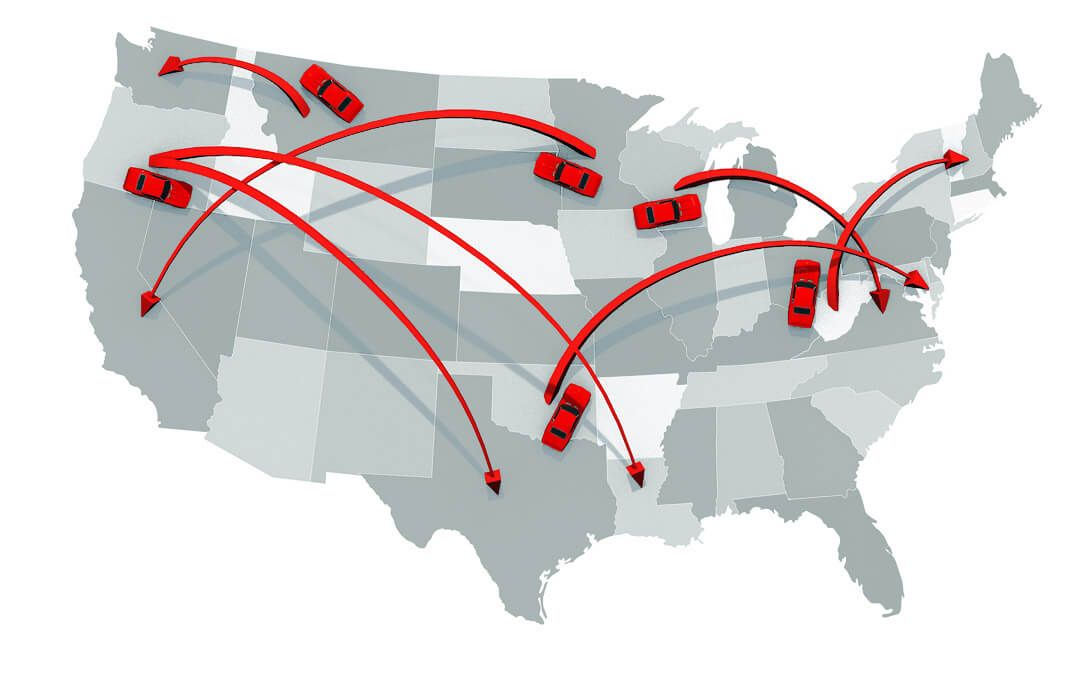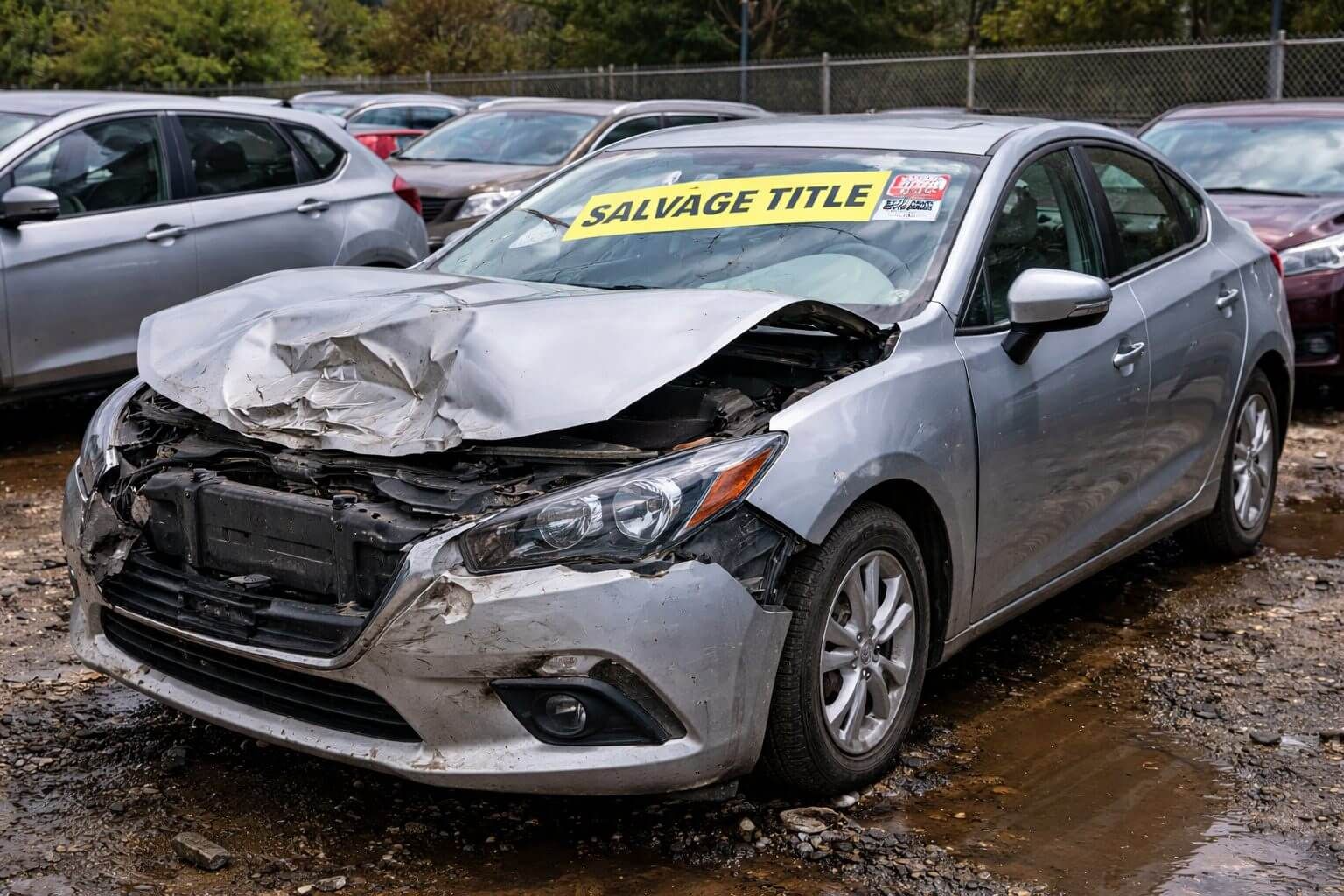
VIN cloning is one of the most serious used car scams because it can make a stolen or illegally altered vehicle look legitimate. A scammer may copy the vehicle identification number from a real vehicle and place it on another vehicle with a similar year, make, model, or body style. To an unsuspecting buyer, the car, title, and report may appear clean at first glance.
That is what makes VIN cloning dangerous. A buyer may run a report, see no obvious theft record, and assume the car is safe. However, if the VIN belongs to a different legitimate vehicle, the report may be showing the history of the real vehicle, not the car in front of the buyer.
Before you pay for a used car, start with a free VIN check, then compare the report with the physical vehicle, title, seller information, and inspection results. The goal is simple: make sure the vehicle’s identity matches everywhere.
Quick Answer
VIN cloning happens when a vehicle uses a VIN that belongs to another legitimate vehicle. Buyers can spot possible VIN cloning by checking whether the VIN on the dashboard, door label, title, registration, insurance documents, service records, and vehicle history report all match the actual car. Red flags include mismatched VIN locations, altered VIN plates, title inconsistencies, suspiciously low pricing, seller pressure, missing documents, and vehicle details that do not match the report.
What Is VIN Cloning?
A VIN is a unique 17-character identifier assigned to a vehicle. It helps identify the vehicle’s manufacturer, model year, body type, engine, plant, and serial number. It is also used in title records, registration documents, insurance records, recalls, service records, theft records, and vehicle history reports.
VIN cloning occurs when someone copies a VIN from a legitimate vehicle and uses it to disguise another vehicle. The disguised vehicle may be stolen, salvaged, illegally rebuilt, or otherwise difficult to sell honestly.
In many cloning scams, the fake vehicle is chosen to resemble the real vehicle connected to the VIN. For example, a stolen black 2021 pickup may be given the VIN from a legitimate black 2021 pickup with similar features. That similarity makes the scam harder to catch.
Why VIN Cloning Can Fool Buyers
VIN cloning can fool buyers because the copied VIN may return a clean or normal-looking report. If the real vehicle has no theft record, no title brand, and no major accident history, the cloned vehicle may appear safe during a basic lookup.
That is why buyers should not rely on one VIN location or one report alone. A history report is important, but it must be compared with the actual car.
A VIN check can help you verify available records, but it cannot physically confirm that the VIN plates and labels on the vehicle are original. That step requires careful inspection.
Red Flag 1: VIN Does Not Match Across the Vehicle
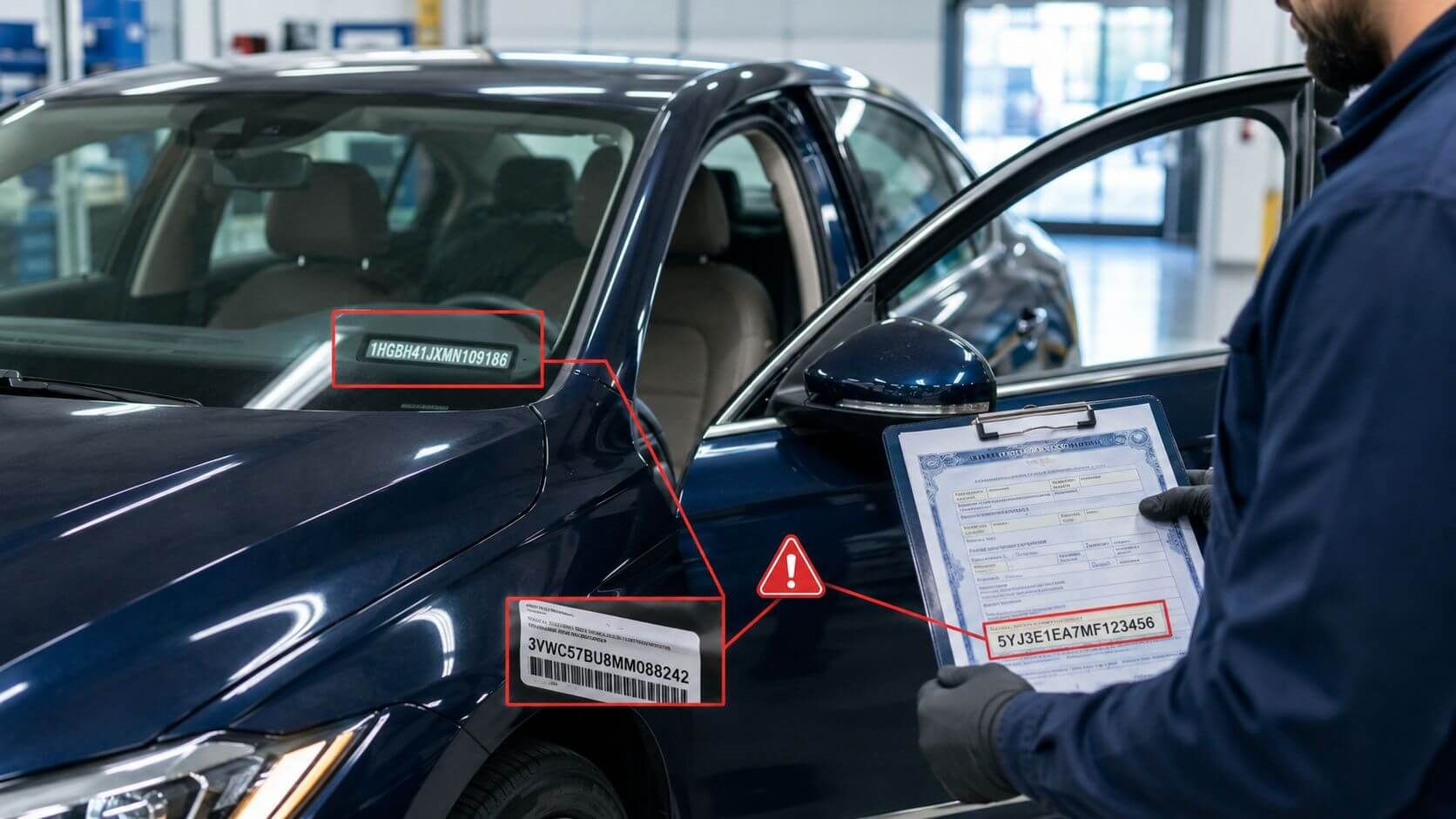
The VIN should match in every visible and documented location. Check the dashboard VIN near the windshield and the driver-side door jamb label. Also compare the VIN on the title, registration, bill of sale, insurance card, seller listing, and service records.
Be cautious if:
- The dashboard VIN differs from the door label
- The title VIN differs from the vehicle VIN
- The seller’s listing shows a different VIN
- Service records show another VIN
- One VIN location is missing, covered, scratched, or hard to read
A simple typo can happen, but any mismatch should be investigated before money changes hands.
Red Flag 2: The VIN Plate Looks Altered
A tampered VIN plate or label is a major warning sign. Look closely at the dashboard plate and door jamb sticker.
Watch for:
- Scratched or bent VIN plate
- Loose or unusual rivets
- Damaged dashboard area near the VIN
- Door label that appears peeled, replaced, or reattached
- Sticker edges that look lifted or uneven
- Different fonts, spacing, or alignment
- Fresh paint around VIN locations
- Missing manufacturer label
Do not remove or alter anything yourself. If the VIN area looks suspicious, pause the purchase and ask for a professional inspection or law enforcement guidance.
Red Flag 3: The Vehicle Details Do Not Match the VIN Report
After running the VIN, compare the report to the actual vehicle. The year, make, model, trim, body style, engine, transmission, drivetrain, and color should make sense.
A mismatch does not always prove cloning. Sellers sometimes list the wrong trim or misunderstand features. However, major identity mismatches deserve caution.
Be careful if the report shows:
- A different body style
- A different engine or drivetrain
- A different trim level
- A different color history with no explanation
- A different model year
- Equipment that does not match the vehicle
If the report does not match the car, use a VIN decoder or vehicle specs lookup to confirm whether the VIN belongs to the vehicle being sold.
Red Flag 4: The Title Looks Too Clean for the Car’s Condition
One reason criminals clone VINs is to hide a bad title history. The car in front of you may have major damage, but the copied VIN may produce a clean-looking title history.
This is why you should compare title records with the physical condition of the car. If the title looks clean but the vehicle shows signs of major repairs, frame damage, flood exposure, or inconsistent mileage, ask more questions.
Look for:
- Poor paint match
- Uneven body gaps
- Rust in unusual areas
- Airbag warning lights
- Evidence of frame repair
- Flood odor or corrosion
- Missing or replaced labels
- New parts that do not match the vehicle’s story
If the title or report seems inconsistent with the car’s condition, run a focused title check by VIN and consider walking away unless the seller can provide strong documentation.
Red Flag 5: Seller Pressure or Unusual Payment Requests
VIN cloning scams often rely on speed. The seller may push you to pay quickly before you inspect the car, verify documents, or check the title.
Be careful if the seller:
- Refuses to meet at a safe or verifiable location
- Wants cash only
- Avoids giving full identification
- Claims many buyers are waiting
- Refuses a mechanic inspection
- Will not let you photograph the VIN and documents
- Says the title will be provided later
- Offers a price far below market value
A real seller should allow reasonable verification. If the seller makes the process feel rushed or secretive, treat that as a serious warning sign.
Red Flag 6: The Price Is Too Good to Be True
A very low price is not proof of fraud, but it should make you more careful. Cloned or stolen vehicles are often sold quickly at attractive prices because the seller wants to disappear before the problem is discovered.
Compare the price with similar vehicles in your area. If the car is much cheaper than comparable listings, ask why.
A legitimate discount usually has a clear reason, such as high mileage, cosmetic damage, needed repairs, prior accident history, or a branded title. If the seller cannot explain the low price, do not ignore your instincts.
Red Flag 7: Paperwork Does Not Match the Seller
The person selling the vehicle should be able to prove they have the right to sell it. Check the seller’s name against the title, registration, and bill of sale.
Be cautious if:
- The title is not in the seller’s name
- The seller says they are selling for a friend or relative but lacks documentation
- The title has erasures or corrections
- The registration belongs to someone else
- The seller refuses to show identification
- The title appears newly issued with a vague explanation
Title jumping, fake titles, and altered documents can appear in vehicle fraud cases. If the paperwork feels inconsistent, do not proceed until it is verified.
Red Flag 8: The Vehicle Has Strange Mileage or Record Gaps
A cloned vehicle may show mileage patterns that do not match the car’s actual condition. Compare the odometer with the report, service records, inspection records, and wear on the vehicle.
Watch for:
- Mileage that moves backward
- Large unexplained gaps in records
- Very low mileage with heavy interior wear
- High wear on pedals, seats, or steering wheel
- Service records from locations that do not match the seller’s story
Mileage issues can also suggest odometer fraud, poor recordkeeping, or title problems. Either way, they deserve further review.
How to Check for VIN Cloning Before You Buy
Use this process before purchasing any used vehicle, especially from a private seller or online marketplace.
1. Compare All VIN Locations
Check the dashboard, driver-side door jamb, title, registration, seller listing, and service records. The VIN should match exactly.
2. Run a Vehicle History Check
Use the VIN to review title records, theft records, accident history, mileage, sale records, and other available details. If you are unsure how to interpret the results, review a guide on how to read a vehicle history report.
3. Confirm the Vehicle Matches the Report
Compare the report’s year, make, model, trim, body style, engine, drivetrain, and other details with the physical vehicle.
4. Review the Title Carefully
Check for brands, liens, seller name, signatures, odometer details, and signs of alteration. Do not accept vague explanations for missing or inconsistent paperwork.
5. Verify Recalls and Manufacturer Details
A recall lookup can help confirm whether the VIN appears to be tied to the expected vehicle. Before purchase, run a VIN recall check and compare the result with the vehicle you are buying.
6. Get a Pre-Purchase Inspection
Ask a mechanic or qualified inspector to review the vehicle. They may be able to spot replaced labels, hidden damage, frame repairs, or other issues that a buyer might miss.
7. Avoid Risky Payment Methods
Use a payment method and transaction process that creates documentation. Be careful with cash-only deals, rushed meetings, and sellers who avoid traceable paperwork.
VIN Cloning Red Flag Checklist
| What to Check | Warning Sign |
|---|---|
| Dashboard VIN | Scratched, loose, covered, or different from documents |
| Door jamb label | Missing, peeling, altered, or mismatched |
| Title | Not in seller’s name, altered, or inconsistent |
| Registration | Different name, VIN, plate, or vehicle details |
| Vehicle history report | Specs or mileage do not match the actual car |
| Seller behavior | Rushes payment or refuses inspection |
| Price | Far below market without a clear reason |
| Vehicle condition | Clean title but signs of major damage |
| Mileage | Odometer does not match records or wear |
| Payment request | Cash-only or unusual transaction terms |
What to Do If You Suspect VIN Cloning
If you suspect VIN cloning, do not buy the car. Do not confront the seller aggressively. Instead, stop the transaction and keep copies of the listing, messages, photos, VIN, plate number, seller contact details, and documents shown to you.
You can contact local law enforcement, your state DMV or motor vehicle agency, or an auto theft unit if available in your area. If the car is at a dealership, ask for written clarification and verify the dealer’s license status.
If you already bought the vehicle and later suspect cloning, stop driving it until you get guidance. Contact law enforcement, your DMV, your insurer, and an attorney if needed. A cloned vehicle may later be identified as stolen, and ownership can become complicated.
Bottom Line
VIN cloning is dangerous because it can make a stolen or altered vehicle appear legitimate. A clean-looking report is not enough if the VIN on the car does not truly belong to that vehicle.
Before buying, compare every VIN location, review the title, verify seller identity, check the vehicle history, inspect the car, and question anything that does not match. If the price is unusually low, the seller is rushing you, or the documents do not line up, slow down.
A good used car deal should survive careful verification. If the vehicle identity does not match, walk away.
FAQs
What is VIN cloning?
VIN cloning is a fraud scheme where a VIN from a legitimate vehicle is copied and used on another vehicle, often to hide theft, salvage history, or other serious problems.
Can a VIN check detect a cloned vehicle?
A VIN check can reveal useful records, but it may not always detect cloning by itself. If the copied VIN belongs to a legitimate vehicle, the report may look normal. That is why buyers must compare the report with the actual car and documents.
What is the biggest red flag for VIN cloning?
The biggest red flag is a mismatch between the VIN on the vehicle and the VIN on the title, registration, report, or service records. Altered VIN plates or missing labels are also serious warning signs.
Should I buy a car if the VIN plate looks altered?
No. If the VIN plate or label appears altered, scratched, removed, reattached, or inconsistent, pause the transaction and seek professional or official verification before considering the purchase.
Why do cloned vehicles sometimes have clean reports?
A cloned vehicle may use the VIN from a legitimate vehicle with a clean history. In that case, the report may reflect the real vehicle connected to the VIN, not the stolen or altered vehicle being sold.
What should I do if I already bought a cloned vehicle?
Stop driving the vehicle and contact local law enforcement, your DMV or motor vehicle agency, your insurer, and legal counsel if needed. Keep all purchase documents, messages, payment records, and seller information.
{
  "@context": "https://schema.org",
  "@type": "FAQPage",
  "mainEntity": [
    {
      "@type": "Question",
      "name": "What is VIN cloning?",
      "acceptedAnswer": {
        "@type": "Answer",
        "text": "VIN cloning is a fraud scheme where a VIN from a legitimate vehicle is copied and used on another vehicle, often to hide theft, salvage history, or other serious problems."
      }
    },
    {
      "@type": "Question",
      "name": "Can a VIN check detect a cloned vehicle?",
      "acceptedAnswer": {
        "@type": "Answer",
        "text": "A VIN check can reveal useful records, but it may not always detect cloning by itself. If the copied VIN belongs to a legitimate vehicle, the report may look normal. That is why buyers must compare the report with the actual car and documents."
      }
    },
    {
      "@type": "Question",
      "name": "What is the biggest red flag for VIN cloning?",
      "acceptedAnswer": {
        "@type": "Answer",
        "text": "The biggest red flag is a mismatch between the VIN on the vehicle and the VIN on the title, registration, report, or service records. Altered VIN plates or missing labels are also serious warning signs."
      }
    },
    {
      "@type": "Question",
      "name": "Should I buy a car if the VIN plate looks altered?",
      "acceptedAnswer": {
        "@type": "Answer",
        "text": "No. If the VIN plate or label appears altered, scratched, removed, reattached, or inconsistent, pause the transaction and seek professional or official verification before considering the purchase."
      }
    },
    {
      "@type": "Question",
      "name": "Why do cloned vehicles sometimes have clean reports?",
      "acceptedAnswer": {
        "@type": "Answer",
        "text": "A cloned vehicle may use the VIN from a legitimate vehicle with a clean history. In that case, the report may reflect the real vehicle connected to the VIN, not the stolen or altered vehicle being sold."
      }
    },
    {
      "@type": "Question",
      "name": "What should I do if I already bought a cloned vehicle?",
      "acceptedAnswer": {
        "@type": "Answer",
        "text": "Stop driving the vehicle and contact local law enforcement, your DMV or motor vehicle agency, your insurer, and legal counsel if needed. Keep all purchase documents, messages, payment records, and seller information."
      }
    }
  ]
}
Author
Nathan Whitmore
Nathan Whitmore is an automotive research writer focused on vehicle history reports, VIN analysis, title verification, and used-car background checks. He writes practical, consumer-friendly content that helps buyers understand how ownership records, accident history, branded titles, and lien data can affect a vehicle’s value and legal standing. His work is designed to make complex vehicle records easier to interpret before a sale is finalized.