Not every used car with a clean exterior and a smooth test drive is actually a safe buy. Some vehicles are sold after repeated repair attempts for serious defects, only to continue breaking down long after they are back on the market. These vehicles are commonly known as lemons.
A lemon check helps you identify whether a vehicle may have been repurchased by the manufacturer, branded under state lemon laws, or tied to a pattern of recurring defects. That matters because a troubled history can lead to costly repairs, reduced resale value, safety issues, and very little recourse once the sale is complete.
In this guide, you will learn what a lemon vehicle is, how lemon laws work, what signs to watch for, and how to run a lemon check before buying a used car.
What Is a Lemon Vehicle?
A lemon vehicle is generally a car with a substantial defect that the manufacturer or dealer could not fix after a reasonable number of repair attempts. These defects usually affect the vehicle’s use, safety, or value.
In many cases, the problem begins while the vehicle is still under warranty. If the issue remains unresolved, the manufacturer may be required to repurchase or replace the car under the applicable lemon law.
Common examples of defects that may lead to lemon status include:
- Transmission failure
- Persistent engine overheating
- Electrical system malfunctions
- Brake defects
- Steering problems
- Water intrusion, leaks, or mold-related issues
Not every defective vehicle is legally branded a lemon, but many lemon vehicles leave behind a paper trail that can be found through a proper history check.
Why Lemon Vehicles Are a Serious Used-Car Risk
A lemon does not always arrive with an obvious warning label. Some vehicles are clearly marked as manufacturer buybacks or lemon law repurchases, but others are resold with limited disclosure depending on the state and the circumstances of the title transfer.
That creates a real risk for used-car buyers.
If you unknowingly buy a lemon, you could end up dealing with:
- Recurring mechanical or electrical failures
- Safety concerns caused by unresolved defects
- Reduced resale value
- Limited or voided warranty protection
- Repeated repair costs
- Fewer options to unwind the deal after purchase
This is why a lemon check should be part of your normal used-car buying process, especially when a listing looks unusually attractive for the price.
What a Lemon Check Can Reveal
A lemon check looks for records and warning signs that suggest a vehicle was repurchased, branded, or repeatedly serviced for a serious unresolved issue.
A strong lemon check may reveal:
- Manufacturer buyback status
- Lemon or repurchased title branding
- Recurring repair history for the same issue
- State-specific branding or disclosure records
- Odometer inconsistencies that may signal other problems
- Related title history that raises concern about prior defects
You can start with a history lookup using VinCheck.info tools such as the Free VIN Decoder and related vehicle history resources.
How Lemon Laws Work
All 50 states have some form of lemon law, but the exact rules vary. In general, a vehicle may qualify as a lemon if:
- It has a substantial defect
- The defect arises within the warranty period
- The manufacturer or dealer fails to fix it after a reasonable number of attempts
- Or the vehicle is out of service for an extended period because of repairs
The most important point for buyers is this: state lemon laws do not all handle branding and disclosure the same way.
Some states require a clear title brand such as lemon, buyback, or manufacturer repurchase. Others rely more on separate disclosure paperwork, dealer obligations, or internal reporting. That means a vehicle’s history may be more complicated than the title alone suggests.
Why a Clean Title Does Not Always Mean a Clean History
Many buyers assume a clean title means the vehicle has no serious past issues. That is not always true.
A vehicle may have:
- A prior repurchase history that is not obvious from a quick title glance
- Recurring service problems without a prominent lemon label
- State-to-state transfer history that complicates branding visibility
- Dealer disclosures that never make it into a simple online listing
That is why checking title history, service patterns, and buyback indicators together is much more useful than relying on the title description alone.
How to Do a Lemon Check Before Buying a Used Car
1. Find the VIN
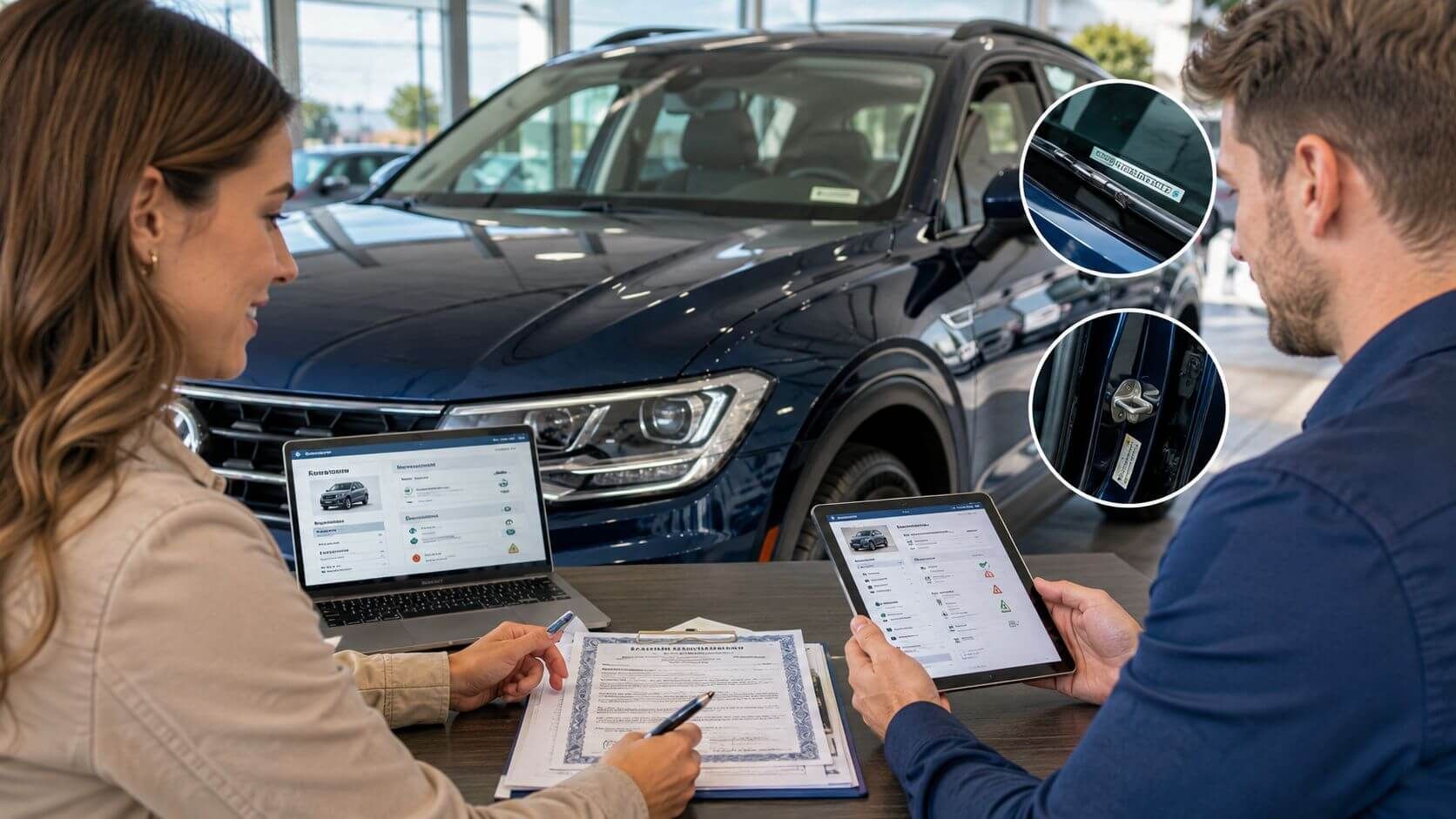
Locate the VIN on the dashboard near the windshield, inside the driver’s door frame, or on the registration and title paperwork. Make sure the number matches across the vehicle and documents.
2. Run a VIN-Based History Search
Go to VinCheck.info’s Free VIN Decoder and enter the VIN. From there, review the full vehicle history details available for the car.
3. Look for Lemon-Related Red Flags
Pay close attention to history entries such as:
- Manufacturer buyback
- Lemon law brand
- Reacquired or repurchased title notation
- Repeated repairs for the same unresolved defect
- Service history that suggests an ongoing problem pattern
4. Ask the Seller for Written Disclosure
If the report suggests prior lemon status or manufacturer repurchase, ask the seller or dealer for written disclosure. In many situations, disclosure is required, and getting it in writing helps protect you.
5. Cross-Check State Records if Needed
Some states allow buyers to verify title branding or vehicle status through DMV or related agency tools. If the report shows something unclear, verify it before moving forward.
Signs a Used Car Might Be a Lemon
Even before you run a report, some warning signs may suggest the car deserves extra scrutiny.
Watch for:
- Fresh paint or bodywork that seems out of place
- Strange noises, shaking, or repeated warning lights during a test drive
- Strong odors that may point to water intrusion or mold
- Missing service records
- Sellers who avoid detailed questions
- A price that seems far below market value
A suspiciously cheap vehicle is not always a bargain. Sometimes it is a problem someone else is trying to unload.
To compare the asking price against broader market expectations, review Car Value by VIN.
Lemon Check vs Other Title Problems
Lemon history is only one piece of the puzzle. A used car may also carry other issues that affect value, insurability, and long-term ownership.
For example, it helps to understand the difference between lemon branding and salvage branding. If you are comparing title risks, see Salvage Title vs Lemon Title.
You can also learn more about broader report data through the Vehicle History Report resource.
Why a Lemon Check Should Be Part of Every Used-Car Inspection
A visual inspection and test drive matter, but they only tell part of the story. A lemon check adds the historical context that many buyers miss.
It helps you:
- Avoid vehicles with a pattern of serious defects
- Ask better questions before you negotiate
- Spot hidden title and buyback risks
- Compare price against the vehicle’s true background
- Decide whether the car is worth a professional inspection
When combined with a mechanic’s inspection, a lemon check gives you a much stronger basis for deciding whether the vehicle is a smart buy.
Final Thoughts
A lemon vehicle can cost far more than the purchase price suggests. Even if the car looks clean and drives well today, a history of unresolved defects can mean ongoing breakdowns, lower value, and more frustration after the sale.
That is why running a lemon check before you buy is one of the smartest steps you can take.
Start with the VIN, review the vehicle’s title and history records carefully, and do not ignore signs of repeated repairs or manufacturer buyback activity. A few minutes of research now can save you from years of trouble later.
Related Resources
- Free VIN Decoder – What Your VIN Reveals
- Car Value by VIN – Is the Price Too Good to Be True?
- Salvage Title vs Lemon Title – Know the Difference
- Vehicle History Report – What’s Included?
Ready to run your free lemon check? Start with a Free VIN Lookup at VinCheck.info and review the vehicle’s history before you commit.
Author
Graham Sutton
Graham Sutton is an automotive information writer covering VIN lookup tools, title status research, vehicle condition history, and resale-value risk factors. He creates detailed guides that help readers compare listings more effectively, identify hidden problems, and use vehicle history data to make safer buying decisions. His work is especially useful for shoppers who want a clearer picture of a vehicle before negotiating price.