
The Good
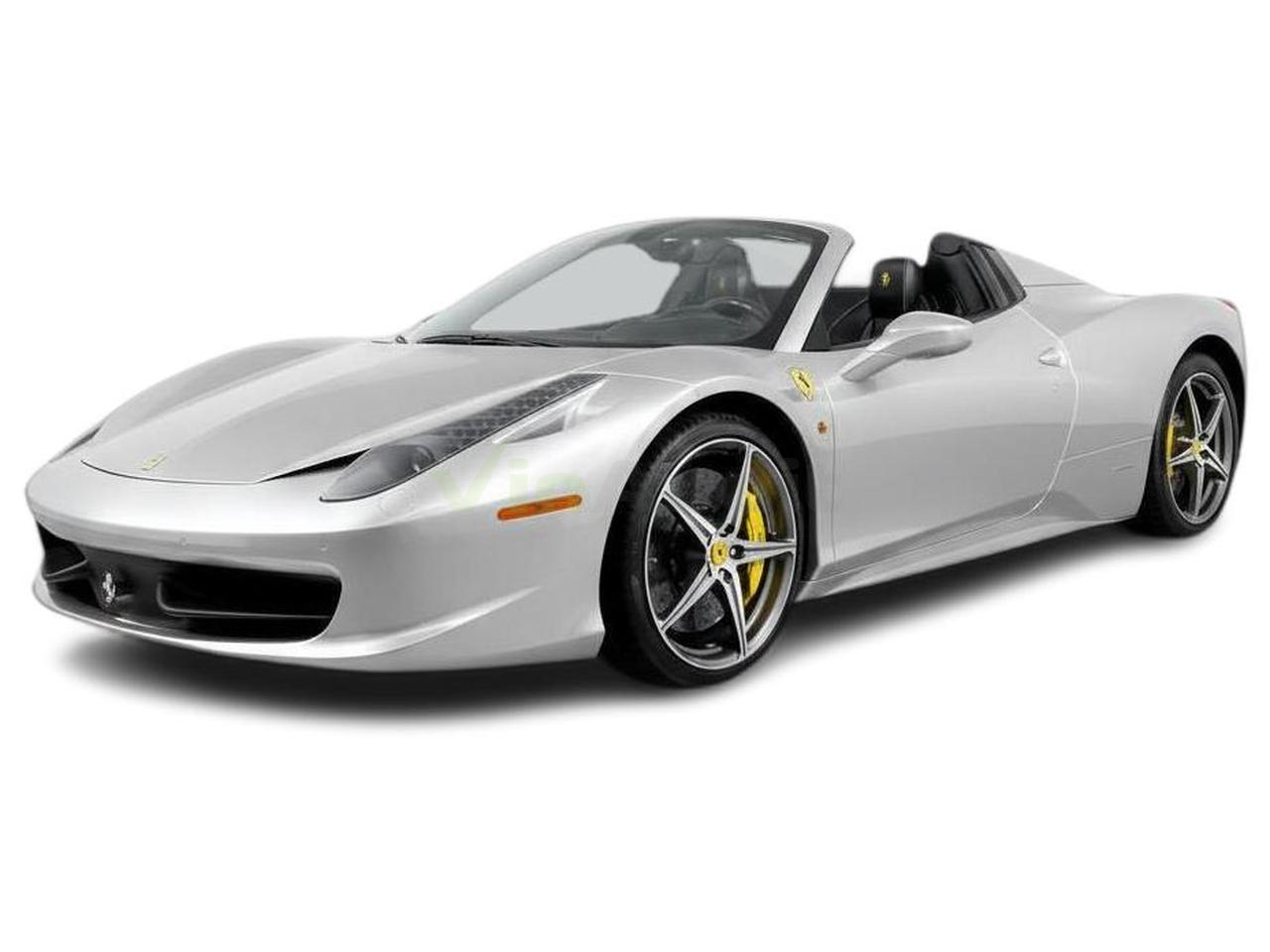
The 2015 Ferrari 458 Spider excels in exhilarating performance with its potent V8 and sublime handling, appealing to the enthusiast's soul. Its exquisite design is a timeless masterpiece. While not traditionally practical, its robust engineering offers surprising reliability for a supercar, and its convertible nature enhances the emotional connection to the driving experience.
The Bad
Owners should be aware of potential issues with the transmission, particularly the dual-clutch gearbox, which can sometimes exhibit jerky behavior. Engine component failures, especially concerning the exhaust manifold and oil leaks, have also been reported. The delicate nature of its advanced components necessitates meticulous maintenance, and repair costs can be exceptionally high.
2015 Ferrari 458 Spider: Quick Overview
- Engine Options: The 2015 Ferrari 458 Spider came standard with a single engine option: a 4.5-liter naturally aspirated V8.
- Horsepower: This V8 engine produced a remarkable 562 horsepower.
- Torque: It generated 398 lb-ft of torque.
- Transmission: A 7-speed dual-clutch automatic transmission was the sole offering.
- Fuel Economy: Estimated EPA ratings were around 13 MPG city and 17 MPG highway, though real-world figures often vary significantly with spirited driving.
- 0-60 Times: Acceleration from 0 to 60 mph was incredibly brisk, typically achieved in around 3.4 seconds.
- Top Speed: The top speed was officially rated at over 199 mph.
- Towing Capacity: Not applicable, as this is a high-performance sports car designed for agility and speed, not utility.
- Body Style: Two-door convertible with a retractable hardtop.
- Drivetrain: Rear-wheel drive.
- Trim-Level Features: Ferrari typically does not offer distinct 'trims' in the traditional sense for its models like the 458 Spider. Instead, personalization and optional features were extensive and heavily customizable through the Ferrari Tailor Made program. Standard features included:
- Bixenon headlights
- LED taillights
- Power-folding hardtop
- Leather upholstery
- Dual-zone automatic climate control
- Infotainment system with a 5-inch display
- Brembo ceramic brakes
- Magnetorheological dampers
- Launch control
- Carbon fiber interior trim
- Carbon ceramic brakes (standard on most)
- Upgraded audio system
- Navigation system
- Scuderia Ferrari shields on fenders
- Different wheel designs
- Custom paint colors and interior materials
2015 Ferrari 458 Spider Specifications
Vehicle Information
| Year | 2015 |
| Make | Ferrari |
| Model | 458 Spider |
| Trim | - |
| Style | - |
| Type | Sedan |
| Category | Sports Car |
Manufacturing Details
| Made In | Italy |
| Manufacturing City | MARANELLO |
Dimensions
| Doors | 2-Door |
| Curb Weight | 3384 pounds |
| Gross Vehicle Weight Rating | - |
| Overall Height | - |
| Overall Length | - |
| Overall Width | - |
| Wheelbase Length | - |
| Standard Seating | - |
Engine & Performance
| Engine | F136FB |
| Engine Size | 4.5L |
| Engine Cylinders | 8 |
| Transmission | 7-Speed Automatic |
| Transmission Type | Automatic |
| Transmission Speeds | 7-Speed |
| Drivetrain | Rear-Wheel Drive |
Additional Features
| Anti-Brake System | - |
| Steering Type | - |
Pricing
| Manufacturer Suggested Retail Price (MSRP) | $263,553 |
| Invoice Price | - |
| Delivery Charges | $3,750 |
Vehicle History Report
Specifications
History
Events
History Check
Check
Check
Check
Check
Listings
Recalls
Check
Analysis
What Problems Does the 2015 Ferrari 458 Spider Have?
Beyond these more prominent issues, some owners have noted the potential for exhaust manifold cracks due to extreme heat cycling, leading to exhaust leaks and a distinctive ticking sound. Oil leaks have also been mentioned, sometimes requiring attention to seals or gaskets. The complex electronics and intricate systems within a Ferrari also mean that electrical gremlins, though not widespread, can occur and be challenging to diagnose.
When it comes to long-term reliability, it is crucial to understand that the 458 Spider is a high-performance supercar. Its mechanical complexity and the immense stresses placed on its components mean that it requires rigorous and diligent maintenance from qualified Ferrari technicians. Neglecting scheduled servicing or using non-specialist mechanics can significantly increase the likelihood of costly repairs and diminish its long-term dependability. While there aren't widely reported widespread mechanical failures by model year for 2015 specifically beyond the general 458 concerns, the emphasis remains on proactive and expert maintenance to mitigate potential long-term issues. Owners are advised to thoroughly research a specific vehicle's maintenance history before purchase.
How long will the 2015 Ferrari 458 Spider last?
In terms of years of service, the mechanical longevity of the 458 Spider is largely tied to its maintenance. With meticulous care and adherence to Ferrari's service schedule by specialized technicians, these cars can remain mechanically sound for many years, potentially exceeding 15-20 years of service. However, weaknesses emerge from potential component fatigue in high-stress areas like the engine and transmission if not properly maintained or if driven excessively hard without adequate cooling. The aluminum chassis and carbon fiber components are generally durable, but the complex powertrain and electronics are areas where age and mileage can eventually lead to increased repair needs.
What Technology & Safety Features are Included?
Driver-assistance features are minimal by today's standards. The 458 Spider does not offer features like adaptive cruise control, lane keeping assist, or blind-spot monitoring. The primary driver-assistance technologies are centered around enhancing performance, such as the sophisticated traction and stability control systems (including Ferrari's F1-Trac system) and launch control for optimal acceleration. Parking sensors, both front and rear, were often optional.
Safety features include standard front airbags for the driver and passenger. Given its exotic nature and limited production volume, the 458 Spider has not undergone extensive crash-testing by organizations like the NHTSA or IIHS. However, its construction utilizes a strong aluminum chassis designed to absorb impact energy. The car is equipped with anti-lock brakes (ABS) and electronic brakeforce distribution (EBD) as standard, along with a robust tire pressure monitoring system. Optional features could include a rearview camera to aid in parking maneuvers. The emphasis on safety, as with technology, is more about active safety through performance and braking capabilities rather than passive driver aids.
What Colors Options are Available?
2015 Ferrari 458 Spider Prices and Market Value
Depreciation on the 458 Spider has been relatively gentle compared to many luxury vehicles, especially for well-maintained examples with desirable specifications. Supercars like the 458 tend to hold their value better than mainstream cars, and Ferrari's desirability often cushions the initial depreciation curve. Factors significantly affecting resale value include: low mileage, a comprehensive service history from authorized Ferrari dealers, desirable factory options (like carbon fiber interior trim or special paint colors), and the overall condition and originality of the vehicle. Limited production runs and the iconic naturally aspirated V8 engine also contribute to strong residual values.
2015 Ferrari 458 Spider Cost of Ownership
2015 Ferrari 458 Spider Fuel Efficiency
2015 Ferrari 458 Spider Recalls & Defects
AIR Bags:frontal:passenger Side:inflator Module
Service Brakes, Hydraulic
2015 Ferrari 458 Spider Insurance
reasonable repair costs.
How Does the 2015 Ferrari 458 Spider Compare to Other Sedan?
Performance: The 458 Spider's naturally aspirated 4.5-liter V8 offered a unique, exhilarating soundtrack and immediate throttle response that few rivals could match. Its 0-60 mph time was blistering at around 3.4 seconds. The McLaren 650S Spider offered comparable or slightly superior acceleration with its twin-turbo V8 but a different, more electronically assisted feel. The Gallardo Spyder provided a more raw, V10 experience, while the 911 Turbo S Cabriolet was exceptionally fast and capable in all conditions.
Features: The 458 Spider focused on driving purity, with a relatively minimalist interior and less tech than some competitors. The McLaren 650S offered a more modern tech interface and a retractable hardtop that was faster to deploy than the Ferrari's. The 911 Turbo S Cabriolet was the most technologically advanced, offering a plethora of driver aids and a more usable daily-driving feature set.
Reliability: Historically, Italian exotics like Ferrari and Lamborghini have had a reputation for higher maintenance costs and potential reliability issues compared to German or British counterparts. While the 458 Spider is well-engineered, long-term ownership can be costly. The McLaren 650S Spider, while powerful, also demands significant servicing. The Porsche 911 Turbo S Cabriolet is generally considered the most reliable and robust of the group, offering a more predictable ownership experience.
Price: At their launch, all these cars were in a similar price bracket, generally above $200,000, with the Ferrari and McLaren often reaching higher with options. In the used market, the 458 Spider has held its value exceptionally well, often priced similarly or even higher than comparable McLarens or Gallardos, due to its iconic V8 and brand prestige. The 911 Turbo S, while a fantastic performer, tends to depreciate more.
Alternatives: Similar alternatives include the aforementioned Lamborghini Gallardo Spyder (especially later models) for a more visceral V10 experience, or the McLaren 650S Spider for a more modern, tech-forward supercar. If reliability and daily usability are higher priorities without sacrificing extreme performance, the Porsche 911 Turbo S Cabriolet remains a compelling option, though it lacks the exotic allure and the V8 wail of the Ferrari.
Final Verdict: Is the 2015 Ferrari 458 Spider a Good Sedan?
Is it worth buying? Yes, if you can afford the considerable ownership costs and prioritize passion over practicality. As a used purchase, it represents a more accessible entry into Ferrari ownership than when new. It is worth buying if you are looking for a statement piece that offers exhilarating performance and timeless design. Conditions for purchase should heavily favor well-maintained examples with complete service histories from authorized Ferrari service centers. Specific trims are less relevant than overall condition and desirable factory options. Buying one requires a realistic assessment of its upkeep and a willingness to embrace its exotic nature.

Drew B
Drew is a seasoned automotive expert and contributor to VinCheck.info. With nearly 15 years of experience as a former Porsche technician, he brings a wealth of hands-on knowledge to his writing. Born in North Carolina, a region renowned for its deep-rooted NASCAR culture, Drew developed a passion for cars early in life, often building and working on vehicles from a young age. At VINCheck, Drew leverages his extensive technical background to provide in-depth analyses of various vehicles. His articles often focus on engine performance, reliability, and maintenance insights, offering readers practical information grounded in real-world experience. Some of his notable contributions include reviews on the Mazda CX-5's longevity and detailed examinations of engine options for models like the 2011 Toyota Camry and Tacoma