
The Good
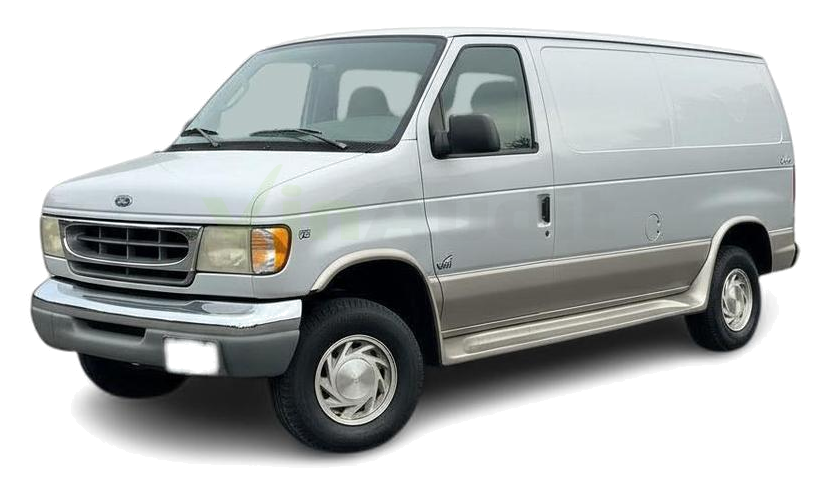
The 2001 Ford Econoline Wagon offers dependable performance and immense practicality. Its spacious interior and comfortable ride (for a van) are pluses. The simple design means easier repairs, appealing to practical buyers. Emotionally, it represents freedom, family adventures, and the ability to haul anything. Value is strong because of its longevity.
The Bad
The 2001 Ford Econoline Wagon's weaknesses include its fuel economy, which is poor. Rust can be a major issue, particularly in areas with road salt. Suspension components and ball joints are known to wear out. Transmission issues can arise, so regular maintenance is crucial.
2001 Ford Econoline Wagon: Quick Overview
- Engine Options:
- 4.2L Essex V6: Around 200 horsepower
- 4.6L Triton V8: Around 220 horsepower
- 5.4L Triton V8: Around 255 horsepower
- 6.8L Triton V10: Around 265 horsepower
- Horsepower: Ranges from approximately 200 hp to 265 hp, depending on the engine.
- Fuel Economy: Expect poor fuel economy. The V6 might achieve around 14-16 mpg city and 17-20 mpg highway. V8 and V10 models will be lower.
- 0-60 Times: Not a performance vehicle. Expect 0-60 mph times in the 9-12 second range, depending on the engine and load.
- Towing Capacity: Significant towing capacity depending on configuration. Can range from 5,000 lbs to over 8,000 lbs when properly equipped.
- Trim-Level Features:
- XL: Base model with basic features, vinyl seating, and minimal comforts.
- XLT: Upgraded trim with cloth seating, carpeting, and additional features like air conditioning and upgraded stereo.
- Features varied but commonly included: Power windows, power locks, AM/FM radio, and basic safety features. Options included cruise control, upgraded audio systems, and rear air conditioning. Passenger versions had multiple seating configurations.
2001 Ford Econoline Wagon Specifications
Vehicle Information
| Year | 2001 |
| Make | Ford |
| Model | Econoline |
| Trim | - |
| Style | - |
| Type | Minivan |
| Category | Passenger Van |
Manufacturing Details
| Made In | United States |
| Manufacturing City | LORAIN |
Dimensions
| Doors | 3-Door |
| Curb Weight | 5132 pounds |
| Gross Vehicle Weight Rating | 7000 pounds |
| Overall Height | 80.90 inches |
| Overall Length | 211.90 inches |
| Overall Width | 79.30 inches |
| Wheelbase Length | 138.00 inches |
| Standard Seating | 8 |
Engine & Performance
| Engine | 4.2L V6 |
| Engine Size | 4.2L |
| Engine Cylinders | 6 |
| Transmission | 4-Speed Automatic |
| Transmission Type | Automatic |
| Transmission Speeds | 4-Speed |
| Drivetrain | Rear-Wheel Drive |
Additional Features
| Anti-Brake System | 4-Wheel ABS |
| Steering Type | Recirculating |
Pricing
| Manufacturer Suggested Retail Price (MSRP) | $25,990 |
| Invoice Price | $22,937 |
| Delivery Charges | $690 |
Vehicle History Report
Specifications
History
Events
History Check
Check
Check
Check
Check
Listings
Recalls
Check
Analysis
What Problems Does the 2001 Ford Econoline Wagon Have?
Transmission problems, specifically slipping or hard shifting, can occur. Regular transmission fluid changes are crucial for longevity. Engine issues, such as spark plug blow-out (particularly on the 5.4L Triton V8) and oil leaks, are also reported.
Electrical problems, including issues with the alternator and starter, can arise. There have been recalls related to fuel system components and airbag systems on certain model years of the Econoline, so checking the VIN for outstanding recalls is essential. Long-term reliability concerns center around rust prevention and diligent maintenance of the drivetrain and suspension.
How long will the 2001 Ford Econoline Wagon last?
Long-term durability hinges on avoiding neglect. Weaknesses over time include rust susceptibility, suspension wear, and potential transmission issues. Vigilant owners who address these concerns can significantly extend the vehicle's lifespan.
What Technology & Safety Features are Included?
Safety features included standard front airbags and anti-lock brakes (ABS) were often optional. No advanced safety features like lane departure warning or blind-spot monitoring were available.
Crash-test ratings from the NHTSA (National Highway Traffic Safety Administration) for the 2001 Ford Econoline vary depending on the specific configuration (passenger vs. cargo) and the type of test. Ratings generally show moderate protection for front impacts. Side-impact testing was not common at the time. Overall, the safety tech is dated by today's standards.
What Colors Options are Available?
Exterior Colors
Interior Colors
2001 Ford Econoline Wagon Prices and Market Value
2001 Ford Econoline Wagon Cost of Ownership
2001 Ford Econoline Wagon Fuel Efficiency
2001 Ford Econoline Wagon Safety Rating
NHTSA
IIHS
2001 Ford Econoline Wagon Warranty
Basic
Powertrain
Rust
2001 Ford Econoline Wagon Insurance
reasonable repair costs.
How Does the 2001 Ford Econoline Wagon Compare to Other Minivan?
Price-wise, the Econoline was usually competitive. The Chevrolet Express/GMC Savana are similar alternatives, offering similar capabilities and features. The Dodge Ram Van is another option, but its availability and parts support might be less robust. Newer vans like the Nissan NV (discontinued) and the Mercedes-Benz Sprinter offer better fuel economy, more modern features, and improved safety, but at a significantly higher price point. For someone prioritizing reliability and basic functionality at a low price, the Econoline remains a viable choice, but newer options offer substantial improvements in key areas.
Ranks #59 Van
| 1 | 2023 Toyota Sienna | (5.0★) |
| 2 | 2023 Honda Odyssey | (4.0★) |
| 3 | 2001 Mazda MPV | (4.0★) |
| 4 | 2024 Ford E-Series Cutaway | (0.0★) |
| 5 | 2023 Mercedes-Benz Metris Passenger Van | (0.0★) |
| 6 | 2023 Chevrolet Express Passenger | (0.0★) |
| 7 | 2021 Nissan NV200 | (3.0★) |
| 8 | 2023 GMC Savana | (0.0★) |
| 9 | 2023 Ram ProMaster | (0.0★) |
| 10 | 2021 Rolls-Royce Dawn | (0.0★) |
| 11 | 2013 Volkswagen Routan | (4.0★) |
| 12 | 2007 Buick Terraza | (0.0★) |
| 59 | 2001 Ford Econoline Wagon | (0.0★) |
Final Verdict: Is the 2001 Ford Econoline Wagon a Good Minivan?

Eugene S
Eugene is an automotive enthusiast with over 15 years of experience in the used car market. As a writer at VINCheck.info, he brings deep industry insight and a passion for cars, helping readers make smart, informed decisions. Eugene has written hundreds of used car reviews and is known for breaking down complex automotive topics into clear, actionable advice. Over the years, he has driven and worked on a wide range of vehicles—starting with tuning street cars in his early days and eventually focusing on performance upgrades and reliability improvements. Today, he specializes in evaluating used vehicles through the lens of real-world ownership and enthusiast needs. A longtime fan of Porsche, Eugene especially appreciates vehicles that blend durability with driving enjoyment.