
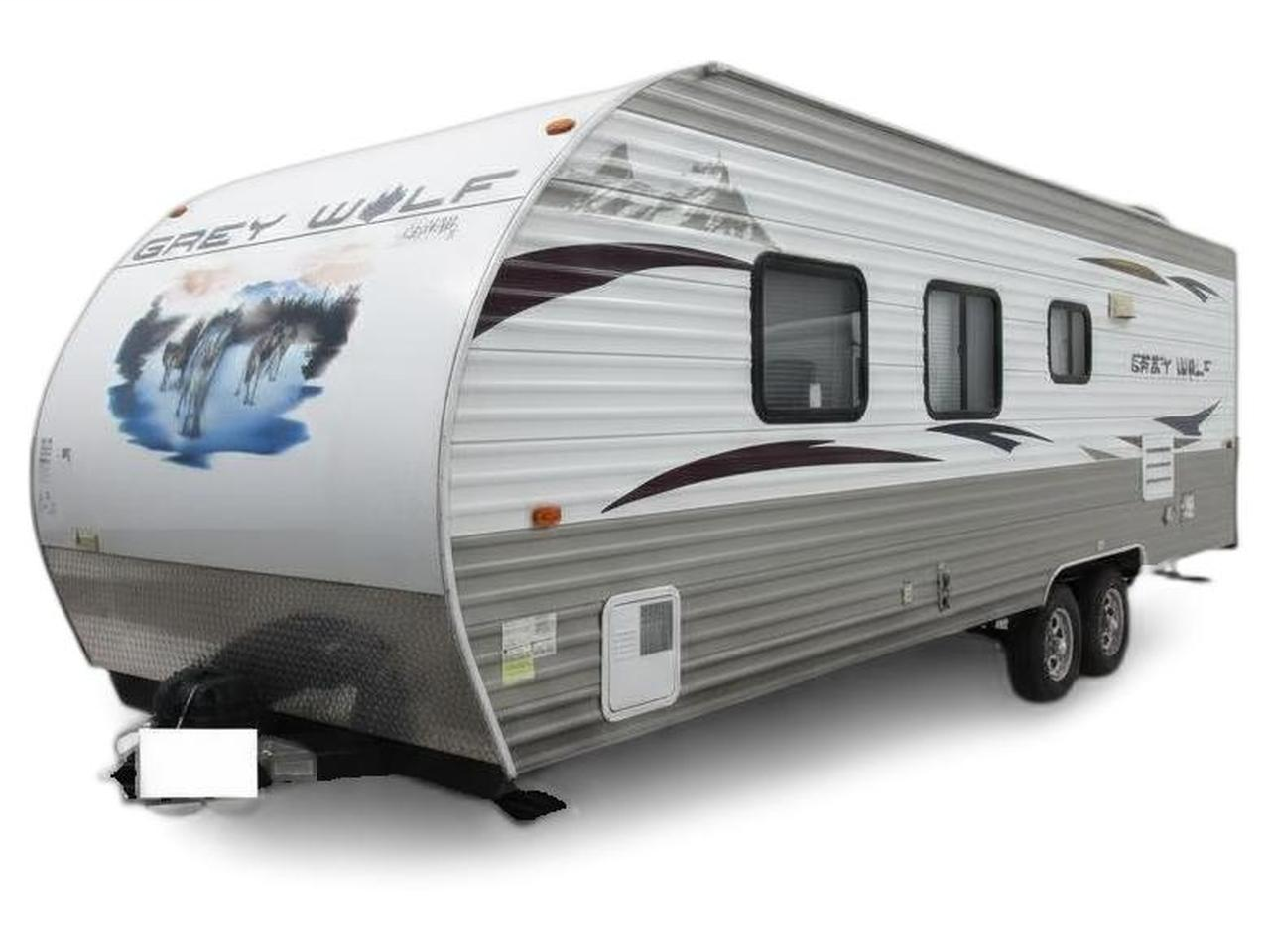
The Good
The 2013 Forest River Cherokee excels in providing exceptional value, offering a comfortable and well-designed living space for memorable adventures. Its practical layout and durable construction cater to both the desire for a home away from home and the need for a reliable travel companion, making it a smart investment for aspiring RVers.
The Bad
Potential owners of a 2013 Forest River Cherokee should be aware of common RV issues like water intrusion around seals and potential for component wear over time. Inspecting for soft spots in the flooring, delamination of exterior panels, and functioning of all appliances is crucial during purchase.
2013 FOREST RIVER Cherokee: Quick Overview
2013 Forest River Cherokee - Key Specifications and Features
As a recreational vehicle (RV), the 2013 Forest River Cherokee does not have traditional automotive specifications such as engine options, horsepower, fuel economy, or 0-60 times, as it is a towed unit. Instead, its key specifications revolve around its construction, dimensions, and features designed for living and camping.
General Specifications (Varies by specific model/floor plan):
- Body Style: Travel Trailer or Fifth Wheel RV
- Construction: Typically features a steel chassis, aluminum framing, and laminated fiberglass exterior walls. Some models may incorporate wood framing in certain areas.
- Dimensions: Lengths can vary significantly, generally ranging from approximately 20 feet to over 40 feet. Width is typically 8 feet. Height will vary based on whether it's a travel trailer or fifth wheel, and may include height for roof-mounted amenities.
- Weight Ratings (GVWR, UVW, Cargo Capacity): These are critical and vary widely. Gross Vehicle Weight Rating (GVWR) indicates the maximum loaded weight. Unloaded Vehicle Weight (UVW) is the trailer's weight when empty. Dry Hitch Weight (for travel trailers) or Pin Weight (for fifth wheels) is also important for towing balance. These figures are essential for determining towing compatibility with a tow vehicle.
- Towing Capacity (of the tow vehicle required): The trailer itself does not have a towing capacity. The required tow vehicle must have a sufficient towing capacity to safely handle the GVWR of the Cherokee model. This can range from 5,000 lbs for smaller travel trailers to well over 10,000 lbs for larger fifth wheels.
Typical Trim-Level Features (Common to various Cherokee models):
- Sleeping Capacity: Varies by floor plan, often accommodating 4-8 people with features like queen-size master beds, convertible dinettes, and sofa beds.
- Kitchen Amenities: Full-size or apartment-size refrigerator, 3-burner stove with oven, microwave, double-bowl sink, and ample cabinet storage.
- Bathroom Facilities: Typically includes a toilet, sink, and a shower or tub/shower combination. Some larger models may offer a separate half-bath.
- Living Area: Features include a dinette, sofa, entertainment center with TV hookups, and often an awning for outdoor living.
- Climate Control: Air conditioning unit (typically 13,500 BTU) and a furnace.
- Water Systems: Fresh water tank, grey water tank, black water tank, and a water heater (usually propane-powered).
- Power: 12V DC electrical system powered by deep-cycle batteries and a 120V AC system connected to shore power or a generator.
- Storage: Ample exterior storage compartments (pass-through storage is common) and interior cabinetry.
- Optional Features (may vary by trim/package): Exterior speakers, power tongue jack, upgraded appliances, electric fireplace, multiple slide-outs for expanded living space, upgraded interior finishes.
It's important to note that "Cherokee" is a popular model line from Forest River, and specific features and specifications can differ significantly between various sub-models and model years within the 2013 production. Always consult the specific RV's manufacturer's documentation for exact details.
2013 FOREST RIVER Cherokee Specifications
Vehicle Information
| Year | 2013 |
| Make | FOREST RIVER |
| Model | Cherokee |
| Trim | - |
| Style | - |
| Type | Recreational Vehicle |
| Category | Special Purpose Vehicle |
Manufacturing Details
| Made In | United States |
| Manufacturing City | DALLAS |
Dimensions
| Doors | - |
| Curb Weight | - |
| Gross Vehicle Weight Rating | - |
| Overall Height | - |
| Overall Length | - |
| Overall Width | - |
| Wheelbase Length | - |
| Standard Seating | - |
Engine & Performance
| Engine | - |
| Engine Size | - |
| Engine Cylinders | - |
| Transmission | - |
| Transmission Type | Not Applicable |
| Transmission Speeds | - |
| Drivetrain | Not Applicable |
Additional Features
| Anti-Brake System | Not Applicable |
| Steering Type | - |
Pricing
| Manufacturer Suggested Retail Price (MSRP) | - |
| Invoice Price | - |
| Delivery Charges | - |
Vehicle History Report
Specifications
History
Events
History Check
Check
Check
Check
Check
Listings
Recalls
Check
Analysis
What Problems Does the 2013 FOREST RIVER Cherokee Have?
Another area that sometimes requires attention is the functioning of appliances. While many RV appliances are designed for durability, components like water heaters, refrigerators (especially the 12V/propane models), and air conditioning units can experience wear and tear over time, especially if not properly maintained. Electrical systems, including wiring and battery management, can also be a source of problems, particularly in older units where connections might loosen or components degrade.
The plumbing system, including pipes, fittings, and water pumps, is another component that demands attention. Leaks, clogged drains, or a malfunctioning water pump can significantly impact the usability of the RV. Slide-out mechanisms, if equipped, can also be a point of failure, requiring lubrication and occasional adjustment or repair.
While there isn't a single pervasive, model-year-specific catastrophic failure widely reported for the 2013 Cherokee line that would classify it as inherently unreliable, the general concerns are typical of many RVs of its age. It's crucial for potential buyers to conduct a thorough pre-purchase inspection, ideally by a qualified RV technician, to identify any existing or potential problems. Recalls, though less common for specific years of RVs compared to automobiles, should always be checked via the manufacturer's website or the National Highway Traffic Safety Administration (NHTSA) database for any active safety campaigns related to the specific model or VIN. Long-term reliability is highly dependent on the owner's maintenance habits, storage conditions, and how rigorously the unit was used and cared for.
How long will the 2013 FOREST RIVER Cherokee last?
What Technology & Safety Features are Included?
Entertainment: Standard entertainment features typically included a basic stereo system with indoor speakers, and often pre-wiring for a television. Some higher-end trims or optional packages might have included an exterior entertainment center with speakers, and potentially a TV mount or even an outdoor TV. The core entertainment was generally about providing a space for listening to music or watching programs brought by the owner.
Technology: Technology in an RV of this era was relatively simple. This would encompass the control panel for water pumps, tank levels (fresh, grey, black), battery status, and interior lighting. Some models might have had a digital thermostat for the furnace and air conditioning. Optional technology could have included a power awning with LED lighting, a power stabilizing jacks, or even a backup camera system for the towing vehicle (which is installed on the trailer).
Driver-Assistance: As a towed vehicle, the Cherokee itself does not have driver-assistance features. The responsibility for safe towing lies with the tow vehicle. Features that indirectly assist with towing might include proper trailer wiring for brake lights and turn signals, and potentially a spare tire and jack for roadside emergencies.
Safety Features: Standard safety features typically found in RVs of this vintage include smoke detectors, carbon monoxide detectors, and propane leak detectors, which are crucial for living in a space with propane appliances. Emergency exit windows are also a standard safety requirement. Exterior lighting for visibility while on the road and at campsites is also a key safety component.
Crash-Test Ratings: Recreational vehicles, including travel trailers and fifth wheels like the Forest River Cherokee, are not subjected to standardized crash-test ratings in the same manner as passenger vehicles by organizations like the NHTSA or IIHS. Their structural integrity is designed to withstand the stresses of travel and provide a safe living environment, but direct comparative crash-test data is not available.
Overall, the technology and features in a 2013 Forest River Cherokee are geared towards functionality and comfort for camping life rather than advanced automotive systems.
What Colors Options are Available?
2013 FOREST RIVER Cherokee Prices and Market Value
2013 FOREST RIVER Cherokee Cost of Ownership
2013 FOREST RIVER Cherokee Fuel Efficiency
2013 FOREST RIVER Cherokee Recalls & Defects
Equipment
Equipment:other:labels
Equipment
2013 FOREST RIVER Cherokee Insurance
reasonable repair costs.
How Does the 2013 FOREST RIVER Cherokee Compare to Other Recreational Vehicle?
Performance: As an RV, performance isn't measured by speed or acceleration but by its towing characteristics and how well it handles road conditions. The Cherokee, like its competitors, generally offers adequate towing stability when properly paired with a capable tow vehicle. Differences in suspension and chassis design can lead to minor variations in ride quality. In this regard, most competitors in this price bracket offer comparable performance.
Features: Forest River Cherokee models often pride themselves on offering a good balance of features for their price point. This typically includes functional kitchenettes, comfortable sleeping areas, and basic bathroom facilities. Competitors like Jayco often emphasize build quality and more refined interior finishes, while brands like Shasta might focus on even more aggressive pricing. Keystone's Springdale series often offers a good range of floor plans with modern amenities. The Cherokee generally sits in the middle, providing a solid set of features without necessarily excelling in any one area over all rivals.
Reliability: Reliability is a common concern across this segment. Many units from this era, regardless of brand, can suffer from issues like water intrusion and appliance failures. Forest River has a reputation for offering good value, which sometimes means compromises in build materials or attention to detail compared to premium brands. Brands like Jayco are often cited for slightly better overall build quality and long-term durability, though they may come at a higher price. Shasta, focusing on affordability, might sometimes trail in long-term reliability compared to the others.
Price: The 2013 Forest River Cherokee is positioned to be highly competitive on price. It generally offers a more accessible entry point into RV ownership compared to some of its more premium competitors. While a used 2013 Jayco might hold its value slightly better or have fewer issues, it would likely command a higher price on the used market. Shasta and Coleman are often priced even lower, potentially sacrificing some features or build quality.
Recommendations:
- Similar Alternatives: If the 2013 Forest River Cherokee appeals to you, consider looking at similar model years from **Jayco (Jay Feather, White Hawk)** for potentially better build quality, or **Keystone (Springdale, Hideout)** for a comparable feature set at a similar price point.
- Slightly Higher Budget for Potentially Better Reliability: If budget allows, a slightly newer or higher-trim model from **Grand Design (Imagine, Reflection)** or a well-maintained older **Airstream** could offer superior long-term durability and resale value, albeit at a significantly higher initial cost.
- Budget-Focused Alternatives: For those prioritizing the lowest possible cost, brands like **Coleman** or **Shasta** in similar model years could be explored, but be prepared for potentially more compromises in features and build quality.
Ultimately, the best choice depends on your specific budget, priorities, and the condition of the individual unit you are considering.
Final Verdict: Is the 2013 FOREST RIVER Cherokee a Good Recreational Vehicle?

Eugene S
Eugene is an automotive enthusiast with over 15 years of experience in the used car market. As a writer at VINCheck.info, he brings deep industry insight and a passion for cars, helping readers make smart, informed decisions. Eugene has written hundreds of used car reviews and is known for breaking down complex automotive topics into clear, actionable advice. Over the years, he has driven and worked on a wide range of vehicles—starting with tuning street cars in his early days and eventually focusing on performance upgrades and reliability improvements. Today, he specializes in evaluating used vehicles through the lens of real-world ownership and enthusiast needs. A longtime fan of Porsche, Eugene especially appreciates vehicles that blend durability with driving enjoyment.