
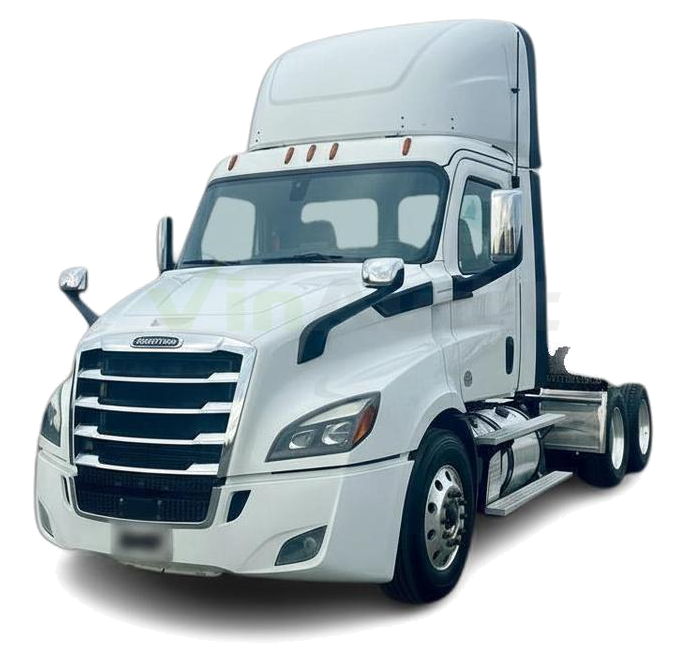
The Good
The 2019 Cascadia 116 impresses with its powerful and efficient powertrain options, robust build quality ensuring reliability, and a surprisingly comfortable cab designed for long hours. Its aerodynamic design contributes to fuel savings, offering excellent value. This truck appeals to the practical owner through its cost-effectiveness and to the driver through its ergonomic and modern interior.
The Bad
While generally reliable, potential owners should be aware of possible electrical system glitches and occasional issues with the Diesel Particulate Filter (DPF) system, particularly with inconsistent maintenance. Some drivers have noted the interior noise levels could be further reduced, and complex electronic systems might require specialized diagnostic tools for repair.
2019 Freightliner Cascadia 116: Quick Overview
- Engine Options: The 2019 Freightliner Cascadia 116 primarily offered Detroit Diesel engines, notably the DD13 and DD15. Some models might have also been available with Cummins ISX15 engines.
- Horsepower: Horsepower ratings typically ranged from approximately 400 hp to over 500 hp, depending on the specific engine and configuration chosen. For instance, the DD13 could be found in the 370-470 hp range, while the DD15 often offered 455-505 hp.
- Fuel Economy: Specific MPG figures are not directly applicable to heavy-duty trucks in the same way as passenger cars, as it's measured in miles per gallon per ton-mile. However, the Cascadia 116 is recognized for its advanced aerodynamics and efficient engine technology, with many operators reporting significant improvements over older models, often in the 6-8 MPG range under optimal load and route conditions. This is achieved through features like its aerodynamic design, variable speed fans, and engine optimization.
- 0-60 Times: 0-60 mph acceleration times are not a standard metric for Class 8 trucks, as their purpose is hauling heavy loads at steady speeds, not rapid acceleration. Performance is measured by torque and ability to maintain speed under load.
- Towing Capacity: Towing capacity is highly dependent on the truck's configuration (axle ratios, suspension, chassis) and the specific trailer being pulled. As a Class 8 tractor, the Cascadia 116 is designed for heavy-duty applications, capable of hauling Gross Combination Weights (GCW) typically ranging from 70,000 lbs up to 80,000 lbs and beyond, depending on regulations and specific setup.
- Trim-Level Features: While specific trim packages can vary widely based on vocational use and customer specifications, common features found across various 2019 Cascadia 116 configurations include:
- Comfortable and ergonomic driver seats, often with air suspension.
- Spacious sleeper cabs (available in various lengths like 48-inch, 60-inch, or 72-inch raised roof or flat top options) providing living quarters with beds, storage, and sometimes optional amenities like refrigerators or entertainment systems.
- Advanced climate control systems.
- Intuitive dashboard layouts with easily accessible controls.
- Optional premium sound systems and navigation.
- Driver-focused instrument clusters providing essential vehicle data.
- Availability of various aerodynamic enhancements such as fairings, skirts, and roof extenders to optimize fuel efficiency.
- Robust braking systems designed for heavy loads.
- Configurable suspension and drivetrain options to suit specific hauling needs.
2019 Freightliner Cascadia 116 Specifications
Vehicle Information
| Year | 2019 |
| Make | Freightliner |
| Model | Cascadia 116 |
| Trim | - |
| Style | - |
| Type | Truck |
| Category | Heavy Truck |
Manufacturing Details
| Made In | Mexico |
| Manufacturing City | SALTILLO |
Dimensions
| Doors | - |
| Curb Weight | - |
| Gross Vehicle Weight Rating | 33001 pounds |
| Overall Height | - |
| Overall Length | - |
| Overall Width | - |
| Wheelbase Length | - |
| Standard Seating | - |
Engine & Performance
| Engine | 12.8L I6 |
| Engine Size | 12.8L |
| Engine Cylinders | 6 |
| Transmission | - |
| Transmission Type | - |
| Transmission Speeds | - |
| Drivetrain | 6x4 |
Additional Features
| Anti-Brake System | - |
| Steering Type | - |
Pricing
| Manufacturer Suggested Retail Price (MSRP) | - |
| Invoice Price | - |
| Delivery Charges | - |
Vehicle History Report
Specifications
History
Events
History Check
Check
Check
Check
Check
Listings
Recalls
Check
Analysis
What Problems Does the 2019 Freightliner Cascadia 116 Have?
Another point of concern for some owners has been electrical system glitches. These can manifest in various ways, from dashboard warning lights to issues with auxiliary systems or infotainment components. While not epidemic, intermittent electrical gremlins can be frustrating to diagnose and repair. Some specific recalls for the 2019 model year have addressed concerns such as potential fire risks due to issues with wiring harnesses or certain electronic control modules. These recalls are critical and must be addressed by authorized service centers.
Long-term reliability of the transmission and drivetrain components is generally strong, especially with proper lubrication and adherence to service intervals. However, heavy-duty use can naturally lead to wear and tear on parts like clutches, brakes, and suspension components over hundreds of thousands of miles. For the 2019 model year specifically, a notable recall involved potential issues with the front axle components, which could impact steering control. Another recall focused on the seat belt assembly, which could detach in a crash. It's imperative for owners to check for any outstanding recalls for their specific VIN.
While the 2019 Cascadia is a robust truck, proactive maintenance is key. Neglecting routine checks, fluid changes, and filter replacements can exacerbate minor issues into more significant and costly problems, impacting overall reliability and resale value.
How long will the 2019 Freightliner Cascadia 116 last?
Over time, certain components will naturally require replacement due to wear. This includes items like brakes, suspension parts, tires, and potentially exhaust aftertreatment system components. While the chassis and major mechanicals are robust, the lifespan of electronic modules and sensors can be more variable. Weaknesses that can emerge with high mileage include potential issues with the DPF system if not cleaned or regenerated properly, and wear in the cab's interior components if subjected to constant heavy use. Overall, the Cascadia demonstrates strong long-term durability when treated as the professional tool it is.
What Technology & Safety Features are Included?
Driver-assistance technologies are increasingly integrated. Many 2019 Cascadia models came equipped with or offered as options features such as Adaptive Cruise Control (ACC), which automatically adjusts speed to maintain a safe distance from the vehicle ahead. Lane Departure Warning (LDW) systems alert the driver if the vehicle begins to drift out of its lane. Active Brake Assist (ABA) is a critical safety feature that can automatically apply brakes to mitigate or avoid a frontal collision. Optional camera systems and parking aids can also improve situational awareness.
Safety features are paramount. The Cascadia's cab is designed with a reinforced structure for occupant protection. Standard safety equipment includes antilock braking systems (ABS), electronic stability control, and driver and passenger airbags. The optional SmarTire system monitors tire pressure, enhancing safety and preventing potential blowouts. While specific crash-test ratings like those for passenger vehicles are not directly applicable or published for heavy-duty trucks, the Cascadia is engineered to meet stringent safety regulations and standards for commercial vehicles, focusing on occupant protection and vehicle stability under various conditions. Freightliner's commitment to safety is evident in the design and available advanced driver-assistance systems intended to prevent accidents altogether.
What Colors Options are Available?
2019 Freightliner Cascadia 116 Prices and Market Value
Freightliner Cascadias generally experience a steady depreciation curve common for heavy-duty trucks, with the steepest decline occurring in the first few years. Factors significantly affecting resale value include: accumulated mileage (lower is better), overall condition and appearance, a comprehensive maintenance record, the presence of remaining warranty, the specified engine and transmission, and the current market demand for specific configurations. Trucks that have been meticulously maintained and are free from major mechanical issues will command higher prices.
2019 Freightliner Cascadia 116 Cost of Ownership
2019 Freightliner Cascadia 116 Fuel Efficiency
2019 Freightliner Cascadia 116 Warranty
Basic
Powertrain
Rust
2019 Freightliner Cascadia 116 Insurance
reasonable repair costs.
How Does the 2019 Freightliner Cascadia 116 Compare to Other Truck?
Performance: The Cascadia 116, particularly with Detroit DD15 engines, offers strong torque and power comparable to its rivals, suitable for heavy hauling. Its aerodynamic design aids in maintaining speed and fuel efficiency on long routes, often matching or exceeding competitors like the Kenworth T680 and Peterbilt 579 in this regard.
Features: Freightliner has consistently focused on driver comfort and technology. The 2019 Cascadia boasts an ergonomic cab, available advanced safety features (like Active Brake Assist), and comfortable sleeper options, placing it on par with the premium offerings from Peterbilt and Kenworth. Volvo and International also offer comparable comfort and technology suites.
Reliability: The Cascadia platform is generally regarded as reliable, especially when equipped with Detroit Diesel powertrains. However, specific model years or configurations might have unique recalls or known issues. The Peterbilt 579 and Kenworth T680 are also known for their robust build quality and reliability, often favored by owner-operators. Volvo trucks are renowned for their durability and safety, while International has improved its offerings with the LT Series.
Price: The 2019 Cascadia 116 typically offered competitive pricing when new, often positioned slightly more affordably than comparable Peterbilt or Kenworth models, while remaining in a similar bracket to Volvo and International. This makes it an attractive option for fleet buyers looking for value.
Recommendations:
- Similar Alternatives: For those prioritizing a balance of efficiency, comfort, and price, the Kenworth T680 and Peterbilt 579 are very strong contenders, often seen as benchmarks in the industry. The Volvo VNL is another excellent choice, particularly for its safety features and long-term durability.
- Considerations: If a lower acquisition cost with solid performance is the primary driver, the 2019 Cascadia 116 remains a compelling choice. However, if ultimate driver luxury and a premium feel are paramount, a slightly higher investment in a Peterbilt or Kenworth might be warranted. For maximum uptime and ease of service in specific regions, checking local dealer support for each brand is also advisable.
Final Verdict: Is the 2019 Freightliner Cascadia 116 a Good Truck?
Whether it's worth buying depends on the specific needs and budget. As a used vehicle, it represents significant value, especially if well-maintained and acquired with lower mileage. Specific trims equipped with the Detroit DD13 or DD15 engines and aerodynamic packages are highly recommended for their blend of power and fuel economy. It is less ideal for individual owner-operators with very limited capital or those prioritizing extreme luxury over functional efficiency. For its intended purpose in commercial trucking, the 2019 Cascadia 116 remains a highly recommendable and capable machine.

Cathleen V
Cathleen is an exceptional freelance writer covering hot topics in the automotive world from a gearhead's perspective. Her articles delve into various aspects of automotive technology and history, offering readers detailed insights into engine performance, reliability, and maintenance. Through her engaging and informative writing, Cathleen provides valuable information to automotive enthusiasts and consumers alike, helping them make informed decisions about vehicle maintenance and purchases.