
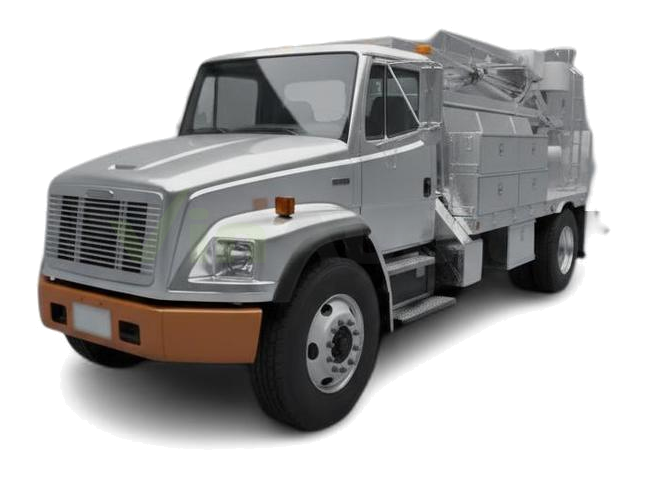
The Good
The 2000 Freightliner FL80 excels in raw performance and steadfast reliability, offering a commanding presence on the road. Its durable build ensures long-term value, while its spacious and functional cabin provides practical comfort for extended use, appealing to both the professional seeking a dependable workhorse and the owner-operator valuing its robust character.
The Bad
Potential owners should be aware of typical wear and tear on older heavy-duty vehicles, particularly concerning the drivetrain and suspension components. Electrical system glitches and occasional issues with specific engine or transmission models can arise. Rust on the frame and body is also a common concern, especially in regions with harsh weather or road salt usage.
2000 Freightliner FL80: Quick Overview
- Engine Options: The 2000 Freightliner FL80 was typically equipped with robust diesel engines designed for heavy-duty applications. Common options included:
- Cummins ISB Series: Ranging from 5.9 liters, these engines were known for their reliability and torque. Horsepower typically ranged from approximately 200 to 275 hp.
- Caterpillar C7/C9: Larger displacement engines from Caterpillar were also available, offering higher horsepower and torque figures suitable for more demanding tasks. Horsepower could range from 250 hp up to 350 hp or more depending on the specific model and configuration.
- Detroit Diesel Series 60: In some heavier-duty configurations, the robust Detroit Diesel Series 60 was an option, known for its power and durability, often producing upwards of 300 hp.
- Horsepower: As mentioned, horsepower varied significantly based on the chosen engine and its specific tune, generally falling between 200 hp and 350+ hp.
- Fuel Economy: Fuel economy for vehicles of this class and era is highly dependent on the engine, transmission, load, driving conditions, and axle ratios. Expect figures in the range of 6-10 miles per gallon (MPG) for highway driving, with significantly lower MPG when under heavy load or in urban stop-and-go traffic.
- 0-60 Times: 0-60 mph acceleration times are not a primary metric for this type of commercial vehicle and are generally not published. When empty, acceleration would be moderate, but heavily loaded, it would be significantly slower.
- Towing Capacity: The FL80 was designed for substantial towing. Its Gross Vehicle Weight Rating (GVWR) could exceed 33,000 lbs, and with appropriate towing configurations (e.g., fifth-wheel or gooseneck hitch, bumper pull), it could tow trailers weighing tens of thousands of pounds. Specific towing capacities depend heavily on the chassis configuration, axle ratings, and braking systems.
- Trim-Level Features: The FL80 was more of a vocational or commercial chassis than a typical consumer vehicle with distinct trim levels. Features were highly dependent on the intended application and customer specifications. Common considerations included:
- Chassis Configurations: Various wheelbase options, single or tandem rear axles, and different frame rail strengths.
- Cab Options: Standard day cabs, extended day cabs, or sometimes sleeper cabs for long-haul operations.
- Powertrain Options: Selection of engines, transmissions (manual and automatic), and rear axle ratios.
- Braking Systems: Air brakes were standard for most configurations.
- Suspension: Various suspension types (e.g., leaf spring, air suspension) to suit the intended load and ride comfort.
- Body Upfitting: The FL80 was a platform for various body types, including dry vans, reefers, dump bodies, utility bodies, and specialized vocational equipment.
2000 Freightliner FL80 Specifications
Vehicle Information
| Year | 2000 |
| Make | Freightliner |
| Model | FL80 |
| Trim | - |
| Style | Base Truck RWD 6AT 7.2L I6 |
| Type | Pickup Truck |
| Category | commercial |
Manufacturing Details
| Made In | United States |
| Manufacturing City | MT. HOLLY |
Dimensions
| Doors | 4-Door |
| Curb Weight | - |
| Gross Vehicle Weight Rating | - |
| Overall Height | - |
| Overall Length | - |
| Overall Width | - |
| Wheelbase Length | - |
| Standard Seating | - |
Engine & Performance
| Engine | 7.2L I6 |
| Engine Size | 7.2L |
| Engine Cylinders | 6 |
| Transmission | 6-Speed Automatic |
| Transmission Type | Automatic |
| Transmission Speeds | 6-Speed |
| Drivetrain | Rear-Wheel Drive |
Additional Features
| Anti-Brake System | - |
| Steering Type | - |
Pricing
| Manufacturer Suggested Retail Price (MSRP) | - |
| Invoice Price | - |
| Delivery Charges | - |
Vehicle History Report
Specifications
History
Events
History Check
Check
Check
Check
Check
Listings
Recalls
Check
Analysis
What Problems Does the 2000 Freightliner FL80 Have?
Engine and Drivetrain: Depending on the specific engine installed (Cummins, Caterpillar, Detroit Diesel), common concerns can include injector problems, turbocharger wear, or issues with the fuel injection pump. For manual transmissions, clutch wear is expected. Automatic transmissions, particularly older Allison units, can require regular service and may eventually need rebuilding. Driveline components like U-joints and driveshafts can also be sources of noise or vibration if not properly maintained.
Electrical System: Older electrical systems, especially those exposed to vibration and varying environmental conditions, can develop gremlins. This might manifest as intermittent warning lights, issues with gauges, or problems with accessories like lights, wipers, or HVAC systems. Alternator and starter failures are also not uncommon as these components age.
Brakes and Suspension: Given the FL80's intended use, brake components (pads, rotors, air system) are subject to significant wear and require regular inspection and maintenance. Air brake system leaks can be a persistent issue if not addressed promptly. Suspension components, such as leaf springs, bushings, and shock absorbers, will also wear out over time, potentially leading to a rougher ride or compromised handling.
Rust and Corrosion: This is a significant concern for any heavy-duty truck, especially those operated in areas with de-icing salts or high humidity. The frame rails, body panels, and undercarriage are susceptible to rust, which can compromise structural integrity if left unchecked.
Recalls: Specific recall information for a 2000 Freightliner FL80 would need to be verified with the National Highway Traffic Safety Administration (NHTSA) using the vehicle's VIN. However, recalls for commercial trucks often pertain to braking systems, steering components, or potential fire hazards related to fuel lines or electrical wiring. It is crucial for any potential buyer to check for outstanding recalls.
Long-Term Reliability: The long-term reliability of an FL80 is heavily contingent on its maintenance history and how it was used. A well-maintained FL80 used for lighter-duty tasks can be exceptionally durable. Conversely, one that has been severely overworked and neglected will likely present more challenges and require more extensive repairs. The robustness of its construction means that many components are repairable, but the cost of parts and labor for heavy-duty trucks can be substantial.
How long will the 2000 Freightliner FL80 last?
What Technology & Safety Features are Included?
Technology and Entertainment: Standard features typically included a basic AM/FM radio, often with a cassette player. Some units might have been equipped with an optional CD player, but this was less common. Auxiliary power outlets were present for charging devices. Information displays were primarily focused on vehicle diagnostics, such as engine temperature, oil pressure, and fuel level, often with analog gauges. There were no sophisticated infotainment systems, touchscreens, or integrated navigation available as standard equipment.
Driver-Assistance Features: Driver-assistance systems in the modern sense were virtually non-existent on the 2000 FL80. Features like cruise control were often optional, and any form of lane keeping assist, adaptive cruise control, or blind-spot monitoring would not have been integrated. The focus was on the driver's direct control and awareness. Some higher-spec vocational models might have offered features like a backup alarm, but this was more of a functional safety item than a driver-assistance aid.
Safety Features: Safety in the FL80 was primarily achieved through its robust construction. Standard safety features included heavy-duty seatbelts, side-impact protection integrated into the door structure, and the inherent visibility offered by its large windshield and cab design. Air brakes provided significant stopping power. Anti-lock Braking System (ABS) was often standard or a common option on models with air brakes, enhancing stability during emergency braking. Air conditioning and heating systems were present to ensure driver comfort and prevent fatigue.
Optional Features: Optional features were dictated by the intended use and customer specifications. These could include upgraded radios, power mirrors, power windows (though manual were common), and sometimes even a rudimentary tachometer. For specific vocational applications, specialized lighting, hydraulics, or PTO (Power Take-Off) systems were incorporated.
Crash-Test Ratings: Unlike consumer vehicles, commercial trucks like the Freightliner FL80 are not typically subjected to standardized crash-test ratings (e.g., by NHTSA or IIHS) in the same way. Their design emphasis is on occupant protection in a rugged environment, durability, and the capacity to withstand heavy loads and operational stresses. Their sheer mass and robust frame provide a significant level of passive safety.
What Colors Options are Available?
2000 Freightliner FL80 Prices and Market Value
2000 Freightliner FL80 Cost of Ownership
2000 Freightliner FL80 Fuel Efficiency
2000 Freightliner FL80 Warranty
Basic
Powertrain
Rust
2000 Freightliner FL80 Insurance
reasonable repair costs.
How Does the 2000 Freightliner FL80 Compare to Other Pickup Truck?
Performance: In terms of performance, the FL80, with its array of Cummins, Caterpillar, and Detroit Diesel engine options, generally offered robust power and torque suitable for demanding vocational tasks and medium-duty hauling. Its rivals also offered comparable engine choices, with some models potentially leaning towards slightly higher horsepower or specialized transmissions. The FL80's performance was characterized by its workhorse capability rather than speed.
Features: Features were generally utilitarian across the board. While the FL80 offered a functional and durable interior, rivals like Peterbilt and Kenworth were often perceived as having slightly more driver-focused cabins or offering a wider range of interior comfort options, especially in higher-spec configurations. However, for pure functionality, the FL80 was on par with most competitors.
Reliability: Freightliner, as a brand, has a reputation for solid, reliable trucks. The FL80 is no exception, with many units logging hundreds of thousands of miles. Rivals like Peterbilt and Kenworth are also known for their exceptional durability and long service life. International trucks, while also capable, sometimes had a more varied reputation for long-term reliability in certain model years. The FL80's reliability is largely dependent on maintenance.
Price: The FL80 was positioned competitively. New pricing was generally in line with other manufacturers in its class. Used market pricing for a 2000 model year is also comparable. The key differentiator often came down to specific configurations and the reputation of the manufacturer for specific applications.
Alternatives:
- Similar Alternatives:
- Peterbilt 330/340: These models offered similar vocational capabilities and a strong reputation for durability and build quality.
- Kenworth T300: Another strong contender, known for its robust construction and driver comfort features.
- International 4300/4400 Series: These offered competitive performance and a wide range of vocational applications.
- Potentially Better Alternatives (depending on specific needs): For those prioritizing a more refined interior or specific specialized applications, exploring models with more extensive factory options might be beneficial. However, for a no-nonsense, durable medium-duty truck, the FL80 remains a solid choice. The decision often boils down to availability, specific engine/transmission configurations, and the overall condition and maintenance history of the individual truck.
Final Verdict: Is the 2000 Freightliner FL80 a Good Pickup Truck?
Whether it's worth buying hinges entirely on its condition and price. A well-maintained FL80 with a solid maintenance history, especially one with a sought-after engine (like a Cummins ISB) and a durable transmission, can be an excellent value on the used market. Avoid units with significant rust, worn-out powertrains, or extensive unrepaired issues. It is best purchased used, as new models in this class would be substantially more expensive. Focus on specific vocational trims that match your intended use, prioritizing robust chassis and reliable engine/transmission pairings. It's a buy for those who value durability and function over modern features.

Drew B
Drew is a seasoned automotive expert and contributor to VinCheck.info. With nearly 15 years of experience as a former Porsche technician, he brings a wealth of hands-on knowledge to his writing. Born in North Carolina, a region renowned for its deep-rooted NASCAR culture, Drew developed a passion for cars early in life, often building and working on vehicles from a young age. At VINCheck, Drew leverages his extensive technical background to provide in-depth analyses of various vehicles. His articles often focus on engine performance, reliability, and maintenance insights, offering readers practical information grounded in real-world experience. Some of his notable contributions include reviews on the Mazda CX-5's longevity and detailed examinations of engine options for models like the 2011 Toyota Camry and Tacoma