
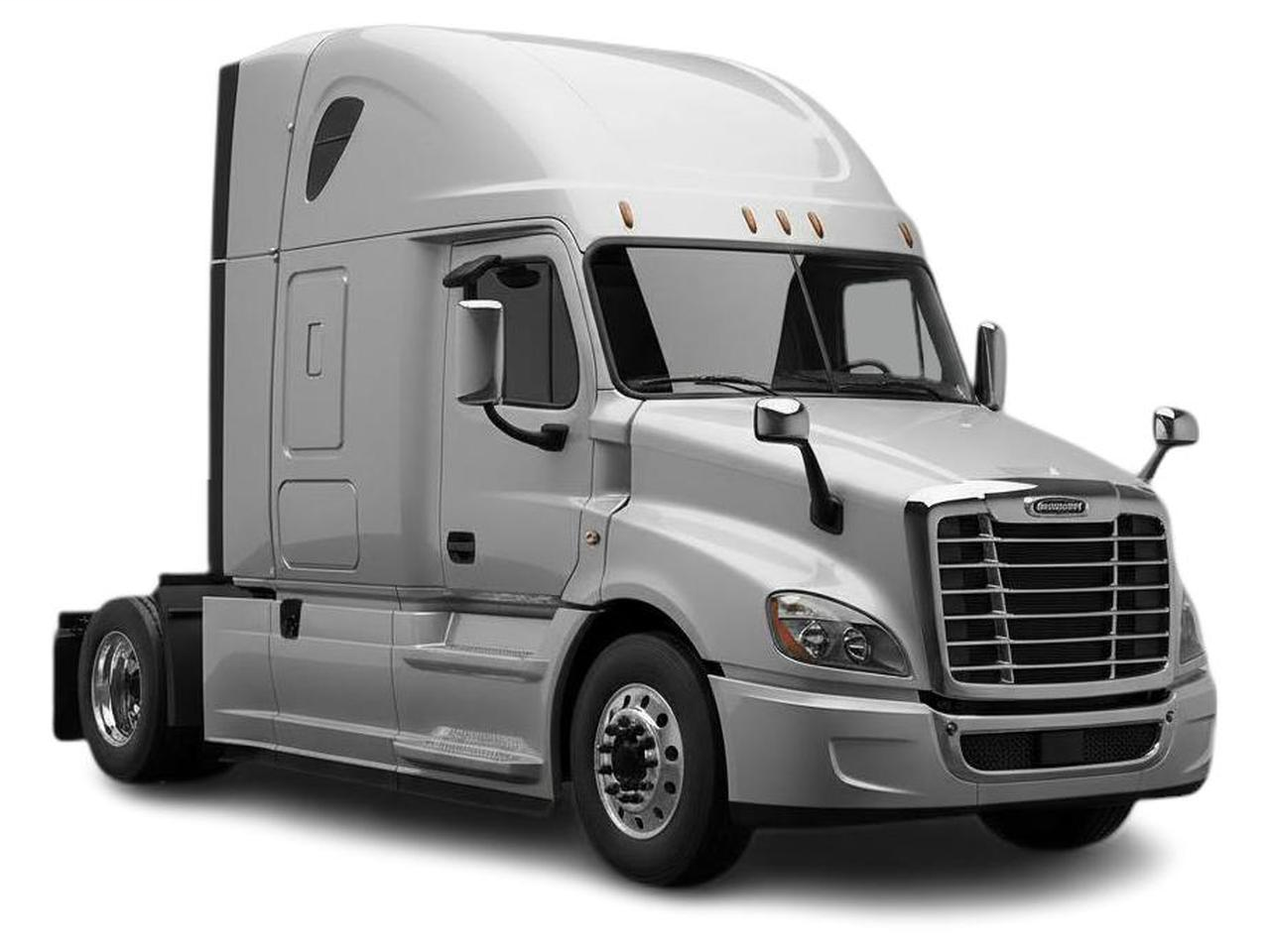
The Good
The 2013 Freightliner M-Line Motorhome excels in its sturdy, reliable performance, offering a stable and comfortable ride for long journeys. Its spacious, well-appointed interior caters to the desire for home-like comfort, while the durable Freightliner chassis provides peace of mind for practical buyers. This blend of dependability and liveability makes it a compelling option.
The Bad
Potential buyers of the 2013 Freightliner M-Line Motorhome should be aware of possible wear and tear on older components, particularly with the engine and drivetrain. Water intrusion and seal degradation are common concerns in RVs of this age. Additionally, older technology and infotainment systems may feel dated compared to modern standards.
2013 Freightliner M-Line Motorhome: Quick Overview
The 2013 Freightliner M-Line Motorhome, being a Class A RV, typically features robust diesel engines designed for sustained power and towing. While exact specifications can vary significantly based on the specific builder and configuration of the motorhome body on the Freightliner chassis, here's a general overview:
Engine Options:
- Cummins ISB Series Diesel Engine: A very common choice for Freightliner chassis, known for its durability and performance. These are typically inline 6-cylinder engines.
- Mercedes-Benz MBE Series Diesel Engine: Less common but also found in some Freightliner applications, offering a different blend of power and refinement.
Horsepower:
- Horsepower ratings for these diesel engines in 2013 generally ranged from approximately 260 hp to 350 hp, with some higher-output configurations potentially exceeding this. The torque output is a more critical figure for RVs, often ranging from 600 lb-ft to over 800 lb-ft.
Fuel Economy:
- Fuel economy for Class A diesel motorhomes is notoriously low due to their size, weight, and aerodynamics. Expect figures generally between 6 to 10 miles per gallon (MPG), heavily dependent on driving conditions, terrain, load, and speed.
0-60 Times:
- 0-60 mph times are not a primary consideration or metric for motorhomes, as they are not designed for rapid acceleration. If measured, it would be a very slow process, likely exceeding 20-30 seconds, and would be highly variable.
Towing Capacity:
- Towing capacity is a significant feature. Most Freightliner chassis equipped for Class A motorhomes can tow substantial loads, typically ranging from 5,000 lbs to 10,000 lbs or more, allowing owners to bring a car or trailer along. This is usually achieved through a robust hitch receiver.
Trim-Level Features (General for M-Line Class A RVs):
- Living Area: Spacious living rooms with comfortable sofas, recliners, entertainment centers (TVs, DVD players, sound systems), and ample storage. Slide-outs are common to expand interior living space when parked.
- Kitchen: Fully equipped galleys often include a refrigerator/freezer, microwave, stovetop, oven, ample counter space, and sink.
- Bedroom: Master suites typically feature a queen or king-size bed, wardrobe closets, and often a separate TV.
- Bathroom: Full bathrooms with a sink, toilet, and shower are standard. Some higher-end models may offer a half-bath as well.
- Driver/Cockpit Area: Comfortable captain's chairs, a comprehensive dashboard with gauges, and often a backup camera system. Power driver seats and adjustable steering columns are frequently found.
- Exterior: Large awning, ample exterior storage compartments (basement storage), outdoor entertainment options, and utility hookups.
- Chassis Features: Air brakes, power steering, cruise control, and often a leveling system.
It's important to note that "M-Line" might refer to a specific builder's designation for their motorhome built on a Freightliner chassis, so features can vary widely between manufacturers like Thor, Fleetwood, Winnebago, etc., who utilized Freightliner chassis.
2013 Freightliner M-Line Motorhome Specifications
Vehicle Information
| Year | 2013 |
| Make | Freightliner |
| Model | M-Line Motorhome |
| Trim | - |
| Style | - |
| Type | Truck |
| Category | - |
Manufacturing Details
| Made In | United States |
| Manufacturing City | GAFFNEY |
Dimensions
| Doors | - |
| Curb Weight | - |
| Gross Vehicle Weight Rating | - |
| Overall Height | - |
| Overall Length | - |
| Overall Width | - |
| Wheelbase Length | - |
| Standard Seating | - |
Engine & Performance
| Engine | 8.9L I6 |
| Engine Size | 8.9L |
| Engine Cylinders | 6 |
| Transmission | - |
| Transmission Type | - |
| Transmission Speeds | - |
| Drivetrain | 6x2 |
Additional Features
| Anti-Brake System | - |
| Steering Type | - |
Pricing
| Manufacturer Suggested Retail Price (MSRP) | - |
| Invoice Price | - |
| Delivery Charges | - |
Vehicle History Report
Specifications
History
Events
History Check
Check
Check
Check
Check
Listings
Recalls
Check
Analysis
What Problems Does the 2013 Freightliner M-Line Motorhome Have?
Chassis-Related Concerns:
- Suspension and Air Brakes: Issues can arise with air brake system components (compressors, dryers, valves) requiring maintenance or replacement. Suspension bushings and shocks can also wear out over time, affecting ride quality.
- Engine and Transmission: While Cummins and Mercedes-Benz engines are typically very durable, like any diesel engine, they can develop issues related to fuel injectors, turbochargers, or EGR (Exhaust Gas Recirculation) systems, especially if not properly maintained. The Allison transmissions commonly paired with these engines are also generally reliable but can require fluid and filter changes.
- Electrical System: The chassis electrical system, including alternators, starter motors, and wiring harnesses, can experience wear and tear.
- Emissions Systems (DEF): For diesel engines that utilize Diesel Exhaust Fluid (DEF), issues with the DEF sensors or pumps can arise, leading to fault codes or reduced engine performance.
RV House Component Issues (Common for all Class A RVs of this age):
- Water Intrusion and Leaks: This is a prevalent concern for RVs of any age, but particularly for those around a decade old. Leaks can occur around windows, doors, roof vents, skylights, and seams. Water damage can lead to delamination of fiberglass walls, rotting of subfloors and framing, and mold growth. Regular inspection and maintenance of seals are crucial.
- Appliance Failures: Refrigerators, furnaces, water heaters, air conditioners, and other onboard appliances can fail due to age and normal wear and tear. Replacement parts or units can be expensive.
- Delamination: The fiberglass exterior walls of many RVs can delaminate from the underlying substrate, often due to water intrusion. This can be a costly repair.
- Slide-Out Mechanisms: The motors, gears, and seals for slide-out rooms can wear out or malfunction, requiring repairs or adjustments.
- Interior Wear and Tear: Upholstery, flooring, cabinetry, and countertops will show signs of use over time.
Recalls:
Recalls for motorhomes are often issued by the RV manufacturer that built the house on the chassis, rather than Freightliner directly for the chassis components. These can pertain to specific appliance issues, electrical wiring problems, or structural concerns. It is essential to check for any open recalls on the specific RV model and the Freightliner chassis using the VIN through NHTSA (National Highway Traffic Safety Administration) or the respective manufacturers' websites. Model year specific issues are less about the Freightliner chassis itself and more about the particular RV builder's construction techniques and component choices for that year.
Long-Term Reliability:
The long-term reliability of a 2013 Freightliner M-Line Motorhome heavily depends on its initial build quality, the diligence of its previous owners in performing regular maintenance (both chassis and house), and how it has been stored. A well-maintained unit can offer many more years of service, but buyers should anticipate potential repair costs associated with an aging vehicle. The Freightliner chassis itself is designed for durability and can last hundreds of thousands of miles with proper care.
How long will the 2013 Freightliner M-Line Motorhome last?
What Technology & Safety Features are Included?
Built-in Tech & Entertainment:
- Infotainment: The driver's cockpit typically features a basic AM/FM radio with a CD player, and possibly an auxiliary input. More advanced units might have a small touchscreen display for navigation or a rearview camera monitor.
- Audio System: Standard speakers are usually found throughout the cockpit and living areas. Higher-end models might include a more robust sound system with a subwoofer.
- Televisions: Most 2013 M-Line motorhomes would have at least one or two analog or early digital TVs, often with integrated DVD players. HDMI inputs were becoming more common.
- Satellite Radio/TV Prep: Many units were pre-wired for satellite radio and television systems, allowing owners to add these services.
- Inverters and Generators: To provide power away from shore hookups, these motorhomes come equipped with onboard generators (usually propane or diesel) and inverters to convert DC battery power to AC household power.
Driver-Assistance Features:
- Rearview Camera: A rearview camera system was a common, highly beneficial driver-assistance feature, providing visibility when backing up.
- Cruise Control: Standard on virtually all Freightliner chassis for this model year, enabling easier highway driving.
- Power Steering: Standard, making maneuvering the large vehicle manageable.
- Tilt/Telescoping Steering Wheel: Often included to allow drivers to find a comfortable driving position.
- ABS (Anti-lock Braking System): Standard on the chassis, enhancing braking control.
Safety Features:
- Seatbelts: All seating positions are equipped with seatbelts.
- Emergency Exits: Standard emergency exit windows are present throughout the RV.
- Fire Extinguisher: Typically located near the entrance or in the kitchen area.
- Smoke and Carbon Monoxide Detectors: Essential safety devices installed throughout the living space.
- Propane Detector: Standard safety feature to alert occupants of propane leaks.
Optional Features:
- Navigation systems (integrated or aftermarket)
- Satellite radio and TV systems (Dish Network, DirecTV)
- Washer/Dryer units (often in larger models)
- Surround sound systems
- Larger, higher-definition televisions
- Solar panels for supplementary power
- Automatic leveling systems
- Advanced climate control systems (e.g., multi-zone AC)
Crash-Test Ratings:
It is crucial to understand that Class A motorhomes, including the 2013 Freightliner M-Line, are not subject to the same rigorous government crash-testing standards (like NHTSA's frontal, side, and rollover tests) as passenger cars or light trucks. While Freightliner chassis are engineered for durability and safety, there are no standardized crash-test ratings available for the entire motorhome unit. Safety is largely dependent on the structural integrity of the RV body, the quality of its construction, and occupant restraint systems.
What Colors Options are Available?
2013 Freightliner M-Line Motorhome Prices and Market Value
2013 Freightliner M-Line Motorhome Cost of Ownership
2013 Freightliner M-Line Motorhome Fuel Efficiency
2013 Freightliner M-Line Motorhome Warranty
Basic
Powertrain
Rust
2013 Freightliner M-Line Motorhome Insurance
reasonable repair costs.
How Does the 2013 Freightliner M-Line Motorhome Compare to Other Truck?
Performance: Freightliner chassis are known for their solid, stable performance, offering a comfortable and capable ride, especially with their diesel engines. Rivals also utilize robust chassis (often Freightliner, or sometimes Spartan), and performance is generally comparable among diesel pushers of similar weight and engine size. The specific engine and transmission pairings are key differentiators.
Features: Feature sets are heavily dependent on the RV builder's specific model and trim level. Brands like Tiffin and Newmar are often perceived as offering higher-end finishes, more luxurious amenities, and more innovative floor plans. Thor and Fleetwood, while also offering premium models, may have a broader range of options and price points. Winnebago is known for its broad appeal and solid build quality across many price segments.
Reliability: The Freightliner chassis itself is generally considered reliable. However, overall RV reliability hinges on the builder's quality control for the house systems and components. Tiffin, Newmar, and Winnebago often receive strong marks for build quality and long-term reliability. Fleetwood and Thor have had more mixed reviews historically, though continuous improvement is evident. For a 2013 model, the age of components becomes a more significant factor than brand alone, with maintenance history being paramount.
Price: The 2013 Freightliner M-Line, being a used vehicle, falls into a competitive price bracket. Its price will be heavily influenced by the RV manufacturer's prestige and the specific features. A Tiffin Phaeton or Newmar Ventana from 2013 might command a higher price than a similarly equipped Thor or Fleetwood model due to perceived higher quality and brand reputation.
Recommendations:
- Similar Alternatives: For buyers seeking a similar experience, look at the Fleetwood Discovery, Thor Tuscany, or Winnebago Journey from the same model year. These offer comparable chassis and living space.
- Potential Upgrades (if budget allows): If seeking a step up in luxury and perceived build quality in the used market, consider a 2013 Tiffin Phaeton or Newmar Ventana. These often feature superior interior appointments and construction techniques.
- Consider Newer Models: If reliability and updated technology are paramount, a slightly newer, perhaps gas-powered, Class A motorhome might be an option if a diesel pusher is out of budget, or explore newer models from any of these brands which will have more modern features and potentially fewer age-related issues.
Ultimately, the best choice depends on the buyer's priorities regarding budget, desired amenities, and tolerance for potential age-related repairs.
Final Verdict: Is the 2013 Freightliner M-Line Motorhome a Good Truck?

Cathleen V
Cathleen is an exceptional freelance writer covering hot topics in the automotive world from a gearhead's perspective. Her articles delve into various aspects of automotive technology and history, offering readers detailed insights into engine performance, reliability, and maintenance. Through her engaging and informative writing, Cathleen provides valuable information to automotive enthusiasts and consumers alike, helping them make informed decisions about vehicle maintenance and purchases.