
The Good
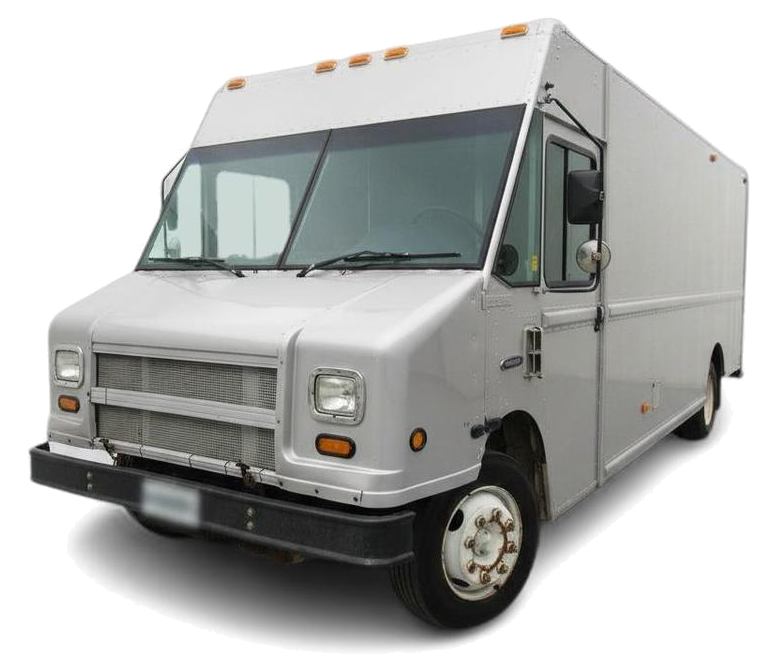
The 2004 Freightliner MT55 Chassis excels in rugged reliability and impressive hauling capacity, appealing to practical buyers. Its durable construction offers peace of mind for demanding tasks, while its customizable nature allows for specialized vocational builds, providing significant value and a sense of empowerment for business owners.
The Bad
Potential weaknesses for the 2004 Freightliner MT55 Chassis include potential for rust on the frame and body components, especially in corrosive environments. Older models may also experience wear and tear on suspension and braking systems due to their heavy-duty nature and extensive use.
2004 Freightliner MT55 Chassis: Quick Overview
The 2004 Freightliner MT55 Chassis, being a chassis cab designed for vocational upfitting, has specifications that can vary significantly based on the final body configuration and chosen engine. However, general specifications often include:
Engine Options:
- Detroit Diesel Series 60: A common choice for heavy-duty applications, known for its power and durability.
- Cummins ISB or ISC: Another robust diesel engine option, offering a balance of power and efficiency.
- Mercedes-Benz MBE 900/926: Found in some configurations, offering a more refined diesel experience.
Horsepower:
- Typically ranging from 170 hp to over 300 hp, depending on the specific engine and its tuning.
Fuel Economy:
- This is highly variable and dependent on the body style, load, driving conditions, and engine. Commercial chassis like the MT55 are not typically rated for MPG in the same way as passenger vehicles. Expect single-digit MPG, possibly in the 6-10 MPG range for heavily laden configurations.
0-60 Times:
- Not applicable or measurable for this type of commercial chassis. These vehicles are designed for work, not acceleration.
Towing Capacity:
- While not a primary focus for this chassis type, it is capable of towing significant loads when equipped with appropriate hitches and chassis modifications. The Gross Vehicle Weight Rating (GVWR) is the more relevant metric, typically ranging from 16,000 to 26,000 lbs or more, which dictates its payload and indirectly its towing potential.
Trim-Level Features:
- As a chassis, it lacks traditional 'trim levels' in the passenger car sense. Features are determined by the vocational body installed. However, the chassis itself would have been configured with:
- Various wheelbase lengths to accommodate different body sizes.
- Optional air brakes for enhanced stopping power.
- Heavy-duty suspension components for load-bearing.
- Choice of transmissions, often automatic for ease of operation in commercial settings.
- Basic driver amenities appropriate for commercial use.
2004 Freightliner MT55 Chassis Specifications
Vehicle Information
| Year | 2004 |
| Make | Freightliner |
| Model | MT55 Chassis |
| Trim | - |
| Style | - |
| Type | Truck |
| Category | Medium Truck |
Manufacturing Details
| Made In | United States |
| Manufacturing City | GAFFNEY |
Dimensions
| Doors | - |
| Curb Weight | - |
| Gross Vehicle Weight Rating | - |
| Overall Height | - |
| Overall Length | - |
| Overall Width | - |
| Wheelbase Length | - |
| Standard Seating | - |
Engine & Performance
| Engine | 5.9L I6 |
| Engine Size | 5.9L |
| Engine Cylinders | 6 |
| Transmission | - |
| Transmission Type | - |
| Transmission Speeds | - |
| Drivetrain | Rear-Wheel Drive |
Additional Features
| Anti-Brake System | - |
| Steering Type | - |
Pricing
| Manufacturer Suggested Retail Price (MSRP) | - |
| Invoice Price | - |
| Delivery Charges | - |
Vehicle History Report
Specifications
History
Events
History Check
Check
Check
Check
Check
Listings
Recalls
Check
Analysis
What Problems Does the 2004 Freightliner MT55 Chassis Have?
Another area that often requires attention is the electrical system. Over time, wiring harnesses can degrade, leading to intermittent electrical faults, issues with lights, sensors, or even starting problems. Battery connections and alternators are also common points of wear.
Brake systems, especially on air brake equipped models, require regular inspection and maintenance. Leaks in air lines, worn brake pads, and malfunctioning air compressors can compromise braking performance and safety. For models with hydraulic brakes, master cylinder leaks or caliper issues might arise.
The exhaust system is also susceptible to wear and corrosion, particularly in climates with road salt. Leaks, rusted hangers, or a failing muffler can lead to increased noise and potential exhaust fume intrusion into the cabin. Some owners have reported issues with suspension components, such as worn bushings or leaf springs, which can affect ride quality and handling, especially under heavy loads.
While specific recalls for the 2004 MT55 chassis model year are not extensively documented publicly as broadly as passenger vehicles, it is always prudent to check with Freightliner or a dealership for any outstanding recalls that may apply to the vehicle's specific configuration. Long-term reliability hinges heavily on consistent and thorough maintenance. Neglecting routine fluid changes, filter replacements, and inspections can significantly accelerate wear and lead to more costly repairs.
Model year-specific issues are less common for chassis cabs compared to fully manufactured vehicles, as many components are subject to the stresses of the vocational body and usage. However, any unit from this era should be inspected for general wear and tear associated with its age and service life.
How long will the 2004 Freightliner MT55 Chassis last?
What Technology & Safety Features are Included?
Driver-assistance features are virtually non-existent. There are no integrated navigation systems, lane departure warnings, adaptive cruise control, or blind-spot monitoring systems. The focus is on direct driver control and awareness. Similarly, advanced safety features beyond the essential are limited. Standard safety equipment would include seatbelts, basic interior lighting, and sturdy construction designed to withstand operational demands. Some units might have been equipped with optional auxiliary lighting or improved mirrors for better visibility.
The braking system is a key safety component; depending on the configuration, it could be hydraulic or air brakes, with air brakes offering superior stopping power for heavy loads. Visibility from the driver's seat is generally good due to the upright cab design and large windows, allowing the driver to survey their surroundings effectively.
Crash-test ratings, as typically seen for passenger vehicles from organizations like the NHTSA or IIHS, are not available for commercial chassis cabs like the MT55. These vehicles are designed and tested to meet different commercial safety standards, focusing on occupant protection within the cab during vocational use and the structural integrity required for carrying heavy payloads and performing commercial tasks. The primary safety considerations for this vehicle revolve around its robust build quality, the reliability of its mechanical systems (especially brakes and steering), and the driver's ability to operate it safely and responsibly.
What Colors Options are Available?
2004 Freightliner MT55 Chassis Prices and Market Value
2004 Freightliner MT55 Chassis Cost of Ownership
2004 Freightliner MT55 Chassis Fuel Efficiency
2004 Freightliner MT55 Chassis Warranty
Basic
Powertrain
Rust
2004 Freightliner MT55 Chassis Insurance
reasonable repair costs.
How Does the 2004 Freightliner MT55 Chassis Compare to Other Truck?
In terms of performance, the MT55, especially with its larger diesel engine options (like Detroit Diesel or Cummins), often offers more robust power and torque for heavy hauling and demanding vocational tasks compared to gasoline-powered Ford E-Series. Its heavy-duty frame and suspension are designed for superior load-bearing capacity.
Features are where the MT55 diverges most from its competitors, particularly light-duty cutaway vans. The MT55 is a true chassis designed for customization. While it lacks the creature comforts and tech of a modern van, its strength lies in its customizable wheelbase and chassis options, allowing for specialized bodies that competitors might struggle to accommodate efficiently. It's about functionality over luxury.
Regarding reliability, the MT55 has a strong reputation for durability and longevity, often outlasting lighter-duty competitors, provided it receives consistent maintenance. The solid build quality is a hallmark. However, older diesel engines and their associated systems can require more specialized and potentially costly maintenance.
In terms of price, when new, the MT55 was a significant investment. On the used market, it often holds its value well due to its robust construction, but this can also mean higher initial used purchase prices compared to some older gasoline vans.
Similar alternatives that offer comparable heavy-duty capability include other Freightliner chassis models or comparable chassis from manufacturers like International or Kenworth, although these might be in a heavier duty class. For those seeking more integrated solutions, a used box truck body on a similar chassis from another reputable manufacturer would be a direct competitor. If outright payload and ruggedness are paramount, exploring used models from these brands is advisable. If a balance of capability and slightly more modern amenities is desired, looking at newer model years of the MT55 or its successors would be beneficial, though at a higher cost.
Final Verdict: Is the 2004 Freightliner MT55 Chassis a Good Truck?
Buying this chassis is most advisable on the used market, as new models are not readily available. Thorough inspection, particularly of the frame for rust, the engine and transmission health, and the braking system, is crucial. It is best suited for buyers who have a clear understanding of their operational requirements and either possess mechanical knowledge or access to reliable, specialized commercial vehicle maintenance. For those seeking a no-frills, heavy-duty foundation for a business, the MT55 chassis offers excellent value and durability when acquired and maintained correctly.

Drew B
Drew is a seasoned automotive expert and contributor to VinCheck.info. With nearly 15 years of experience as a former Porsche technician, he brings a wealth of hands-on knowledge to his writing. Born in North Carolina, a region renowned for its deep-rooted NASCAR culture, Drew developed a passion for cars early in life, often building and working on vehicles from a young age. At VINCheck, Drew leverages his extensive technical background to provide in-depth analyses of various vehicles. His articles often focus on engine performance, reliability, and maintenance insights, offering readers practical information grounded in real-world experience. Some of his notable contributions include reviews on the Mazda CX-5's longevity and detailed examinations of engine options for models like the 2011 Toyota Camry and Tacoma