
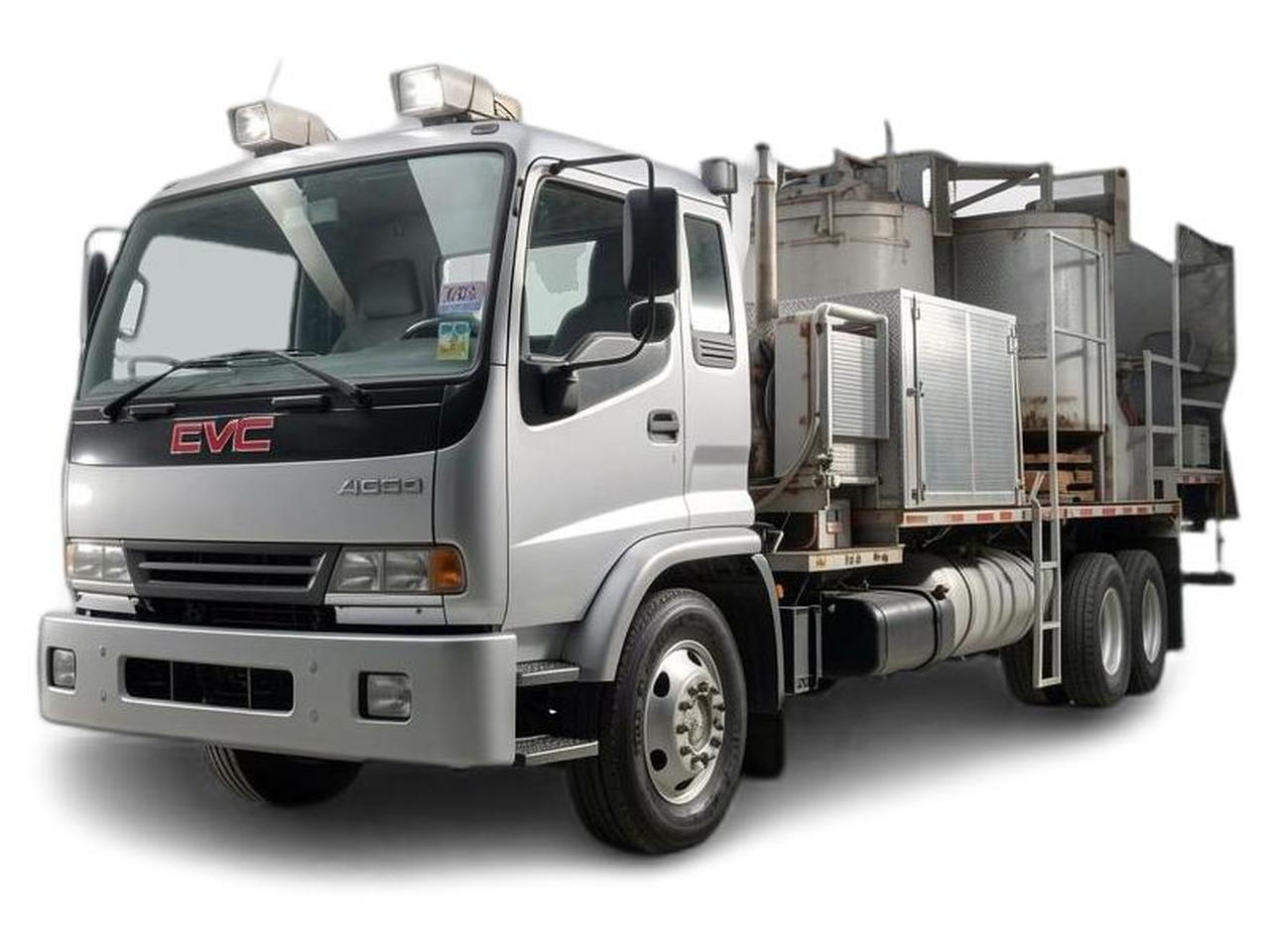
The Good
The 2000 GMC T-Series offers robust performance for commercial tasks, renowned reliability making it a dependable workhorse, and a surprisingly spacious cab for its class. Its functional design prioritizes utility, and despite its commercial focus, it presents excellent value for businesses seeking a durable and capable truck.
The Bad
When considering a 2000 GMC T-Series, watch out for potential rust issues, especially on the frame and body panels in regions with harsh weather. Electrical gremlins and wear on the powertrain components are also common concerns that require careful inspection.
2000 GMC T-Series: Quick Overview
- Engine Options: The 2000 GMC T-Series was typically offered with Isuzu-sourced diesel engines. Common options included:
- 3.0-liter 4-cylinder diesel
- 4.3-liter V6 gasoline (less common in T-Series, more in related models)
- 4.5-liter 4-cylinder diesel
- 5.2-liter 4-cylinder diesel
- Horsepower: Horsepower varied significantly based on the specific engine and tuning. Diesel engines typically ranged from approximately 100 to 150 horsepower, with the larger diesels offering more torque. Gasoline V6 engines might have produced around 160-180 horsepower.
- Fuel Economy: Specific EPA ratings for these commercial vehicles are not as readily available as for passenger cars. However, diesel variants were generally known for good fuel efficiency, often in the range of 15-20 MPG, depending on load and driving conditions. Gasoline engines would be less efficient.
- 0-60 Times: 0-60 mph times are not a primary metric for these commercial trucks and are rarely tested. Performance is more about torque and load-carrying capability than acceleration. Expect leisurely acceleration, especially when loaded.
- Towing Capacity: Towing capacity is highly dependent on the specific Gross Vehicle Weight Rating (GVWR) of the chassis and the configuration. These trucks are designed for medium-duty towing and hauling. GVWRs could range from 10,000 lbs to over 14,000 lbs, impacting trailer weight capabilities. Exact towing figures would need to be consulted based on the truck's specific VIN and configuration.
- Trim-Level Features: GMC T-Series trims were less about luxury features and more about functionality and chassis variations. Key distinctions often revolved around:
- Engine Choice: Diesel vs. Gasoline options.
- Wheelbase: Different lengths for varied cargo needs.
- GVWR: Higher ratings for heavier payloads.
- Cab Configuration: Standard cab was typical.
- Body Styles: Chassis cab was the most common, allowing for custom upfitting (e.g., box trucks, flatbeds, stake beds).
- Basic Amenities: Standard equipment usually included power steering, manual windows and locks, basic AM/FM radio, and vinyl seating. Air conditioning and power windows/locks were often optional.
- Brake Systems: Typically hydraulic disc brakes in the front and drums in the rear, with ABS as standard or optional depending on the year and GVWR.
- Engine Choice: Diesel vs. Gasoline options.
2000 GMC T-Series Specifications
Vehicle Information
| Year | 2000 |
| Make | GMC |
| Model | T-Series |
| Trim | - |
| Style | - |
| Type | - |
| Category | - |
Manufacturing Details
| Made In | - |
| Manufacturing City | - |
Dimensions
| Doors | - |
| Curb Weight | - |
| Gross Vehicle Weight Rating | - |
| Overall Height | - |
| Overall Length | - |
| Overall Width | - |
| Wheelbase Length | - |
| Standard Seating | - |
Engine & Performance
| Engine | - |
| Engine Size | - |
| Engine Cylinders | - |
| Transmission | - |
| Transmission Type | - |
| Transmission Speeds | - |
| Drivetrain | - |
Additional Features
| Anti-Brake System | - |
| Steering Type | - |
Pricing
| Manufacturer Suggested Retail Price (MSRP) | - |
| Invoice Price | - |
| Delivery Charges | - |
Vehicle History Report
Specifications
History
Events
History Check
Check
Check
Check
Check
Listings
Recalls
Check
Analysis
What Problems Does the 2000 GMC T-Series Have?
Rust and corrosion are significant long-term concerns, especially for trucks operating in areas with road salt or high humidity. The frame rails, cab corners, rocker panels, and wheel wells are particularly susceptible. Early detection and prevention through undercoating and regular washing can mitigate this, but extensive rust can compromise structural integrity.
Powertrain reliability is generally good, especially with the diesel engines, which are built for durability. However, like any vehicle with age and mileage, wear and tear on engine components can occur. Issues such as worn injectors, turbocharger problems (on turbocharged models), and head gasket leaks can arise, particularly if maintenance has been neglected. Transmission issues, while less common, can include clutch wear (on manual transmissions) or torque converter problems (on automatics).
Brake system components, including rotors, pads, and calipers, will require regular maintenance due to the heavy-duty nature of the vehicle and its typical use. Suspension components, such as ball joints and bushings, can also wear out over time due to load and mileage.
While specific recalls for the 2000 model year might be limited and vehicle-specific, it's always advisable to check the NHTSA website for any outstanding safety recalls associated with the VIN. For these types of commercial vehicles, long-term reliability heavily depends on the initial build quality, the specific application it was used for (e.g., daily heavy loads versus occasional use), and the rigor of its maintenance schedule. Trucks that have been meticulously maintained with regular oil changes, fluid checks, and timely repairs will generally outlast those that have not.
How long will the 2000 GMC T-Series last?
What Technology & Safety Features are Included?
Technology and Entertainment: Standard entertainment features were basic, typically limited to an AM/FM radio. Cassette players were common, with CD players appearing as optional upgrades in some configurations. Power windows and door locks were generally optional, and manual operation was the norm for many T-Series trucks. Air conditioning was also an optional feature, which could be crucial for driver comfort during long workdays.
Driver-Assistance Features: Driver-assistance features as we understand them today were virtually non-existent in the 2000 GMC T-Series. Features like cruise control might have been available on higher trims or as an option, but advanced systems like lane departure warning, blind-spot monitoring, or adaptive cruise control were not offered. The focus was on the core driving experience and the truck's ability to perform its intended work.
Safety Features: Safety in the 2000 T-Series was basic by modern standards. Standard safety equipment typically included seatbelts and a robust frame designed for durability. Anti-lock Braking System (ABS) was often standard on heavier duty models or available as an option. Airbags for the driver and front passenger were also standard safety equipment for this model year. The cab-over-engine design, while offering excellent maneuverability and visibility of the road directly ahead, presents a different safety profile in frontal impacts compared to conventional trucks.
Crash-Test Ratings: Specific crash-test ratings for commercial vehicles like the GMC T-Series from this period are not as readily available or standardized as they are for passenger cars and SUVs. Organizations like the NHTSA and IIHS primarily focus their rigorous testing on vehicles intended for personal transportation. Commercial vehicles undergo different regulatory oversight. The design philosophy emphasized structural integrity for load-bearing and driver protection in everyday operational scenarios rather than high-speed crash performance in standardized tests.
What Colors Options are Available?
2000 GMC T-Series Prices and Market Value
Today, the used market prices for a 2000 GMC T-Series are highly variable. Well-maintained examples with lower mileage and desirable diesel engines can fetch anywhere from $5,000 to $15,000+, depending heavily on condition and location. Older, higher-mileage, or poorly maintained units can be found for as little as $2,000-$4,000. Depreciation is steep initially for commercial vehicles, but by this age, most of the significant depreciation has already occurred. Factors affecting resale value include the condition of the chassis (rust is a major detractor), the operational status of the engine and transmission, the type of existing bodywork, and overall cleanliness and maintenance history.
2000 GMC T-Series Cost of Ownership
2000 GMC T-Series Fuel Efficiency
2000 GMC T-Series Insurance
reasonable repair costs.
How Does the 2000 GMC T-Series Compare to Other Vehicle?
Performance: In terms of raw performance for hauling and towing, the diesel-powered T-Series models generally offered strong torque for their size, comparable to or slightly better than the smaller diesel options in rivals like the Isuzu NPR. Gasoline variants in competitors might offer quicker acceleration but less low-end grunt. The cab-over design of the T-Series provides excellent maneuverability in tight urban environments, a significant advantage over conventional chassis trucks.
Features: Feature-wise, the 2000 T-Series was basic. Rivals of the era were similarly utilitarian. While some competitors might have offered slightly more refined interiors or more optional convenience features (like better audio systems or power accessories), the T-Series was on par for a work truck. Its core strength was its functional, no-frills cabin designed for durability.
Reliability: The Isuzu-derived diesel engines were a strong point for the T-Series, often considered more reliable and durable for heavy use than some gasoline counterparts in competitors. However, electrical gremlins and rust were common weaknesses across many vehicles in this class from the period. Competitors like the Ford Econoline Cutaway, while common, might have had different sets of common issues, often related to their own powertrains and body structures.
Price: On the used market, the 2000 GMC T-Series, due to its age and commercial nature, is generally very affordable. It often sits in a similar price bracket to comparable Isuzu NPRs or older Ford/Chevy cutaway vans.
Alternatives:
- Similar: Isuzu NPR (2000 model year): Essentially the same truck mechanically, often indistinguishable from the T-Series. If you find a well-maintained NPR, it's a direct equivalent.
- Alternative: Ford Econoline Cutaway (E-Series Van Chassis): Offers a more conventional body-on-frame design. Might be easier to find parts for in some areas, and can offer a wider range of engine options (including larger V8s), though often less fuel-efficient than the diesels.
- Alternative: Freightliner Sprinter (older models): If cargo space and fuel efficiency are paramount and budget allows for potentially higher repair costs, older Sprinters are a strong contender, especially with their diesel engines and higher capacity.
Final Verdict: Is the 2000 GMC T-Series a Good Vehicle?

Drew B
Drew is a seasoned automotive expert and contributor to VinCheck.info. With nearly 15 years of experience as a former Porsche technician, he brings a wealth of hands-on knowledge to his writing. Born in North Carolina, a region renowned for its deep-rooted NASCAR culture, Drew developed a passion for cars early in life, often building and working on vehicles from a young age. At VINCheck, Drew leverages his extensive technical background to provide in-depth analyses of various vehicles. His articles often focus on engine performance, reliability, and maintenance insights, offering readers practical information grounded in real-world experience. Some of his notable contributions include reviews on the Mazda CX-5's longevity and detailed examinations of engine options for models like the 2011 Toyota Camry and Tacoma