
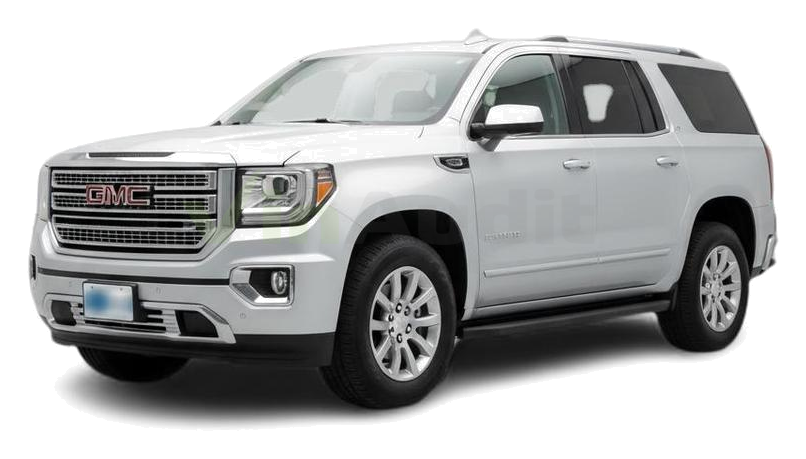
The 2002 GMC T-Series, often recognized as the Isuzu NPR rebadge, served as a popular choice in the light-duty commercial truck segment. Produced from the mid-1980s through the early 2000s, this versatile truck was available in various cab configurations including standard and crew cab. Key trims varied by application but generally focused on utility. Its popularity stemmed from its robust chassis, configurable nature for diverse upfits, and a reputation for solid workhorse performance. While specific pricing in 2002 varied significantly based on configuration and dealer, it was positioned as an accessible commercial vehicle.
The Good
The 2002 GMC T-Series offers robust performance for demanding tasks, commendable reliability for consistent operation, and a surprisingly comfortable cab for its class, appealing to both the practical need for a dependable work vehicle and the emotional desire for a tool that makes the job easier.
The Bad
Owners should be aware of potential rust issues, particularly in the frame and body panels, and the possibility of wear and tear on interior components due to its commercial nature. Transmission issues can also arise with high mileage.
2002 GMC T-Series: Quick Overview
- Engine Options: The 2002 GMC T-Series was primarily offered with a choice of Isuzu-sourced diesel engines. Common options included the 4.3L V6 gasoline engine and the 3.9L 4HK1-TC diesel engine, and a 5.2L 4HE1-TC diesel engine for heavier duty applications.
- Horsepower: Horsepower figures varied depending on the specific engine. The gasoline V6 typically produced around 190-200 horsepower, while the diesel engines ranged from approximately 125 horsepower for smaller displacements to around 175 horsepower for larger ones.
- Fuel Economy: Fuel economy is highly dependent on the specific engine, transmission, payload, and driving conditions. Diesel variants generally offered better fuel efficiency than gasoline counterparts, with highway mileage potentially in the 18-22 MPG range for some configurations.
- 0-60 Times: As a commercial vehicle designed for utility rather than speed, precise 0-60 mph times are not typically a primary metric. However, acceleration would be modest, likely in the 15-20 second range for gasoline models and potentially slower for heavily laden diesel versions.
- Towing Capacity: Towing capacity varied significantly based on the chassis, axle ratio, engine, and specific configuration. Light-duty T-Series trucks could tow upwards of 5,000-10,000 lbs, with heavier-duty variants capable of more. Specific Gross Combined Weight Ratings (GCWR) would be the determining factor.
- Trim-Level Features: Trims were less about luxury and more about functionality. Standard features typically included power steering, intermittent wipers, and basic AM/FM radio. Optional features could encompass air conditioning, power windows and locks (on higher-spec models), and upgraded audio systems. The key differentiator between 'trims' was often the specific chassis configuration, cab type (standard, extended, crew), and the intended upfit (e.g., box truck, flatbed, service body).
2002 GMC T-Series Specifications
Vehicle Information
| Year | 2002 |
| Make | GMC |
| Model | T-Series |
| Trim | - |
| Style | - |
| Type | Truck |
| Category | Heavy Truck |
Manufacturing Details
| Made In | United States |
| Manufacturing City | WENTZVILLE |
Dimensions
| Doors | - |
| Curb Weight | - |
| Gross Vehicle Weight Rating | 33000 pounds |
| Overall Height | - |
| Overall Length | - |
| Overall Width | - |
| Wheelbase Length | - |
| Standard Seating | - |
Engine & Performance
| Engine | LG5 |
| Engine Size | 7.2L |
| Engine Cylinders | 6 |
| Transmission | - |
| Transmission Type | - |
| Transmission Speeds | - |
| Drivetrain | Rear-Wheel Drive |
Additional Features
| Anti-Brake System | - |
| Steering Type | - |
Pricing
| Manufacturer Suggested Retail Price (MSRP) | - |
| Invoice Price | - |
| Delivery Charges | - |
Vehicle History Report
Vehicle
Specifications
Specifications
Ownership
History
History
All History
Events
Events
NMVTIS Title
History Check
History Check
Salvage/Rebuilt
Check
Check
Accident
Check
Check
Theft
Check
Check
Open Lien
Check
Check
Past Sale
Listings
Listings
Safety
Recalls
Recalls
Odometer
Check
Check
Market Price
Analysis
Analysis
What Problems Does the 2002 GMC T-Series Have?
The 2002 GMC T-Series, largely based on Isuzu NPR platforms, shares many common issues reported for these commercial vehicles. A prevalent concern often cited is the potential for rust, particularly affecting the frame rails, cab corners, and wheel wells. This is especially true for vehicles operating in areas with harsh winters or heavy road salt usage. The diesel engines, while generally robust, can experience issues related to fuel injectors, glow plugs, and exhaust gas recirculation (EGR) systems, particularly as they accumulate mileage. Some owners have reported problems with the transmission, including rough shifting or premature wear, especially if the vehicle has been used for heavy-duty towing or hauling without proper maintenance. Electrical gremlins are also not unheard of, with issues ranging from faulty sensor readings to intermittent power failures in accessories or dashboard lights. While specific recalls for the 2002 model year might be limited, it's always advisable to check for any outstanding safety recalls through the NHTSA database. Long-term reliability is generally considered good for these trucks if they have been diligently maintained. However, components like suspension bushings, brake pads, and exhaust systems will naturally wear out over time and require replacement. The cabin, while functional, can also show signs of wear and tear, with upholstery and dashboard materials potentially degrading under heavy use and sun exposure. For diesel variants, ensuring timely oil changes and fuel filter replacements is critical to prevent more significant and costly engine problems down the line.
How long will the 2002 GMC T-Series last?
Based on owner data and typical commercial usage, the 2002 GMC T-Series can achieve an average of 200,000 to 300,000 miles or more before major overhauls are typically required, provided consistent and proactive maintenance. With diligent care, including regular oil changes, filter replacements, and addressing minor issues promptly, these trucks can offer upwards of 15-20 years of service. Diesel variants, in particular, demonstrate strong long-term durability. Key weaknesses that can emerge over time and mileage include increased susceptibility to rust, particularly on the frame, and potential wear on transmission and engine components, especially if subjected to extreme conditions or neglect.
What Technology & Safety Features are Included?
The 2002 GMC T-Series, being a commercial vehicle from its era, prioritized functionality and durability over advanced technology and driver-assistance systems. Built-in tech was generally basic, focusing on essential functions. Standard entertainment typically consisted of an AM/FM radio, with optional upgrades to a CD player available on some trims. Air conditioning was often an optional feature, rather than standard. Driver-assistance features were virtually non-existent by modern standards. There were no advanced electronic stability controls, lane departure warnings, or adaptive cruise control systems. The focus was on the core driving experience and the truck's ability to perform its intended work.
Safety features were limited to the essentials for the time. Standard safety equipment would have included three-point seatbelts for the driver and front passenger, and front airbags. Anti-lock braking systems (ABS) were typically available as an option on many configurations, particularly for the front wheels, enhancing braking control during emergency stops.
Crash-test ratings for commercial trucks of this nature are not as readily available or standardized as they are for passenger vehicles. GMC, along with its Isuzu counterpart, would have met all federal motor vehicle safety standards applicable to commercial vehicles of its class for the 2002 model year. However, without specific NCAP or IIHS testing data for the T-Series, it's difficult to provide detailed crash-test performance metrics. The design emphasizes a sturdy chassis and frame, which inherently provides a degree of structural integrity. It's important to note that the vehicle's construction is geared towards load-carrying capacity and operational robustness rather than occupant-centric safety innovations common in today's light-duty trucks.
Safety features were limited to the essentials for the time. Standard safety equipment would have included three-point seatbelts for the driver and front passenger, and front airbags. Anti-lock braking systems (ABS) were typically available as an option on many configurations, particularly for the front wheels, enhancing braking control during emergency stops.
Crash-test ratings for commercial trucks of this nature are not as readily available or standardized as they are for passenger vehicles. GMC, along with its Isuzu counterpart, would have met all federal motor vehicle safety standards applicable to commercial vehicles of its class for the 2002 model year. However, without specific NCAP or IIHS testing data for the T-Series, it's difficult to provide detailed crash-test performance metrics. The design emphasizes a sturdy chassis and frame, which inherently provides a degree of structural integrity. It's important to note that the vehicle's construction is geared towards load-carrying capacity and operational robustness rather than occupant-centric safety innovations common in today's light-duty trucks.
What Colors Options are Available?
2002 GMC T-Series Prices and Market Value
When new in 2002, the GMC T-Series prices varied significantly based on the chassis, engine, cab configuration, and specific upfit, with base models likely starting in the $20,000-$30,000 range and fully equipped or specialized versions costing considerably more. Currently, the used market for a 2002 GMC T-Series sees prices typically ranging from $3,000 to $15,000, heavily influenced by mileage, condition, maintenance history, and the type of body installed. These trucks experience moderate depreciation, as their commercial nature means they are bought for work, not necessarily for long-term appreciation. Factors significantly affecting resale value include overall mechanical condition, the presence of significant rust, the functionality of the diesel engine (if applicable), and the utility of the existing body (e.g., a well-maintained utility bed or box versus a damaged one).
2002 GMC T-Series Cost of Ownership
Ownership costs for the 2002 GMC T-Series are generally moderate, leaning towards economical for its class. Insurance premiums can vary based on commercial use, driver history, and coverage types, but are typically reasonable for a truck of this age and purpose. Fuel costs depend heavily on the chosen engine; diesel variants offer better MPG, making them more economical for high-mileage use. Maintenance is straightforward with readily available parts for common issues, but specialized diesel components can be pricier. Repairs are generally manageable, but the cost of significant engine or transmission work can be substantial. Overall, with careful maintenance and responsible use, the T-Series can be an economical choice for businesses or individuals needing a reliable workhorse.
2002 GMC T-Series Fuel Efficiency
Fuel Type
Diesel
Fuel Capacity
-
City Mileage
-
Highway Mileage
-
2002 GMC T-Series Insurance
Insurance for a 2002 GMC T-Series is moderately priced, reflecting its status as a Truck with strong safety ratings and
reasonable repair costs.
How Does the 2002 GMC T-Series Compare to Other Truck?
The 2002 GMC T-Series competed in the light-duty commercial truck segment, primarily against rivals like the Isuzu NPR (its direct counterpart), Mitsubishi Fuso FE, Hino 145, and the Ford Econoline Cutaway chassis.
Performance: In terms of raw performance, the T-Series, often powered by Isuzu diesel engines, offered dependable, albeit not exceptionally quick, power suited for hauling and delivery tasks. Rivals like the Mitsubishi Fuso FE and Hino 145 also provided robust diesel powertrains with comparable performance envelopes. The Ford Econoline Cutaway, often equipped with a V8 gasoline engine, offered slightly punchier acceleration but generally lower fuel efficiency.
Features: Feature-wise, the T-Series was basic, focusing on utility. Rivals were similarly equipped, with options for air conditioning, power accessories, and basic audio systems being the extent of most 'comfort' features. None of these vehicles were laden with advanced technology or driver aids.
Reliability: The T-Series, being a rebadged Isuzu, generally enjoyed a good reputation for reliability, especially its diesel engines, when properly maintained. Isuzu and Hino are well-regarded for their durable powertrains. Mitsubishi Fuso also holds a solid reputation. The Ford Econoline, while generally reliable, sometimes faced more reported issues with its gasoline engines and transmissions compared to the diesel-focused Japanese counterparts.
Price: When new, pricing was competitive across all these brands. In the used market, the T-Series often presents a strong value proposition. Its price point is usually competitive with other Japanese-brand cutaway chassis and commercial trucks of the same vintage.
Alternatives:
Performance: In terms of raw performance, the T-Series, often powered by Isuzu diesel engines, offered dependable, albeit not exceptionally quick, power suited for hauling and delivery tasks. Rivals like the Mitsubishi Fuso FE and Hino 145 also provided robust diesel powertrains with comparable performance envelopes. The Ford Econoline Cutaway, often equipped with a V8 gasoline engine, offered slightly punchier acceleration but generally lower fuel efficiency.
Features: Feature-wise, the T-Series was basic, focusing on utility. Rivals were similarly equipped, with options for air conditioning, power accessories, and basic audio systems being the extent of most 'comfort' features. None of these vehicles were laden with advanced technology or driver aids.
Reliability: The T-Series, being a rebadged Isuzu, generally enjoyed a good reputation for reliability, especially its diesel engines, when properly maintained. Isuzu and Hino are well-regarded for their durable powertrains. Mitsubishi Fuso also holds a solid reputation. The Ford Econoline, while generally reliable, sometimes faced more reported issues with its gasoline engines and transmissions compared to the diesel-focused Japanese counterparts.
Price: When new, pricing was competitive across all these brands. In the used market, the T-Series often presents a strong value proposition. Its price point is usually competitive with other Japanese-brand cutaway chassis and commercial trucks of the same vintage.
Alternatives:
- Similar: The most direct alternative is the Isuzu NPR itself, offering essentially the same vehicle. The Mitsubishi Fuso FE and Hino 145 are excellent alternatives offering similar durability and powertrain options.
- Potentially Better: For those prioritizing a slightly more refined interior or potentially wider dealer network in some regions, though often with higher used prices, a well-maintained early 2000s Ford E-Series Cutaway could be considered, especially if gasoline power is preferred. However, for pure workhorse reliability and fuel efficiency, sticking with the Isuzu-derived T-Series or its direct Japanese competitors is often the safer bet.
Final Verdict: Is the 2002 GMC T-Series a Good Truck?
The 2002 GMC T-Series is ideal for small businesses, tradespeople, or individuals needing a dependable and versatile platform for various vocational upfits like box trucks, flatbeds, or service vehicles. It's worth buying for those prioritizing robust, no-frills functionality and a proven powertrain, especially if they can find one in good mechanical condition with minimal rust.
Given its age, purchasing this vehicle exclusively in the used market is the only option. Buyers should strongly consider models equipped with the Isuzu diesel engines for better longevity and fuel economy. Thorough pre-purchase inspections, focusing on frame condition and powertrain health, are crucial. Specific trims with desirable upfits (e.g., a clean utility body) will hold better value. It is a sensible purchase for budget-conscious buyers needing a work truck that emphasizes reliability over modern amenities.
