
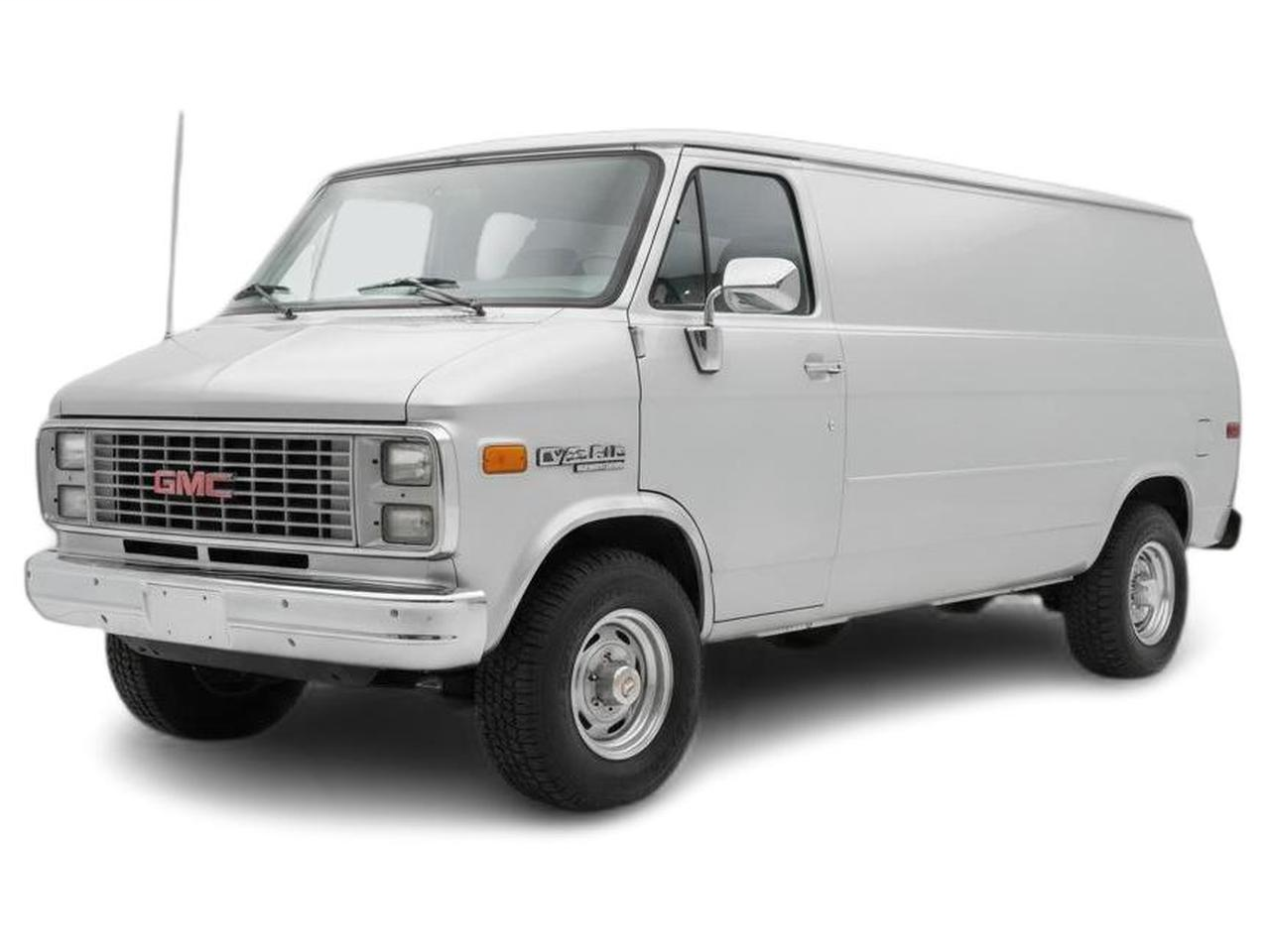
The Good
The 1991 GMC Vandura offers unparalleled cargo and passenger space, making it incredibly practical. Its V8 engine options provide ample power for hauling and towing. Owners often praise its straightforward mechanicals, contributing to good long-term reliability and ease of maintenance, appealing to both the budget-conscious and those seeking a dependable workhorse or adventure vehicle.
The Bad
Potential buyers of a 1991 GMC Vandura should be aware of common rust issues, particularly around wheel wells, rocker panels, and the undercarriage. Aging fuel pumps, aging suspension components, and electrical gremlins can also be problematic. Inspect thoroughly for signs of wear and tear, especially on higher-mileage examples.
1991 GMC Vandura: Quick Overview
- Engine Options: The 1991 GMC Vandura was typically offered with a range of V8 engines. Common options included:
- 4.3L V6 (often referred to as the 4.3L Vortec in later iterations, though still present in '91)
- 5.0L V8
- 5.7L V8
- 7.4L V8 (for heavy-duty applications)
- Horsepower: Horsepower varied significantly by engine. The 4.3L V6 typically produced around 160-180 horsepower, while the V8s could range from 190 horsepower for the 5.0L up to over 230 horsepower for the larger 7.4L.
- Fuel Economy: Fuel economy was not a strong suit for these large vans. Expect mileage in the range of 10-15 MPG combined, depending heavily on engine size, driving conditions, and vehicle load.
- 0-60 Times: Specific 0-60 mph times are not readily available and highly variable due to different engine configurations and vehicle weights. However, with V8 power, expect acceleration to be adequate for its intended purpose, likely in the 10-14 second range for lighter configurations.
- Towing Capacity: Towing capacity was a significant advantage, especially for models equipped with the larger V8 engines and proper towing packages. Depending on the configuration, towing capacities could range from approximately 5,000 lbs to over 10,000 lbs for heavy-duty models.
- Trim-Level Features: Trim levels like the base model, SL, and SLE offered varying degrees of comfort and features.
- Base Model: Focused on utility, typically with vinyl seats, minimal interior trim, and basic amenities.
- SL: Offered more creature comforts, potentially including upgraded upholstery, carpeting, power windows and locks (often optional), and improved sound insulation.
- SLE: The top-tier trim, featuring the most amenities such as captain's chairs, enhanced audio systems, interior lighting upgrades, and potentially even air conditioning as standard. Passenger versions often came with multiple rows of seating and various configurations.
1991 GMC Vandura Specifications
Vehicle Information
| Year | 1991 |
| Make | GMC |
| Model | Vandura |
| Trim | - |
| Style | 4-Speed |
| Type | Van |
| Category | Cargo Van |
Manufacturing Details
| Made In | Canada |
| Manufacturing City | SCARBOROUGH |
Dimensions
| Doors | 3-Door |
| Curb Weight | 3792 pounds |
| Gross Vehicle Weight Rating | 6000 pounds |
| Overall Height | 80.00 inches |
| Overall Length | 178.20 inches |
| Overall Width | 79.50 inches |
| Wheelbase Length | 110.00 inches |
| Standard Seating | 1 |
Engine & Performance
| Engine | 4.3L V6 |
| Engine Size | 4.3L |
| Engine Cylinders | 6 |
| Transmission | 4-Speed Automatic |
| Transmission Type | Automatic |
| Transmission Speeds | 4-Speed |
| Drivetrain | Rear-Wheel Drive |
Additional Features
| Anti-Brake System | Non-ABS 2-Wheel ABS |
| Steering Type | Recirculating |
Pricing
| Manufacturer Suggested Retail Price (MSRP) | $13,694 |
| Invoice Price | - |
| Delivery Charges | - |
Vehicle History Report
Specifications
History
Events
History Check
Check
Check
Check
Check
Listings
Recalls
Check
Analysis
What Problems Does the 1991 GMC Vandura Have?
Another common area of concern relates to the **fuel system**. Fuel pumps are known to fail over time, leading to no-start conditions or intermittent stalling. Fuel injectors can also become clogged, affecting performance and fuel economy. The **cooling system** can also be a source of trouble, with radiators developing leaks and water pumps succumbing to wear and tear, potentially leading to overheating issues.
On the mechanical front, the **transmission**, particularly the automatic transmissions, can exhibit signs of wear. Slipping gears, delayed shifting, or failure to engage can indicate a need for rebuilding or replacement. The **suspension** components, such as ball joints, tie rod ends, and bushings, are also subject to wear with age and mileage, leading to clunking noises, poor handling, and uneven tire wear.
While specific major recalls for the 1991 model year are not as extensively documented as some other vehicles, it's always prudent to check for any outstanding safety recalls with GMC or the National Highway Traffic Safety Administration (NHTSA) using the vehicle's VIN.
Long-term reliability can be a mixed bag. If well-maintained with regular fluid changes, lubrication, and prompt attention to minor issues, these vans can be quite durable. However, neglected maintenance will exacerbate the aforementioned problems. The **electrical system** can also present gremlins, with issues like failing alternators, starter motors, and dashboard warning lights becoming problematic over time. Given their age, it's not uncommon to find worn out interior components, such as upholstery, headliners, and plastic trim pieces. The engines themselves, especially the V8s, are generally robust if properly cared for, but accessory components like smog pumps and exhaust systems will eventually require attention.
How long will the 1991 GMC Vandura last?
What Technology & Safety Features are Included?
Built-in Tech and Entertainment: The core tech revolved around basic functionality. Standard entertainment usually consisted of an AM/FM radio, often with an optional cassette player. Higher trims, like the SLE, might have offered a more premium sound system with additional speakers. Climate control was typically manual, with basic fan speed and temperature adjustments. Features like cruise control were common but might have been optional on lower trims. Power windows and power door locks were increasingly available, especially on passenger models and higher trim levels, but were not always standard.
Driver-Assistance Features: Driver-assistance technologies as we know them today were virtually non-existent in the 1991 Vandura. There were no systems like adaptive cruise control, lane departure warnings, or automatic emergency braking. The primary focus was on providing a stable and predictable driving experience for a large vehicle. Antilock Braking System (ABS) was often an optional feature, particularly on rear-wheel-drive models, offering improved braking control in emergency situations.
Safety Features: Standard safety equipment included seat belts for all occupants and basic passive safety through the vehicle's strong steel frame. Crumple zones were rudimentary compared to modern standards. Airbags were not standard equipment in 1991; they began to be introduced in passenger vehicles more widely in the early to mid-1990s. Some higher-end trims or specific options might have included features like rear-seat heating elements for passenger comfort and safety in colder climates.
Crash-Test Ratings: Specific crash-test ratings from organizations like the NHTSA or IIHS for the 1991 GMC Vandura are not readily available or comparable to modern testing protocols. Vans of this era generally performed less favorably in frontal and side-impact tests compared to contemporary cars and SUVs due to their size, weight distribution, and less sophisticated structural engineering. The focus was more on occupant protection through sheer mass and a robust chassis. The primary safety considerations for owners of this vehicle would be proper maintenance of brakes and steering, and vigilant driving.
What Colors Options are Available?
1991 GMC Vandura Prices and Market Value
Today, the used market prices for a 1991 GMC Vandura are generally quite affordable, typically ranging from $2,000 to $7,000 for most examples. Pristine, low-mileage, or uniquely converted models (like professional camper conversions) can fetch higher prices, sometimes upwards of $10,000 or more.
Depreciation was steep in the initial years, as is typical for most vehicles. However, by this age, the Vandura has reached a point where its value is largely dictated by condition, mileage, and its utilitarian or nostalgic appeal rather than standard automotive depreciation curves. Factors affecting resale value include the presence of rust, mechanical condition, interior wear, and whether it has been maintained or modified. Models that have been kept in good mechanical and cosmetic shape, especially those with desirable features like good seating arrangements or a clean cargo area, will command a better price.
1991 GMC Vandura Cost of Ownership
1991 GMC Vandura Fuel Efficiency
1991 GMC Vandura Safety Rating
NHTSA
IIHS
1991 GMC Vandura Warranty
Basic
Powertrain
Rust
1991 GMC Vandura Insurance
reasonable repair costs.
How Does the 1991 GMC Vandura Compare to Other Van?
Performance: In terms of raw power and towing capability, the Vandura, especially with its larger V8 options (5.7L and 7.4L), was competitive. The Ford Econoline also offered robust V8 engines that provided comparable, and in some cases superior, towing and hauling performance. Feature-wise, the Vandura offered a range of trims, from basic work vans to more comfortable passenger versions, similar to the Econoline. Both were designed for utility, not outright speed. The Vandura's handling was truck-like, characteristic of its era and class, and not significantly different from its rivals.
Features: Creature comforts and technology were basic across all these vans in 1991. Power windows, locks, and upgraded audio systems were often optional and varied by trim. The Vandura's interior layout, especially in passenger configurations, was functional and focused on space. The Ford Econoline also provided similar levels of optional amenities. Neither brand offered particularly groundbreaking technology compared to cars of the time.
Reliability: Reliability was a mixed bag for all full-size vans of this generation. GMC and Chevrolet vans were generally considered mechanically robust, particularly their V8 powertrains. However, they were also prone to rust, especially in harsher climates. The Ford Econoline also had durable powertrains but shared the same susceptibility to rust. Long-term reliability for all these vans heavily depended on maintenance history.
Price: When new, prices were competitive within the segment. On the used market today, the 1991 Vandura is typically very affordable, often falling into the $2,000-$7,000 range. The Ford Econoline of the same vintage often commands similar prices, depending heavily on condition.
Alternatives:
* 1991 Chevrolet Van: Virtually identical to the Vandura, offering the same mechanicals and often differing only in minor trim or badging. A direct and equally viable alternative.
* 1991 Ford Econoline E-Series: A very strong competitor offering comparable powertrains and utility. Some might prefer its styling or specific feature packages.
* Dodge Ram Van: Another contender in the full-size van market, though often perceived as slightly less refined than GM or Ford offerings of the era.
For buyers prioritizing classic van appeal and customization potential, the 1991 Vandura remains a solid choice. However, if seeking more modern features or potentially better long-term structural integrity (less rust concern), a slightly newer used van from the late 1990s or early 2000s might be a better investment, albeit at a higher price point.
Final Verdict: Is the 1991 GMC Vandura a Good Van?
It is most advisable to buy a 1991 Vandura that has been well-maintained, with thorough inspection for rust being paramount. Lower mileage examples are preferable, but even higher mileage vans can be good buys if their mechanicals are sound. Opting for a model with the larger V8 engines will provide better towing and hauling performance. Passenger versions offer more comfort for families, while cargo versions are best for pure utility. It represents good value for money if acquired at a reasonable price and expectations are set regarding its vintage nature and potential for ongoing maintenance.

Cathleen V
Cathleen is an exceptional freelance writer covering hot topics in the automotive world from a gearhead's perspective. Her articles delve into various aspects of automotive technology and history, offering readers detailed insights into engine performance, reliability, and maintenance. Through her engaging and informative writing, Cathleen provides valuable information to automotive enthusiasts and consumers alike, helping them make informed decisions about vehicle maintenance and purchases.