
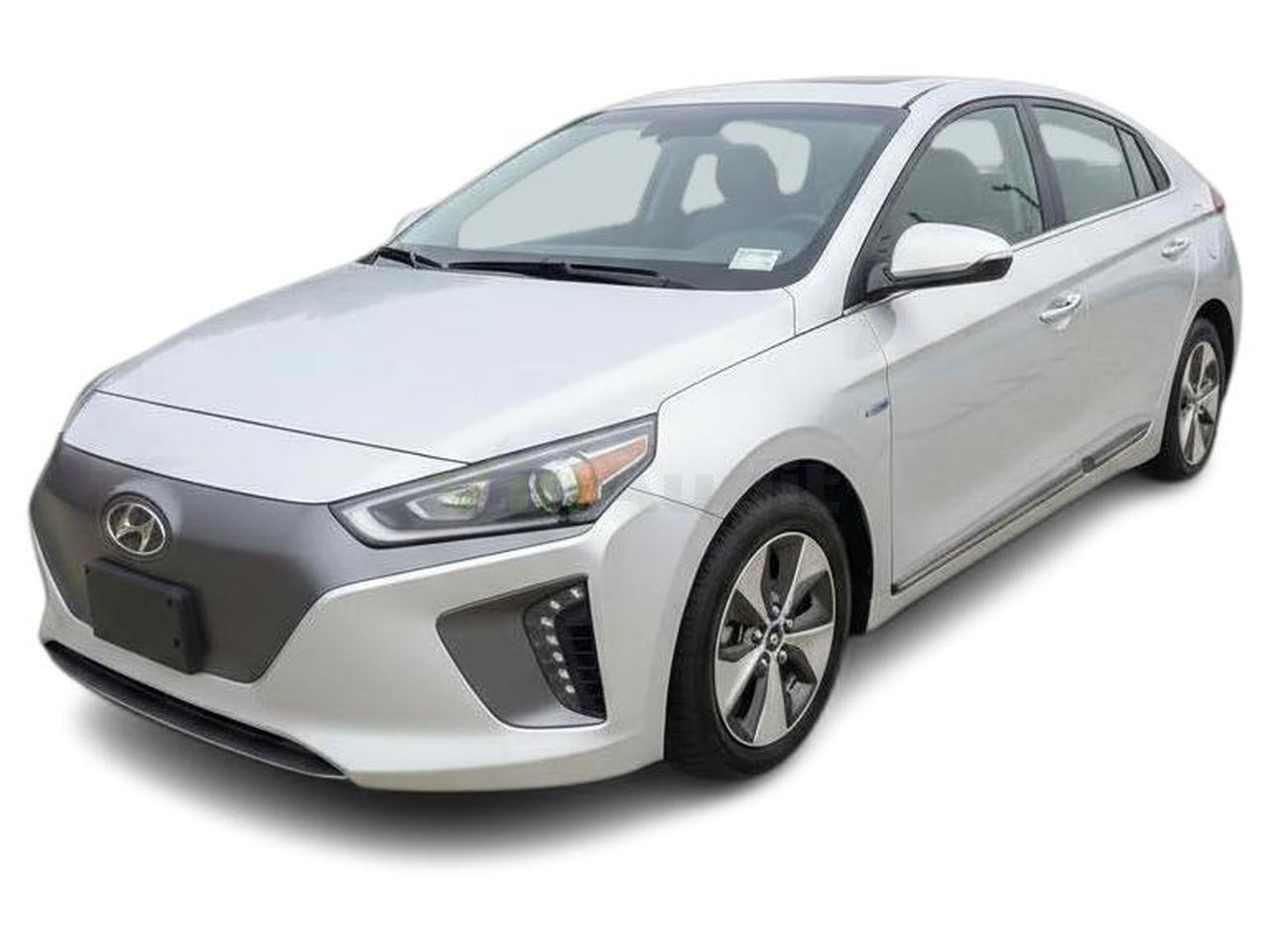
The Good
The 2019 Ioniq Electric shines with its incredible efficiency, offering substantial savings on running costs. Its smooth, quiet ride and comfortable interior cater to practical needs, while its unassuming yet modern design appeals to those seeking a sensible and stylish electric vehicle. Reliability is a strong suit for Hyundai, making it a trustworthy choice for daily commuting.
The Bad
Potential buyers should be aware of the 2019 Ioniq Electric's limited range compared to newer EVs, which might be a concern for longer trips. Its acceleration is adequate but not thrilling, and the infotainment system, while functional, is not as cutting-edge as some competitors. Charging times can also be longer than some rivals.
2019 Hyundai Ioniq Electric: Quick Overview
- Engine Options: The 2019 Hyundai Ioniq Electric features a single electric motor.
- Horsepower: 118 horsepower (88 kW)
- Torque: 218 lb-ft (295 Nm)
- Battery: 28 kWh lithium-ion polymer battery pack.
- Fuel Economy (MPGe): EPA estimated 150 city / 122 highway / 136 combined MPGe.
- Electric Range: EPA estimated 124 miles on a full charge.
- 0-60 Times: Approximately 9.0-9.4 seconds.
- Towing Capacity: Not applicable for this vehicle.
- Transmission: Single-speed automatic transmission.
- Drivetrain: Front-wheel drive.
- Trim-Level Features:
- Blue (Base Trim): Features include automatic climate control, keyless entry with push-button start, 7-inch touchscreen infotainment system with Apple CarPlay and Android Auto, rearview camera, LED daytime running lights, 16-inch alloy wheels, heated side mirrors, and selectable drive modes (Eco, Normal, Sport).
- SEL (Higher Trim): Adds to the Blue trim with features like blind-spot monitoring, rear cross-traffic alert, lane change assist, LED headlights, a power-adjustable driver's seat, an auto-dimming rearview mirror, and premium interior trim.
- Charging: Supports Level 1 (120V), Level 2 (240V) charging, and DC fast charging capabilities, allowing for an 80% charge in about 30 minutes with a compatible charger.
- Suspension: Independent front suspension with MacPherson struts, and a multi-link rear suspension.
- Brakes: Four-wheel disc brakes with regenerative braking system.
2019 Hyundai Ioniq Electric Specifications
Vehicle Information
| Year | 2019 |
| Make | Hyundai |
| Model | Ioniq Electric |
| Trim | - |
| Style | - |
| Type | Sedan |
| Category | Compact Car |
Manufacturing Details
| Made In | South Korea |
| Manufacturing City | ULSAN |
Dimensions
| Doors | 4-Door |
| Curb Weight | - |
| Gross Vehicle Weight Rating | - |
| Overall Height | 57.10 inches |
| Overall Length | 176.00 inches |
| Overall Width | 71.70 inches |
| Wheelbase Length | 106.30 inches |
| Standard Seating | 5 |
Engine & Performance
| Engine | ELECTRIC |
| Engine Size | - |
| Engine Cylinders | - |
| Transmission | 6-Speed Automatic |
| Transmission Type | Automatic |
| Transmission Speeds | 6-Speed |
| Drivetrain | Front-Wheel Drive |
Additional Features
| Anti-Brake System | 4-Wheel ABS |
| Steering Type | Rack & Pinion |
Pricing
| Manufacturer Suggested Retail Price (MSRP) | $29,815 |
| Invoice Price | $28,739 |
| Delivery Charges | - |
Vehicle History Report
Specifications
History
Events
History Check
Check
Check
Check
Check
Listings
Recalls
Check
Analysis
What Problems Does the 2019 Hyundai Ioniq Electric Have?
Another area that sometimes surfaces is related to the regenerative braking system, with a few owners experiencing premature wear or noise from the brake pads. This is not necessarily a widespread defect but something to inspect. Recalls for the 2019 Ioniq Electric have been relatively minor and not indicative of systemic problems. For instance, there was a recall concerning a potential issue with the 12-volt battery, which could lead to stalling. Another recall addressed a potential defect in the anti-lock braking system (ABS) module. It's always recommended to check the NHTSA website for the most up-to-date recall information for a specific vehicle. Long-term reliability is generally expected to be good, especially if the vehicle adheres to its recommended maintenance schedule, including regular checks of the battery cooling system and electric powertrain components. Hyundai's battery warranty also provides peace of mind, typically covering the battery pack for 10 years or 100,000 miles, whichever comes first, for the original owner.
How long will the 2019 Hyundai Ioniq Electric last?
What Technology & Safety Features are Included?
Standard tech also includes Bluetooth connectivity for hands-free calling and audio streaming, a rearview camera for easy parking, and automatic climate control. The SEL trim enhances the experience with features like an auto-dimming rearview mirror and a power-adjustable driver's seat.
Driver-assistance features on the SEL trim include blind-spot monitoring, which helps detect vehicles in your blind spots, and rear cross-traffic alert, which warns you of approaching vehicles when backing out of a parking space. Lane change assist is also part of the package. While not all advanced driver-assistance systems (ADAS) were standard on all trims, the available features contribute significantly to safety and driver confidence.
In terms of safety, the 2019 Ioniq Electric generally performs well in crash tests. The National Highway Traffic Safety Administration (NHTSA) awarded it an overall 5-star safety rating. The Insurance Institute for Highway Safety (IIHS) also gave it good ratings in its crashworthiness tests, including front, side, and roof strength categories. These ratings highlight its robust structure and effective safety systems, providing peace of mind for occupants. Optional features were generally bundled into trim levels rather than standalone add-ons, meaning higher trims offer a more comprehensive suite of technology and safety amenities.
What Colors Options are Available?
2019 Hyundai Ioniq Electric Prices and Market Value
2019 Hyundai Ioniq Electric Cost of Ownership
2019 Hyundai Ioniq Electric Fuel Efficiency
2019 Hyundai Ioniq Electric Safety Rating
NHTSA
2019 Hyundai Ioniq Electric Recalls & Defects
Electrical System:propulsion System:charging:module:onboard (Obcm)
Electrical System:software
2019 Hyundai Ioniq Electric Warranty
Basic
Powertrain
Rust
2019 Hyundai Ioniq Electric Insurance
reasonable repair costs.
How Does the 2019 Hyundai Ioniq Electric Compare to Other Sedan?
Performance: The Ioniq Electric's 118 hp and 124-mile range were competitive with the base Nissan Leaf (which offered similar range and power for 2019) but lagged behind the Chevrolet Bolt EV, which boasted a more potent 200 hp motor and a significantly longer range of around 238 miles. The Ioniq Electric's acceleration is smooth but not rapid, whereas the Bolt EV offered more sprightly performance.
Features: In terms of features, the Ioniq Electric was well-equipped for its price, offering standard Apple CarPlay and Android Auto, which was a significant advantage. The SEL trim added useful driver aids. The Nissan Leaf also offered similar tech, while the Bolt EV provided a slightly more advanced infotainment system and more available advanced safety features.
Reliability: Hyundai has a strong reputation for reliability, and the Ioniq Electric generally lives up to this. The Nissan Leaf has had some battery degradation concerns reported over its model years, though 2019 models were generally improved. The Chevrolet Bolt EV experienced some significant battery fire recalls, which may give some buyers pause, although many were addressed.
Price: The Ioniq Electric typically offered a strong value proposition, often being priced slightly lower than comparable Leaf models and significantly less than the Bolt EV when new. On the used market, it continues to represent an affordable entry into EV ownership.
Recommendations:
* If range is paramount: The Chevrolet Bolt EV (2019 or later) is a superior alternative due to its much longer range and stronger performance, though it comes at a higher cost and with past recall concerns.
* For similar value and efficiency: The Nissan Leaf (2019 model) is a very similar alternative, offering comparable range and features, often at a similar price point.
* If budget is the primary driver: The 2019 Hyundai Ioniq Electric remains an excellent choice for those prioritizing efficiency, reliability, and affordability over maximum range or thrilling acceleration.
Final Verdict: Is the 2019 Hyundai Ioniq Electric a Good Sedan?
This vehicle is best purchased used, as its value proposition shines brightest when bought at a reduced price. Buyers should look for well-maintained examples, ideally in the SEL trim for added safety features. Those needing to frequently travel long distances or frequently charge on the go might find its 124-mile range limiting and would be better served by vehicles with greater electric range.

Drew B
Drew is a seasoned automotive expert and contributor to VinCheck.info. With nearly 15 years of experience as a former Porsche technician, he brings a wealth of hands-on knowledge to his writing. Born in North Carolina, a region renowned for its deep-rooted NASCAR culture, Drew developed a passion for cars early in life, often building and working on vehicles from a young age. At VINCheck, Drew leverages his extensive technical background to provide in-depth analyses of various vehicles. His articles often focus on engine performance, reliability, and maintenance insights, offering readers practical information grounded in real-world experience. Some of his notable contributions include reviews on the Mazda CX-5's longevity and detailed examinations of engine options for models like the 2011 Toyota Camry and Tacoma