
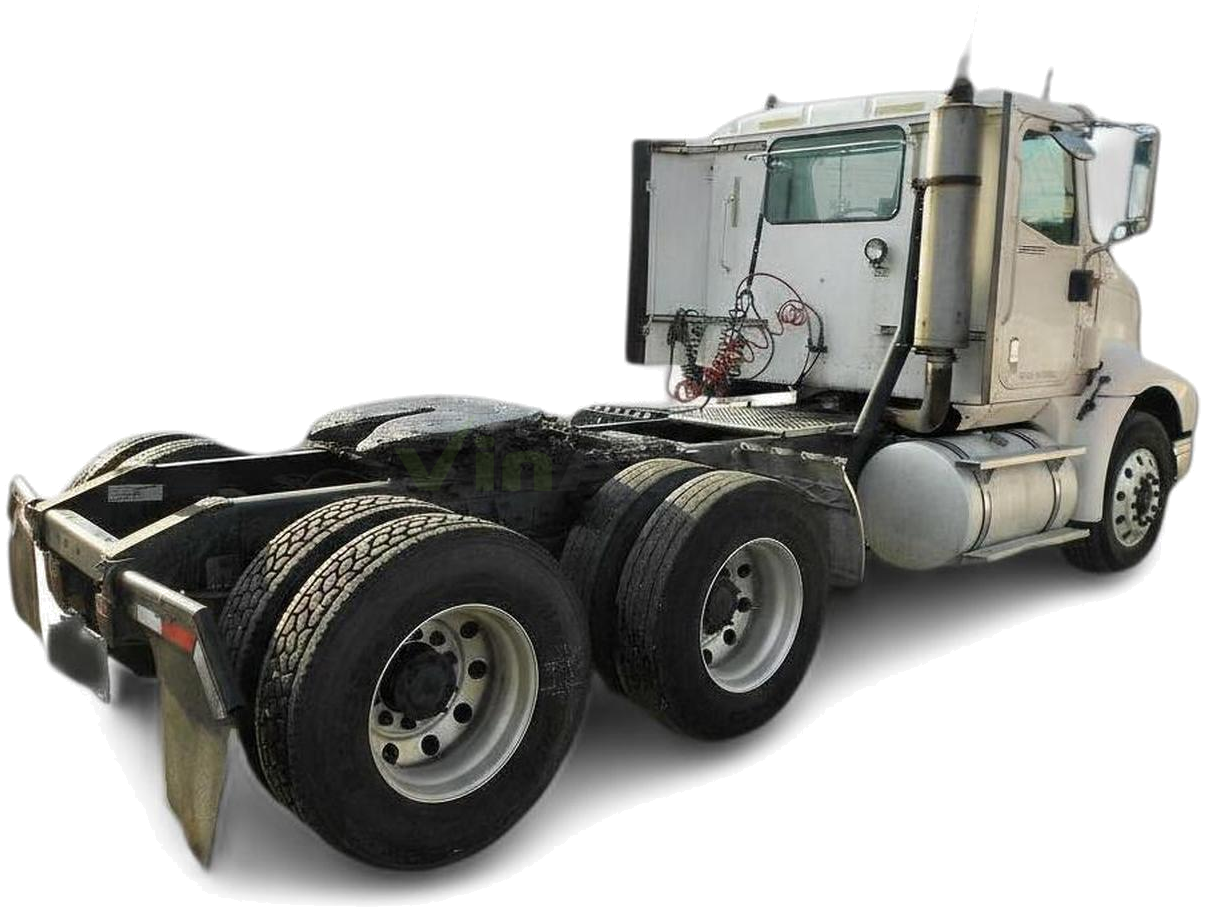
The 2006 International 9200i is a Class 8 heavy-duty truck known for its robust construction and driver-focused design, produced by Navistar International. As part of the 9000 series, it offered various configurations suitable for long-haul trucking and specialized vocational applications. While specific trims varied, common designations often related to engine choices or axle configurations. Its popularity stems from a blend of powerful performance, comfortable interiors for extended periods, and a distinctive, albeit traditional, cab design. Pricing for used models can range significantly based on condition and specifications, typically from $20,000 to $50,000.
The Good
The 2006 International 9200i excels in raw performance and proven reliability, offering a dependable workhorse for demanding tasks. Its spacious and comfortable cab appeals to drivers enduring long hauls, while its solid construction provides a sense of security and enduring value for practical buyers.
The Bad
Potential buyers of the 2006 International 9200i should be aware of possible issues with the exhaust system, particularly DPF regeneration problems in certain engine configurations. Older electrical components and wear on suspension parts are also points to scrutinize during inspection.
2006 International 9200i: Quick Overview
- Engine Options: The 2006 International 9200i typically featured a range of powerful diesel engines. Prominent among these were Cummins ISX and ISM series engines, as well as International's own VT 365 and DT 570. These engines were designed for heavy-duty applications, providing substantial torque and longevity.
- Horsepower: Horsepower ratings varied significantly depending on the specific engine model and configuration. For the Cummins engines, power outputs could range from approximately 350 horsepower up to over 500 horsepower. International's engines also offered a broad spectrum, generally falling within a similar range to suit diverse operational needs.
- Fuel Economy: Fuel economy for a Class 8 truck like the 2006 International 9200i is highly dependent on factors such as engine choice, transmission, axle ratios, payload, driving conditions, and maintenance. Typically, these trucks would achieve between 5 to 8 miles per gallon (MPG).
- 0-60 Times: 0-60 mph times are not a standard or relevant metric for heavy-duty trucks designed for commercial hauling. Their acceleration is geared towards load capacity rather than rapid speed attainment, and it would be considerably longer than passenger vehicles.
- Towing Capacity: As a Class 8 truck, the 9200i is designed for heavy towing. Its towing capacity is substantial, capable of hauling trailers with Gross Combination Weight Ratings (GCWR) often exceeding 80,000 pounds, and in many configurations, well over 100,000 pounds, depending on the specific setup and chassis.
- Trim-Level Features: While not typically classified into traditional passenger car trims, the 9200i offered various configurations and optional packages. These could include different cab lengths (e.g., conventional, day cab, extended or sleeper cabs), aerodynamic enhancements, advanced braking systems, comfort features for the driver's cabin (like air-ride suspension, upgraded seating, climate control), and various axle and drivetrain options tailored for specific vocational or long-haul duties.
2006 International 9200i Specifications
Vehicle Information
| Year | 2006 |
| Make | International |
| Model | 9200i |
| Trim | - |
| Style | - |
| Type | Truck |
| Category | Special Purpose Vehicle Heavy Truck L9227 |
Manufacturing Details
| Made In | Mexico |
| Manufacturing City | CHATHAM |
Dimensions
| Doors | - |
| Curb Weight | - |
| Gross Vehicle Weight Rating | 55001 pounds |
| Overall Height | - |
| Overall Length | - |
| Overall Width | - |
| Wheelbase Length | - |
| Standard Seating | - |
Engine & Performance
| Engine | 12.0L L6 DIESEL |
| Engine Size | 12L |
| Engine Cylinders | 6 |
| Transmission | - |
| Transmission Type | - |
| Transmission Speeds | - |
| Drivetrain | 6x4 |
Additional Features
| Anti-Brake System | - |
| Steering Type | - |
Pricing
| Manufacturer Suggested Retail Price (MSRP) | - |
| Invoice Price | - |
| Delivery Charges | - |
Vehicle History Report
Vehicle
Specifications
Specifications
Ownership
History
History
All History
Events
Events
NMVTIS Title
History Check
History Check
Salvage/Rebuilt
Check
Check
Accident
Check
Check
Theft
Check
Check
Open Lien
Check
Check
Past Sale
Listings
Listings
Safety
Recalls
Recalls
Odometer
Check
Check
Market Price
Analysis
Analysis
What Problems Does the 2006 International 9200i Have?
The 2006 International 9200i, like many heavy-duty trucks of its era, has reported issues that owners should be aware of. One of the more common concerns, particularly with certain engine models like the Navistar DT 466E or later models equipped with emissions controls, revolves around the diesel particulate filter (DPF) system. Problems with DPF regeneration cycles failing or becoming clogged can lead to reduced engine performance, increased fuel consumption, and expensive repairs. Early signs might include check engine lights or a noticeable loss of power. Another area to monitor is the electrical system. Over time, wiring harnesses can degrade, leading to intermittent electrical faults, issues with sensors, or problems with dashboard instruments. Corroded connections or failing relays are not uncommon in trucks that have seen extensive use in varied weather conditions. The transmission, especially if not properly maintained, can also be a source of concern. Clutch wear, shifting problems, or issues with the transmission control module (TCM) might arise. For trucks equipped with air brakes, regular inspection and maintenance of the air system components, including air compressors, dryers, and valves, are crucial to prevent leaks and ensure safe operation. Recalls for specific model years and configurations do occur, often related to braking systems, steering components, or engine management software. It is essential for potential buyers to research any outstanding recalls for the specific VIN. While the 9200i is generally built for durability, its long-term reliability is heavily contingent on the maintenance history, how it was operated, and the specific components installed. Trucks used for extremely heavy hauling or in harsh environments might show more significant wear and tear, impacting their overall reliability compared to those used for lighter duties or long-haul highway driving.
How long will the 2006 International 9200i last?
The 2006 International 9200i is built for longevity, and its average mileage or years of service can be quite extensive with proper care. Many owners report achieving well over 500,000 miles, with some units exceeding 1,000,000 miles before requiring major overhauls. This level of durability is a testament to its robust construction and the heavy-duty components used. However, weaknesses can emerge over time. Drivetrain components, such as the transmission and rear axles, will eventually require attention. The diesel engine, while durable, may need attention to fuel injectors, turbochargers, and emissions control systems (like DPFs) as mileage accumulates. Electrical systems can also become more prone to issues as wiring ages and connections corrode. Regular and thorough maintenance is paramount; neglecting oil changes, filter replacements, and coolant flushes will significantly shorten its service life and increase the likelihood of costly repairs.
What Technology & Safety Features are Included?
The 2006 International 9200i, reflecting its commercial truck nature and era, offers a utilitarian approach to technology, safety, and driver assistance. Built-in tech primarily focuses on the operational necessities of a heavy-duty vehicle. Standard features usually include a functional AM/FM radio, often with a cassette or CD player, and basic HVAC controls. Advanced entertainment systems or large infotainment screens were not typical for this model year. Driver-assistance features are largely absent by modern passenger vehicle standards. Features like anti-lock braking systems (ABS) were standard or widely available, crucial for safe stopping power under heavy loads. Optional features might have included cruise control for easing driver fatigue on long routes, power windows and locks for convenience, and perhaps a CB radio for communication on the road. Some sleeper cab configurations could have included amenities like auxiliary power outlets and upgraded interior lighting. Safety features are primarily centered around the robust structural integrity of the cab and the reliable mechanical systems. The strong chassis and heavy-duty construction inherently provide a significant degree of passive safety. Air disc brakes were becoming more prevalent as an option, offering improved stopping performance over traditional drum brakes. Advanced driver-assistance systems such as lane departure warning, adaptive cruise control, or automatic emergency braking were not available on this model. Crash-test ratings are not typically conducted for heavy-duty commercial trucks in the same way they are for light-duty vehicles, as their size, weight, and intended use create different safety considerations. The focus is on driver protection within the robust cab structure and the prevention of accidents through reliable mechanics and basic safety systems.
What Colors Options are Available?
2006 International 9200i Prices and Market Value
When new, the 2006 International 9200i would have had a significant price tag, often starting in the six figures, depending heavily on engine, transmission, axle configurations, and cab options. Current used market prices for a 2006 International 9200i vary widely, typically ranging from approximately $20,000 to $50,000 or more, contingent on mileage, condition, maintenance history, and specific specifications. Depreciation for heavy-duty trucks is generally less steep than for consumer vehicles when maintained, as their operational lifespan is much longer. Factors significantly affecting resale value include the overall condition of the engine and transmission, the integrity of the frame and suspension, the presence of any major rust or damage, and whether it has been used for heavy, demanding applications. A well-maintained truck with a comprehensive service record will command a higher price. Specific high-demand configurations or sought-after engine options can also positively influence resale value.
2006 International 9200i Cost of Ownership
Owning a 2006 International 9200i involves substantial costs. Insurance premiums for Class 8 trucks are significant, reflecting their value and operational risks. Fuel is a major expense; while MPG is low (5-8 MPG), the cost per gallon of diesel and the volume consumed make it a considerable ongoing outlay. Maintenance is proactive and expensive, with regular servicing of large diesel engines, transmissions, and complex braking systems. Repairs can also be costly due to specialized parts and labor. Overall, the 9200i is not an economical vehicle to own for casual use; it is a costly but necessary investment for commercial operations where its durability and capability justify the expense.
2006 International 9200i Fuel Efficiency
Fuel Type
Diesel
Fuel Capacity
-
City Mileage
-
Highway Mileage
-
2006 International 9200i Warranty
Basic
Original warranty
0 months / No data
Estimated remaining
Expired
Powertrain
Original warranty
0 months / No data
Estimated remaining
Expired
Rust
Original warranty
0 months / No data
Estimated remaining
Expired
2006 International 9200i Insurance
Insurance for a 2006 International 9200i is moderately priced, reflecting its status as a Truck with strong safety ratings and
reasonable repair costs.
How Does the 2006 International 9200i Compare to Other Truck?
The 2006 International 9200i competes in the heavy-duty conventional truck market against formidable rivals such as the Peterbilt 379, Kenworth T600/T800, Freightliner Columbia/Century Class, and Volvo VNL series. In terms of performance, the 9200i, often equipped with powerful Cummins or proprietary International engines, generally offered comparable horsepower and torque to its peers, making it suitable for demanding hauling. Reliability is a strong suit for many of these trucks when well-maintained; however, specific engine choices and the era's emissions systems can introduce unique challenges. Peterbilt and Kenworth often have a slight edge in perceived build quality and driver preference for long-haul comfort and aesthetics, contributing to strong resale value. Freightliner and Volvo also offer robust performance and feature sets, sometimes with more advanced technology for their time. Feature-wise, the 9200i provided a functional and durable cab, with options for comfortable sleeper configurations, but might trail some competitors in cutting-edge amenities or driver ergonomics available in newer models. Pricing for used 9200i models is often competitive, potentially offering a lower entry point than comparable Peterbilts or Kenworths of the same vintage, making it an attractive value proposition for budget-conscious operators. Alternatives that offer similar durability and performance include the Freightliner Columbia, which was known for its aerodynamic design and comfort, or the Kenworth T800, celebrated for its versatility and ruggedness. For those prioritizing a more refined interior or modern features, a slightly newer model year from any of these manufacturers might be considered, but often at a higher cost.
Final Verdict: Is the 2006 International 9200i a Good Truck?

The 2006 International 9200i is ideal for owner-operators and small trucking fleets prioritizing a workhorse with proven durability and substantial power at a competitive price point. It is worth buying for those who understand the demands of heavy-duty trucking and can commit to rigorous maintenance. This truck is best suited for the used market, as new models are no longer produced. Buyers should focus on models with documented maintenance history, particularly for the engine and transmission. Sleeper cab configurations are excellent for long-haul drivers seeking comfort, while day cabs suit vocational applications. It's a sound investment if purchased with a clear understanding of its operational costs and potential maintenance needs, rather than for light use.