
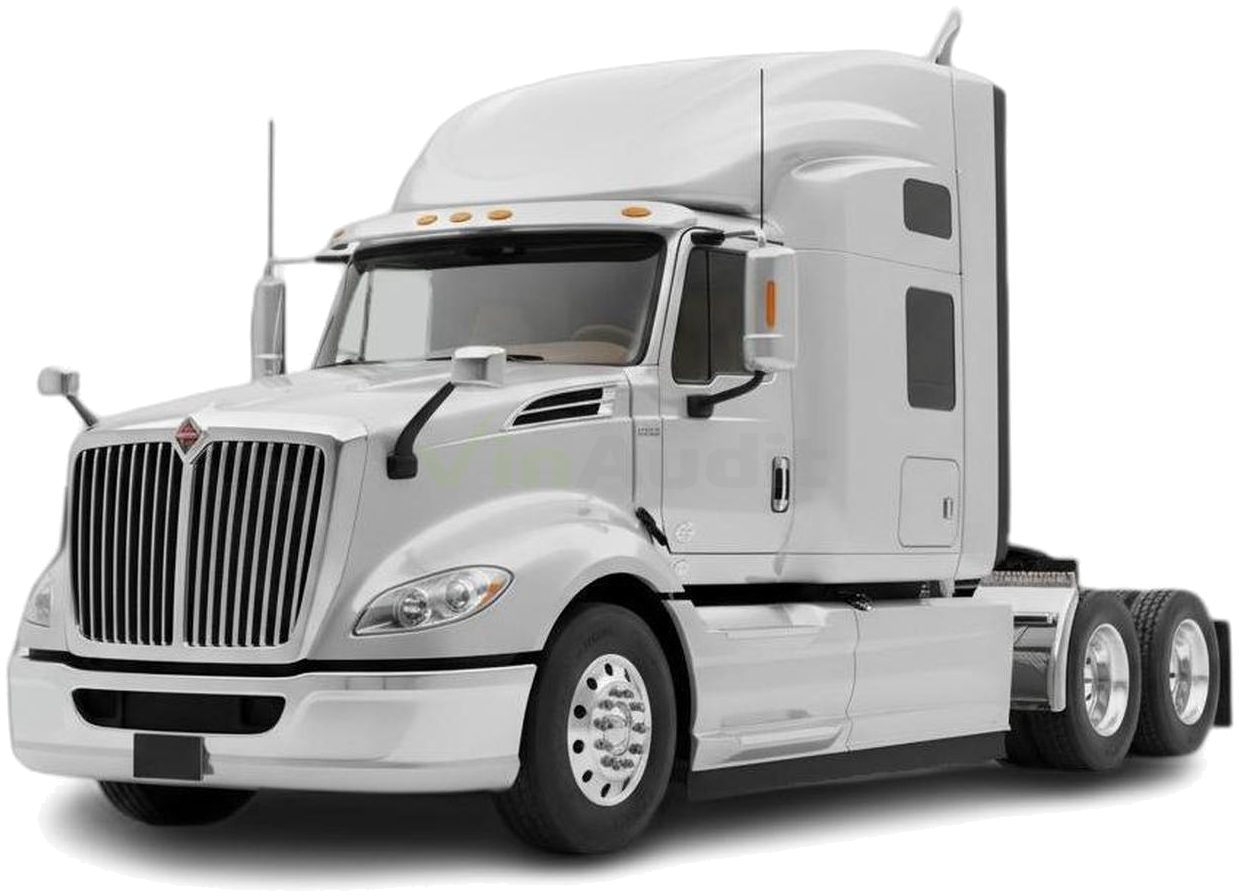
The Good
The 2007 International PB105 excels in sheer durability and long-term operational reliability, offering peace of mind for fleet managers. Its powerful engine options ensure dependable performance, while the sturdy build provides a sense of security for passengers. This truck-like construction appeals to practicality, while its robust nature fosters trust.
The Bad
Potential weaknesses for the 2007 International PB105 include its utilitarian focus, meaning comfort and refinement may be secondary. Older models might exhibit typical wear and tear on components like suspension and exhaust systems. Fuel economy, while acceptable for its class, won't rival smaller vehicles. Complex electrical systems can also be a concern.
2007 International PB105: Quick Overview
- Engine Options: The 2007 International PB105 was typically equipped with robust diesel engines designed for heavy-duty applications. Common options included variations of the International VT 365 V8 diesel or the Cummins ISB series inline-six diesel. These engines are known for their torque and longevity.
- Horsepower: Horsepower figures varied depending on the specific engine and configuration, but generally ranged from approximately 170 horsepower to over 230 horsepower for the diesel options. These were tuned for pulling power and sustained operation rather than outright speed.
- Fuel Economy: Fuel economy for a vehicle of this size and purpose is not a primary design consideration. Owners typically reported figures in the range of 8-12 miles per gallon (MPG), heavily influenced by load, terrain, and driving style. This is typical for a heavy-duty chassis.
- 0-60 Times: 0-60 mph times are not a relevant metric for this type of vehicle, as it is not designed for rapid acceleration. Its focus is on moderate speed with heavy loads.
- Towing Capacity: The PB105 chassis itself does not have a defined towing capacity in the same way a pickup truck does. Instead, its structural integrity and Gross Vehicle Weight Rating (GVWR) dictate the maximum weight it can carry and pull as part of a bus body or other vocational upfit. This is typically in the tens of thousands of pounds, depending on the specific configuration and components.
- Trim-Level Features: As a chassis, the PB105 does not have traditional trim levels like passenger vehicles. Instead, features are determined by the body builder and optional equipment selected at the time of purchase. Standard features would include the core chassis components, steering, braking systems, and basic dashboard instrumentation. Optional features could encompass air brakes, upgraded suspension, climate control for the driver's area, and various auxiliary power take-offs (PTOs) for specialized equipment.
2007 International PB105 Specifications
Vehicle Information
| Year | 2007 |
| Make | International |
| Model | PB105 |
| Trim | - |
| Style | - |
| Type | Bus |
| Category | Bus |
Manufacturing Details
| Made In | United States |
| Manufacturing City | TULSA |
Dimensions
| Doors | - |
| Curb Weight | - |
| Gross Vehicle Weight Rating | 33000 pounds |
| Overall Height | - |
| Overall Length | - |
| Overall Width | - |
| Wheelbase Length | - |
| Standard Seating | - |
Engine & Performance
| Engine | 6L V8 |
| Engine Size | 6L |
| Engine Cylinders | 8 |
| Transmission | - |
| Transmission Type | - |
| Transmission Speeds | - |
| Drivetrain | Integrated |
Additional Features
| Anti-Brake System | - |
| Steering Type | - |
Pricing
| Manufacturer Suggested Retail Price (MSRP) | - |
| Invoice Price | - |
| Delivery Charges | - |
Vehicle History Report
Specifications
History
Events
History Check
Check
Check
Check
Check
Listings
Recalls
Check
Analysis
What Problems Does the 2007 International PB105 Have?
Given its commercial nature, electrical gremlins can sometimes surface, particularly with wiring harnesses that have been subjected to constant vibration and environmental exposure. Common issues might include intermittent lighting problems, sensor failures, or issues with the dashboard instrumentation. The braking system, especially if equipped with air brakes, requires regular inspection and maintenance to prevent leaks or component wear. Suspension components, such as bushings and shocks, will naturally wear out over time due to the heavy loads they carry and may require replacement.
Recalls for vehicles of this nature are typically related to safety components or critical systems. While specific recalls for the 2007 PB105 would need to be verified through official NHTSA databases, common recall areas for commercial vehicles include braking system components, steering linkages, or potential fire hazards related to fuel or exhaust systems. Long-term reliability is generally considered good for International chassis if properly maintained, as they are built with robust components. However, neglect in maintenance, especially fluid changes and filter replacements for the diesel engine, can significantly shorten its lifespan and lead to more costly repairs. The key to longevity lies in diligent preventative maintenance and addressing minor issues before they escalate.
How long will the 2007 International PB105 last?
What Technology & Safety Features are Included?
Driver-assistance features are virtually non-existent in the conventional sense. There are no advanced driver-assistance systems (ADAS) such as adaptive cruise control, lane departure warning, or automatic emergency braking. The focus is on the driver's direct control and situational awareness. Safety features primarily revolve around robust structural integrity and essential braking and visibility systems. Standard safety equipment would include heavy-duty seat belts for the driver, durable lighting for visibility in various conditions, and powerful braking systems designed to stop a heavily loaded vehicle safely. Depending on the body builder and optional packages, features like anti-lock braking systems (ABS) may have been available. Mirrors are designed for maximum rearward and side visibility.
Crash-test ratings are not typically performed on chassis-only vehicles like the PB105 in the same way they are for complete passenger cars or SUVs. The safety performance of the final vehicle (e.g., a school bus) is largely dependent on the integrity and design of the body built upon the chassis. International's reputation in commercial vehicles is built on structural soundness and engineered durability, which inherently contributes to passive safety by providing a strong protective shell. However, specific, standardized crash-test data for the PB105 chassis itself is not readily available.
What Colors Options are Available?
2007 International PB105 Prices and Market Value
2007 International PB105 Cost of Ownership
2007 International PB105 Fuel Efficiency
2007 International PB105 Warranty
Basic
Powertrain
Rust
2007 International PB105 Insurance
reasonable repair costs.
How Does the 2007 International PB105 Compare to Other Bus?
Performance: The PB105 typically offered strong diesel powertrains focused on torque and durability rather than speed. Rivals like the Freightliner C2 also provided similar robust diesel options, often with comparable horsepower and torque figures, suitable for hauling heavy loads. Blue Bird integrated chassis often featured powerful Cummins or MaxxForce engines known for their reliability in school bus applications.
Features: As a chassis, feature sets were basic and dictated by the body builder. All rivals in this class would offer similar fundamental driver controls and safety basics. Advanced technology or comfort features were minimal across the board. International's reputation for heavy-duty engineering often meant a focus on functional, durable components over creature comforts.
Reliability: International has a strong legacy in the commercial vehicle sector, and the PB105 generally upholds this reputation for robust construction and engine longevity, provided maintenance is diligent. Freightliner also boasts strong reliability in its commercial offerings. Blue Bird, as a dedicated bus manufacturer, often has highly reliable integrated chassis-bus designs. The choice often comes down to specific engine preferences (e.g., International vs. Cummins) and aftermarket support in a given region.
Price: Pricing for these chassis varied significantly based on specifications. Generally, International, Freightliner, and Blue Bird chassis would be in a similar price bracket when new, with the final cost heavily influenced by the choice of engine and optional equipment. On the used market, all these chassis tend to depreciate significantly but hold a baseline value due to their inherent durability.
Recommendations: For a direct replacement or similar capability, the Freightliner C2 is a very comparable alternative, offering similar performance and reliability with good aftermarket support. If a fully integrated bus is desired, **Blue Bird** models (like their Vision or All American buses) provide a complete package where the chassis and body are designed to work in harmony. For those prioritizing specific engine brands, a chassis option with a Cummins ISB or ISL engine might be preferred, which could be found across various manufacturers. Ultimately, the best choice often depends on local serviceability, specific powertrain preferences, and the condition of available used units.
Final Verdict: Is the 2007 International PB105 a Good Bus?

Simon A
Simon is a contributor to VinCheck, where he provides articles and reviews on various automotive topics. His work focuses on delivering accurate and up-to-date information about used cars, helping readers make informed decisions.