
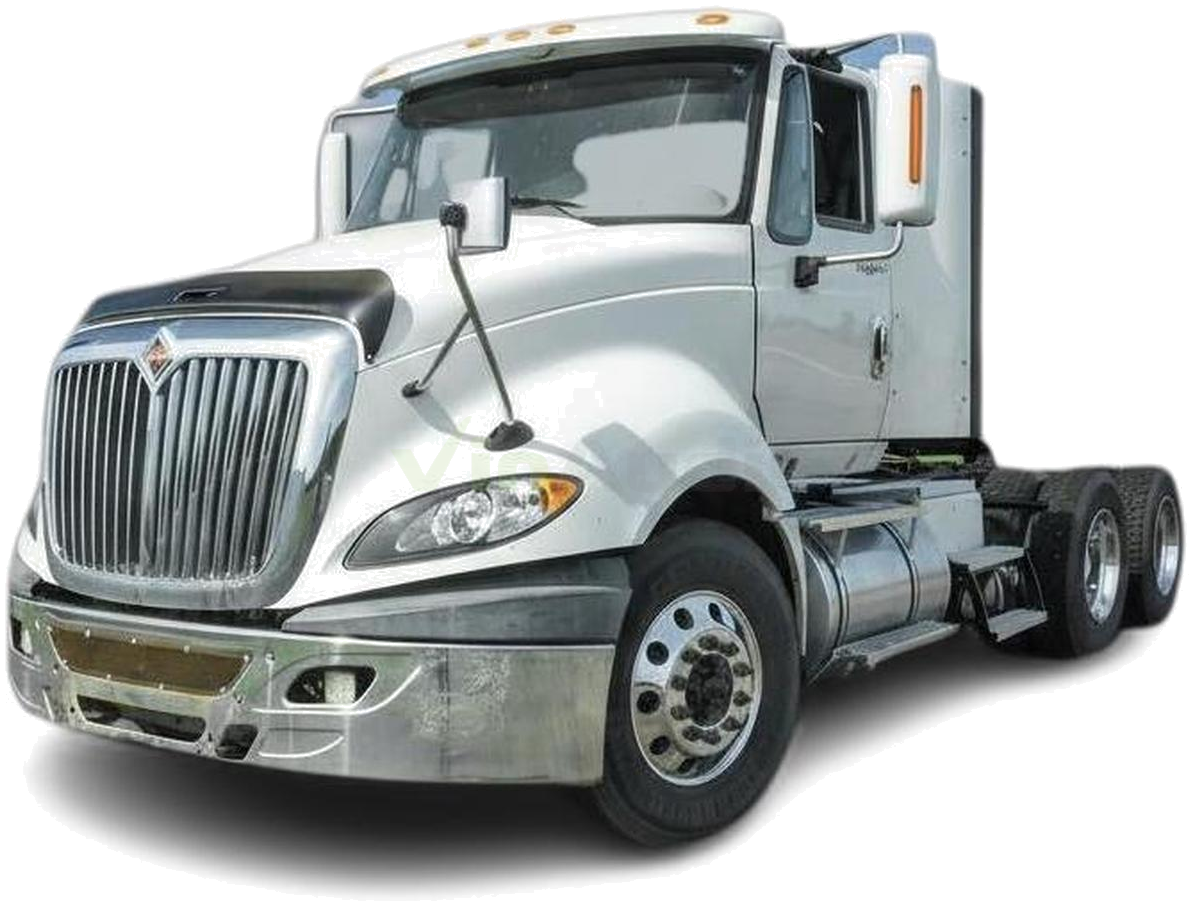
The Good
The 2012 International Prostar excels in powerful performance and exceptional reliability, crucial for demanding jobs. Its driver-centric cabin offers surprising comfort for long hauls, while its aerodynamic design hints at efficiency. This blend of capability, comfort, and enduring value makes it a smart, confidence-inspiring choice for professionals.
The Bad
Potential owners of the 2012 International Prostar should be aware of possible issues with the exhaust gas recirculation (EGR) system and DEF (Diesel Exhaust Fluid) related components. Electronic glitches, particularly with sensors and the engine control module (ECM), can also arise, requiring attention.
2012 International Prostar: Quick Overview
- Engine Options: The 2012 International Prostar was offered with a range of powerful diesel engines. Common options included Cummins ISX 15 and ISX 12, as well as Navistar's own N13 and MaxxForce engines. These were typically inline-six configurations designed for heavy-duty applications.
- Horsepower: Horsepower ratings varied significantly based on the specific engine chosen. For the Cummins ISX 15, outputs could range from around 400 to over 600 horsepower. Navistar engines like the MaxxForce 13 often offered similar power bands, typically starting in the mid-400s and going up.
- Fuel Economy: Fuel economy for heavy-duty trucks like the Prostar is measured in miles per gallon (MPG) but is heavily dependent on load, terrain, driving style, and specific engine/transmission configurations. Generally, these trucks aimed for efficiency in their class, with figures often in the 5-7 MPG range under optimal conditions for long-haul operations.
- 0-60 Times: 0-60 MPH times are not a primary metric for these heavy-duty vehicles, as they are designed for sustained hauling rather than rapid acceleration. When fully loaded, acceleration would be significantly slower and highly variable, likely measured in tens of seconds rather than single digits.
- Towing Capacity: The towing capacity is exceptionally high, as this is a Class 8 truck. Depending on the specific configuration, axle ratings, and fifth-wheel setup, the Prostar is designed to haul trailers with gross combination weights (GCW) of up to 80,000 pounds (36,287 kg) or even significantly more in specialized configurations.
- Trim-Level Features: While not typically categorized by traditional trim levels like consumer vehicles, Prostar configurations often differed by:
- Chassis: Wheelbase, axle configurations (tandem, tridem), and suspension types.
- Cab Styles: Day cab, extended cab, and various sleeper configurations (e.g., 48-inch, 73-inch).
- Engine/Transmission Packages: Different power outputs and transmission types (manual, automatic, automated manual).
- Interior Appointments: Higher-end options could include premium seats, advanced infotainment systems, upgraded sleeper amenities (fridges, microwaves, entertainment systems), and enhanced driver comfort features.
2012 International Prostar Specifications
Vehicle Information
| Year | 2012 |
| Make | International |
| Model | Prostar |
| Trim | - |
| Style | - |
| Type | Truck |
| Category | Heavy Truck |
Manufacturing Details
| Made In | Mexico |
| Manufacturing City | GARLAND |
Dimensions
| Doors | - |
| Curb Weight | - |
| Gross Vehicle Weight Rating | 55001 pounds |
| Overall Height | - |
| Overall Length | - |
| Overall Width | - |
| Wheelbase Length | - |
| Standard Seating | - |
Engine & Performance
| Engine | 15L I6 |
| Engine Size | 15L |
| Engine Cylinders | 6 |
| Transmission | - |
| Transmission Type | - |
| Transmission Speeds | - |
| Drivetrain | 6x4 |
Additional Features
| Anti-Brake System | - |
| Steering Type | - |
Pricing
| Manufacturer Suggested Retail Price (MSRP) | - |
| Invoice Price | - |
| Delivery Charges | - |
Vehicle History Report
Specifications
History
Events
History Check
Check
Check
Check
Check
Listings
Recalls
Check
Analysis
What Problems Does the 2012 International Prostar Have?
Another area of concern often reported is with the Diesel Exhaust Fluid (DEF) system. Problems can include faulty DEF level sensors, clogged DEF injectors, or issues with the DEF pump. These problems can trigger engine derating or prevent the truck from starting, significantly impacting its operational capability. The sophistication of these emissions control systems, while necessary, introduced new points of failure.
Electronic issues are also not uncommon. This can manifest as erratic sensor readings, malfunctioning dashboard displays, or problems with the engine control module (ECM). Diagnosing these electronic gremlins can sometimes be complex and costly.
While specific recalls can vary by VIN and build date, common areas for manufacturer-issued fixes might include braking system components, electrical harness issues, or airbag systems. It's crucial for any potential buyer to thoroughly research the specific recall history of any 2012 Prostar they are considering.
Long-term reliability, especially for engines like the Navistar MaxxForce series, has sometimes been a point of contention for certain model years. Some operators reported higher-than-expected rates of internal engine issues or premature component failures compared to some competitors. However, trucks equipped with Cummins engines generally maintained a reputation for robustness. The overall reliability of a 2012 Prostar is heavily influenced by its maintenance history, how it was operated (e.g., long-haul vs. stop-and-go vocational use), and the specific configuration and engine chosen.
How long will the 2012 International Prostar last?
What Technology & Safety Features are Included?
Built-in Tech and Entertainment: Standard offerings typically included a basic AM/FM radio, with options for CD players and more advanced infotainment systems. Higher-end trims or optional packages could include larger touchscreens, integrated navigation systems, Bluetooth connectivity for hands-free calling and audio streaming, and premium sound systems. The focus was on functionality and driver convenience for long hours on the road.
Driver-Assistance Features: While advanced driver-assistance systems (ADAS) were less common in 2012 compared to today's passenger vehicles, the Prostar could be equipped with features aimed at enhancing safety and reducing driver fatigue. Optional features could include lane departure warning systems, which would alert the driver if the truck began to drift out of its lane. Adaptive cruise control, which automatically adjusts speed to maintain a set distance from the vehicle ahead, was also available on some configurations, particularly for long-haul applications. Electronic stability control (ESC) was becoming more prevalent and could be found on certain models.
Safety Features: Standard safety features included robust braking systems (air brakes), powerful headlights for visibility, and sturdy construction. The cab itself was designed with driver protection in mind, featuring reinforced A-pillars and a strong overall structure. Optional safety features could extend to advanced seatbelt systems and enhanced visibility packages, such as additional mirrors or cameras. Airbags for the driver and passenger were standard.
Crash-Test Ratings: Specific crash-test ratings, such as those from the NHTSA or IIHS for consumer vehicles, are generally not published or applicable to heavy-duty commercial trucks like the International Prostar. The design and safety testing for these vehicles are governed by different regulatory bodies and focus on aspects relevant to commercial use, such as rollovers, frontal impacts under extreme load, and occupant protection in heavy-duty environments. The primary safety design considerations revolve around the truck's stability, braking performance, and the inherent structural integrity of its heavy-duty frame and cab.
What Colors Options are Available?
2012 International Prostar Prices and Market Value
Currently, used 2012 International Prostar trucks can be found for anywhere from $20,000 to $70,000+. This wide range is dictated by mileage, overall condition, maintenance history, engine type (Cummins engines often command a premium), and remaining useful life of key components.
Depreciation is steepest in the first few years, but once past its initial heavy drop, the value tends to stabilize for well-maintained units, especially those with robust engines and lower mileage relative to their expected lifespan. Factors significantly affecting resale value include:
- Engine Brand and Condition: Cummins engines are highly sought after.
- Mileage: Lower mileage increases value.
- Maintenance Records: Documented, consistent maintenance is crucial.
- Emissions System Health: Functioning EGR/DEF systems are vital.
- Tire Condition and Overall Wear: Visible wear and tear impacts price.
- Configuration: Sleeper cabs vs. day cabs, axle ratios, etc., affect suitability for different buyers.
2012 International Prostar Cost of Ownership
Insurance: Commercial vehicle insurance is substantial and depends on usage, coverage, and driver history, often running into thousands of dollars annually.
Fuel: Fuel is a major ongoing expense. While these trucks are designed for efficiency within their class, fuel consumption will still be high, especially under load.
Maintenance & Repair: Regular, preventative maintenance is critical but expensive. Routine services include oil changes, filter replacements, and component checks. Repairs for complex systems, particularly emissions-related components, can be very costly. Parts for heavy-duty trucks are typically more expensive than for light-duty vehicles.
Long-Term Ownership: While durable, the potential for expensive repairs, especially on older models, makes long-term ownership a factor of careful budgeting and operational planning.
2012 International Prostar Fuel Efficiency
2012 International Prostar Recalls & Defects
Electronic Stability Control (Esc)
Service Brakes, Air:antilock:control Unit/Module
Electrical System:alternator/Generator/Regulator
Equipment
Service Brakes, Air:disc
Parking Brake:driveline:air:chamber
Electrical System:alternator/Generator/Regulator
Service Brakes
Service Brakes, Air:supply:check Valve
Visibility
Service Brakes
Equipment
Trailer Hitches:fifth Wheel Assembly
Service Brakes
Electrical System
Visibility:defroster/Defogger/Hvac System:fan/motor
Trailer Hitches:fifth Wheel Assembly
Equipment
Exterior Lighting:back UP Lights
2012 International Prostar Warranty
Basic
Powertrain
Rust
2012 International Prostar Insurance
reasonable repair costs.
How Does the 2012 International Prostar Compare to Other Truck?
Performance: In terms of raw performance, the Prostar, especially with Cummins ISX engines, is generally on par with its competitors, offering strong horsepower and torque necessary for heavy hauling. Its aerodynamic design contributes to efficiency, a common goal across all these manufacturers. Competitors like the Cascadia and the then-new T680 and 579 were also heavily focused on aerodynamic advancements for fuel savings.
Features: Features are often comparable, with manufacturers continually innovating. The Prostar's driver-centric interior and available sleeper options were competitive for its time. Peterbilt and Kenworth often emphasized driver comfort and premium interior appointments, while Freightliner and Volvo also offered advanced ergonomics and technology. The Prostar's optional features like advanced cruise control and lane departure warnings were also mirrored by its rivals.
Reliability: Reliability is where distinctions can become more pronounced. While International's own MaxxForce engines had some reported issues, trucks equipped with Cummins ISX engines were generally considered very reliable, often matching or exceeding the reliability of engines from competitors. Peterbilt and Kenworth, particularly with PACCAR engines or well-integrated Cummins/Detroit options, have historically held a strong reputation for robust engineering and durability. Volvo and Freightliner (Daimler Trucks) also offer reliable powertrains. Historically, Peterbilt and Kenworth are often perceived as having a slight edge in long-term durability and build quality by some owner-operators.
Price: Pricing is highly variable based on exact specifications, but the Prostar often competed aggressively on price, sometimes offering a slightly lower entry point for comparable configurations compared to premium brands like Peterbilt or Kenworth, especially when equipped with Navistar's own engines.
Alternatives:
- Similar: The Freightliner Cascadia from the same model year is a very direct competitor, also focusing on aerodynamics and efficiency. The Volvo VNL offers comparable performance and reliability, often with a strong emphasis on driver comfort.
- Potentially Better (depending on priorities): For absolute top-tier reliability and resale value, particularly for owner-operators, a Kenworth T680 or Peterbilt 579 (if you can find a 2012 model or close, as they were introduced around this time) with a Cummins ISX or PACCAR MX engine is often considered a benchmark. However, these might come at a higher used purchase price.
Final Verdict: Is the 2012 International Prostar a Good Truck?
Conditions for purchase:
- Engine Choice: Strongly favor models equipped with Cummins ISX engines, as they generally offer superior reliability and a better service network compared to some of Navistar's proprietary engines from that era.
- Thorough Inspection: A comprehensive pre-purchase inspection by a qualified diesel mechanic is non-negotiable. Focus on the emissions system (EGR, DEF), turbocharger, and overall engine health.
- Maintenance Records: Prioritize units with detailed, consistent maintenance records.
- Specific Use: It's best suited for applications where its robust capabilities are fully utilized, such as long-haul trucking or heavy vocational work, rather than light-duty tasks.
While it may not have the same cachet or perceived long-term bulletproof reliability as some top-tier competitors, a well-selected and maintained 2012 Prostar can offer excellent value for its capability.

Cathleen V
Cathleen is an exceptional freelance writer covering hot topics in the automotive world from a gearhead's perspective. Her articles delve into various aspects of automotive technology and history, offering readers detailed insights into engine performance, reliability, and maintenance. Through her engaging and informative writing, Cathleen provides valuable information to automotive enthusiasts and consumers alike, helping them make informed decisions about vehicle maintenance and purchases.