
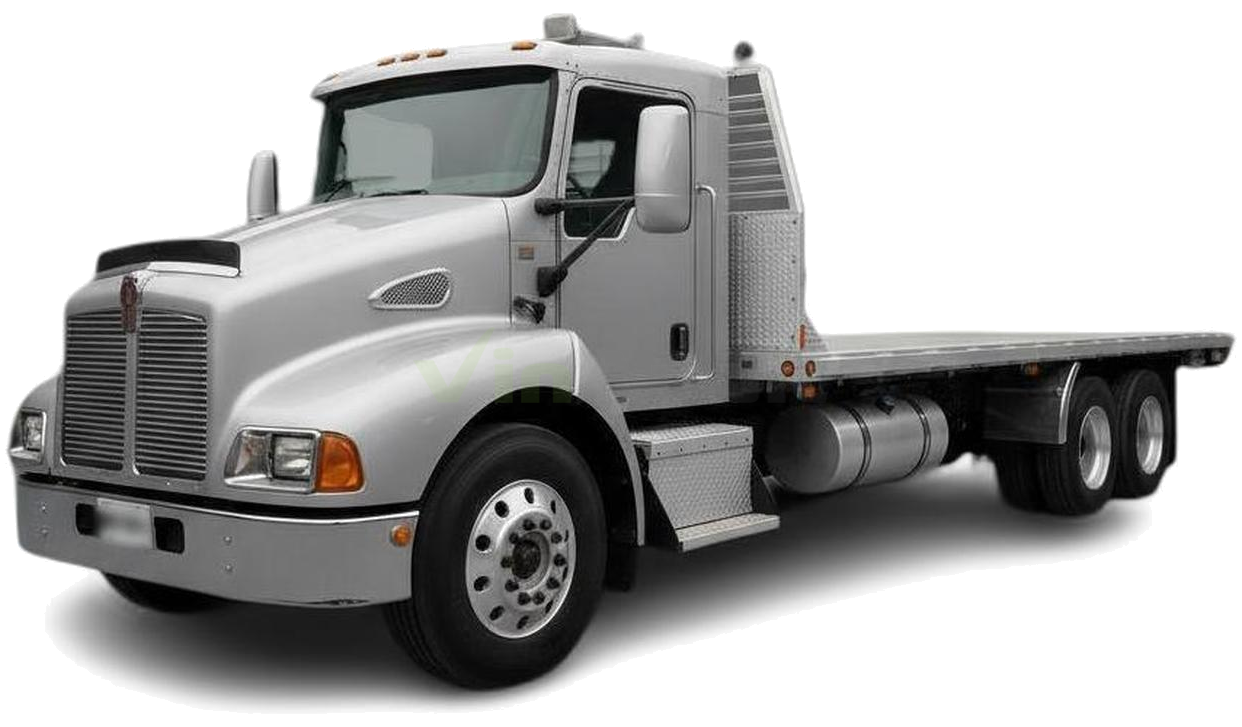
The Good
The 2004 Kenworth T300 excels in robust performance and legendary reliability, ensuring uptime for critical operations. Its comfortable cab provides a productive environment for drivers, while its straightforward design translates to excellent value and manageable maintenance, appealing to both the head and the heart of business owners.
The Bad
Potential weaknesses for the 2004 Kenworth T300 include age-related wear and tear on suspension components and potential for rust in certain climates. Older electronics might also require attention, and specific engine or transmission issues can arise depending on the original specifications and maintenance history.
2004 Kenworth T300: Quick Overview
- Engine Options: The 2004 Kenworth T300 was available with a range of robust diesel engines. Common options included Cummins ISB, ISC, and ISL engines, as well as PACCAR PX-6 engines (though less common in this specific model year for the T300).
- Horsepower: Horsepower ratings typically ranged from approximately 200 hp to over 300 hp, depending on the specific engine model and configuration chosen. For instance, a Cummins ISB could be found in the 200-240 hp range, while an ISC or ISL would offer higher output.
- Fuel Economy: Fuel economy for a truck of this class is highly variable and depends heavily on engine choice, transmission, load, driving style, and operational conditions. Generally, expect figures in the range of 6-10 miles per gallon (MPG).
- 0-60 Times: 0-60 mph times are not a standard metric for commercial trucks like the T300. Performance is measured more by acceleration under load and overall tractive effort rather than rapid acceleration from a standstill.
- Towing Capacity: The towing capacity of the 2004 Kenworth T300 is highly dependent on the chassis configuration, GVR (Gross Vehicle Rating), and specific axle ratios. These trucks are designed for vocational applications, and their Gross Combination Weight Rating (GCWR) could range from 26,000 lbs up to well over 50,000 lbs, allowing for significant towing of trailers and heavy equipment.
- Trim-Level Features: Kenworth typically offered a single, well-equipped cab as standard for the T300, focusing on practicality and driver comfort for vocational use. Key features would include:
- Durable interior materials designed for heavy use.
- Adjustable driver's seat and steering column.
- Air conditioning and heating systems.
- Power steering.
- Full instrumentation for monitoring engine and vehicle performance.
- Available options could include upgraded seating, power windows, and various auxiliary controls for vocational equipment.
- The chassis itself was highly configurable to accommodate various body types like box trucks, dump trucks, service trucks, and more.
2004 Kenworth T300 Specifications
Vehicle Information
| Year | 2004 |
| Make | Kenworth |
| Model | T300 |
| Trim | - |
| Style | - |
| Type | Truck |
| Category | Class 8 Tractor |
Manufacturing Details
| Made In | Mexico |
| Manufacturing City | MEXICALI |
Dimensions
| Doors | - |
| Curb Weight | - |
| Gross Vehicle Weight Rating | 57000 pounds |
| Overall Height | - |
| Overall Length | - |
| Overall Width | - |
| Wheelbase Length | - |
| Standard Seating | - |
Engine & Performance
| Engine | 8.3L I6 |
| Engine Size | 8.3L |
| Engine Cylinders | 6 |
| Transmission | - |
| Transmission Type | - |
| Transmission Speeds | - |
| Drivetrain | 6x4 |
Additional Features
| Anti-Brake System | - |
| Steering Type | - |
Pricing
| Manufacturer Suggested Retail Price (MSRP) | - |
| Invoice Price | - |
| Delivery Charges | - |
Vehicle History Report
Specifications
History
Events
History Check
Check
Check
Check
Check
Listings
Recalls
Check
Analysis
What Problems Does the 2004 Kenworth T300 Have?
How long will the 2004 Kenworth T300 last?
What Technology & Safety Features are Included?
Driver-assistance features were minimal to non-existent in the modern sense. While power steering enhances maneuverability, advanced systems like lane departure warning, adaptive cruise control, or blind-spot monitoring were not offered. The primary safety feature is the robust construction of the cab itself, designed to protect occupants in the event of an impact. Kenworth trucks are built with sturdy frames and durable cab structures. However, formal crash-test ratings from organizations like the NHTSA or IIHS for commercial medium-duty trucks of this vintage are rarely available, as these testing bodies primarily focus on passenger vehicles. The focus for safety in the T300 is on visibility, mechanical reliability (brakes, steering), and the structural integrity of the cab.
Optional features might have included upgraded audio systems, auxiliary power outlets, and perhaps a basic trip computer. The emphasis was on practical, hard-wearing features that contribute to safe and efficient operation in demanding work environments, rather than creature comforts or electronic aids. The simplicity of the technology also contributes to its long-term reliability, as there are fewer complex electronic systems to fail over time.
What Colors Options are Available?
2004 Kenworth T300 Prices and Market Value
2004 Kenworth T300 Cost of Ownership
2004 Kenworth T300 Fuel Efficiency
2004 Kenworth T300 Recalls & Defects
Engine and Engine Cooling:cooling System:fan
Engine and Engine Cooling
Electrical System:wiring
Power Train:automatic Transmission
2004 Kenworth T300 Warranty
Basic
Powertrain
Rust
2004 Kenworth T300 Insurance
reasonable repair costs.
How Does the 2004 Kenworth T300 Compare to Other Truck?
Features on the T300 are functional and work-oriented. While rivals like the Freightliner M2 might offer slightly more modern cabin designs or optional creature comforts, the Kenworth emphasizes durability and driver ergonomics for long hours. Reliability is where the Kenworth T300 truly shines. Kenworth has a long-standing reputation for building exceptionally durable trucks, and the T300 is no exception. It often outlasts competitors in terms of chassis and drivetrain longevity, especially when properly maintained. International trucks from this era could sometimes be more prone to electrical gremlins or body rust compared to the Kenworth.
Price-wise, new T300s were typically priced at a premium, reflecting their build quality. On the used market, the 2004 T300 often holds its value well, meaning it might command a slightly higher price than comparable models from International or even some Freightliners, especially in good condition.
Recommendations:
- Similar Alternatives: The Peterbilt 330/340 is a very close sibling to the Kenworth T300, sharing many components and build philosophies. If you find a well-maintained Peterbilt 330/340, it would be an equally strong contender.
- Slightly Different Focus: The Freightliner M2 series, particularly later models, can offer a more contemporary interior and potentially better fuel efficiency with certain engine options. However, long-term durability might not match that of the Kenworth for some users.
- Consider Body Type: The best alternative often depends on the specific vocational body required. For a dump truck, service body, or other specialized application, condition and suitability of the mounted body might be more critical than minor differences in the chassis.
Final Verdict: Is the 2004 Kenworth T300 a Good Truck?
Whether it's worth buying hinges heavily on its condition and maintenance history. A well-cared-for T300 with documented service records, especially those with lower mileage for their age, represents a sound investment. Buying used is almost certainly the only option for this model year. Specific trims aren't as relevant as the engine choice (Cummins or PACCAR are generally preferred) and the vocational body it's equipped with. Buyers should be prepared for ongoing maintenance costs associated with any truck of this age and type. If you need a truck that can go the distance and withstand tough use, the T300 is a highly commendable option, provided a thorough inspection is performed.

Eugene S
Eugene is an automotive enthusiast with over 15 years of experience in the used car market. As a writer at VINCheck.info, he brings deep industry insight and a passion for cars, helping readers make smart, informed decisions. Eugene has written hundreds of used car reviews and is known for breaking down complex automotive topics into clear, actionable advice. Over the years, he has driven and worked on a wide range of vehicles—starting with tuning street cars in his early days and eventually focusing on performance upgrades and reliability improvements. Today, he specializes in evaluating used vehicles through the lens of real-world ownership and enthusiast needs. A longtime fan of Porsche, Eugene especially appreciates vehicles that blend durability with driving enjoyment.