
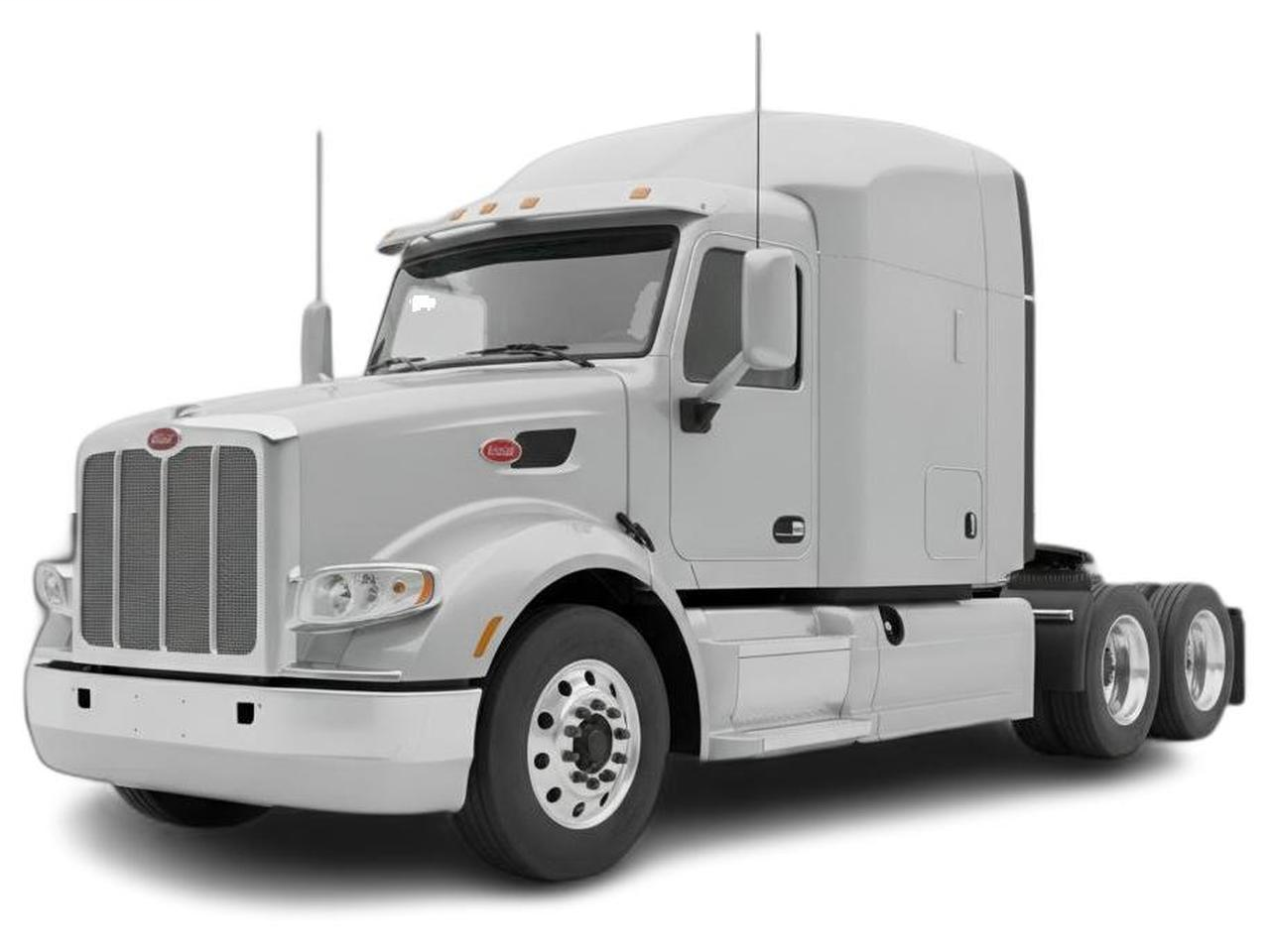
The 2017 Peterbilt 587 is a Class 8 vocational and over-the-road truck known for its distinctive aerodynamic design and driver-focused cockpit. Introduced in 2011, it primarily served as a highway tractor. While specific trims are less defined than in passenger vehicles, its popularity stems from its blend of fuel efficiency, driver comfort, and the robust Peterbilt reputation. New pricing varied significantly based on configuration, typically starting in the low $100,000s and extending upwards.
The Good
The 2017 Peterbilt 587 offers impressive fuel efficiency and a refined, comfortable cabin for long hauls, appealing to the practical need for lower operating costs and driver well-being. Its iconic Peterbilt styling evokes pride and reliability, satisfying both the pragmatic and emotional desires of owner-operators and fleet managers.
The Bad
Potential weaknesses of the 2017 Peterbilt 587 may include the complexity of its advanced aerodynamic components, which could require specialized maintenance. Some owners have reported minor electrical gremlins and the high initial purchase price can be a barrier for smaller operations.
2017 Peterbilt 587: Quick Overview
- Engine Options: The 2017 Peterbilt 587 was primarily equipped with PACCAR PX-9 and PX-13 engines. Cummins ISX15 engines were also a common option. These engines are renowned for their durability and performance in heavy-duty applications.
- Horsepower: Horsepower ratings typically ranged from 380 hp to over 600 hp, depending on the specific engine and configuration chosen by the owner or fleet. Higher horsepower was generally preferred for heavy hauling and mountainous terrain.
- Fuel Economy: Specific MPG figures are difficult to quantify for heavy-duty trucks as they depend heavily on load, terrain, driving style, and axle ratios. However, the 587 model was designed with aerodynamics and efficient powertrains to maximize fuel economy for its class, often achieving between 5-8 MPG under optimal conditions.
- 0-60 Times: 0-60 mph acceleration times are not a standard metric for Class 8 trucks. Their focus is on sustained power for hauling heavy loads over long distances. Acceleration is gradual and depends entirely on the load being towed.
- Towing Capacity: The towing capacity of the 2017 Peterbilt 587 is substantial, designed for heavy-duty Class 8 applications. It is rated for Gross Combination Weights (GCW) typically ranging from 80,000 lbs up to 100,000 lbs or more, depending on the chassis configuration, rear axle ratios, and specific application.
- Trim-Level Features: While Peterbilt doesn't use traditional passenger car trim levels, the 587 offered various interior and exterior packages. These could include upgraded sleeper compartments with enhanced amenities (e.g., refrigerators, entertainment systems, additional storage), premium seat options, advanced lighting, chrome accents, and specialized aerodynamic fairings. Navigation systems and advanced telematics were also common.
2017 Peterbilt 587 Specifications
Vehicle Information
| Year | 2017 |
| Make | Peterbilt |
| Model | 587 |
| Trim | - |
| Style | - |
| Type | Truck |
| Category | Medium Truck |
Manufacturing Details
| Made In | United States |
| Manufacturing City | DENTON |
Dimensions
| Doors | - |
| Curb Weight | - |
| Gross Vehicle Weight Rating | - |
| Overall Height | - |
| Overall Length | - |
| Overall Width | - |
| Wheelbase Length | - |
| Standard Seating | - |
Engine & Performance
| Engine | 14.9L I6 |
| Engine Size | 14.9L |
| Engine Cylinders | 6 |
| Transmission | - |
| Transmission Type | - |
| Transmission Speeds | - |
| Drivetrain | 6x4 |
Additional Features
| Anti-Brake System | - |
| Steering Type | - |
Pricing
| Manufacturer Suggested Retail Price (MSRP) | - |
| Invoice Price | - |
| Delivery Charges | - |
Vehicle History Report
Vehicle
Specifications
Specifications
Ownership
History
History
All History
Events
Events
NMVTIS Title
History Check
History Check
Salvage/Rebuilt
Check
Check
Accident
Check
Check
Theft
Check
Check
Open Lien
Check
Check
Past Sale
Listings
Listings
Safety
Recalls
Recalls
Odometer
Check
Check
Market Price
Analysis
Analysis
What Problems Does the 2017 Peterbilt 587 Have?
The 2017 Peterbilt 587, like most heavy-duty trucks, is generally built for longevity. However, common issues across heavy-duty trucks of this era, and potentially affecting the 587, can include:
Diesel Particulate Filter (DPF) Systems: Post-2007 diesel emissions regulations led to more complex DPF systems. These can be prone to clogging if the truck is primarily used for short-haul or stop-and-go driving, requiring more frequent regeneration cycles or professional cleaning. Issues can manifest as reduced power, increased fuel consumption, and warning lights.
Aftertreatment Systems (DEF/SCR): The Selective Catalytic Reduction (SCR) systems using Diesel Exhaust Fluid (DEF) can also be a source of problems. Sensors within the DEF system can fail, leading to engine derates or inability to start. Leaks in the DEF lines or issues with the DEF pump are also reported.
Electrical System Gremlins: While generally robust, heavy-duty trucks have extensive electrical systems. Issues like intermittent dashboard warnings, faulty sensor readings, or problems with aftermarket electronics installations can occur over time. Wiring harnesses exposed to vibration and harsh conditions can also wear.
EGR Coolers: Exhaust Gas Recirculation (EGR) coolers can fail, leading to coolant leaks into the exhaust system, which can cause overheating and potential engine damage if not addressed promptly.
Cab Comfort and Noise: While the 587 was designed for comfort, prolonged use can reveal wear and tear on interior components, seals, and suspension systems, potentially leading to increased cabin noise or minor rattles. Air suspension components for the cab could also require attention.
Recalls: Specific recalls for the 2017 model year would need to be checked against the National Highway Traffic Safety Administration (NHTSA) database. However, common recall areas for trucks in general can involve braking systems, steering components, or electrical harnesses. It's crucial for prospective buyers to verify any outstanding recalls for a specific VIN.
Overall, the Peterbilt 587 is a well-engineered truck. Most long-term reliability concerns are often related to routine maintenance adherence and the inherent complexities of modern emissions control systems rather than fundamental design flaws. Regular maintenance by qualified technicians is paramount.
Diesel Particulate Filter (DPF) Systems: Post-2007 diesel emissions regulations led to more complex DPF systems. These can be prone to clogging if the truck is primarily used for short-haul or stop-and-go driving, requiring more frequent regeneration cycles or professional cleaning. Issues can manifest as reduced power, increased fuel consumption, and warning lights.
Aftertreatment Systems (DEF/SCR): The Selective Catalytic Reduction (SCR) systems using Diesel Exhaust Fluid (DEF) can also be a source of problems. Sensors within the DEF system can fail, leading to engine derates or inability to start. Leaks in the DEF lines or issues with the DEF pump are also reported.
Electrical System Gremlins: While generally robust, heavy-duty trucks have extensive electrical systems. Issues like intermittent dashboard warnings, faulty sensor readings, or problems with aftermarket electronics installations can occur over time. Wiring harnesses exposed to vibration and harsh conditions can also wear.
EGR Coolers: Exhaust Gas Recirculation (EGR) coolers can fail, leading to coolant leaks into the exhaust system, which can cause overheating and potential engine damage if not addressed promptly.
Cab Comfort and Noise: While the 587 was designed for comfort, prolonged use can reveal wear and tear on interior components, seals, and suspension systems, potentially leading to increased cabin noise or minor rattles. Air suspension components for the cab could also require attention.
Recalls: Specific recalls for the 2017 model year would need to be checked against the National Highway Traffic Safety Administration (NHTSA) database. However, common recall areas for trucks in general can involve braking systems, steering components, or electrical harnesses. It's crucial for prospective buyers to verify any outstanding recalls for a specific VIN.
Overall, the Peterbilt 587 is a well-engineered truck. Most long-term reliability concerns are often related to routine maintenance adherence and the inherent complexities of modern emissions control systems rather than fundamental design flaws. Regular maintenance by qualified technicians is paramount.
How long will the 2017 Peterbilt 587 last?
A 2017 Peterbilt 587, with diligent maintenance, can realistically achieve anywhere from 750,000 to over 1.2 million miles before requiring major engine or transmission overhauls. Many owner-operators push their Peterbilts well beyond the million-mile mark. Long-term durability is a hallmark of the Peterbilt brand, with owners often prioritizing preventive maintenance, including regular oil changes, filter replacements, and fluid checks. Weaknesses that may emerge over time often relate to the complex emissions control systems (DPF, SCR), which can become costly to repair if neglected. Wear and tear on suspension, brakes, and interior components are also expected in high-mileage trucks. However, the core driveline and chassis are typically very robust.
What Technology & Safety Features are Included?
The 2017 Peterbilt 587 was equipped with a focus on driver productivity, comfort, and safety. While not laden with the extensive ADAS (Advanced Driver-Assistance Systems) found in modern passenger cars, it offered features crucial for long-haul trucking:
Built-in Tech & Entertainment: Standard features typically included an AM/FM/CD stereo system, often with auxiliary input and USB ports. Higher-spec interiors could offer integrated navigation systems, Bluetooth connectivity for hands-free calling, and premium speaker upgrades. Digital dashboards provided clear display of critical vehicle information. Optional features might include satellite radio integration and advanced communication systems.
Driver-Assistance Features: While not as prevalent as today, the 587 could be optioned with features like advanced cruise control systems that maintained a set distance from the vehicle ahead. Lane departure warning systems were also becoming more common options, alerting the driver if the truck drifted out of its lane. Hill start assist was often standard or an option to aid in starting on inclines. Parking assist systems, including backup cameras, could also be specified.
Safety Features: Safety was paramount. Standard safety equipment included heavy-duty anti-lock braking systems (ABS) for improved control during emergency stops. Robust frame construction and impact-resistant cabs were inherent to its design. Driver and passenger airbags were standard. Visibility was a key design element, with large windshields and mirrors providing excellent situational awareness. Optional safety features could include enhanced lighting packages for improved nighttime visibility and fog lights.
Crash-Test Ratings: Specific crash-test ratings for Class 8 trucks like the Peterbilt 587 are not conducted or published in the same manner as passenger vehicles by organizations like NHTSA or IIHS. The emphasis for these vehicles is on structural integrity under extreme load conditions and occupant protection in the event of an accident, rather than standardized impact tests. The design of the cab is engineered to withstand significant forces.
Built-in Tech & Entertainment: Standard features typically included an AM/FM/CD stereo system, often with auxiliary input and USB ports. Higher-spec interiors could offer integrated navigation systems, Bluetooth connectivity for hands-free calling, and premium speaker upgrades. Digital dashboards provided clear display of critical vehicle information. Optional features might include satellite radio integration and advanced communication systems.
Driver-Assistance Features: While not as prevalent as today, the 587 could be optioned with features like advanced cruise control systems that maintained a set distance from the vehicle ahead. Lane departure warning systems were also becoming more common options, alerting the driver if the truck drifted out of its lane. Hill start assist was often standard or an option to aid in starting on inclines. Parking assist systems, including backup cameras, could also be specified.
Safety Features: Safety was paramount. Standard safety equipment included heavy-duty anti-lock braking systems (ABS) for improved control during emergency stops. Robust frame construction and impact-resistant cabs were inherent to its design. Driver and passenger airbags were standard. Visibility was a key design element, with large windshields and mirrors providing excellent situational awareness. Optional safety features could include enhanced lighting packages for improved nighttime visibility and fog lights.
Crash-Test Ratings: Specific crash-test ratings for Class 8 trucks like the Peterbilt 587 are not conducted or published in the same manner as passenger vehicles by organizations like NHTSA or IIHS. The emphasis for these vehicles is on structural integrity under extreme load conditions and occupant protection in the event of an accident, rather than standardized impact tests. The design of the cab is engineered to withstand significant forces.
What Colors Options are Available?
2017 Peterbilt 587 Prices and Market Value
When new, a 2017 Peterbilt 587 could range from approximately $100,000 to $180,000+ depending on engine, specifications, and custom options. The truck has experienced moderate depreciation, which is typical for heavy-duty vehicles. Used market prices for a 2017 Peterbilt 587 in good condition with average mileage (e.g., 500,000-700,000 miles) can currently be found in the $50,000 to $90,000 range. Factors significantly affecting resale value include mileage, engine hours, overall condition, maintenance history, tire wear, and the presence of desirable options like APUs (Auxiliary Power Units) or upgraded sleeper amenities. Trucks with lower mileage and comprehensive service records command higher prices.
2017 Peterbilt 587 Cost of Ownership
Owning a 2017 Peterbilt 587 involves significant costs. Insurance premiums can be substantial, reflecting the vehicle's value and the risks associated with commercial trucking. Fuel costs are a major component, varying with mileage and diesel prices, though the 587's efficiency helps mitigate this. Maintenance and repair costs are also considerable; while reliable, parts and specialized labor for heavy-duty trucks are expensive. Routine maintenance, including oil changes, filter replacements, and DPF cleaning, is essential. Overall, the 587 is a costly vehicle to own and operate, but its long-term durability and efficiency often provide a strong return on investment for commercial use.
2017 Peterbilt 587 Fuel Efficiency
Fuel Type
Diesel
Fuel Capacity
-
City Mileage
-
Highway Mileage
-
2017 Peterbilt 587 Recalls & Defects
Exterior Lighting:brake Lights:switch
Recall date
2016-12-05
Recall no.
16v872000
Source
NHTSA
Summary
Paccar Incorporated (Paccar) IS Recalling Certain Model Year 2017 Peterbilt 325, 330, 337, 348, 365, 367, 386, 389, and 587 Vehicles Manufactured April 20, 2016, TO June 13, 2016. THE Brake Lights MAY NOT Illuminate When THE Brakes ARE Applied. AS Such, These Vehicles Fail TO Comply With THE Requirements OF Federal Motor Vehicle Safety Standard (Fmvss) Number 108, "lamps, Reflective Devices, and Associated Equipment."
Consequence
IF THE Brake Lights DO NOT Illuminate When THE Brakes ARE Applied, Other Drivers Will BE Unaware THE Vehicle IS Stopping, Which CAN Increase THE Risk OF A Crash.
Remedy
Paccar Will Notify Owners, and Dealers Will Inspect and Replace ANY Brake Light Switches With Date Code 08-01760, Free OF Charge. THE Recall Began ON January 26, 2017. Owners MAY Contact Peterbilt Customer Service AT 1-940-591-4000. Paccar's Number FOR This Recall IS 816-f.
Notes
Owners MAY Also Contact THE National Highway Traffic Safety Administration Vehicle Safety Hotline AT 1-888-327-4236 (Tty 1-800-424-9153), or GO TO Www.safercar.gov.
Electrical System:ignition:module
Recall date
2016-06-10
Recall no.
16v426000
Source
NHTSA
Summary
Paccar Incorporated (Paccar) IS Recalling Certain Model Year 2017 Kenworth C500, T660, T680, T800, T880, and W900 Vehicles Manufactured March 9, 2016, TO April 26, 2016 and 2017 Peterbilt 320, 365, 367, 389, 567, 579, and 587 Vehicles Manufactured March 10, 2016, TO MAY 6, 2016. THE Affected Vehicles ARE Equipped With Cummins Isx12 or Isx15 Engines and Have AN Engine Control Module (Ecm) That MAY Short Circuit, Causing THE Engine TO Stall Without Warning Without THE Ability TO Restart IT.
Consequence
AN Engine Stall CAN Increase THE Risk OF A Crash.
Remedy
Cummins Will Notify Owners, and Cummins Dealers Will Replace THE Defective Engine Control Modules, Free OF Charge. THE Began ON July 8, 2016. Owners MAY Contact Cummins Customer Service AT 1-800-343-7357, Kenworth Customer Service AT 1-425-828-5000 or Peterbilt Customer Service AT 1-940-591-4000. Paccar's Numbers FOR This Recall ARE 16kwb (Kenworth) and 616-c (Peterbilt).
Notes
Owners MAY Also Contact THE National Highway Traffic Safety Administration Vehicle Safety Hotline AT 1-888-327-4236 (Tty 1-800-424-9153), or GO TO Www.safercar.go
Fuel System, Diesel
Recall date
2017-07-13
Recall no.
17v443000
Source
NHTSA
Summary
Paccar Incorporated (Paccar) IS Recalling Certain 2017-2018 Peterbilt 367, 389, 567, 579 and 587 Trucks, and 2018 Kenworth C500, T680, T800, T880 and W900 Trucks Equipped With Cummins ISX 15L Engines. These Engines Have A Fuel Pump Whose Drive Gear Could Possibly Slip ON ITS Drive Shaft, Causing A Fuel Pump Function Loss, Resulting IN AN Engine Stall.
Consequence
AN Engine Stall CAN Increase THE Risk OF A Crash.
Remedy
Cummins Will Notify THE Vehicle Purchaser, and Cummins Dealers Will Replace THE Fuel Pumps, Free OF Charge. THE Recall Began July 1, 2017. Owners MAY Contact Cummins Customer Service AT 1-800-286-6467 or Paccar Customer Service AT 1-425-468-7400. Paccar's Number FOR This Recall IS C1909.
Notes
Owners MAY Also Contact THE National Highway Traffic Safety Administration Vehicle Safety Hotline AT 1-888-327-4236 (Tty 1-800-424-9153), or GO TO Www.safercar.gov.
Engine and Engine Cooling:engine:diesel
Recall date
2018-09-21
Recall no.
18v657000
Source
NHTSA
Summary
Paccar Incorporated (Paccar) IS Recalling Certain 2017-2019 Kenworth C500, T600, T660, T680, T800, T880 and W900 Trucks, AS Well AS Peterbilt 367, 386, 389, 567, 579 and 587 Trucks, Equipped With Cummins Isx15 or X15 Diesel Engines. IN Certain Driving Conditions, Such AS ON A Long Down-Hill Grade, THE Fuel Line MAY Burst IF THE Fuel Pump Cooling Circuit Screen Becomes Restricted.
Consequence
IF THE Fuel Line Bursts, Fuel MAY Leak Onto THE Road Resulting IN A Roadway Hazard FOR Other Motorists. THE Engine MAY Also Stall Without Warning, Resulting IN THE Vehicle's Inability TO Restart, Increasing THE Risk OF A Crash.
Remedy
Cummins Will Notify Owners, and Dealers Will Replace THE Suspect Fuel Pump Cooling Circuit Screen, Free OF Charge. THE Recall Began November 21, 2018. Owners MAY Contact Paccar Customer Service AT 1-940-591-4220. Paccar's Number FOR This Recall IS 18e081.
Notes
Owners MAY Also Contact THE National Highway Traffic Safety Administration Vehicle Safety Hotline AT 1-888-327-4236 (Tty 1-800-424-9153), or GO TO Www.safercar.gov.
Electronic Stability Control (Esc)
Recall date
2020-04-06
Recall no.
20v199000
Source
NHTSA
Summary
Paccar Incorporated (Paccar) IS Recalling Certain 2008-2019 Peterbilt 330, 335, 337, 340, 348, 365, 367, 384, 386, 387, 388, 389, 567, 579 and 587 Vehicles and 2008-2020 Kenworth T170, T270, T370, T660, T680, T800, T880, and W900 Vehicles Equipped With Namux Software. IN THE Event That THE Anti-lock Brake System (Abs) Loses Battery And/Or Ignition Power TO THE Controller, THE Dash Warning Light FOR THE ABS MAY NOT Illuminate TO Warn THE Driver OF THE Loss OF Abs. AS Such, These Vehicles Fail TO Comply With THE Requirements OF Federal Motor Vehicle Safety Standard (fmvss) Number 121, "air Brake Systems," and 136, "electronic Stability Control System ON Heavy Vehicles."
Consequence
IF THE Driver Unknowingly Operates THE Vehicle Without THE ABS Functioning, There Would BE AN Increased Risk OF A Crash.
Remedy
Paccar Will Notify Owners, and Dealers Will Update THE Namux Software Within THE Cab Control Module, Free OF Charge. Paccar Issued Owners AN Interim Notification ON June 4, 2020. THE Recall Began MAY 26, 2020. Owners MAY Contact Kenworth Customer Service AT 1-425-828-5888 or Peterbilt Customer Service AT 1-940-591-4220. Paccar's Number FOR This Recall IS 20pbc and 20kwb.
Notes
Owners MAY Also Contact THE National Highway Traffic Safety Administration Vehicle Safety Hotline AT 1-888-327-4236 (Tty 1-800-424-9153), or GO TO Www.safercar.gov.
Service Brakes, Air:antilock:abs Warning Light
Recall date
2020-04-06
Recall no.
20v199000
Source
NHTSA
Summary
Paccar Incorporated (Paccar) IS Recalling Certain 2008-2019 Peterbilt 330, 335, 337, 340, 348, 365, 367, 384, 386, 387, 388, 389, 567, 579 and 587 Vehicles and 2008-2020 Kenworth T170, T270, T370, T660, T680, T800, T880, and W900 Vehicles Equipped With Namux Software. IN THE Event That THE Anti-lock Brake System (Abs) Loses Battery And/Or Ignition Power TO THE Controller, THE Dash Warning Light FOR THE ABS MAY NOT Illuminate TO Warn THE Driver OF THE Loss OF Abs. AS Such, These Vehicles Fail TO Comply With THE Requirements OF Federal Motor Vehicle Safety Standard (fmvss) Number 121, "air Brake Systems," and 136, "electronic Stability Control System ON Heavy Vehicles."
Consequence
IF THE Driver Unknowingly Operates THE Vehicle Without THE ABS Functioning, There Would BE AN Increased Risk OF A Crash.
Remedy
Paccar Will Notify Owners, and Dealers Will Update THE Namux Software Within THE Cab Control Module, Free OF Charge. Paccar Issued Owners AN Interim Notification ON June 4, 2020. THE Recall Began MAY 26, 2020. Owners MAY Contact Kenworth Customer Service AT 1-425-828-5888 or Peterbilt Customer Service AT 1-940-591-4220. Paccar's Number FOR This Recall IS 20pbc and 20kwb.
Notes
Owners MAY Also Contact THE National Highway Traffic Safety Administration Vehicle Safety Hotline AT 1-888-327-4236 (Tty 1-800-424-9153), or GO TO Www.safercar.gov.
2017 Peterbilt 587 Warranty
Basic
Original warranty
0 months / No data
Estimated remaining
Expired
Powertrain
Original warranty
0 months / No data
Estimated remaining
Expired
Rust
Original warranty
0 months / No data
Estimated remaining
Expired
2017 Peterbilt 587 Insurance
Insurance for a 2017 Peterbilt 587 is moderately priced, reflecting its status as a Truck with strong safety ratings and
reasonable repair costs.
How Does the 2017 Peterbilt 587 Compare to Other Truck?
The 2017 Peterbilt 587 competes in the premium Class 8 vocational and over-the-road tractor segment against formidable rivals like the Kenworth T680, Freightliner Cascadia, and Volvo VNL.
Performance: The 587, powered by PACCAR or Cummins engines, offers robust performance comparable to its peers. Its aerodynamic design contributes to excellent highway cruising speed and fuel efficiency, often matching or exceeding the Kenworth T680 and Freightliner Cascadia in real-world applications. The Volvo VNL also boasts strong performance, especially in its newer iterations.
Features: Peterbilt is known for its driver-centric cabins, and the 587 delivers with comfortable interiors, spacious sleepers, and a focus on ergonomics. It generally offers a high level of customization, similar to Kenworth. Freightliner often leads in technological integration and driver aids, while Volvo emphasizes driver comfort and advanced safety systems. The 587 might trail slightly behind the latest models of its competitors in terms of cutting-edge tech features and standard driver-assistance systems.
Reliability: Peterbilt and Kenworth (both PACCAR brands) are widely regarded for their exceptional reliability and durability, often considered top-tier in this regard. Their robust construction and proven powertrain components contribute to longevity. Freightliner and Volvo also offer reliable trucks, but traditionally, Peterbilt and Kenworth have held a slight edge in perceived long-term dependability, particularly for owner-operators who value simplicity and ease of maintenance.
Price: As a premium brand, Peterbilt trucks, including the 587, typically command a higher purchase price than comparable Freightliner or Volvo models when new. Used prices reflect this premium reputation. Kenworth T680 is a very close competitor in terms of price and desirability.
Alternatives:
* Kenworth T680: A direct competitor with similar PACCAR powertrains, excellent aerodynamics, driver comfort, and reputation for reliability. Often considered the closest alternative.
* Freightliner Cascadia: Offers a slightly more modern feel, potentially more advanced technology integration, and competitive pricing. A strong contender for fleets prioritizing efficiency and innovation.
* Volvo VNL: Known for its comfortable ride, advanced safety features, and fuel efficiency. A good option for drivers prioritizing a smooth and safe driving experience.
The 2017 Peterbilt 587 remains a compelling choice, especially for those who value its iconic styling, robust build quality, and proven reliability, provided the initial investment and potential maintenance costs align with their operational needs.
Performance: The 587, powered by PACCAR or Cummins engines, offers robust performance comparable to its peers. Its aerodynamic design contributes to excellent highway cruising speed and fuel efficiency, often matching or exceeding the Kenworth T680 and Freightliner Cascadia in real-world applications. The Volvo VNL also boasts strong performance, especially in its newer iterations.
Features: Peterbilt is known for its driver-centric cabins, and the 587 delivers with comfortable interiors, spacious sleepers, and a focus on ergonomics. It generally offers a high level of customization, similar to Kenworth. Freightliner often leads in technological integration and driver aids, while Volvo emphasizes driver comfort and advanced safety systems. The 587 might trail slightly behind the latest models of its competitors in terms of cutting-edge tech features and standard driver-assistance systems.
Reliability: Peterbilt and Kenworth (both PACCAR brands) are widely regarded for their exceptional reliability and durability, often considered top-tier in this regard. Their robust construction and proven powertrain components contribute to longevity. Freightliner and Volvo also offer reliable trucks, but traditionally, Peterbilt and Kenworth have held a slight edge in perceived long-term dependability, particularly for owner-operators who value simplicity and ease of maintenance.
Price: As a premium brand, Peterbilt trucks, including the 587, typically command a higher purchase price than comparable Freightliner or Volvo models when new. Used prices reflect this premium reputation. Kenworth T680 is a very close competitor in terms of price and desirability.
Alternatives:
* Kenworth T680: A direct competitor with similar PACCAR powertrains, excellent aerodynamics, driver comfort, and reputation for reliability. Often considered the closest alternative.
* Freightliner Cascadia: Offers a slightly more modern feel, potentially more advanced technology integration, and competitive pricing. A strong contender for fleets prioritizing efficiency and innovation.
* Volvo VNL: Known for its comfortable ride, advanced safety features, and fuel efficiency. A good option for drivers prioritizing a smooth and safe driving experience.
The 2017 Peterbilt 587 remains a compelling choice, especially for those who value its iconic styling, robust build quality, and proven reliability, provided the initial investment and potential maintenance costs align with their operational needs.
Final Verdict: Is the 2017 Peterbilt 587 a Good Truck?
The 2017 Peterbilt 587 is an ideal choice for owner-operators and fleet managers who prioritize a blend of proven reliability, aerodynamic efficiency, and driver comfort for long-haul trucking. It's particularly well-suited for those who value the Peterbilt brand's reputation for quality and durability.
It is certainly worth buying, especially on the used market, where it offers considerable value for its capabilities. Buying used is generally more sensible than new, given the significant depreciation. Look for trucks with detailed maintenance records, lower mileage for their age, and well-maintained engines and emissions systems. Specific trims or configurations focusing on sleeper amenities are excellent for drivers who spend extended time on the road. For those seeking a dependable workhorse with a premium feel, the 2017 Peterbilt 587 remains a sound investment if acquired at a fair price and properly inspected.