
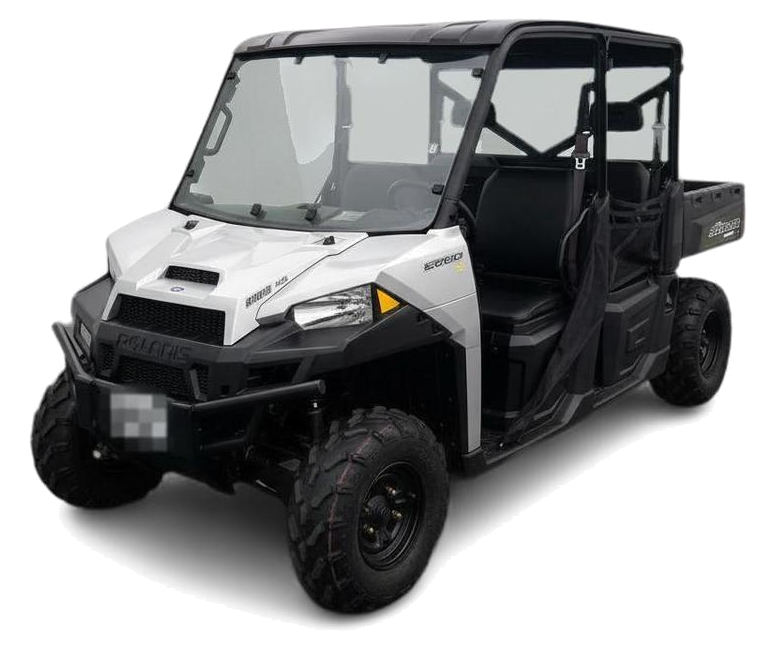
The 2016 Polaris Ranger is a popular utility side-by-side (SxS) vehicle designed for work and recreation. Part of a long-standing lineup from Polaris, the Ranger is known for its robust build and versatile capabilities. For 2016, key trims often included the RANGER XP 900, RANGER 570, and RANGER EV. Pricing varied widely based on trim and features, typically ranging from around $10,000 to over $17,000 when new. It stands out for its smooth ride, comfortable seating, and ample cargo capacity, making it a favorite for farming, hunting, and trail riding enthusiasts.
The Good
The 2016 Polaris Ranger offers a compelling blend of capable performance for tackling tough terrain and a comfortable, smooth ride for extended use. Its reliable engineering and practical design provide confidence, while its value proposition appeals to those seeking a durable workhorse or an adventure companion that won't break the bank.
The Bad
Owners of the 2016 Polaris Ranger should be aware of potential issues with the CVT belt system, particularly under heavy load or aggressive use. Some users have also reported concerns regarding plastic components' durability and occasional electrical gremlins. Regular maintenance is key.
2016 Polaris Ranger: Quick Overview
- Engine Options: The 2016 Polaris Ranger was offered with several engine configurations depending on the trim level. The most common included a 4-stroke SOHC twin-cylinder engine for the RANGER 570, and a ProStar 900 engine for the RANGER XP 900. The RANGER EV featured an electric powertrain.
- Horsepower: Horsepower varied significantly by engine. The RANGER 570 typically produced around 44 horsepower, while the RANGER XP 900 boasted approximately 60 horsepower. The RANGER EV's power output was measured differently, focusing on torque and continuous power delivery.
- Fuel Economy: Specific MPG figures are not officially published for UTVs as they are for cars, but owners generally reported moderate fuel consumption. For the gasoline engines, expect to get a reasonable range from the fuel tank, suitable for a day's work or trail riding. Electric models, of course, rely on charging.
- 0-60 Times: 0-60 mph times are not a primary metric for utility vehicles like the Ranger, as they are not designed for speed. Acceleration is adequate for their intended purpose, allowing for easy movement around a property or on trails.
- Towing Capacity: Towing capacity was a strong suit for many 2016 Ranger models. The RANGER XP 900, for instance, typically offered a towing capacity of up to 1,500 lbs (680 kg). Smaller models might have slightly lower capacities.
- Trim-Level Features: Key trims and their features included:
- RANGER 570: Often featured a more compact design, making it agile. Standard features included electronic power steering (EPS) on some models, a 400-watt charging system, and a tilt steering wheel.
- RANGER XP 900: This was the flagship utility model, offering enhanced power and payload. Features often included a heavy-duty ROPS (Roll-Over Protection System), 11.5 inches of ground clearance, a larger cargo bed, and available electronic power steering.
- RANGER EV: The electric model offered silent operation, zero emissions, and instant torque. It was ideal for noise-sensitive environments and featured a robust powertrain with a decent range on a full charge.
- General Features: Across trims, common features included independent suspension for a smooth ride, comfortable seating for two or three occupants, durable composite or steel beds with lock & ride cargo systems, and various accessory integration options.
2016 Polaris Ranger Specifications
Vehicle Information
| Year | 2016 |
| Make | Polaris |
| Model | Ranger |
| Trim | - |
| Style | - |
| Type | Motorcycle |
| Category | Offroad Vehicle Multipurpose Offhighway Utility Vehicle [mohuv] or Recreational Offhighway Vehicle [rov] |
Manufacturing Details
| Made In | Taiwan |
| Manufacturing City | MILFORD |
Dimensions
| Doors | - |
| Curb Weight | - |
| Gross Vehicle Weight Rating | - |
| Overall Height | - |
| Overall Length | - |
| Overall Width | - |
| Wheelbase Length | - |
| Standard Seating | - |
Engine & Performance
| Engine | 875cc 2cyl |
| Engine Size | 875L |
| Engine Cylinders | 2 |
| Transmission | - |
| Transmission Type | - |
| Transmission Speeds | - |
| Drivetrain | - |
Additional Features
| Anti-Brake System | - |
| Steering Type | - |
Pricing
| Manufacturer Suggested Retail Price (MSRP) | - |
| Invoice Price | - |
| Delivery Charges | - |
Vehicle History Report
Vehicle
Specifications
Specifications
Ownership
History
History
All History
Events
Events
NMVTIS Title
History Check
History Check
Salvage/Rebuilt
Check
Check
Accident
Check
Check
Theft
Check
Check
Open Lien
Check
Check
Past Sale
Listings
Listings
Safety
Recalls
Recalls
Odometer
Check
Check
Market Price
Analysis
Analysis
What Problems Does the 2016 Polaris Ranger Have?
The 2016 Polaris Ranger, like many off-road vehicles, has some commonly reported issues that owners should be aware of. One of the most frequently cited concerns revolves around the Continuously Variable Transmission (CVT) belt. Owners have reported belt slippage, premature wear, or even breakage, especially when subjected to heavy loads, prolonged high-speed operation, or aggressive riding. This can be exacerbated by mud and debris entering the clutch housing. Regular inspection and cleaning of the CVT system, along with timely belt replacement, are crucial for mitigating this. Another area where some owners have experienced issues is with the suspension components. While generally robust, occasional reports of worn bushings or shock absorber problems have surfaced after significant mileage or hard use. Ensuring the suspension is kept clean and properly lubricated can help prolong its life. Some users have also mentioned intermittent electrical issues, such as problems with charging systems or accessory connections, though these are typically less widespread. It's worth noting that Polaris has issued recalls for various models over the years, and it's imperative for owners to check for any outstanding recalls specific to their 2016 Ranger and ensure they are addressed by a qualified dealer. For instance, recalls have sometimes been issued for steering components or braking systems to address potential safety concerns. While the ProStar engines used in the RANGER XP 900 are generally reliable, like any engine, they require consistent maintenance. Long-term reliability is heavily dependent on the owner's maintenance habits, the operating conditions, and whether the vehicle has been used primarily for demanding work or recreational purposes. Proper fluid changes, air filter maintenance, and regular inspections are key to ensuring longevity.
How long will the 2016 Polaris Ranger last?
Based on owner data and typical usage for utility side-by-sides, a well-maintained 2016 Polaris Ranger can reasonably expect to last between 5 to 10 years or accumulate anywhere from 10,000 to 20,000 miles of service. Those used for heavy-duty farm work or demanding commercial applications might see lower mileage before significant component wear. Long-term durability is largely dictated by the owner's commitment to preventative maintenance, especially concerning the CVT system, suspension, and engine fluids. Weaknesses that tend to emerge over time include wear on suspension bushings and potential electrical connectors, as well as the aforementioned CVT belt longevity. However, with diligent care, the core chassis and powertrain of the Ranger have proven to be quite robust.
What Technology & Safety Features are Included?
The 2016 Polaris Ranger prioritizes practicality and utility over high-tech gadgetry, reflecting its workhorse nature. Built-in tech is generally limited to essential functions. The instrument cluster typically features a digital display providing crucial information like speed, engine RPM, fuel level, gear indicator, and trip meters. Some higher trims might include a basic hour meter for tracking engine use.
Entertainment: Dedicated infotainment systems are not standard on most 2016 Ranger models. However, owners often opt for aftermarket stereo systems or Bluetooth speakers to enhance their riding experience. The cabin design is open, allowing for the sounds of nature to be a primary form of "entertainment" for many users.
Driver-Assistance Features: Advanced driver-assistance systems (ADAS) are virtually non-existent on the 2016 Ranger. These vehicles are designed for manual operation in off-road conditions, and features like adaptive cruise control or lane departure warnings are not part of the package. The focus is on providing a stable and predictable platform for the driver.
Safety Features: Safety is approached through robust construction and essential driver controls. Standard safety features include:
Entertainment: Dedicated infotainment systems are not standard on most 2016 Ranger models. However, owners often opt for aftermarket stereo systems or Bluetooth speakers to enhance their riding experience. The cabin design is open, allowing for the sounds of nature to be a primary form of "entertainment" for many users.
Driver-Assistance Features: Advanced driver-assistance systems (ADAS) are virtually non-existent on the 2016 Ranger. These vehicles are designed for manual operation in off-road conditions, and features like adaptive cruise control or lane departure warnings are not part of the package. The focus is on providing a stable and predictable platform for the driver.
Safety Features: Safety is approached through robust construction and essential driver controls. Standard safety features include:
- Roll-Over Protection System (ROPS): A sturdy metal cage designed to protect occupants in case of a rollover.
- Seat Belts: Standard three-point seat belts for all occupants.
- Hydraulic Disc Brakes: Powerful braking system providing reliable stopping power.
- Engine Braking: The CVT system often provides some degree of engine braking, aiding in downhill control.
- All-Wheel Drive (AWD): Switchable AWD systems (on most gasoline models) enhance traction and stability in challenging terrain.
- Half or full windshields
- Winch systems
- Lighting upgrades (LED bars, spotlights)
- Roof and door kits
- Brush guards
What Colors Options are Available?
2016 Polaris Ranger Prices and Market Value
When new, the 2016 Polaris Ranger models typically ranged from approximately $10,000 for the base RANGER 570 to over $17,000 for the RANGER XP 900 EPS models. Today, used market prices for a 2016 Polaris Ranger vary significantly based on condition, mileage, hours of use, trim level, and any added accessories. You can generally find them in the $6,000 to $12,000 range. The Ranger line is known for holding its value relatively well within the UTV segment due to its reputation for durability and utility. Factors that heavily influence resale value include the overall condition, maintenance history (especially for the CVT), the presence of desirable upgrades, and whether the vehicle was used for hard labor versus recreational riding. Models with lower hours and well-maintained exteriors and interiors will command higher prices. Significant wear and tear, or evidence of abuse, will considerably reduce its market appeal and price.
2016 Polaris Ranger Cost of Ownership
Owning a 2016 Polaris Ranger involves several cost considerations. Fuel costs are moderate, dependent on engine size and usage. Insurance premiums vary by location and coverage, but generally, UTV insurance is more affordable than for a typical car. Maintenance is crucial for longevity; expect costs for regular oil changes, filter replacements, and potential CVT belt replacements ($150-$300). Repairs can range from minor to significant, with parts and labor potentially adding up, especially for complex issues. Overall, the Ranger is moderately economical for its class. While initial purchase and ongoing maintenance are necessary, its durability and versatility often provide good long-term value, making it less costly than frequently replacing cheaper alternatives.
2016 Polaris Ranger Fuel Efficiency
Fuel Type
Gasoline
Fuel Capacity
-
City Mileage
-
Highway Mileage
-
2016 Polaris Ranger Insurance
Insurance for a 2016 Polaris Ranger is moderately priced, reflecting its status as a Motorcycle with strong safety ratings and
reasonable repair costs.
How Does the 2016 Polaris Ranger Compare to Other Motorcycle?
The 2016 Polaris Ranger competed fiercely in the utility UTV market against formidable rivals such as the John Deere Gator and the Can-Am Defender (though the Defender line was newer in 2016).
Performance: The Ranger XP 900, with its around 60 horsepower, offered competitive performance for its class in 2016, providing strong pulling power and decent speed for its utility focus. The John Deere Gator often prioritized a smoother ride and payload capacity over raw power. Can-Am, known for performance, typically offered more potent engines in its Defender lineup (which was just emerging around this time, with the X MR series being a key competitor).
Features: Polaris has historically been strong in offering a comfortable ride and a versatile cargo bed with its Lock & Ride system, which the 2016 Ranger continued. Electronic Power Steering (EPS) was often available and a highly recommended feature. John Deere Gators were known for their robust construction and often featured hydrostatic transmissions for smooth operation and excellent payload handling. Can-Am Defenders, especially in their initial iterations, offered powerful engines and often more rugged styling, appealing to those who wanted a sportier feel from their utility machine.
Reliability: Polaris Rangers have a generally good reputation for reliability, though like any vehicle, they have specific common issues (like CVT belts) that owners should be aware of. John Deere Gators are renowned for their durability and longevity, often seen as workhorses that can withstand harsh conditions. Can-Am vehicles, while powerful, have sometimes faced criticism for more complex maintenance or occasional reliability concerns compared to their simpler counterparts, though this varies by model and year.
Price: In 2016, the Ranger was competitively priced, slotting between the more budget-oriented options and the premium offerings. John Deere Gators could be similarly priced or slightly higher depending on the model and configuration. Can-Am typically positioned its vehicles as premium, often with a higher price tag but also more standard features or power.
Alternatives: For a similar utility-focused experience in 2016, the John Deere Gator XUV series (e.g., XUV 825i) is a strong contender, known for its comfort and payload. If prioritizing sheer power and a more aggressive aesthetic, a mid-range Can-Am Defender (if available in the desired configuration at the time) could be considered, though often at a higher cost. For those on a tighter budget, looking at older models or other brands like Yamaha (Rhino, though phased out) or even some of the lower-tier models from Kawasaki or Arctic Cat would be options, though they might not match the Ranger's overall package of features and performance for 2016. The 2016 Ranger remains a solid choice if its specific strengths align with your needs.
Performance: The Ranger XP 900, with its around 60 horsepower, offered competitive performance for its class in 2016, providing strong pulling power and decent speed for its utility focus. The John Deere Gator often prioritized a smoother ride and payload capacity over raw power. Can-Am, known for performance, typically offered more potent engines in its Defender lineup (which was just emerging around this time, with the X MR series being a key competitor).
Features: Polaris has historically been strong in offering a comfortable ride and a versatile cargo bed with its Lock & Ride system, which the 2016 Ranger continued. Electronic Power Steering (EPS) was often available and a highly recommended feature. John Deere Gators were known for their robust construction and often featured hydrostatic transmissions for smooth operation and excellent payload handling. Can-Am Defenders, especially in their initial iterations, offered powerful engines and often more rugged styling, appealing to those who wanted a sportier feel from their utility machine.
Reliability: Polaris Rangers have a generally good reputation for reliability, though like any vehicle, they have specific common issues (like CVT belts) that owners should be aware of. John Deere Gators are renowned for their durability and longevity, often seen as workhorses that can withstand harsh conditions. Can-Am vehicles, while powerful, have sometimes faced criticism for more complex maintenance or occasional reliability concerns compared to their simpler counterparts, though this varies by model and year.
Price: In 2016, the Ranger was competitively priced, slotting between the more budget-oriented options and the premium offerings. John Deere Gators could be similarly priced or slightly higher depending on the model and configuration. Can-Am typically positioned its vehicles as premium, often with a higher price tag but also more standard features or power.
Alternatives: For a similar utility-focused experience in 2016, the John Deere Gator XUV series (e.g., XUV 825i) is a strong contender, known for its comfort and payload. If prioritizing sheer power and a more aggressive aesthetic, a mid-range Can-Am Defender (if available in the desired configuration at the time) could be considered, though often at a higher cost. For those on a tighter budget, looking at older models or other brands like Yamaha (Rhino, though phased out) or even some of the lower-tier models from Kawasaki or Arctic Cat would be options, though they might not match the Ranger's overall package of features and performance for 2016. The 2016 Ranger remains a solid choice if its specific strengths align with your needs.
Final Verdict: Is the 2016 Polaris Ranger a Good Motorcycle?
The 2016 Polaris Ranger is ideal for landowners, farmers, hunters, and recreational riders who need a dependable and versatile side-by-side for a mix of work and play. It excels in moderate to challenging terrain, offering a comfortable ride and ample cargo capacity. Whether it's worth buying depends on individual needs and budget. As a used vehicle, it presents a strong value proposition, especially if well-maintained.
It's particularly suitable for those who prioritize comfort, ease of operation, and a smooth ride over raw speed or extreme off-road capability. For buyers looking for a workhorse that can also handle weekend trail rides, the RANGER XP 900 trim is often the most compelling. Given its age, buying used is the only option, and thorough inspection, particularly of the CVT system and suspension, is paramount. If found in good condition at a reasonable price, the 2016 Ranger remains a sound investment for practical utility and recreational enjoyment.