
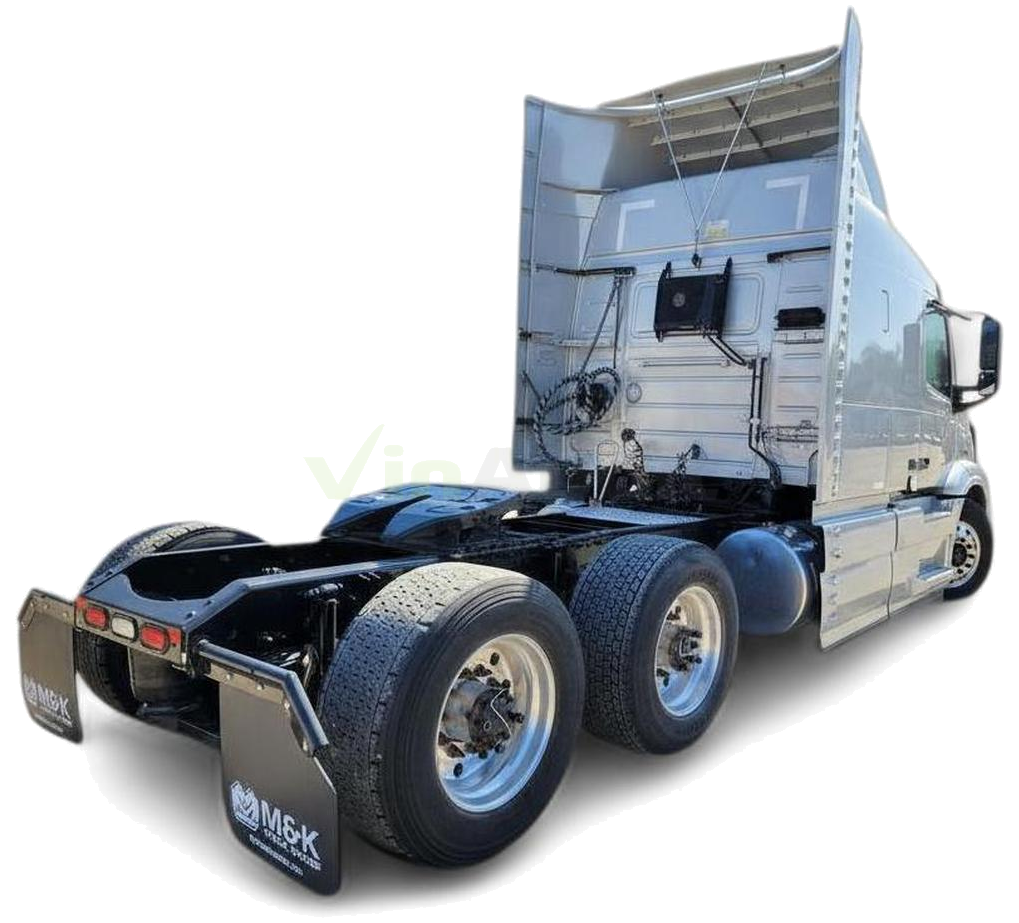
The 2019 Volvo VNR is a Class 8 heavy-duty truck, part of Volvo Trucks' VNR series, known for its versatility and driver-centric design. Introduced for the 2019 model year, it primarily features a conventional truck cab. Key trims often revolve around vocational applications and long-haul needs, with pricing varying significantly based on configuration, typically starting in the low $100,000s. Its popularity stems from its excellent visibility, comfortable interior, and advanced safety features, making it a preferred choice for regional haul and vocational use.
The Good
The 2019 Volvo VNR excels in driver comfort with its spacious and ergonomic cab, a key emotional appeal. Practically, its fuel efficiency, robust build for reliability, and advanced safety systems offer long-term value and operational peace of mind for fleet owners and owner-operators alike.
The Bad
Potential weaknesses for the 2019 Volvo VNR can include the complexity of its advanced electronics, which might lead to more intricate and potentially costly repairs. Some users report the initial purchase price can be higher compared to some competitors, and certain configurations might prioritize comfort over raw power for extremely demanding applications.
2019 Volvo VNR: Quick Overview
- Engine Options: The 2019 Volvo VNR is primarily offered with Volvo's D11 and D13 inline 6-cylinder diesel engines. The D11 typically ranges from 325 to 425 horsepower, while the D13 offers power outputs from 375 to 500 horsepower.
- Torque: Torque figures generally range from 1,250 lb-ft for the D11 up to 1,850 lb-ft for higher-output D13 engines.
- Transmission: Available transmissions include Volvo's I-Shift automated manual transmission (AMT), which is a popular choice for its efficiency and driver comfort, as well as traditional manual transmissions.
- Fuel Economy: Fuel economy is highly dependent on the specific engine, transmission, gearing, load, and driving conditions. Volvo trucks are generally designed for optimal fuel efficiency within their class. Specific MPG figures are not standardized like passenger cars but are measured in miles per gallon per ton-mile.
- 0-60 Times: 0-60 times are not a relevant metric for heavy-duty commercial trucks. Performance is measured by acceleration under load and the ability to maintain speed on inclines.
- Towing Capacity: Towing capacity is not a single specification but depends heavily on the truck's Gross Vehicle Weight Rating (GVWR), Gross Combination Weight Rating (GCWR), axle configurations, and specific vocational application. The VNR is designed for a wide range of applications, including regional haul and vocational use, capable of handling substantial loads typically in the 80,000 lbs GCWR range and above, depending on configuration.
- Trim-Level Features: Trim levels are less defined by distinct packages and more by vocational application and optional equipment. Key features often include:
- Comfort: Enhanced driver seats (air-ride), premium interior materials, climate control, extensive storage, and improved cabin insulation for reduced noise and vibration.
- Visibility: Large windshields, optimized mirror placement, and available LED lighting for superior all-around visibility.
- Technology: Volvo's Dynafleet telematics system for fleet management, diagnostic tools, and infotainment options.
- Safety: Available advanced driver-assistance systems (ADAS) such as Forward Collision Warning with Emergency Braking, Lane Keeping Support, and Electronic Stability Control.
- Configuration Options: Wide variety of axle ratios, suspension types, wheelbase lengths, and sleeper cab options (e.g., 70-inch High Roof Sleeper) to suit specific operational needs.
2019 Volvo VNR Specifications
Vehicle Information
| Year | 2019 |
| Make | Volvo |
| Model | VNR |
| Trim | - |
| Style | - |
| Type | Truck |
| Category | Medium Truck |
Manufacturing Details
| Made In | United States |
| Manufacturing City | NEW RIVER VALLEY DUBLIN |
Dimensions
| Doors | - |
| Curb Weight | - |
| Gross Vehicle Weight Rating | 33001 pounds |
| Overall Height | - |
| Overall Length | - |
| Overall Width | - |
| Wheelbase Length | - |
| Standard Seating | - |
Engine & Performance
| Engine | 14.9L I6 |
| Engine Size | 14.9L |
| Engine Cylinders | 6 |
| Transmission | - |
| Transmission Type | - |
| Transmission Speeds | - |
| Drivetrain | 6x4 |
Additional Features
| Anti-Brake System | - |
| Steering Type | - |
Pricing
| Manufacturer Suggested Retail Price (MSRP) | - |
| Invoice Price | - |
| Delivery Charges | - |
Vehicle History Report
Vehicle
Specifications
Specifications
Ownership
History
History
All History
Events
Events
NMVTIS Title
History Check
History Check
Salvage/Rebuilt
Check
Check
Accident
Check
Check
Theft
Check
Check
Open Lien
Check
Check
Past Sale
Listings
Listings
Safety
Recalls
Recalls
Odometer
Check
Check
Market Price
Analysis
Analysis
What Problems Does the 2019 Volvo VNR Have?
For the 2019 Volvo VNR, like most complex heavy-duty trucks, specific, widespread, model-year-defining problems are less common than general trends in commercial vehicle ownership. However, some owners and fleet managers have reported issues that are worth noting. One area that can sometimes cause concern is the electronic control systems and associated sensors. Failures in modules related to the engine control unit (ECU), transmission control unit (TCU), or various safety systems can lead to downtime and diagnostic challenges. While the I-Shift automated manual transmission is generally reliable and praised for efficiency, like any complex automated system, it can experience issues with its actuators, clutch packs, or control software, particularly with high mileage or improper maintenance.
Another point of attention for some users involves the Diesel Particulate Filter (DPF) system. Modern emissions control systems, while crucial for environmental compliance, can be sensitive to fuel quality, driving cycles (especially frequent short trips), and require regular regeneration cycles. Clogged DPFs can lead to reduced engine performance, increased fuel consumption, and costly repair interventions if not managed properly. For the 2019 model year specifically, there weren't widespread, critical design flaws reported that would categorize it as having poor long-term reliability across the board. However, individual trucks can experience issues related to the cooling system, air brake components, or electrical harnesses due to wear and tear or specific operational stresses.
Recalls for commercial trucks are typically related to specific safety components or system malfunctions. Volvo regularly issues recalls to address such issues, and these are usually proactively managed by dealerships. Owners should always check for outstanding recalls for their specific VIN. Long-term reliability is often heavily influenced by the intensity of use, the quality of maintenance performed, and the specific vocational duty the truck is subjected to. A VNR used for regional haul with regular maintenance is likely to be more reliable long-term than one used in extreme vocational applications with less frequent servicing.
How long will the 2019 Volvo VNR last?
Estimating average mileage and years of service for a 2019 Volvo VNR is highly variable due to its commercial nature. Many units are expected to accumulate 500,000 to over 1,000,000 miles within 5-10 years, depending on their operational intensity. Long-term durability is generally good, with Volvo trucks known for their robust chassis and powertrain components. However, weaknesses that can emerge over time, especially beyond 700,000 miles, may include wear and tear on the I-Shift transmission components, increased maintenance needs for the emissions system (DPF regeneration, DEF sensors), and potential for electrical gremlins in older wiring harnesses. Proactive and diligent maintenance is crucial for maximizing lifespan and minimizing costly repairs, ensuring the VNR remains a durable workhorse for many years and miles.
What Technology & Safety Features are Included?
The 2019 Volvo VNR is equipped with a suite of technologies aimed at enhancing driver experience, safety, and operational efficiency. Central to its tech offerings is the Volvo Dynafleet telematics system, which provides fleet managers with real-time data on vehicle location, fuel consumption, driver behavior, and diagnostic information, enabling better fleet management and cost control. For the driver, the cabin often features an integrated infotainment system, though typically focused on practicality rather than premium entertainment. This can include AM/FM radio, USB connectivity, and Bluetooth for hands-free calling and audio streaming.
Driver-assistance features are a significant part of the VNR's appeal. While standard equipment can vary, Volvo offered several advanced systems for the 2019 model year as options. These commonly include:
- Forward Collision Warning (FCW) with Emergency Braking (EB): Uses radar to detect potential collisions and alerts the driver, and can automatically apply brakes if a collision is imminent.
- Lane Keeping Support (LKS): Monitors the truck's position within its lane and provides gentle steering input to keep it centered, preventing unintentional lane departures.
- Electronic Stability Control (ESC): Helps prevent rollovers and jackknifing by automatically reducing engine power and applying brakes to individual wheels.
What Colors Options are Available?
2019 Volvo VNR Prices and Market Value
When new, the 2019 Volvo VNR's price varied significantly based on its configuration, engine, options, and vocational application, but typically ranged from around $100,000 to $160,000 or more for fully spec'd units. Currently, the used market for a 2019 Volvo VNR sees prices ranging widely, often from $40,000 to $90,000, heavily influenced by mileage, condition, maintenance history, and specific equipment. Heavy-duty trucks experience depreciation, but their value retention is largely tied to their operational capability and the demand within the trucking industry. Factors significantly affecting resale value include engine and transmission type (e.g., I-Shift often holds value well), remaining component life (tires, brakes), overall condition, compliance with emissions standards, and the presence of desirable features like advanced safety systems or comfortable sleeper cabs. Trucks with lower mileage and comprehensive service records will command higher prices.
2019 Volvo VNR Cost of Ownership
Owning a 2019 Volvo VNR involves substantial costs, making it a significant investment rather than an economical purchase for the casual owner. Insurance premiums are high due to the vehicle's value and the inherent risks of commercial trucking. Fuel costs are a major ongoing expense, directly correlated with mileage and diesel prices. Maintenance is critical; regular oil changes, filter replacements, and DPF cleaning are essential, adding to operational expenses. Repair costs can be significant, especially for complex components like the powertrain or emissions systems. While the VNR offers good efficiency for its class, overall ownership costs are high, primarily driven by fuel, maintenance, and potential repair bills, making it a costly but often necessary investment for businesses.
2019 Volvo VNR Fuel Efficiency
Fuel Type
Diesel
Fuel Capacity
-
City Mileage
-
Highway Mileage
-
2019 Volvo VNR Warranty
Basic
Original warranty
0 months / No data
Estimated remaining
Expired
Powertrain
Original warranty
0 months / No data
Estimated remaining
Expired
Rust
Original warranty
0 months / No data
Estimated remaining
Expired
2019 Volvo VNR Insurance
Insurance for a 2019 Volvo VNR is moderately priced, reflecting its status as a Truck with strong safety ratings and
reasonable repair costs.
How Does the 2019 Volvo VNR Compare to Other Truck?
The 2019 Volvo VNR competes in the Class 8 heavy-duty truck market, primarily against rivals like the Peterbilt 579, Kenworth T680, Freightliner Cascadia, and International LT Series. In terms of performance, the VNR's Volvo-engineered D11 and D13 engines offer competitive power and torque outputs. The I-Shift transmission is often lauded for its smooth shifting and fuel efficiency, which can outperform some competitors' traditional automatics or manuals in certain applications. Features-wise, the VNR is strong in driver comfort and visibility, areas where Volvo consistently excels. Its advanced safety features, like Forward Collision Warning with Emergency Braking and Lane Keeping Support, are on par with or exceed offerings from many rivals, although the Cascadia and Kenworth T680 also offer comprehensive safety packages.
Reliability is a crucial consideration. While Volvo trucks are generally considered reliable, individual experiences can vary. The I-Shift transmission, though efficient, can sometimes be a point of concern for long-term durability compared to simpler manual transmissions if not meticulously maintained. Peterbilt and Kenworth trucks often have a reputation for robust build quality and easier maintenance access in certain areas, which can translate to slightly better long-term reliability in some owner-operator circles. Price-wise, the 2019 VNR typically falls within a similar range as its premium competitors. It might be slightly more expensive upfront than a base model Freightliner Cascadia but offers a more driver-focused experience. Similar alternatives that offer comparable comfort and efficiency include the Kenworth T680 and Peterbilt 579, both known for their aerodynamic designs and driver amenities. For those prioritizing a simpler, perhaps more rugged vocational truck, a Freightliner M2 or a Peterbilt 337 could be considered, though they may offer fewer creature comforts and advanced tech features. Ultimately, the VNR is a strong contender, especially for fleets and owner-operators who prioritize driver comfort, advanced safety, and fuel efficiency.
Final Verdict: Is the 2019 Volvo VNR a Good Truck?

The 2019 Volvo VNR is an excellent choice for owner-operators and fleet managers who prioritize driver comfort, safety, and fuel efficiency in regional haul and lighter vocational applications. It's ideal for those seeking a premium driving experience with advanced technology and excellent visibility. Buying a used 2019 VNR can offer significant value, provided it has a well-documented maintenance history and lower mileage, making it a worthwhile investment for businesses looking for reliability and driver satisfaction without the premium of a brand-new truck. Specific trims with the I-Shift transmission and advanced safety packages are particularly desirable. While newer models offer further advancements, a well-maintained 2019 VNR remains a strong and capable heavy-duty truck.