
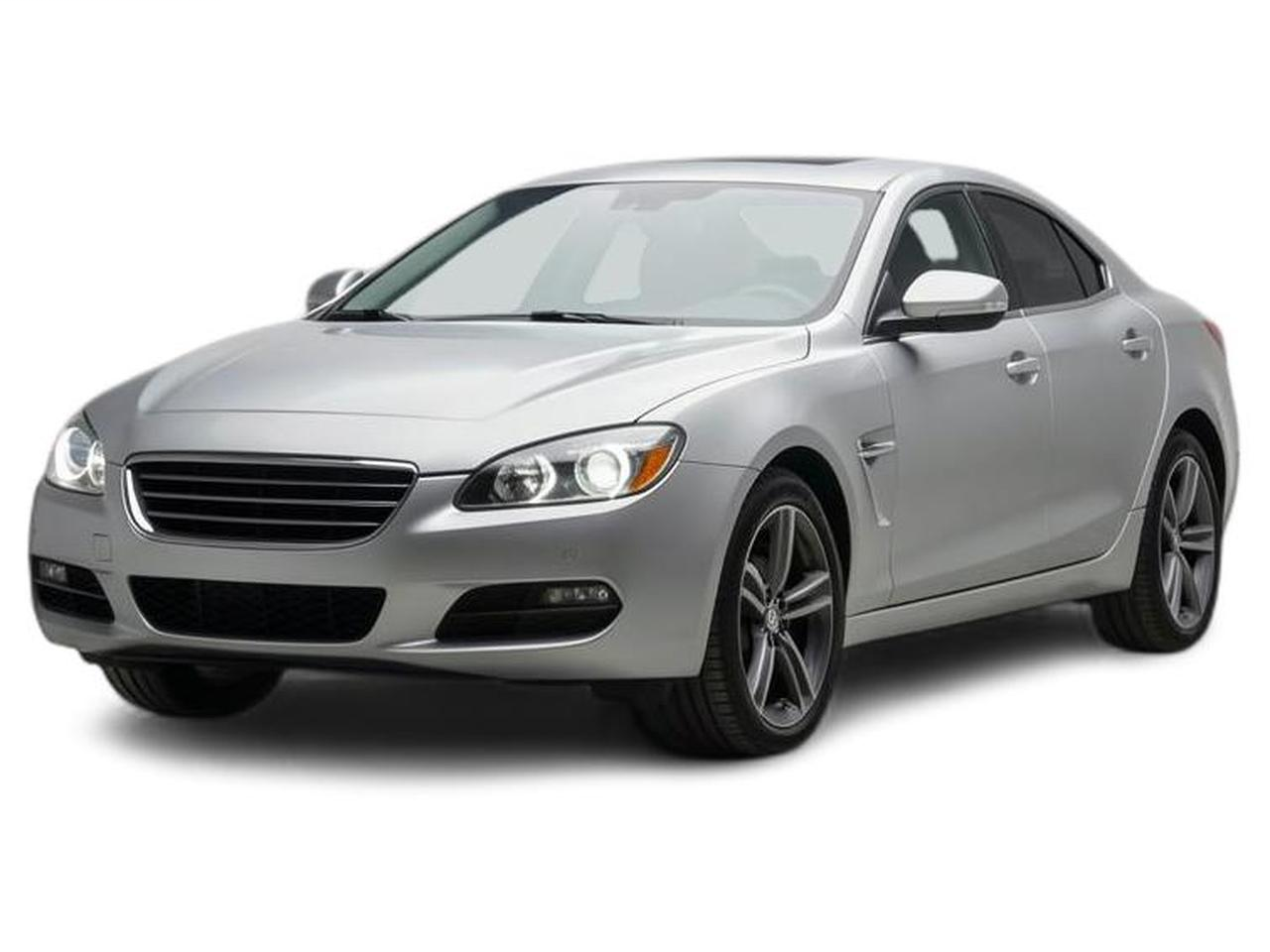
The 1998 Honda Passport is a compact SUV that shared its platform with the Isuzu Rodeo, produced from 1998 to 2002. This body-on-frame SUV offered rugged capability in a more manageable size. Key trims included the LX and EX, with original pricing typically ranging from the high $20,000s to the low $30,000s. Its popularity stemmed from Honda's reputation for reliability combined with genuine off-road potential.
The Good
The 1998 Honda Passport offers a blend of robust performance with its available V6 engine, legendary Honda reliability, and a surprisingly comfortable ride for its class. Its practical value is enhanced by its versatile design, making it appealing for both everyday commuting and weekend adventures.
The Bad
When considering a 1998 Honda Passport, potential buyers should watch out for rust, particularly on the frame and undercarriage. Transmission issues and minor electrical gremlins have also been reported. Fuel economy is another area where it lags behind modern vehicles.
1998 Honda Passport: Quick Overview
- Engine Options: The 1998 Honda Passport was primarily offered with two engine options:
- A 2.6-liter inline-4 cylinder engine.
- A more common and powerful 3.2-liter V6 engine.
- Horsepower:
- The 2.6L 4-cylinder engine produced approximately 120 horsepower.
- The 3.2L V6 engine delivered around 190 horsepower.
- Fuel Economy:
- Expect fuel economy to be modest, with estimates around 15-17 MPG in the city and 18-20 MPG on the highway for the V6 models, depending on drivetrain (2WD or 4WD).
- 0-60 Times:
- 0-60 MPH times were generally in the 9-11 second range for V6 models, which was competitive for SUVs of its era.
- Towing Capacity:
- The 1998 Honda Passport typically had a towing capacity of around 3,500 to 4,500 pounds when properly equipped, making it suitable for smaller trailers or boats.
- Trim-Level Features:
- LX Trim: This base trim generally included essentials like power windows, power door locks, air conditioning, a tilt steering wheel, and an AM/FM stereo. It was available in 2WD and 4WD.
- EX Trim: The EX trim added more comfort and convenience features such as upgraded upholstery, a power driver's seat, a power sunroof, fog lights, and often a premium audio system. It also offered 2WD and 4WD configurations.
- Common Features Across Trims: Both trims typically featured durable interior materials, a functional dashboard layout, and a spare tire mounted externally or under the vehicle. Optional features could include a roof rack, side steps, and a rear spoiler.
1998 Honda Passport Specifications
Vehicle Information
| Year | 1998 |
| Make | Honda |
| Model | Passport |
| Trim | - |
| Style | - |
| Type | Wagon |
| Category | Minivan |
Manufacturing Details
| Made In | United States |
| Manufacturing City | - |
Dimensions
| Doors | - |
| Curb Weight | - |
| Gross Vehicle Weight Rating | - |
| Overall Height | - |
| Overall Length | - |
| Overall Width | - |
| Wheelbase Length | - |
| Standard Seating | - |
Engine & Performance
| Engine | 3.2 L V-6 |
| Engine Size | 3.2L |
| Engine Cylinders | 6 |
| Transmission | - |
| Transmission Type | - |
| Transmission Speeds | - |
| Drivetrain | Four-Wheel Drive |
Additional Features
| Anti-Brake System | - |
| Steering Type | - |
Pricing
| Manufacturer Suggested Retail Price (MSRP) | - |
| Invoice Price | - |
| Delivery Charges | - |
Vehicle History Report
Vehicle
Specifications
Specifications
Ownership
History
History
All History
Events
Events
NMVTIS Title
History Check
History Check
Salvage/Rebuilt
Check
Check
Accident
Check
Check
Theft
Check
Check
Open Lien
Check
Check
Past Sale
Listings
Listings
Safety
Recalls
Recalls
Odometer
Check
Check
Market Price
Analysis
Analysis
What Problems Does the 1998 Honda Passport Have?
The 1998 Honda Passport, being a rebadged Isuzu Rodeo, shares many of its mechanical and structural characteristics. One of the most frequently reported issues across its model years is concerning rust, particularly on the frame and the body panels, especially in areas with harsh winters and road salt. This can be a significant structural concern for potential buyers.
Another area of concern for some owners has been the transmission. While not universal, some reports indicate premature wear or failure of the automatic transmission, especially in higher-mileage vehicles or those that have been used for towing without proper maintenance. Fluid changes and regular inspection are crucial.
The V6 engine, while generally robust, can sometimes suffer from minor oil leaks or issues with the cooling system. Overheating can lead to more significant problems if not addressed promptly.
Minor electrical issues have also been noted by some owners, such as problems with power windows, door locks, or dashboard warning lights. These are often related to aging wiring or components.
While there haven't been widespread, major recalls specific to the 1998 model year that drastically impact its long-term reliability, standard maintenance and vigilance for common wear-and-tear items are paramount. The overall reliability is considered decent for its era, especially if well-maintained, but it doesn't quite reach the legendary status of some other Honda models due to its Isuzu underpinnings and body-on-frame construction, which can be more prone to wear and corrosion over time compared to unibody SUVs.
Another area of concern for some owners has been the transmission. While not universal, some reports indicate premature wear or failure of the automatic transmission, especially in higher-mileage vehicles or those that have been used for towing without proper maintenance. Fluid changes and regular inspection are crucial.
The V6 engine, while generally robust, can sometimes suffer from minor oil leaks or issues with the cooling system. Overheating can lead to more significant problems if not addressed promptly.
Minor electrical issues have also been noted by some owners, such as problems with power windows, door locks, or dashboard warning lights. These are often related to aging wiring or components.
While there haven't been widespread, major recalls specific to the 1998 model year that drastically impact its long-term reliability, standard maintenance and vigilance for common wear-and-tear items are paramount. The overall reliability is considered decent for its era, especially if well-maintained, but it doesn't quite reach the legendary status of some other Honda models due to its Isuzu underpinnings and body-on-frame construction, which can be more prone to wear and corrosion over time compared to unibody SUVs.
How long will the 1998 Honda Passport last?
Based on owner data and typical maintenance, a well-maintained 1998 Honda Passport can realistically achieve an average of 200,000 to 250,000 miles. Some owners have reported even higher mileage, occasionally reaching 300,000 miles, especially with diligent fluid changes, timely repairs, and rust prevention efforts. The long-term durability is largely dependent on the owner's commitment to maintenance and their geographical location, as rust is a significant factor impacting longevity. Weaknesses that tend to emerge over time include potential transmission wear and corrosion of the frame and body panels, which can necessitate costly repairs or lead to early retirement of the vehicle if not addressed.
What Technology & Safety Features are Included?
The 1998 Honda Passport's technology and features reflect the era in which it was built, focusing on essential functionality rather than cutting-edge digital integration.
Entertainment: Standard entertainment typically included an AM/FM radio with a cassette player. Higher trims, like the EX, often came with a CD player and potentially a more premium speaker system. Bluetooth connectivity or digital audio inputs were not available.
Driver-Assistance Features: Driver-assistance technology was very limited. Features like cruise control were common. Anti-lock Braking System (ABS) was generally available, particularly on higher trims or as an option, aiding in braking control during emergency situations. Advanced driver aids such as traction control or stability control were not offered.
Safety Features: Standard safety equipment included front airbags for the driver and front passenger. Seatbelts were three-point units. Side-impact door beams were integrated for added protection.
Optional Features: Buyers could opt for features like fog lights, a power sunroof, roof racks for increased utility, and sometimes a rear spoiler. Running boards or side steps could also be added for easier ingress and egress.
Crash-Test Ratings: Specific crash-test ratings for the 1998 Honda Passport from organizations like the NHTSA or IIHS are not readily available in a detailed format for this specific model year. However, SUVs from this period generally performed adequately in frontal and side impact tests for their time, though they often lagged behind contemporary sedans in terms of overall safety performance by today's standards. The body-on-frame construction, while robust, could sometimes result in less predictable crumple zones compared to modern unibody vehicles.
Entertainment: Standard entertainment typically included an AM/FM radio with a cassette player. Higher trims, like the EX, often came with a CD player and potentially a more premium speaker system. Bluetooth connectivity or digital audio inputs were not available.
Driver-Assistance Features: Driver-assistance technology was very limited. Features like cruise control were common. Anti-lock Braking System (ABS) was generally available, particularly on higher trims or as an option, aiding in braking control during emergency situations. Advanced driver aids such as traction control or stability control were not offered.
Safety Features: Standard safety equipment included front airbags for the driver and front passenger. Seatbelts were three-point units. Side-impact door beams were integrated for added protection.
Optional Features: Buyers could opt for features like fog lights, a power sunroof, roof racks for increased utility, and sometimes a rear spoiler. Running boards or side steps could also be added for easier ingress and egress.
Crash-Test Ratings: Specific crash-test ratings for the 1998 Honda Passport from organizations like the NHTSA or IIHS are not readily available in a detailed format for this specific model year. However, SUVs from this period generally performed adequately in frontal and side impact tests for their time, though they often lagged behind contemporary sedans in terms of overall safety performance by today's standards. The body-on-frame construction, while robust, could sometimes result in less predictable crumple zones compared to modern unibody vehicles.
What Colors Options are Available?
1998 Honda Passport Prices and Market Value
When new, the 1998 Honda Passport typically ranged from approximately $25,000 for base LX models to over $30,000 for well-equipped EX trims. Like most vehicles of its age, it has undergone significant depreciation. Currently, used market prices for a 1998 Honda Passport vary widely based on condition, mileage, and trim level, generally falling between $2,000 and $6,000. Well-maintained examples with lower mileage can fetch prices at the higher end of this spectrum. Factors affecting resale value include the presence of rust (a major detractor), the condition of the engine and transmission, maintenance history, and overall cosmetic appeal. Its reputation for reliability helps its value, but its age and potential for wear-and-tear issues are significant considerations.
1998 Honda Passport Cost of Ownership
Owning a 1998 Honda Passport can be economical if you are adept at DIY maintenance and find a well-preserved example. Insurance costs are typically moderate, reflecting its age and market value. Fuel costs will be higher than modern SUVs, averaging around $18-20 MPG. Maintenance, while generally straightforward, may involve addressing age-related issues like rust prevention, exhaust system repairs, and potential transmission work, which can increase costs. Repair costs for parts are generally reasonable given its popularity and shared components with the Isuzu Rodeo. Overall, it's not the most economical to own due to fuel consumption and potential for aged-component repairs, but it can be affordable with careful selection and diligent upkeep.
1998 Honda Passport Fuel Efficiency
Fuel Type
Gasoline
Fuel Capacity
-
City Mileage
-
Highway Mileage
-
1998 Honda Passport Safety Rating
NHTSA
1998 Honda Passport Recalls & Defects
Suspension:rear
Recall date
2010-09-22
Recall no.
10v436000
Source
NHTSA
Summary
Isuzu IS Recalling Certain Model Year 1998-2002 Isuzu Rodeo and Model Year 2002 Isuzu Axiom Vehicles, and Honda IS Recalling Certain 1998-2002 Honda Passport Vehicles, That Were Originally Sold, or ARE Currently Registered, IN THE States OF Maine, NEW Hampshire, Vermont, Massachusetts, Rhode Island, Connecticut, NEW York, NEW Jersey, Pennsylvania, Delaware, Maryland, THE District OF Columbia, West Virginia, Ohio, Indiana, Michigan, Illinois, Wisconsin, Minnesota, Iowa, Missouri, and Kentucky. Vehicles That Have Experienced Sustained Exposure TO Highly Corrosive Materials Used IN Some Jurisdictions FOR Road Deicing Purposes MAY Experience Excessive Corrosion IN THE Vicinity OF THE Forward Mounting Point Bracket FOR THE Left or Right Rear Suspension Lower Link Prior TO THE Time That Such Corrosion Would Normally BE Expected.
Consequence
Excessive Corrosion MAY Result IN THE Left or Right Rear Suspension Lower Link Bracket Becoming Detached From THE Frame, Which CAN Affect Vehicle Handling and Potentially Cause A Crash.
Remedy
Dealers Will Inspect THE Rear Suspension Lower Link Bracket Area. FOR Vehicles IN Which Little or NO Corrosion IS Found, THE Area Will BE Treated With AN Anti-Corrosive Compound. FOR Vehicles IN Which Corrosion HAS Damaged THE Rear Suspension Lower Link Bracket and Affected ITS Connection TO THE Vehicle Frame, A Reinforcement Bracket Will BE Installed. IN THE Rare Event THE Corrosion IS SO Severe That THE Reinforcement Bracket Remedy Would NOT BE Appropriate, A Repurchase Offer Will BE Extended TO THE Vehicle's Owner. All Inspections and Remedies Will BE Provided Free OF Charge FOR Vehicles That ARE 10 Years OLD or Less. FOR Vehicles Older Than 10 Years, Isuzu Will Offer A Free Remedy, BUT Only IF THE Vehicle IS Presented TO AN Isuzu Service Facility, or Honda Dealer (AS Applicable), Dealer Within 12 Months OF When Owner Notifications Were Issued. THE Safety Recall Began ON December 10, 2010. Isuzu Owners MAY Contact Isuzu AT 1-800-255-6727. Honda Owners MAY Contact Honda AT 1-800-999-1009.
Notes
Owners MAY Also Contact THE National Highway Traffic Safety Administration's Vehicle Safety Hotline AT 1-888-327-4236 (Tty 1-800-424-9153), or GO TO <A Href=http://Www.safercar.gov>http://www.safercar.gov</a> .
Unknown or Other
Recall date
1997-11-13
Recall no.
97v206002
Source
NHTSA
Summary
Vehicle Description: Multi-Purpose Passenger Vehicles Equipped With A Driver's Side Optional Equipment Rubber Floor Mat. Repeated Movement OF THE Driver's Feet and Actuation OF THE Accelerator Pedal CAN Result IN A Shifting OF THE Mat's Position. This Shifting CAN Cause AN Interference With THE Accelerator Pedal.
Consequence
This Could Cause A Restriction OF THE Pedal's Return TO THE Idle Position, Increasing THE Risk OF A Vehicle Crash.
Remedy
Honda IS Asking FOR THE Return OF THE Floor MAT SET and Will Reimburse Owners FOR THE Cost OF THE Rubber Floor MAT SET Along With ANY Return Shipping Costs.
Notes
Owner Notification IS Expected TO Begin During December 1997.owners WHO Send Their Floor MAT SET TO Honda and DO NOT Receive THE Reimbursement Within A Reasonable Time Should Contact Honda AT 1-800-999-1009. Also Contact THE National Highway Traffic Safety Administration's Auto Safety Hotline AT 1-800-424-9393.
Electrical System:wiring:front Underhood
Recall date
1998-07-24
Recall no.
98v170000
Source
NHTSA
Summary
Vehicle Description: Sport Utility Vehicles. A Ground Connection Terminal WAS NOT Properly Crimped IN THE Supplier's Engine Wiring Harness Manufacturing Line. This Improper Crimping Process CAN Leave AN Impression ON THE Terminal That Will Eventually Cause A Stress Fracture. S
Consequence
IF A Terminal IS Fractured, THE Powertrain Control Module (Pcm) CAN Receive AN Erroneous Signal Indicating A High Vehicle Speed, Thereby Causing THE PCM TO CUT THE Fuel, Causing A 'no-Start' Condition, or A Possible Engine Stall.
Remedy
Dealers Will Replace THE Wiring Harness ON These Vehicles.
Notes
Owner Notification IS Expected TO Begin August 24, 1998.owners WHO Take Their Vehicles TO AN Authorized Dealer ON AN Agreed Upon Service Date and DO NOT Receive THE Free Remedy Within A Reasonable Time Should Contact Isuzu AT 1-800-255-6727 or Honda AT 1-800-999-1009.also Contact THE National Highway Traffic Safety Administration's Auto Safety Hotline AT 1-888-dash-2-dot (1-888-327-4236).
Electrical System:wiring:front Underhood
Recall date
1998-07-24
Recall no.
98v170002
Source
NHTSA
Summary
Vehicle Description: Sport Utility Vehicles. A Ground Connection Terminal WAS NOT Properly Crimped IN THE Supplier's Engine Wiring Harness Manufacturing Line. This Improper Crimping Process CAN Leave AN Impression ON THE Terminal That Will Eventually Cause A Stress Fracture. S
Consequence
IF A Terminal IS Fractured, THE Powertrain Control Module (Pcm) CAN Receive AN Erroneous Signal Indicating A High Vehicle Speed, Thereby Causing THE PCM TO CUT THE Fuel, Causing A 'no-Start' Condition, or A Possible Engine Stall.
Remedy
Dealers Will Replace THE Wiring Harness ON These Vehicles.
Notes
Owner Notification IS Expected TO Begin August 20, 1998.owners WHO Take Their Vehicles TO AN Authorized Dealer ON AN Agreed Upon Service Date and DO NOT Receive THE Free Remedy Within A Reasonable Time Should Contact Hondaat 1-800-999-1009.also Contact THE National Highway Traffic Safety Administration's Auto Safety Hotline AT 1-888-dash-2-dot (1-888-327-4236).
Suspension:rear
Recall date
2000-03-02
Recall no.
00v058000
Source
NHTSA
Summary
Vehicle Description: Sport Utility Vehicles. Paint WAS Applied Unevenly ON THE Rear Axles, Resulting IN Insufficient Paint Hardness. Should This Occur ON THE Surface That Contacts THE Rear Axle Lower Link Bracket Bolt Head And/Or Nut, THE NUT MAY Loosen.
Consequence
THE Bolt Could Detach Fully, Causing Separation OF THE Lower Link From THE Rear Axle, Increasing THE Risk OF Loss OF Vehicle Control.
Remedy
Dealers Will Replace THE Rear Axle Lower Link Joint NUT and Bolt.
Notes
Owner Notification IS Expected TO Begin During March 2000. Owners WHO Take Their Vehicles TO AN Authorized Dealer ON AN Agreed Upon Service Date and DO NOT Receive THE Free Remedy Within A Reasonable Time Should Contact Isuzu AT 1-800-643-4070, Ext. 343.also Contact THE National Highway Traffic Safety Administration's Auto Safety Hotline AT 1-888-dash-2-dot (1-888-327-4236).
Service Brakes, Hydraulic:antilock/Traction Control/Electronic Limited Slip
Recall date
2002-06-03
Recall no.
02i002001
Source
NHTSA
Summary
Vehicle Description: Sport Utility Vehicles That ARE Equipped With AN Anti-Lock Braking System (Abs). THE Vehicles CAN Experience Extended Stopping Distances IN Certain Types OF Braking Events.
Consequence
Extended Stopping Distance Could Result, Increasing THE Risk OF A Crash.
Remedy
Dealers Will Provide A Replacement Computer Algorithm FOR THE ABS That IS Based ON THE Algorithm Used IN Honda's MY 2000 and 2001 Vehicles, Which Have NOT HAD THE Problem. This Campaign Will BE Conducted IN Phases, With THE MY 1998 2WD Vehicles Covered First, Since They Have Experienced THE Most Problems. THE Manufacturer HAS NOT YET Provided AN Owner Notification Schedule FOR This Campaign. Owners WHO Take Their Vehicles TO AN Authorized Dealer ON AN Agreed Upon Service Date and DO NOT Receive THE Free Remedy Within A Reasonable Time Should Contact Honda AT 1-800-999-1009.
Notes
Customers CAN Also Contact THE National Highway Traffic Safety Administration's Auto Safety Hotline AT 1-888-Dash-2-dot (1-888-327-4236).
1998 Honda Passport Insurance
Insurance for a 1998 Honda Passport is moderately priced, reflecting its status as a Wagon with strong safety ratings and
reasonable repair costs.
How Does the 1998 Honda Passport Compare to Other Wagon?
The 1998 Honda Passport competed in a crowded compact SUV segment. Its key rivals included the Toyota 4Runner, Jeep Cherokee, Ford Explorer, and Nissan Pathfinder.
Performance: The Passport's optional 3.2L V6 offered competitive power for its time, often on par with or exceeding some rivals. The Toyota 4Runner and Nissan Pathfinder were also known for their capable powertrains. The Jeep Cherokee offered robust off-road prowess, while the Ford Explorer provided a smoother ride.
Features: In 1998, features were relatively basic across the board. The Passport offered essential comforts, and the EX trim added some niceties. Rivals like the Explorer often boasted more creature comforts and available luxury options. The 4Runner was known for its rugged simplicity and reliability.
Reliability: Honda's brand reputation lent the Passport an edge in perceived reliability, but its Isuzu underpinnings meant it shared some of the Rodeo's known issues, particularly with rust and transmissions. The Toyota 4Runner was generally considered the benchmark for long-term reliability in this class, often outlasting its competitors. The Jeep Cherokee had a reputation for durability but also for potential mechanical quirks.
Price: The Passport was generally priced competitively, often slotting between the more affordable Jeep Cherokee and the pricier Toyota 4Runner or Ford Explorer.
Recommendations:
Performance: The Passport's optional 3.2L V6 offered competitive power for its time, often on par with or exceeding some rivals. The Toyota 4Runner and Nissan Pathfinder were also known for their capable powertrains. The Jeep Cherokee offered robust off-road prowess, while the Ford Explorer provided a smoother ride.
Features: In 1998, features were relatively basic across the board. The Passport offered essential comforts, and the EX trim added some niceties. Rivals like the Explorer often boasted more creature comforts and available luxury options. The 4Runner was known for its rugged simplicity and reliability.
Reliability: Honda's brand reputation lent the Passport an edge in perceived reliability, but its Isuzu underpinnings meant it shared some of the Rodeo's known issues, particularly with rust and transmissions. The Toyota 4Runner was generally considered the benchmark for long-term reliability in this class, often outlasting its competitors. The Jeep Cherokee had a reputation for durability but also for potential mechanical quirks.
Price: The Passport was generally priced competitively, often slotting between the more affordable Jeep Cherokee and the pricier Toyota 4Runner or Ford Explorer.
Recommendations:
- Similar Alternatives: The Isuzu Rodeo is essentially the same vehicle and might be found at a slightly lower price point. The Nissan Pathfinder from this era is also a comparable option, offering similar ruggedness.
- Better Alternatives: For superior long-term reliability and resale value, the Toyota 4Runner is a strong contender, though it might command higher used prices. If off-road capability is a priority, a Jeep Cherokee (XJ) is an iconic choice. For a more car-like ride and modern features, a later model Honda CR-V or even a Toyota RAV4 (though smaller) might be considered if true off-road prowess isn't a necessity.
Final Verdict: Is the 1998 Honda Passport a Good Wagon?
The 1998 Honda Passport is ideal for budget-conscious buyers seeking a capable, no-frills SUV with genuine off-road potential and a degree of Honda's reputation for reliability. It's a good fit for individuals who need a utility vehicle for light towing, hauling, or occasional off-pavement adventures but don't require modern tech or creature comforts.
Whether it's worth buying hinges entirely on condition and price. A well-maintained example with minimal rust, especially a V6 4WD model, can offer good value. However, buyers must be diligent in inspecting for frame rust and checking the transmission. Purchasing one requires realistic expectations regarding fuel economy and the possibility of age-related repairs. Buying used is the only option, and prioritizing models with solid maintenance records is crucial. Specific trims like the EX offer more amenities for a slightly higher cost. It's not for everyone, but for the right buyer, it can be a dependable workhorse.