
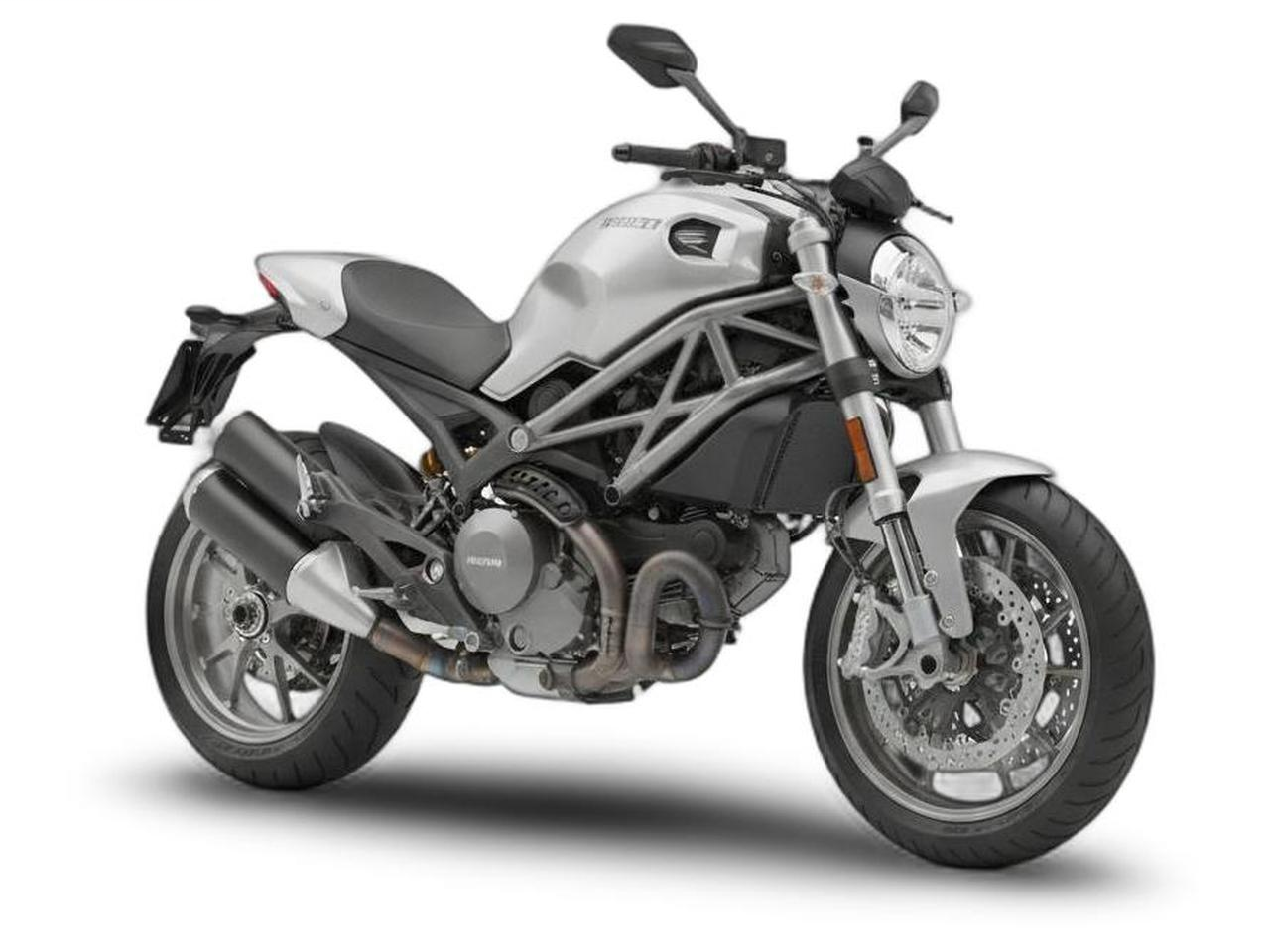
The Good
The 2010 Ducati Monster excels in exhilarating performance with its potent L-twin engine and sharp handling. Its iconic Italian design appeals to the emotions, while its rider-focused ergonomics offer surprising comfort for a sportbike. Value comes in its unique character and thrilling riding experience.
The Bad
Potential owners should be aware of the Monster's higher maintenance costs compared to some Japanese rivals. Electrical gremlins and a firm seat can be issues. Clutch operation can be heavy. Heat from the engine can be noticeable, especially in stop-and-go traffic.
2010 DUCATI Monster: Quick Overview
- Engine Options: The 2010 Ducati Monster was available with two primary engine options:
- Monster 696: 803cc, air-cooled, L-twin cylinder, 2 valves per cylinder, Desmodromic
- Monster 1100/1100 EVO: 1078cc, air-cooled, L-twin cylinder, 2 valves per cylinder, Desmodromic
- Horsepower:
- Monster 696: Approximately 80 HP
- Monster 1100/1100 EVO: Approximately 95-100 HP
- Fuel Economy: Typically in the range of 35-45 MPG, depending on riding style and specific model.
- 0-60 Times:
- Monster 696: Around 3.5 - 4.0 seconds
- Monster 1100/1100 EVO: Around 3.0 - 3.5 seconds
- Towing Capacity: Not applicable, as this is a motorcycle.
- Trim-Level Features:
- Monster 696: Featured a lightweight steel trellis frame, single-sided swingarm, ABS (optional on some), digital instrumentation, and a relaxed riding position. It was designed as an accessible entry into the Monster line.
- Monster 1100: Offered increased power and torque over the 696, typically featuring higher-spec suspension (e.g., fully adjustable front forks), radial-mount brake calipers for enhanced stopping power, and a single-sided swingarm.
- Monster 1100 EVO: The top-tier model, it added further refinements, often including Ducati Traction Control (DTC), a sportier exhaust system, and upgraded suspension components, aiming for a more performance-oriented experience while retaining usability. All models shared the signature Ducati styling, powerful L-twin engine character, and agile handling characteristics.
2010 DUCATI Monster Specifications
Vehicle Information
| Year | 2010 |
| Make | DUCATI |
| Model | Monster |
| Trim | - |
| Style | - |
| Type | Motorcycle |
| Category | Motorcycle |
Manufacturing Details
| Made In | Italy |
| Manufacturing City | - |
Dimensions
| Doors | - |
| Curb Weight | - |
| Gross Vehicle Weight Rating | - |
| Overall Height | - |
| Overall Length | - |
| Overall Width | - |
| Wheelbase Length | - |
| Standard Seating | - |
Engine & Performance
| Engine | 695CC |
| Engine Size | 695L |
| Engine Cylinders | - |
| Transmission | - |
| Transmission Type | - |
| Transmission Speeds | - |
| Drivetrain | - |
Additional Features
| Anti-Brake System | - |
| Steering Type | - |
Pricing
| Manufacturer Suggested Retail Price (MSRP) | - |
| Invoice Price | - |
| Delivery Charges | - |
Vehicle History Report
Specifications
History
Events
History Check
Check
Check
Check
Check
Listings
Recalls
Check
Analysis
What Problems Does the 2010 DUCATI Monster Have?
Another area to watch out for is the clutch. Ducati's dry clutch, while iconic and offering a distinct sound and feel, can be prone to wear if not properly maintained or if subjected to heavy city riding. Stalling from a stop or a grabby engagement can indicate wear. Maintenance of the clutch plates and proper fluid levels are crucial.
Heat management is also a common talking point. The air-cooled L-twin engines, especially the larger 1100cc variants, can generate significant heat, which can be felt by the rider, particularly in warmer weather or in stop-and-go traffic. This isn't necessarily a 'problem' in terms of mechanical failure, but it can affect rider comfort.
Regarding recalls, it's always advisable to check the National Highway Traffic Safety Administration (NHTSA) website for any specific recalls issued for the 2010 model year. However, common recall themes for Ducati motorcycles of this period have sometimes involved issues with brake lines, fuel line connections, or certain electronic components.
Long-term reliability is often tied to how well the motorcycle has been maintained. Ducatis, in general, require more diligent and specialized maintenance than some of their Japanese counterparts. Adhering to the recommended service intervals, using the correct fluids and parts, and having a qualified technician perform the work are paramount for ensuring the longevity and reliability of a 2010 Monster. Neglecting maintenance can exacerbate potential issues and lead to more significant and expensive problems down the line.
How long will the 2010 DUCATI Monster last?
Long-term durability is significantly influenced by adherence to Ducati's specific maintenance schedule. The Desmodromic valve system, for instance, requires periodic adjustments which, if neglected, can lead to performance degradation and potential damage. Weaknesses over time often manifest in electrical components, as mentioned previously, and wear on the dry clutch. The trellis frame is robust, but corrosion can affect exposed metal parts if not protected. Regular cleaning, proper storage, and prompt attention to any developing issues are key to maximizing its lifespan.
What Technology & Safety Features are Included?
Technology & Entertainment: The primary technological interface is the digital instrument cluster. This typically includes a speedometer, tachometer, odometer, trip meters, engine temperature warning light, oil pressure warning light, and fuel level warning light. Some models, particularly the 1100 EVO, might feature a more advanced LCD display with additional readouts. Entertainment features, in the automotive sense, are non-existent; the focus is on the sound and feel of the engine and the road.
Driver-Assistance Features: For 2010, advanced driver-assistance systems (ADAS) as found in cars were not a feature on motorcycles like the Monster. The primary 'assistance' comes from the bike's chassis and suspension tuning, designed for agile handling. The Monster 1100 EVO did offer Ducati Traction Control (DTC) as a significant technological advancement for a motorcycle of this type at the time. DTC is designed to detect rear-wheel slip and intervene by reducing engine power to maintain traction.
Safety Features: Safety features are primarily focused on braking and chassis stability. Anti-lock Braking System (ABS) was an optional feature on many 2010 Monster models, significantly enhancing braking safety, especially in emergency situations or on slippery surfaces. The powerful Brembo brakes themselves are a key safety component. The exposed nature of a naked bike, while contributing to its aesthetic, also means less protection in a fall compared to a faired sportbike.
Crash-Test Ratings: Unlike automobiles, motorcycles are not subjected to standardized crash-test ratings (e.g., NHTSA, IIHS). Safety is assessed through engineering, braking performance, chassis stability, and the availability of optional safety systems like ABS and DTC. The robust trellis frame is designed for rigidity and impact absorption.rider assistance is the bike itself.
What Colors Options are Available?
2010 DUCATI Monster Prices and Market Value
Currently, the used market for a 2010 Ducati Monster can see prices ranging from approximately $5,000 to $9,000, with the 1100 models and the EVO trim generally fetching higher prices. Depreciation for high-performance motorcycles like the Monster is often steeper in the initial years compared to economy cars, but their value can stabilize or even increase for well-maintained, desirable models over time.
Factors significantly affecting resale value include mileage, overall condition (cosmetic and mechanical), maintenance history (especially documented Desmo service), the presence of desirable optional equipment like ABS or aftermarket performance parts, and whether the bike has been dropped or involved in accidents. Iconic styling and brand prestige also help maintain a strong residual value among enthusiasts.
2010 DUCATI Monster Cost of Ownership
2010 DUCATI Monster Fuel Efficiency
2010 DUCATI Monster Warranty
Basic
Powertrain
Rust
2010 DUCATI Monster Insurance
reasonable repair costs.
How Does the 2010 DUCATI Monster Compare to Other Motorcycle?
Performance: The Monster's L-twin engine offers a distinctive torque-rich, characterful power delivery that many riders adore. Its trellis frame provides excellent feedback and sharp handling. In comparison, the Triumph Street Triple typically offers a more rev-happy, refined inline-triple engine and equally agile handling, often feeling lighter. The Yamaha FZ8 provides a more linear, accessible powerband from its inline-four, with competent but perhaps less communicative handling. The BMW F 800 R offers a more practical, touring-oriented parallel-twin, with a focus on usability and fuel efficiency.
Features: The 2010 Monster is relatively spartan on electronic rider aids compared to some rivals of later years, though the 1100 EVO introduced DTC. Optional ABS was available. The Triumph Street Triple often came with good quality suspension and brakes, and a digital dash. The FZ8 and F 800 R might offer slightly more creature comforts or more modern instrumentation for their price point.
Reliability: This is where the Monster traditionally faces its biggest challenge against rivals. Japanese brands like Yamaha and Triumph generally have a reputation for superior reliability and lower maintenance costs. Ducati's maintenance, particularly the Desmo service, is more involved and expensive, and electrical gremlins can be more common. The BMW F 800 R often holds a good balance of reliability and manageable maintenance.
Price: The 2010 Monster was generally priced at the higher end of this segment when new. On the used market, its price is competitive but often higher than comparable Japanese models with similar mileage and condition, reflecting its premium brand status.
Alternatives:
- Similar: Triumph Street Triple (2010-2012): Offers comparable performance and handling with a more reliable and less maintenance-intensive package, often at a slightly lower used price point.
- Similar: Yamaha FZ8 (2011-2013): A more user-friendly and reliable option with a smooth inline-four engine, though it may lack the same raw character and Italian flair.
- Different but Recommended: BMW F 800 R: If practicality, fuel economy, and slightly lower running costs are priorities, the F 800 R is a solid alternative with a capable parallel-twin engine.
Ultimately, the 2010 Monster appeals to riders prioritizing visceral feel, Italian design, and a unique riding experience, willing to accept higher maintenance costs for its distinctive character. If bulletproof reliability and lower ownership costs are paramount, alternatives like the Triumph or Yamaha might be a better fit.
Final Verdict: Is the 2010 DUCATI Monster a Good Motorcycle?
Whether it's worth buying hinges on the buyer's priorities and budget for maintenance. For the right person, a well-maintained used 2010 Monster is an excellent value, offering a significant dose of Italian exotica at a depreciated price. It is definitely worth buying if you're aware of and prepared for its maintenance needs.
It's best purchased used, as new pricing was at a premium. Specific trims to consider would be the 1100 or 1100 EVO for more power, while the 696 is a more accessible entry point. Prioritize bikes with documented service history, especially recent Desmo services. Avoid bikes with high mileage and a questionable maintenance record unless you're prepared for significant investment.

Eugene S
Eugene is an automotive enthusiast with over 15 years of experience in the used car market. As a writer at VINCheck.info, he brings deep industry insight and a passion for cars, helping readers make smart, informed decisions. Eugene has written hundreds of used car reviews and is known for breaking down complex automotive topics into clear, actionable advice. Over the years, he has driven and worked on a wide range of vehicles—starting with tuning street cars in his early days and eventually focusing on performance upgrades and reliability improvements. Today, he specializes in evaluating used vehicles through the lens of real-world ownership and enthusiast needs. A longtime fan of Porsche, Eugene especially appreciates vehicles that blend durability with driving enjoyment.