
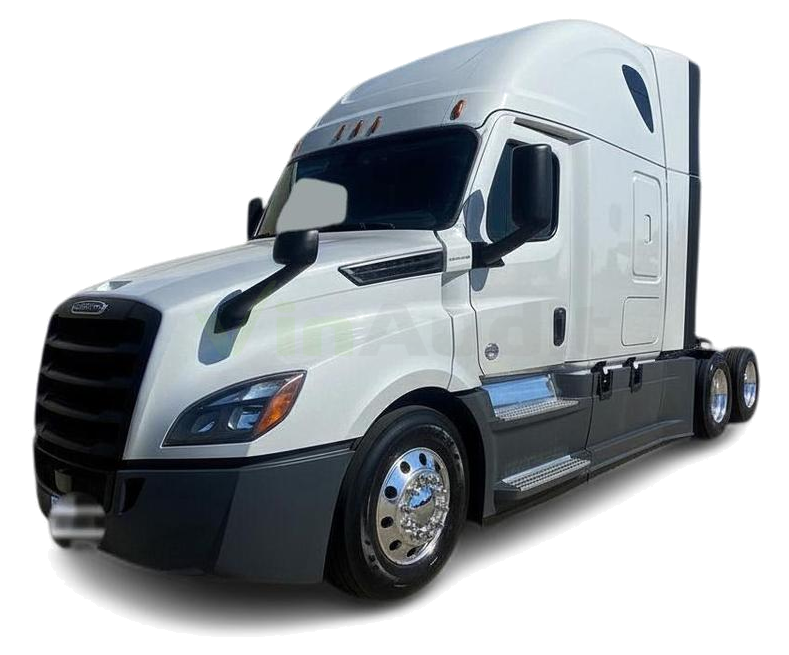
The Good
The 2021 Freightliner Cascadia offers significant advantages through its optimized performance, achieving best-in-class fuel efficiency thanks to its aerodynamic design and integrated Detroit powertrains. Its legendary reliability minimizes downtime, appealing to practical buyers focused on operating costs. Comfort features like spacious cabs and quiet rides appeal to emotional buyers and drivers' well-being. The robust design and high resale value underscore its overall value proposition for long-term fleet management.
The Bad
While generally reliable, the 2021 Freightliner Cascadia can exhibit weaknesses. Owners occasionally report issues with DEF systems, specific sensor failures, and infotainment system glitches. Some drivers also note that while comfortable, the interior materials, particularly in base trims, may not hold up as well over extended heavy use compared to some rivals, leading to quicker wear and tear.
2021 Freightliner Cascadia: Quick Overview
The 2021 Freightliner Cascadia is engineered for demanding commercial applications, offering a robust set of specifications tailored for efficiency and performance.
- Engine Options: The primary engine offered is the Detroit DD15, a 14.8-liter inline-six diesel engine, celebrated for its balance of power and fuel efficiency. Other available options include the smaller Detroit DD13 (12.8-liter) for lighter loads or vocational applications, and the larger Detroit DD16 (15.6-liter) for extreme heavy-haul scenarios. Cummins X15 engines are also available as an alternative powertrain choice, providing flexibility for diverse fleet needs.
- Horsepower: Horsepower ranges widely depending on the engine and specific tuning. For the DD15, outputs typically span from 400 HP to 505 HP, with torque figures reaching up to 1,750 lb-ft. The DD13 offers 350-505 HP and up to 1,850 lb-ft of torque, while the DD16 can provide up to 600 HP and an impressive 2,050 lb-ft of torque. Cummins X15 engines offer comparable ranges, often from 400 to 605 HP.
- Fuel Economy: Fuel economy is a key selling point for the Cascadia, particularly with the integrated Detroit Powertrain, which includes the DD15 engine, Detroit DT12 automated manual transmission, and Detroit axles. With aerodynamic enhancements like fairings, roof deflectors, and optimized components, the Cascadia is designed to achieve industry-leading fuel efficiency, often exceeding 8 MPG in real-world long-haul operations, significantly reducing operating costs for fleets.
- 0-60 Times: For a Class 8 heavy-duty truck, 0-60 mph acceleration times are not a standard performance metric and are generally not provided. These vehicles are designed for hauling heavy loads efficiently, not rapid acceleration. Their focus is on sustained power, torque, and fuel economy.
- Towing Capacity: "Towing capacity" for Class 8 trucks is typically referred to as Gross Combination Weight Rating (GCWR). The 2021 Cascadia's GCWR can range significantly based on configuration, axle specifications, and engine choice, but it commonly exceeds 80,000 lbs (standard for Class 8) and can be configured for specialized heavy-haul applications up to 140,000 lbs or more with appropriate permits and equipment.
- Trim-Level Features: The Cascadia offers various cab configurations, including Day Cabs and multiple Sleeper Cab sizes (e.g., 48", 60", 72"). Features vary greatly but often include premium interiors with options for leather seats, refrigerators, microwaves, large bunks, swivel passenger seats, and ample storage. Technology trims include the Detroit Connect Virtual Technician for diagnostics, Detroit Assurance 5.0 suite of safety features, and a fully digital dashboard with customizable gauges. Aerodynamic packages and specialized vocational chassis options are also available, allowing extensive customization for specific operational needs.
2021 Freightliner Cascadia Specifications
Vehicle Information
| Year | 2021 |
| Make | Freightliner |
| Model | Cascadia |
| Trim | - |
| Style | - |
| Type | Truck |
| Category | Heavy Truck |
Manufacturing Details
| Made In | Mexico |
| Manufacturing City | SALTILLO |
Dimensions
| Doors | - |
| Curb Weight | - |
| Gross Vehicle Weight Rating | 33001 pounds |
| Overall Height | - |
| Overall Length | - |
| Overall Width | - |
| Wheelbase Length | - |
| Standard Seating | - |
Engine & Performance
| Engine | 14.8L I6 |
| Engine Size | 14.8L |
| Engine Cylinders | 6 |
| Transmission | - |
| Transmission Type | - |
| Transmission Speeds | - |
| Drivetrain | 6x4 |
Additional Features
| Anti-Brake System | - |
| Steering Type | - |
Pricing
| Manufacturer Suggested Retail Price (MSRP) | - |
| Invoice Price | - |
| Delivery Charges | - |
Vehicle History Report
Specifications
History
Events
History Check
Check
Check
Check
Check
Listings
Recalls
Check
Analysis
What Problems Does the 2021 Freightliner Cascadia Have?
Another area of concern can be electrical gremlins, particularly related to advanced electronic control modules and sensor arrays that manage everything from engine performance to driver-assistance systems. While Detroit Assurance 5.0 is highly effective, occasional sensor calibration issues or wiring harness problems can trigger warning lights or temporary system malfunctions. Drivers sometimes report problems with the HVAC system, ranging from poor cooling performance to fan motor failures, which can greatly impact driver comfort on long hauls.
Recalls for the 2021 model year Cascadia have included issues such as potential loose battery connections that could lead to power loss, specific brake valve manufacturing defects, and issues with certain steering shaft components that might affect steering control. It's crucial for owners to check the NHTSA database for any open recalls by VIN. Long-term, components like turbochargers, EGR valves, and DPF filters, common failure points in modern diesels, will eventually require significant maintenance or replacement, impacting total cost of ownership. The integrated Detroit Powertrain generally holds up well, but specific component failures within the DT12 automated manual transmission (e.g., clutch actuators, sensors) have been reported, particularly in older models, though improvements are continually made. Proper, consistent preventative maintenance is key to mitigating these potential issues and maximizing the vehicle's lifespan.
How long will the 2021 Freightliner Cascadia last?
Over time, weaknesses can emerge in high-wear components like suspension bushings, kingpins, and driveline components. Emissions system components (DEF, DPF) also tend to require more frequent attention as they age. While the Detroit engines and transmissions are generally robust, neglected maintenance can lead to premature failure of these expensive parts, ultimately diminishing the vehicle's long-term durability and increasing overall operational expense.
What Technology & Safety Features are Included?
For driver convenience and entertainment, the Cascadia offers a modern digital dashboard that provides customizable gauges and information displays, reducing clutter and improving readability. Integrated infotainment systems, often featuring large touchscreens, support navigation, Bluetooth connectivity, and entertainment options. Optional amenities in sleeper cabs can include satellite TV preparation, premium sound systems, and dedicated power outlets for personal devices.
Telematics are heavily integrated through Detroit Connect services, offering features like Virtual Technician for remote diagnostics and fault code analysis, enabling proactive maintenance. Detroit Connect Analytics provides detailed performance data to optimize fleet operations. Crash-test ratings for heavy-duty trucks like the Cascadia are not conducted in the same manner as passenger vehicles by agencies like NHTSA or IIHS. Instead, safety is addressed through compliance with commercial vehicle regulations (FMCSA) and advanced active safety technologies like Detroit Assurance 5.0, which actively work to prevent accidents, rather than solely focusing on crashworthiness after an impact. The robust construction and advanced braking systems also contribute significantly to overall safety.
What Colors Options are Available?
2021 Freightliner Cascadia Prices and Market Value
In the current used market, a 2021 Cascadia can vary significantly based on mileage, condition, and maintenance history. Prices might range from $65,000 to $110,000 or more, with higher-spec sleeper models retaining more value. Heavy-duty trucks experience substantial depreciation, especially in their initial years, but tend to stabilize after 3-5 years. Factors affecting resale value include the overall condition of the drivetrain (engine, transmission, axles), emissions system health, cosmetic wear, and the presence of desirable features like advanced safety systems and comfortable interiors. A comprehensive service history is also critical for strong resale.
2021 Freightliner Cascadia Cost of Ownership
Maintenance and repairs are also costly. Routine service intervals are critical, with oil changes alone costing hundreds. Major repairs, such as emissions system components or transmission work, can easily run into thousands or tens of thousands. Tires are another significant recurring expense. Overall, the Cascadia is a costly vehicle to own, as are all heavy-duty trucks, though its efficiency and reliability aim to make it economical compared to less efficient alternatives, minimizing downtime and maximizing revenue potential.
2021 Freightliner Cascadia Fuel Efficiency
2021 Freightliner Cascadia Recalls & Defects
Service Brakes, Air:supply:quick Release Valve
Power Train:clutch Assembly
Suspension:rear:axle:spindle
Exterior Lighting:brake Lights
Exterior Lighting
Steering:linkages:tie ROD Assembly
Steering:critical Fasteners
Steering:linkages:tie ROD Assembly
Steering:linkages:drag:link:connection
Power Train:clutch Assembly
Engine
Tires:tread/Belt
Tires
Service Brakes, Hydraulic:foundation Components:disc:caliper
Exterior Lighting:headlights:bulbs
Electrical System:12v/24v/48v Battery:cables
Fuel System, Diesel:fuel Injection System:fuel Rail
Service Brakes, Air:antilock:modulator
Forward Collision Avoidance: Adaptive Cruise Control
Tires
Wheels:rim
Electronic Stability Control (Esc)
Electronic Stability Control (Esc)
Service Brakes, Air:antilock:modulator
Exterior Lighting:hazard Flashing Warning Lights
Exterior Lighting
2021 Freightliner Cascadia Warranty
Basic
Powertrain
Rust
2021 Freightliner Cascadia Insurance
reasonable repair costs.
How Does the 2021 Freightliner Cascadia Compare to Other Truck?
In terms of Performance and Efficiency, the Cascadia, especially with its integrated Detroit Powertrain, often leads the class in fuel economy due to its advanced aerodynamics and optimized engine/transmission integration. The Volvo VNL with its D13 Turbo Compound engine and I-Shift transmission is a close contender, also emphasizing efficiency. Kenworth T680 and Peterbilt 579, often powered by PACCAR engines (MX-13), offer strong performance and reliability but might slightly trail the Cascadia in peak aerodynamic efficiency in some configurations.
For Features, the Cascadia's Detroit Assurance 5.0 safety suite is among the most comprehensive, rivaled by Volvo's Active Driver Assist and Kenworth's TruckTech+. Interior comfort is a strong suit for all these premium trucks, with the Cascadia, T680, and 579 offering spacious, well-appointed sleeper options. The Cascadia's digital dash and Detroit Connect telematics are highly integrated, offering a modern driver experience comparable to or slightly ahead of its peers.
Reliability is a strong point across the board for these leading manufacturers. Freightliner's Detroit engines have a solid reputation, as do PACCAR's MX-13 and Volvo's D13. However, perceived reliability can sometimes be subjective and tied to specific fleet maintenance practices. All these trucks rely heavily on complex emissions systems which are common sources of issues across brands.
Regarding Price, the Cascadia tends to be competitively priced, often offering a strong value proposition given its features and efficiency. Kenworth and Peterbilt models typically command a slightly higher premium due to their strong brand perception and customizable options, though all Class 8 trucks are substantial investments. Volvo VNL prices are generally competitive with Cascadia.
Recommendations: For fleets prioritizing maximum fuel efficiency and integrated safety technology, the Cascadia remains a top choice. However, if a driver prefers a more traditional "driver's truck" feel and rugged aesthetics, the Kenworth T680 or Peterbilt 579 are excellent, comparable alternatives offering similar reliability and comfort. The Volvo VNL is also a strong alternative, especially known for its comfortable cab and integrated safety.
Final Verdict: Is the 2021 Freightliner Cascadia a Good Truck?
It is definitely worth buying, especially as a used truck from 2021, given that its initial depreciation has already occurred, offering significant value. When buying used, prioritize models with a complete maintenance history, ideally with Detroit Connect service records, to ensure the longevity of the engine and emissions system. Opt for models equipped with the Detroit Assurance 5.0 safety suite for enhanced safety and potentially better resale value. New Cascadia models are excellent for fleets seeking the latest technology and warranty support. For individual owner-operators, carefully consider the cost of advanced repairs on emission systems over time.

Drew B
Drew is a seasoned automotive expert and contributor to VinCheck.info. With nearly 15 years of experience as a former Porsche technician, he brings a wealth of hands-on knowledge to his writing. Born in North Carolina, a region renowned for its deep-rooted NASCAR culture, Drew developed a passion for cars early in life, often building and working on vehicles from a young age. At VINCheck, Drew leverages his extensive technical background to provide in-depth analyses of various vehicles. His articles often focus on engine performance, reliability, and maintenance insights, offering readers practical information grounded in real-world experience. Some of his notable contributions include reviews on the Mazda CX-5's longevity and detailed examinations of engine options for models like the 2011 Toyota Camry and Tacoma