
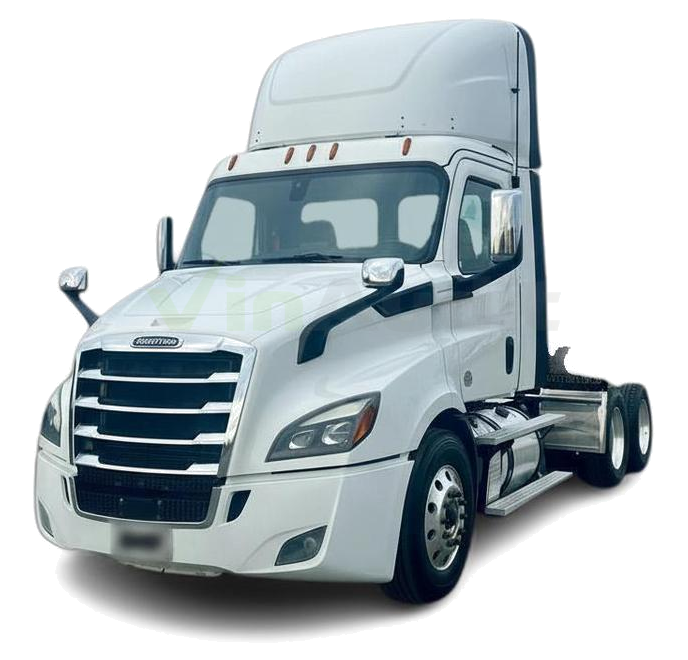
The Good
The 2019 Freightliner Cascadia offers exceptional fuel efficiency due to its aerodynamic design, robust Detroit engines ensuring reliable performance, and a driver-centric cab for superior comfort. Its advanced safety features and telematics appeal to practical buyers, while its reputation for uptime and innovation fosters strong emotional appeal among fleet managers and owner-operators alike.
The Bad
While generally reliable, some 2019 Freightliner Cascadias have experienced issues with the Diesel Particulate Filter (DPF) system, electrical glitches, and occasional sensor malfunctions. The extensive use of complex electronic systems can make diagnostics and repairs more challenging. Additionally, certain interior trim components might show wear quicker than expected under heavy use.
2019 Freightliner Cascadia: Quick Overview
- Engine Options: The primary engine is the Detroit DD15, but options also include the Detroit DD13 and DD16. Some models might feature Cummins X15 engines.
- Horsepower: Ranges typically from 400 HP to 600 HP, with the DD15 often found in the 400-505 HP range, and the DD16 offering up to 600 HP for heavy-haul applications.
- Torque: Varies significantly with engine choice, often between 1,550 lb-ft and 2,050 lb-ft.
- Fuel Economy: A major selling point, with optimized models (e.g., Cascadia Evolution) achieving 7-9 MPG or even higher in certain applications, thanks to aerodynamic enhancements and efficient powertrain integration.
- 0-60 Times: Not typically measured for heavy-duty trucks in the same way as passenger vehicles. Performance is focused on torque and sustained pulling power, not rapid acceleration.
- Towing Capacity: As a Class 8 tractor, it's designed to pull trailers with Gross Combination Weight Ratings (GCWR) ranging from 80,000 lbs up to 140,000 lbs or more, depending on configuration and regulations.
- Trim-Level Features:
- Day Cab: Designed for local and regional hauling, focusing on maneuverability and lower tare weight. Features ergonomic seating, basic infotainment, and robust construction.
- Sleeper Cab (e.g., 48-inch, 60-inch, 72-inch Mid-Roof XT, Raised Roof): Offers various levels of living space and amenities for long-haul drivers. Features include spacious bunk areas, ample storage, refrigerators, microwave prep areas, comfortable mattresses, and advanced climate control.
- Interior: Driver-centric cockpit with ergonomic controls, adjustable steering column, premium seating options (air-ride, heated/cooled), and advanced insulation for a quiet ride.
- Exterior: Aerodynamic fairings, bumper and chassis skirts, LED lighting, and optional chrome accents.
- Technology: Detroit Assurance suite of safety features, advanced telematics systems (Detroit Connect), touchscreen infotainment with navigation, Bluetooth, and SiriusXM capability.
- Powertrain Integration: Optimized drivelines with Detroit DT12 automated manual transmissions for maximum efficiency and ease of operation.
2019 Freightliner Cascadia Specifications
Vehicle Information
| Year | 2019 |
| Make | Freightliner |
| Model | Cascadia |
| Trim | - |
| Style | Base Truck RWD 10AT 12.8L I6 |
| Type | Pickup Truck |
| Category | passenger |
Manufacturing Details
| Made In | United States |
| Manufacturing City | CLEVELAND |
Dimensions
| Doors | 2-Door |
| Curb Weight | - |
| Gross Vehicle Weight Rating | - |
| Overall Height | - |
| Overall Length | - |
| Overall Width | - |
| Wheelbase Length | - |
| Standard Seating | - |
Engine & Performance
| Engine | 12.8L I6 |
| Engine Size | 12.8L |
| Engine Cylinders | 6 |
| Transmission | 10-Speed Automatic |
| Transmission Type | Automatic |
| Transmission Speeds | 10-Speed |
| Drivetrain | Rear-Wheel Drive |
Additional Features
| Anti-Brake System | - |
| Steering Type | - |
Pricing
| Manufacturer Suggested Retail Price (MSRP) | - |
| Invoice Price | - |
| Delivery Charges | - |
Vehicle History Report
Specifications
History
Events
History Check
Check
Check
Check
Check
Listings
Recalls
Check
Analysis
What Problems Does the 2019 Freightliner Cascadia Have?
Recalls for the 2019 model year have included various issues, such as potential steering gear tie rod fastener failures, which could lead to a loss of steering control; issues with brake valve components; and concerns related to the auxiliary power unit (APU) fuel lines posing a fire risk. It's crucial for potential buyers to check the VIN for all applicable recalls and ensure they have been addressed.
Long-term reliability concerns often center on the complexity of the emissions systems, which require meticulous maintenance and can be sensitive to fuel quality. Turbocharger failures, EGR valve issues, and occasional problems with the Detroit DT12 automated manual transmission (though generally robust) have also been noted. Owners often report that staying on top of preventative maintenance, especially for the emissions system, is critical to avoiding major long-term issues and expensive repairs. Regular diagnostics and proactive sensor replacement can mitigate some of these common problems.
How long will the 2019 Freightliner Cascadia last?
What Technology & Safety Features are Included?
For entertainment and connectivity, the Cascadia offers a robust infotainment system with a large touchscreen display, typically integrating navigation, Bluetooth connectivity, SiriusXM satellite radio, and USB inputs. Many models include a premium sound system. The cab environment is further enhanced with a digital driver display providing critical vehicle information and diagnostics.
Optional safety features include a Side Object Detection system, which uses radar to alert the driver to objects in blind spots, and LED headlamps for improved nighttime visibility. The truck also integrates with Detroit Connect telematics, offering remote diagnostics, vehicle performance data, and fuel efficiency reports, which are invaluable for fleet management and proactive maintenance.
While heavy-duty trucks do not undergo NHTSA crash-test ratings in the same way passenger vehicles do, the Cascadia's robust construction, advanced braking systems (ABS, traction control), and suite of active safety technologies are designed to minimize accident risk and enhance overall road safety. The design also focuses on driver visibility and ergonomic controls to reduce fatigue and improve operational safety.
What Colors Options are Available?
2019 Freightliner Cascadia Prices and Market Value
Depreciation is influenced by several factors: high mileage is the primary driver, as these trucks accrue hundreds of thousands of miles quickly. Engine and transmission type (e.g., Detroit DD15 with DT12 automated manual transmission often holds value better), maintenance history, and the overall condition of the truck (including tires, interior wear, and exterior damage) also significantly impact resale value. A clean title and verifiable service records are crucial for fetching a higher price. The demand for used Class 8 trucks also plays a role, with market fluctuations affecting values.
2019 Freightliner Cascadia Cost of Ownership
2019 Freightliner Cascadia Fuel Efficiency
2019 Freightliner Cascadia Insurance
reasonable repair costs.
How Does the 2019 Freightliner Cascadia Compare to Other Pickup Truck?
Performance: The Cascadia, especially with the Detroit DD15 and DT12 automated manual transmission, offers a compelling balance of power and leading fuel efficiency. The DD15 is known for its strong torque curve. Kenworth and Peterbilt often use Cummins X15 engines, which are also powerful and reliable, but the Cascadia's integrated Detroit powertrain package is hard to beat for efficiency.
Features: The Cascadia excels in integrated driver-assistance (Detroit Assurance) and telematics (Detroit Connect), which are arguably more advanced and cohesive than some rivals' offerings. Volvo's VNL also boasts excellent safety features with Volvo Active Driver Assist. Kenworth and Peterbilt offer more luxurious interiors and traditional styling, but the Cascadia's ergonomic, driver-focused cockpit is highly practical.
Reliability: All top-tier trucks have their known issues. Cascadia's DPF/DEF systems are a frequent point of concern, similar to other manufacturers. Kenworth and Peterbilt, with their Cummins engines, often have a reputation for robust powertrains. Volvo's integrated systems are also generally reliable.
Price: New, their pricing is largely competitive. On the used market, Cascadias tend to be more abundant, which can sometimes lead to slightly lower prices compared to equally spec'd Kenworth or Peterbilt models, which often command a premium due to brand perception.
Alternatives:
- Volvo VNL: A strong alternative, particularly for safety and driver comfort, often boasting similar or slightly better fuel economy, and known for its robust Volvo I-Shift transmission.
- Kenworth T680 / Peterbilt 579: Excellent choices for those prioritizing classic styling, premium interior finishes, and the proven reliability of Cummins X15 engines. They may come at a slightly higher price point.
- International LT Series: Offers a competitive package, especially with its A26 engine, focusing on uptime and efficiency, often available at a more competitive price point than its rivals.
Final Verdict: Is the 2019 Freightliner Cascadia a Good Pickup Truck?
Focus on models with the Detroit DD15 engine and DT12 automated manual transmission for optimal performance and efficiency. Buyers should be prepared for the ongoing maintenance requirements of the complex emissions systems. While new Cascadias offer the latest tech, a well-maintained used 2019 model offers significant value for money, making it a strong contender in the heavy-duty truck market for its blend of practicality and advanced features.

Jovan
Jovan specializes in interpreting vehicle records and making sense of VIN data. With over 10 years of experience in the automotive data industry, his work ensures that every report is clear, accurate, and useful for car buyers.