
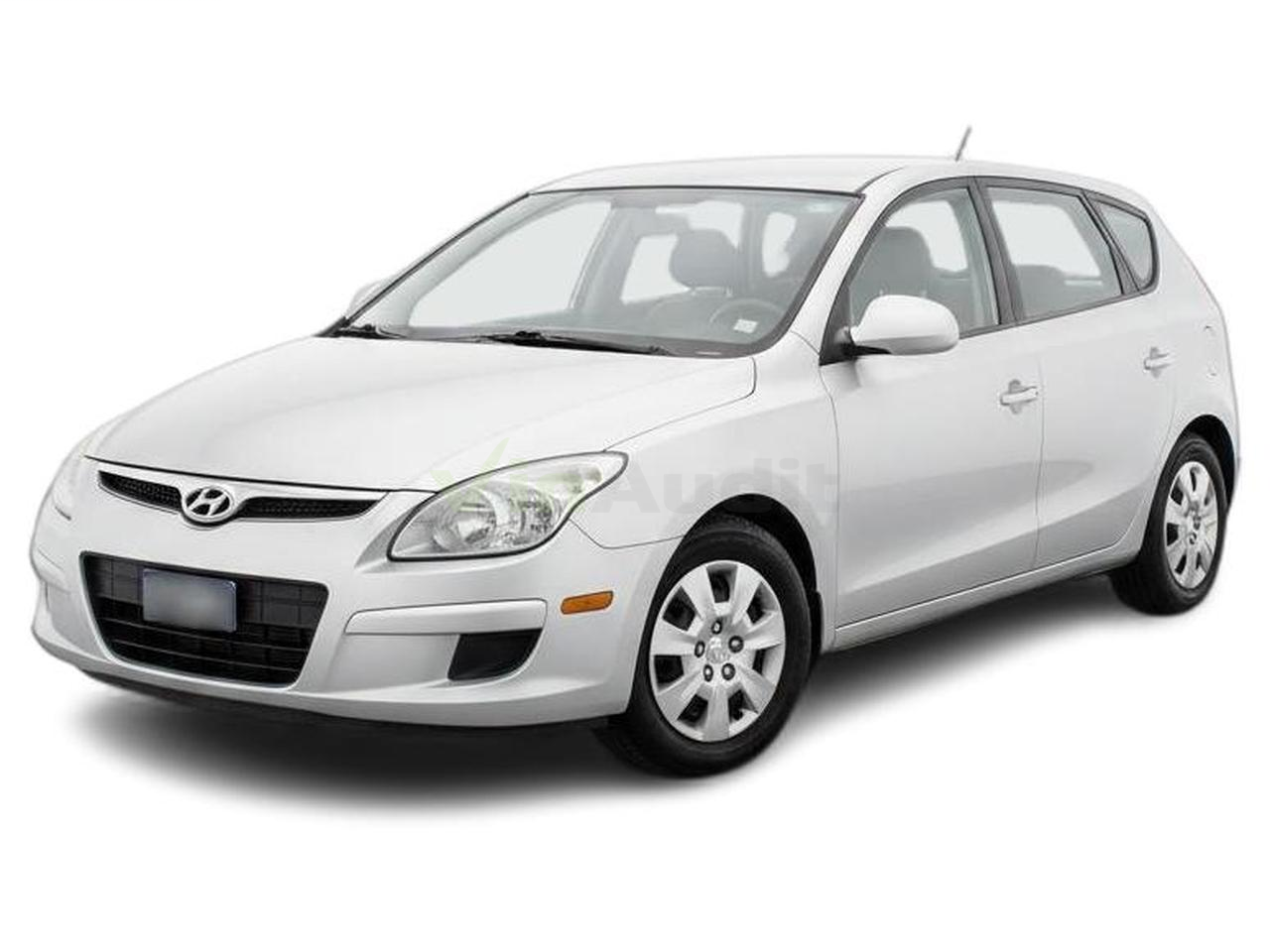
The Good
The 2010 Elantra Touring offers reliable performance and impressive practicality, making it a strong value proposition. Its spacious and comfortable interior, combined with excellent cargo versatility, appeals to practical buyers seeking utility. Decent fuel efficiency and a reputation for solid reliability offer peace of mind, while its straightforward, functional design emotionally connects with those valuing sensible, no-nonsense transportation.
The Bad
Potential weaknesses for the 2010 Elantra Touring include a somewhat noisy cabin at highway speeds and interior materials that, while durable, feature an abundance of hard plastics. Its 2.0L engine, while efficient, offers only adequate acceleration, not spirited performance. Handling is competent but lacks the "sporty" feel of some rivals, and suspension components may require attention over time.
2010 Hyundai Elantra Touring: Quick Overview
- Engine Options: The 2010 Hyundai Elantra Touring was exclusively powered by a single engine option for the U.S. market, a 2.0-liter DOHC (Dual OverHead Cam) inline 4-cylinder engine. This engine features variable valve timing for improved efficiency and performance.
- Horsepower: This 2.0-liter engine produced a respectable 138 horsepower at 6,000 rpm and 136 lb-ft of torque at 4,600 rpm. Power was sent to the front wheels.
- Fuel Economy: Official EPA estimates for the 2010 model year were quite competitive for its class:
- With the 5-speed manual transmission: 23 mpg city / 31 mpg highway / 26 mpg combined.
- With the 4-speed automatic transmission: 23 mpg city / 30 mpg highway / 26 mpg combined.
- With the 5-speed manual transmission: 23 mpg city / 31 mpg highway / 26 mpg combined.
- 0-60 Times: The Elantra Touring was not built for speed, offering adequate acceleration for daily driving. Estimates for 0-60 mph typically range from approximately 8.5 to 9.5 seconds, depending on transmission and conditions.
- Towing Capacity: The 2010 Hyundai Elantra Touring was not officially rated or recommended for towing in the North American market. While a small hitch might be used for bike racks or light cargo carriers, proper towing capacity is not published by Hyundai for this model.
- Trim-Level Features: The 2010 Elantra Touring was available in two main trim levels:
- GLS: This base trim came well-equipped with standard features including 15-inch steel wheels, air conditioning, power windows, power door locks, heated power mirrors, a tilt steering wheel, a 60/40 split-folding rear seat, roof rack side rails, and an AM/FM/CD/MP3 audio system with a USB port and auxiliary input jack. ABS and six airbags were also standard.
- SE: Building upon the GLS, the SE trim added more upscale and sporty features. These included 17-inch alloy wheels, a sport-tuned suspension, fog lights, a leather-wrapped steering wheel and shift knob, steering-wheel-mounted audio controls, cruise control, trip computer, heated front seats, and a cargo cover. Electronic Stability Control (ESC) and Traction Control (TC) were standard on the SE, and an optional power sunroof was available.
- GLS: This base trim came well-equipped with standard features including 15-inch steel wheels, air conditioning, power windows, power door locks, heated power mirrors, a tilt steering wheel, a 60/40 split-folding rear seat, roof rack side rails, and an AM/FM/CD/MP3 audio system with a USB port and auxiliary input jack. ABS and six airbags were also standard.
2010 Hyundai Elantra Touring Specifications
Vehicle Information
| Year | 2010 |
| Make | Hyundai |
| Model | Elantra |
| Trim | - |
| Style | - |
| Type | Sedan |
| Category | Passenger Van |
Manufacturing Details
| Made In | Korea |
| Manufacturing City | - |
Dimensions
| Doors | - |
| Curb Weight | - |
| Gross Vehicle Weight Rating | - |
| Overall Height | - |
| Overall Length | - |
| Overall Width | - |
| Wheelbase Length | - |
| Standard Seating | - |
Engine & Performance
| Engine | 2.0L L4 |
| Engine Size | 2L |
| Engine Cylinders | 4 |
| Transmission | - |
| Transmission Type | - |
| Transmission Speeds | - |
| Drivetrain | Front-Wheel Drive |
Additional Features
| Anti-Brake System | - |
| Steering Type | - |
Pricing
| Manufacturer Suggested Retail Price (MSRP) | - |
| Invoice Price | - |
| Delivery Charges | - |
Vehicle History Report
Specifications
History
Events
History Check
Check
Check
Check
Check
Listings
Recalls
Check
Analysis
What Problems Does the 2010 Hyundai Elantra Touring Have?
Frequently Reported Problems:
- Suspension Components: Owners occasionally report premature wear of suspension components such as struts, sway bar links, and bushings. This can lead to clunking noises over bumps or a less composed ride. These are typical wear items, but some owners note they may need replacement earlier than expected.
- A/C System: While not widespread, some Elantra Touring owners have experienced issues with the air conditioning system, including compressor failures or leaks, particularly as the vehicle ages and accumulates mileage. This can be a relatively costly repair.
- Minor Electrical Issues: Less common, but minor electrical glitches might include erratic behavior of the tire pressure monitoring system (TPMS) sensors or issues with the audio system display or controls. These are generally nuisance issues rather than major failures.
- Catalytic Converter: On higher-mileage examples, some owners have reported catalytic converter failures, often indicated by a "Check Engine" light and associated error codes. This is a significant repair but not uniquely common to this model.
Recalls:
The 2010 Hyundai Elantra Touring has been subject to a few recalls, which are important for owners to verify have been addressed. One notable recall, affecting many Hyundai and Kia models of this vintage, involved the brake light switch. A faulty switch could prevent brake lights from illuminating, cause the cruise control to disengage, or prevent the shift lever from being moved out of park. Another recall concerned potential issues with the airbag system, specifically related to the Occupant Classification System (OCS) for the passenger front airbag. Owners should check the NHTSA website using their VIN to ensure all applicable recalls have been completed.
Long-Term Reliability Concerns:
Overall, the Elantra Touring holds up well over the long term, especially with consistent maintenance. The engine and transmission are generally robust units. The issues mentioned tend to be wear-and-tear items or minor inconveniences rather than major design flaws. Most owners find it to be a dependable vehicle that can achieve high mileage with proper care.
How long will the 2010 Hyundai Elantra Touring last?
However, weaknesses that tend to emerge over extended periods include the degradation of interior plastics and upholstery, typical suspension component wear (struts, bushings), and potential issues with the AC system. While these are common for older vehicles, they highlight areas where maintenance or repair might be necessary to keep the vehicle running smoothly and comfortably into high mileage.
What Technology & Safety Features are Included?
Built-in Tech and Entertainment:
- Audio System: Standard was an AM/FM/CD/MP3 stereo system. A significant plus for its time was the inclusion of both an auxiliary audio input jack and a USB port, allowing for easy connection of portable music devices. This was standard on all trims.
- Convenience: Power windows, power door locks, and heated power mirrors were standard across the board. The SE trim added cruise control and steering-wheel-mounted audio controls for enhanced convenience.
- No Advanced Infotainment: Do not expect a touchscreen interface, navigation system, or Bluetooth connectivity (unless added as an aftermarket option) in the 2010 model. Its tech was straightforward and user-friendly.
Driver-Assistance Features:
The 2010 Elantra Touring lacked modern driver-assistance technologies common today. There were no features like blind-spot monitoring, lane-keeping assist, adaptive cruise control, or forward collision warning systems. Driver assistance was limited to fundamental safety systems.
Safety Features:
Hyundai equipped the Elantra Touring with a solid set of passive and active safety features for its class and time:
- Airbags: Standard safety equipment included six airbags: dual front airbags, front seat-mounted side-impact airbags, and full-length side curtain airbags.
- Brakes: 4-wheel anti-lock brakes (ABS) with Electronic Brake-force Distribution (EBD) were standard, enhancing stopping power and control.
- Stability Control: Electronic Stability Control (ESC) and Traction Control (TC) were standard on the SE trim and optional on the GLS, a crucial safety enhancement that helped drivers maintain control in slippery conditions or during evasive maneuvers.
Crash-Test Ratings:
The 2010 Hyundai Elantra Touring received generally good crash-test ratings for its class:
- NHTSA (National Highway Traffic Safety Administration):
- Frontal Crash: 5 Stars (Driver), 4 Stars (Passenger)
- Side Crash: 5 Stars (Front Seat), 4 Stars (Rear Seat)
- Rollover: 4 Stars
- Frontal Crash: 5 Stars (Driver), 4 Stars (Passenger)
- IIHS (Insurance Institute for Highway Safety):
- Moderate Overlap Front: "Good" (Highest rating)
- Side Impact: "Good"
- Roof Strength: "Good"
- Head Restraints & Seats: "Acceptable"
- Moderate Overlap Front: "Good" (Highest rating)
These ratings indicate that the Elantra Touring provided a respectable level of occupant protection for a compact vehicle of its model year.
What Colors Options are Available?
2010 Hyundai Elantra Touring Prices and Market Value
Factors affecting its current resale value include overall mechanical and cosmetic condition, verifiable maintenance history, higher mileage generally lowering value, and the specific trim level (SE models often command a slight premium due to added features). Demand for reliable, economical transportation also plays a role in its stable, albeit modest, current market value.
2010 Hyundai Elantra Touring Cost of Ownership
2010 Hyundai Elantra Touring Fuel Efficiency
2010 Hyundai Elantra Touring Safety Rating
NHTSA
2010 Hyundai Elantra Touring Recalls & Defects
Exterior Lighting:brake Lights:switch
Structure:frame and Members
Steering:electric Power Assist System
Service Brakes, Hydraulic:antilock/Traction Control/Electronic Limited Slip:control Unit/module
2010 Hyundai Elantra Touring Insurance
reasonable repair costs.
How Does the 2010 Hyundai Elantra Touring Compare to Other Sedan?
Performance: The Elantra Touring's 138-hp 2.0L engine provided adequate, but not thrilling, acceleration. It offered a comfortable ride but lacked the sporty handling dynamics of the Mazda 3, which was often praised for its "zoom-zoom" driving experience. The VW Golf, particularly in TDI form, offered more torque and a more refined European feel. The Toyota Matrix/Pontiac Vibe were comparable in performance, leaning more towards practicality.
Features: Hyundai was known for offering a strong list of standard features for the price. The Elantra Touring came with standard USB/aux inputs and essential power accessories. The SE trim added desirable items like heated seats and alloy wheels. The Mazda 3 often had a more upscale interior feel and available navigation. The Golf boasted superior interior materials and a more sophisticated infotainment system (for its time), but often at a higher price point. Toyota Matrix/Vibe were similarly equipped for practicality.
Reliability: The Elantra Touring generally held its own against the segment's reliability leaders, the Toyota Matrix and Honda Civic (though the Civic hatch was less common in the US). Its powertrain was robust. The Mazda 3 was also reliable, though some early models had rust concerns. The VW Golf, while offering a premium feel, sometimes had a reputation for higher maintenance costs over the long term, particularly for older models.
Price: Hyundai's primary strength was its aggressive pricing and strong value. The Elantra Touring typically undercut its rivals, offering more features for the money, both new and on the used market. This made it a particularly attractive option for budget-conscious buyers.
Recommendations for Alternatives:
- For better driving dynamics: A used 2010 Mazda 3 hatchback offers a more engaging experience.
- For similar practicality and bulletproof reliability: The 2010 Toyota Matrix / Pontiac Vibe twins are excellent choices.
- For a more refined interior and European feel: A 2010 Volkswagen Golf would be a step up, though potentially with higher maintenance costs.
- For all-wheel drive: The 2010 Subaru Impreza hatchback is the only rival offering this as standard.
The 2010 Elantra Touring stands as a highly competitive and value-driven choice, especially for those prioritizing space and economy over sportiness.
Final Verdict: Is the 2010 Hyundai Elantra Touring a Good Sedan?
It is absolutely worth buying in the current used market, especially given its excellent value retention and low running costs. As a used vehicle, its significant depreciation is long past, making it an incredibly economical purchase. Buyers should seek out well-maintained examples with complete service records. The SE trim is generally recommended as it offers desirable features like heated seats, alloy wheels, and standard Electronic Stability Control for a modest price increase. For its blend of practicality, economy, and proven reliability, the Elantra Touring represents a smart and sensible choice for those on a budget.

Drew B
Drew is a seasoned automotive expert and contributor to VinCheck.info. With nearly 15 years of experience as a former Porsche technician, he brings a wealth of hands-on knowledge to his writing. Born in North Carolina, a region renowned for its deep-rooted NASCAR culture, Drew developed a passion for cars early in life, often building and working on vehicles from a young age. At VINCheck, Drew leverages his extensive technical background to provide in-depth analyses of various vehicles. His articles often focus on engine performance, reliability, and maintenance insights, offering readers practical information grounded in real-world experience. Some of his notable contributions include reviews on the Mazda CX-5's longevity and detailed examinations of engine options for models like the 2011 Toyota Camry and Tacoma