by VIN, Year, Make, Model by License Plate

2020 Peterbilt 579 Overview, Reviews, Ratings & Specs

Rating: 0.00
Based on 0 Owner Reviews
Jovan | October 1, 2025
The 2020 Peterbilt 579 is a prominent Class 8 aerodynamic highway tractor, first introduced in 2012. Its body style emphasizes efficiency and a modern conventional look. Key model years span from 2013, with this generation concluding before a major redesign for 2021. Trims include Day Cab, various Sleeper configurations (e.g., 80-inch), and the popular UltraLoft integrated sleeper. New pricing for 2020 models typically ranged from $150,000 to over $200,000. It stands out for its blend of Peterbilt's premium image, driver comfort, and aerodynamic efficiency, making it popular among owner-operators and fleets.
The Good

The 2020 Peterbilt 579 offers strong performance with robust PACCAR or Cummins engines and excellent reliability. Its aerodynamic design contributes significantly to fuel efficiency, appealing to practical buyers focused on operating costs. Emotionally, the 579 boasts exceptional driver comfort with premium interiors, spacious sleepers, and Peterbilt's iconic, prestigious styling, which also translates into strong resale value. It's a truck that balances luxury with duty.

The Bad

Known weaknesses for the 2020 Peterbilt 579 include a higher initial purchase price compared to some competitors. Owners should also watch out for potential complexities and costs associated with its sophisticated emissions systems (DPF, DEF). Minor electrical gremlins or interior trim durability issues have been reported by some owners over time, and parts for less common configurations can sometimes be challenging to source.

2020 Peterbilt 579: Quick Overview

  • Engine Options: The 2020 Peterbilt 579 primarily offered PACCAR MX-13 (12.9L), PACCAR MX-11 (10.8L), and Cummins X15 (14.9L) engines, providing a range of power and torque configurations to suit various applications.
  • Horsepower:
    • PACCAR MX-13: Typically ranged from 405 to 510 hp.
    • PACCAR MX-11: Ranged from 355 to 440 hp.
    • Cummins X15: Available from 400 hp up to 605 hp for heavier-duty applications.
  • Torque: Corresponding torque figures for these engines typically ranged from 1450 to 1850 lb-ft for the MX-13, 1250 to 1650 lb-ft for the MX-11, and 1450 to 2050 lb-ft for the Cummins X15.
  • Fuel Economy: Heavily dependent on factors like engine choice, transmission, aerodynamics, load, terrain, and driving habits, but generally hovered between 6-8 MPG. Optimized PACCAR powertrains and aerodynamic packages aim for peak efficiency.
  • 0-60 Times: Not a standard performance metric for Class 8 heavy-duty trucks, as their primary design focus is on torque and sustained pulling power for heavy loads, not rapid acceleration.
  • Towing Capacity (GCWR): The Gross Combination Weight Rating (GCWR) for the Peterbilt 579 generally starts at 80,000 lbs and can extend beyond 100,000 lbs for severe-duty or specialized configurations, depending on axle ratings and regulatory limits.
  • Trim-Level Features:
    • Day Cab: Standard, practical configurations for regional hauling without a sleeper.
    • Sleeper Cabs: Available in various lengths (e.g., 58-inch, 72-inch, 80-inch) offering increasing levels of living space, storage, and amenities like bunks, refrigerators, and entertainment prep.
    • UltraLoft Integrated Sleeper: A premium, highly sought-after option offering an expansive, stand-up height interior, large upper and lower bunks, ample storage, and often includes features like a microwave shelf, refrigerator prep, multiple power outlets, and a large dinette/work table.
    • Interior Options: SmartNav infotainment system, premium air-ride seats (heated/ventilated optional), various interior trim materials (wood grain, metallic), enhanced climate control, LED interior lighting, and extensive storage solutions.
    • Exterior Options: A variety of aerodynamic packages, fairings, custom paint choices, polished aluminum wheels, and chrome accents allow for significant customization.

2020 Peterbilt 579 Specifications

Vehicle Information
Year 2020
Make Peterbilt
Model 579
Trim -
Style -
Type Truck
Category Heavy Truck
Manufacturing Details
Made In United States
Manufacturing City DENTON
Dimensions
Doors -
Curb Weight -
Gross Vehicle Weight Rating 330001 pounds
Overall Height -
Overall Length -
Overall Width -
Wheelbase Length -
Standard Seating -
Engine & Performance
Engine 12.9L L6 DIESEL
Engine Size 12.9L
Engine Cylinders 6
Transmission Automatic
Transmission Type Automatic
Transmission Speeds -
Drivetrain 6x4
Additional Features
Anti-Brake System -
Steering Type -
Pricing
Manufacturer Suggested Retail Price (MSRP) -
Invoice Price -
Delivery Charges -

Vehicle History Report

Vehicle
Specifications
Ownership
History
All History
Events
NMVTIS Title
History Check
Salvage/Rebuilt
Check
Accident
Check
Theft
Check
Open Lien
Check
Past Sale
Listings
Safety
Recalls
Odometer
Check
Market Price
Analysis

What Problems Does the 2020 Peterbilt 579 Have?

For the 2020 Peterbilt 579, like many modern Class 8 trucks, frequently reported problems often revolve around its complex emissions control systems. Issues with Diesel Particulate Filters (DPF), Diesel Exhaust Fluid (DEF) systems, and Exhaust Gas Recirculation (EGR) components are common across the industry. This can lead to frequent fault codes, diagnostic trouble, and sometimes power derates. Sensor failures, particularly NOX sensors or DEF quality sensors, are also recurrent complaints. Beyond emissions, some owners have reported minor electrical issues, such as intermittent power to accessories in the sleeper or problematic connections, though these are often less severe. Occasional interior trim pieces can become loose or develop rattles over time due to constant vibration and use. Air system leaks are also a general heavy-duty truck concern that can arise.

Regarding recalls, the 2020 Peterbilt 579 was subject to a few significant ones. For instance, NHTSA Recall 20V-761 (issued December 2020) addressed certain Peterbilt Model 579 and other PACCAR trucks for potentially incorrect bolts attaching the steering gear to the frame rail, posing a serious risk of steering loss. Another, NHTSA Recall 20V-403 (issued July 2020), concerned certain 2020-2021 Peterbilt 579s (among others) for a potentially improperly manufactured steering shaft that could break, also leading to a loss of steering. Beyond these specific issues, Peterbilt, like other manufacturers, experiences periodic recalls related to common supplier parts, such as air brake components, lighting, or specific engine components that might affect various models. Long-term reliability of the core engine and drivetrain components (PACCAR MX or Cummins X15, Eaton transmissions) is generally very strong, provided regular, diligent maintenance is performed. The primary long-term reliability concern remains the aftertreatment system, which requires careful attention and can incur substantial repair costs if neglected.

How long will the 2020 Peterbilt 579 last?

A 2020 Peterbilt 579, particularly in long-haul operations, can accumulate significant mileage quickly, often exceeding 120,000 to 150,000 miles annually. With proper maintenance, owners typically operate these trucks for 5-7 years, translating to total mileages between 600,000 and 1,000,000 miles, with many units reaching 1.5 million miles or more before major component overhauls. The long-term durability of the frame, chassis, and primary drivetrain (PACCAR or Cummins engines, Eaton transmissions) is excellent. However, weaknesses over time often manifest in the emissions system, requiring costly repairs or replacements of DPFs, DEF components, or sensors. Air suspension components, interior wear (seats, bunk mattresses), and minor electrical connections also show age. Diligent preventative maintenance, regular oil changes, DPF cleaning, and prompt attention to warning lights are paramount to achieving high mileage and maximizing service life, mitigating the inherent complexities of modern heavy-duty trucks.

What Technology & Safety Features are Included?

The 2020 Peterbilt 579 offers a respectable suite of built-in technology, entertainment, driver-assistance, and safety features designed to enhance productivity, comfort, and safety on the road. Central to the cab's tech is the Peterbilt SmartNav system, an optional touch-screen infotainment unit. This system integrates navigation, AM/FM/SiriusXM radio, Bluetooth connectivity, and vehicle diagnostics into a user-friendly interface. Multiple USB charging ports, 12V power outlets, and optional 110V inverters ensure drivers can power and charge their personal devices and small appliances. Premium sound systems were also available for an enhanced audio experience.

In terms of driver-assistance, the 579 could be equipped with advanced systems, most notably the Bendix Wingman Fusion. This comprehensive Advanced Driver-Assistance System (ADAS) integrates radar and camera technology to provide critical safety functions. These include Forward Collision Warning, Active Braking (automatically applying brakes to mitigate or avoid collisions), Adaptive Cruise Control (maintaining a set distance from the vehicle ahead), and Lane Departure Warning. Blind-spot detection was also often included or available as part of such packages. Standard safety features include Electronic Stability Control (ESC), Traction Control, and Roll Stability Control, all designed to help maintain vehicle control in challenging conditions. The truck also came standard with anti-lock braking systems (ABS), with optional air disc brakes offering superior stopping power. While a driver-side airbag was a rare but sometimes optional feature, the 579's cab construction meets robust safety standards, often adhering to ECE R29 crashworthiness criteria for commercial vehicle cabs, ensuring structural integrity in the event of an impact. Formal crash-test ratings, like those for passenger cars from organizations like NHTSA or IIHS, are not typically conducted or published for Class 8 heavy-duty trucks; safety is instead validated through engineering standards and manufacturer testing. Optional features also included LED headlights and fog lights for improved visibility, predictive cruise control to optimize fuel economy based on topography, and various idle-reduction systems like APUs (Auxiliary Power Units) or optimized idle features.

What Colors Options are Available?

We’re working on this section!
In the meantime, feel free to explore the other sections for more content.

2020 Peterbilt 579 Prices and Market Value

When new in 2020, a Peterbilt 579 Day Cab typically started around $130,000 to $150,000. Well-equipped sleeper models, especially the UltraLoft, often ranged from $160,000 to over $200,000, depending on engine, transmission, and amenities. In the current used market (mid-2024), prices for a 2020 579 vary widely. Day cabs might fetch $50,000 - $80,000, while sleeper models with 400,000-600,000 miles generally command $70,000 - $110,000+, with lower mileage examples or UltraLoft versions reaching higher. Heavy-duty trucks experience significant depreciation in their first 3-5 years, but Peterbilt models tend to hold value better than some competitors due to brand reputation. Factors heavily affecting resale value include mileage, comprehensive maintenance records, engine type (PACCAR MX-13 or Cummins X15 are strong), transmission type (automated manuals are preferred), overall condition, and the presence of desirable features like an UltraLoft sleeper or advanced driver-assistance systems. Market demand, driven by freight rates, also plays a crucial role.

2020 Peterbilt 579 Cost of Ownership

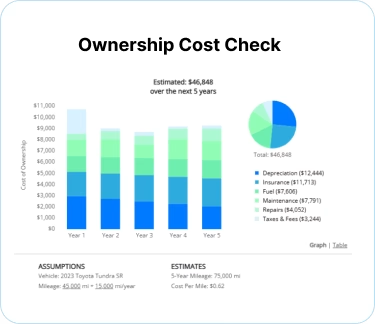
Owning a 2020 Peterbilt 579 is a significant financial commitment. Commercial insurance can range from $10,000 to $25,000+ annually, depending on coverage, driving history, and cargo. Fuel is the largest operating cost; at 6-8 MPG, a typical long-haul operation can easily incur $5,000-$10,000+ in monthly fuel expenses. Routine maintenance (oil changes, greasing, DPF cleaning) costs hundreds every 20,000-30,000 miles, with tire replacement being a major periodic expense. Repairs, especially for emissions systems or major drivetrain components, can be very costly, often $5,000 to $30,000+ for significant issues. Overall, the 2020 Peterbilt 579 is a costly vehicle to own, as are all Class 8 trucks. While it offers good efficiency for its class, long-term profitability requires rigorous budgeting, proactive maintenance, and efficient operation to manage these substantial ongoing expenses.

2020 Peterbilt 579 Fuel Efficiency

Fuel Type Diesel
Fuel Capacity -
City Mileage -
Highway Mileage -

2020 Peterbilt 579 Warranty

Basic
Original warranty 0 months / No data
Estimated remaining Expired
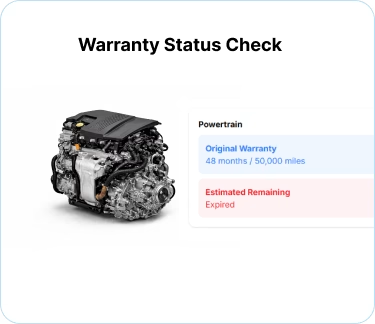
Powertrain
Original warranty 0 months / No data
Estimated remaining Expired
Rust
Original warranty 0 months / No data
Estimated remaining Expired

2020 Peterbilt 579 Insurance

Insurance for a 2020 Peterbilt 579 is moderately priced, reflecting its status as a Truck with strong safety ratings and
reasonable repair costs.

How Does the 2020 Peterbilt 579 Compare to Other Truck?

The 2020 Peterbilt 579 competes in a highly competitive Class 8 segment against formidable rivals such as the Freightliner Cascadia, Kenworth T680, Volvo VNL, International LT Series, and Mack Anthem.

In terms of Performance, most Class 8 trucks offer comparable capabilities, often using similar engine platforms like the Cummins X15, or proprietary engines such as PACCAR MX (579, T680), Detroit DD (Cascadia), or Volvo D13 (VNL). The 579's PACCAR MX engines are known for good torque and efficiency. No single truck dramatically outpaces the others in raw heavy-duty performance; differences lie in specific power curves and fuel mapping.

When it comes to Features, the Peterbilt 579 shines with its premium interior, driver comfort, and the spacious UltraLoft sleeper. Its SmartNav infotainment and Bendix Wingman Fusion ADAS are competitive. The Freightliner Cascadia is a leader in aerodynamics, fuel efficiency, and its Detroit Assurance ADAS, coupled with integrated Detroit powertrains. The Kenworth T680, being a PACCAR stablemate, is very similar to the 579, offering comparable comfort and premium feel. Volvo VNL emphasizes safety, boasts a quiet cab, smooth-shifting I-Shift AMT, and robust Volvo D13 engines. The International LT Series provides competitive efficiency and features, often at a slightly more accessible price point, while the Mack Anthem focuses on rugged durability and a distinct, driver-centric cabin design.

Reliability across all major brands is generally strong with proper maintenance. Emissions systems remain the most common pain point for all modern diesel trucks. Peterbilt and Kenworth often benefit from a perception of higher build quality, contributing to their strong resale values. Volvo and Freightliner also have excellent reliability records, particularly with their integrated powertrains.

Regarding Price, the Peterbilt 579 typically sits at the higher end of the spectrum, akin to the Kenworth T680 and top-tier Volvo VNL configurations. The Freightliner Cascadia often offers a compelling balance of features and price, making it the segment's volume leader. International and Mack typically compete on a slightly more aggressive initial pricing strategy.

Recommended Alternatives: For a very similar premium driving experience and shared components, the Kenworth T680 is an almost identical alternative. If maximum fuel efficiency, advanced ADAS, and a strong dealer network are top priorities, the Freightliner Cascadia is an excellent choice. For unparalleled safety and an integrated, refined powertrain, the Volvo VNL stands out.

Final Verdict: Is the 2020 Peterbilt 579 a Good Truck?

The 2020 Peterbilt 579 is an ideal truck for owner-operators and small fleets that prioritize driver comfort, a premium brand image, robust performance, and strong resale value in long-haul or regional applications. It appeals to those who appreciate the iconic Peterbilt styling and are willing to invest in a higher-end Class 8 vehicle.

It is definitely worth buying for the right individual or business. While purchasing new provides full customization and warranty, a used 2020 579 represents excellent value. When buying used, target well-maintained sleeper models, particularly the UltraLoft, with verifiable service records and ideally some remaining engine/aftertreatment warranty or recent major component work. Thoroughly inspect the emissions system. Examples with under 500,000 miles offer a good balance of price and remaining service life. Avoid poorly documented or neglected units. The 579 delivers on its promise of comfort and quality, making it a sound investment for those seeking a premium driving experience.


2020 Peterbilt 579 Owner Reviews

0.00
Consumer Rating, Based on 0 Consumer Reviews
Overall rating
Cancel
Thank You for Your Review!

We truly appreciate the time and effort you took to share your experience with us.

Uh oh!

Something went wrong, please try again later.

Author Image
Jovan

Jovan specializes in interpreting vehicle records and making sense of VIN data. With over 10 years of experience in the automotive data industry, his work ensures that every report is clear, accurate, and useful for car buyers.