
The Good
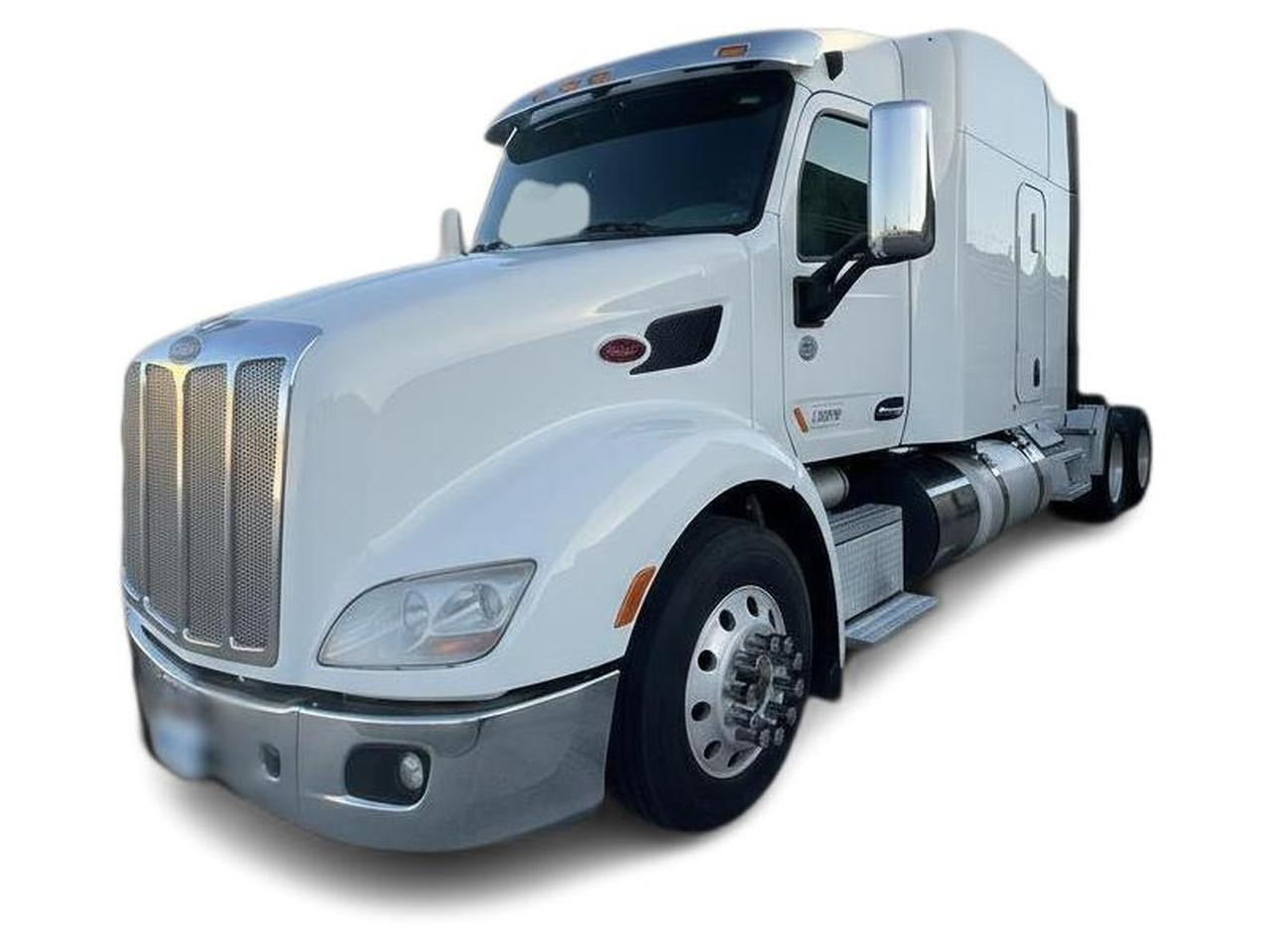
The 2015 Peterbilt 579 excels with its superior aerodynamics for fuel efficiency, exceptional driver comfort through its spacious and quiet cab, and robust reliability expected from Peterbilt. Its modern design appeals to pride of ownership, while the overall efficiency and durability offer strong long-term value.
The Bad
Potential weaknesses for the 2015 Peterbilt 579 can include the complexity of its advanced electronic systems, which may require specialized diagnostics and repair. Some owners have noted that while comfortable, the initial purchase price can be a significant investment. Additionally, specific component failures, though rare, should be investigated during pre-purchase inspections.
2015 Peterbilt 579: Quick Overview
- Engine Options: The 2015 Peterbilt 579 primarily offered PACCAR MX-13 engines, known for their power and efficiency. Other options could include Cummins ISX15 engines, depending on customer specifications and fleet requirements.
- Horsepower: PACCAR MX-13 engines typically ranged from 400 to 500 horsepower, with torque figures often between 1,450 to 1,850 lb-ft. Cummins ISX15 engines offered similar or higher horsepower and torque outputs.
- Fuel Economy: Specific MPG figures are highly variable in heavy-duty trucks due to load, terrain, and driving style. However, the 579's aerodynamic design and efficient PACCAR engines were engineered to optimize fuel economy, with many fleets reporting figures in the 6-8 MPG range under optimal conditions.
- 0-60 Times: 0-60 mph times are not a standard metric for Class 8 trucks, as they are designed for hauling heavy loads at sustained highway speeds, not rapid acceleration.
- Towing Capacity: As a Class 8 truck, the 2015 Peterbilt 579 is built for heavy-duty towing. Its Gross Combined Weight Rating (GCWR) can exceed 80,000 lbs, and with proper configuration, can tow loads well into the 100,000+ lb range.
- Trim-Level Features: While Peterbilt typically focuses on customizable configurations rather than distinct trims like passenger vehicles, key features and options included:
- Aerodynamic Enhancements: Extended fairings, roof fairings, and chassis skirts to reduce drag.
- Cab Options: Various sleeper configurations (e.g., 70-inch Unibilt UltraCab, 80-inch Unibilt UltraCab) offering extensive living space, comfort amenities, and storage.
- Interior Comfort: Premium upholstery, driver-centric dash layouts, advanced climate control, ergonomic seating, and noise reduction packages.
- Technology: Integrated infotainment systems (often optional), navigation, advanced diagnostics, and available telematics.
- Safety: Standard safety features like ABS, and optional advanced driver-assistance systems (ADAS) such as lane departure warning and forward collision mitigation.
2015 Peterbilt 579 Specifications
Vehicle Information
| Year | 2015 |
| Make | Peterbilt |
| Model | 579 |
| Trim | - |
| Style | Base Truck RWD 10AT 11.9L I6 |
| Type | Pickup Truck |
| Category | passenger |
Manufacturing Details
| Made In | United States |
| Manufacturing City | DENTON |
Dimensions
| Doors | 2-Door |
| Curb Weight | - |
| Gross Vehicle Weight Rating | - |
| Overall Height | - |
| Overall Length | - |
| Overall Width | - |
| Wheelbase Length | - |
| Standard Seating | - |
Engine & Performance
| Engine | 11.9L I6 |
| Engine Size | 11.9L |
| Engine Cylinders | 6 |
| Transmission | 10-Speed Automatic |
| Transmission Type | Automatic |
| Transmission Speeds | 10-Speed |
| Drivetrain | Rear-Wheel Drive |
Additional Features
| Anti-Brake System | - |
| Steering Type | - |
Pricing
| Manufacturer Suggested Retail Price (MSRP) | - |
| Invoice Price | - |
| Delivery Charges | - |
Vehicle History Report
Specifications
History
Events
History Check
Check
Check
Check
Check
Listings
Recalls
Check
Analysis
What Problems Does the 2015 Peterbilt 579 Have?
Recalls for the 2015 model year, as with any vehicle, are primarily driven by manufacturer-initiated campaigns to address potential safety or compliance issues. These typically involve specific batches of vehicles and can range from minor component fixes to more significant system checks. Owners are advised to stay informed about any active recalls through the NHTSA website or their Peterbilt dealership.
Long-term reliability for the 579 is heavily dependent on proactive and diligent maintenance. The PACCAR MX-13 engine, when properly cared for with regular oil changes, filter replacements, and coolant services, demonstrates excellent longevity, often exceeding hundreds of thousands of miles. Issues that can arise over time might include wear and tear on suspension components, brake systems, and drivetrain elements, which are standard for any heavy-duty truck subjected to demanding use. Anecdotal reports from fleet managers and owner-operators often praise the 579's structural integrity and the durability of its core powertrain components. Specific model year vulnerabilities are less common for established platforms like the 579, with most issues tending to be generalized to the technology and components used across that era of production.
How long will the 2015 Peterbilt 579 last?
What Technology & Safety Features are Included?
Driver-assistance features in 2015 were becoming more prevalent. The 579 could be equipped with optional systems like Lane Departure Warning (LDW) systems, which alert the driver if the vehicle begins to drift out of its lane without signaling. Forward Collision Mitigation (FCM) systems, which provide audible and visual warnings of an impending frontal collision and could automatically apply brakes in critical situations, were also becoming accessible. Electronic Stability Control (ESC) was a standard safety feature on many heavy-duty trucks by this period, helping to prevent rollovers and loss of control.
Safety features also included robust construction, powerful braking systems, and extensive lighting for visibility. Peterbilt cabins are engineered with driver safety as a priority, incorporating features designed to protect occupants in the event of a collision.
Crash-test ratings specifically for heavy-duty commercial trucks like the Peterbilt 579 are not conducted in the same manner as passenger vehicles by organizations like NHTSA or IIHS. Instead, compliance with Federal Motor Vehicle Safety Standards (FMVSS) is the benchmark. The 579 was designed to meet or exceed these stringent standards, which govern aspects like occupant protection, structural integrity, and fire resistance. Fleet operators and safety managers rely on the manufacturer's adherence to these regulations and their own internal safety assessments and driver training programs.
What Colors Options are Available?
2015 Peterbilt 579 Prices and Market Value
2015 Peterbilt 579 Cost of Ownership
2015 Peterbilt 579 Fuel Efficiency
2015 Peterbilt 579 Warranty
Basic
Powertrain
Rust
2015 Peterbilt 579 Insurance
reasonable repair costs.
How Does the 2015 Peterbilt 579 Compare to Other Pickup Truck?
Performance: In terms of performance, the 579, often equipped with the PACCAR MX-13 engine, offers competitive power and torque figures comparable to its rivals. Its aerodynamic design contributes to strong fuel efficiency, a critical performance metric for fleets, which is a key selling point for the 579, often matching or exceeding the fuel economy of the T680 and ProStar. The Cascadia also offers strong efficiency, especially with its aerodynamic options.
Features: Peterbilt interiors are traditionally known for their high-quality build and driver comfort. The 579's spacious cab, ergonomic design, and optional premium sleeper amenities often place it on par with or slightly above the luxury offerings of the Kenworth T680, which is also a leader in driver comfort and interior refinement. The International ProStar and Freightliner Cascadia also offer comfortable cabins and increasingly sophisticated tech features, but Peterbilt's reputation for build quality and driver focus is a significant differentiator.
Reliability: Peterbilt, along with its sister brand Kenworth (both PACCAR brands), enjoys an excellent reputation for long-term reliability and durability. The 579 is built with robust components that tend to last. While all trucks can have issues, Peterbilt's overall perceived reliability is very high, often considered a benchmark. Freightliner and International also offer reliable trucks, but Peterbilt and Kenworth often edge them out in owner satisfaction surveys regarding dependability.
Price: The Peterbilt 579 typically commanded a premium price when new, reflecting its premium brand positioning and advanced features. It was generally priced similarly to a well-equipped Kenworth T680, often higher than comparable International ProStar or Freightliner Cascadia models, especially when comparing base configurations.
Alternatives: For those seeking a similar blend of performance, comfort, and premium feel, the Kenworth T680 is a very close alternative, often sharing many underlying components due to PACCAR ownership. If budget is a slightly larger concern but a modern, efficient highway truck is still desired, the Freightliner Cascadia and International ProStar (now LT Series) are strong contenders, offering good value and performance, though perhaps with a less luxurious or prestigious feel. Ultimately, the choice often comes down to specific operational needs, dealer support, and individual driver preference.
Final Verdict: Is the 2015 Peterbilt 579 a Good Pickup Truck?

Drew B
Drew is a seasoned automotive expert and contributor to VinCheck.info. With nearly 15 years of experience as a former Porsche technician, he brings a wealth of hands-on knowledge to his writing. Born in North Carolina, a region renowned for its deep-rooted NASCAR culture, Drew developed a passion for cars early in life, often building and working on vehicles from a young age. At VINCheck, Drew leverages his extensive technical background to provide in-depth analyses of various vehicles. His articles often focus on engine performance, reliability, and maintenance insights, offering readers practical information grounded in real-world experience. Some of his notable contributions include reviews on the Mazda CX-5's longevity and detailed examinations of engine options for models like the 2011 Toyota Camry and Tacoma