
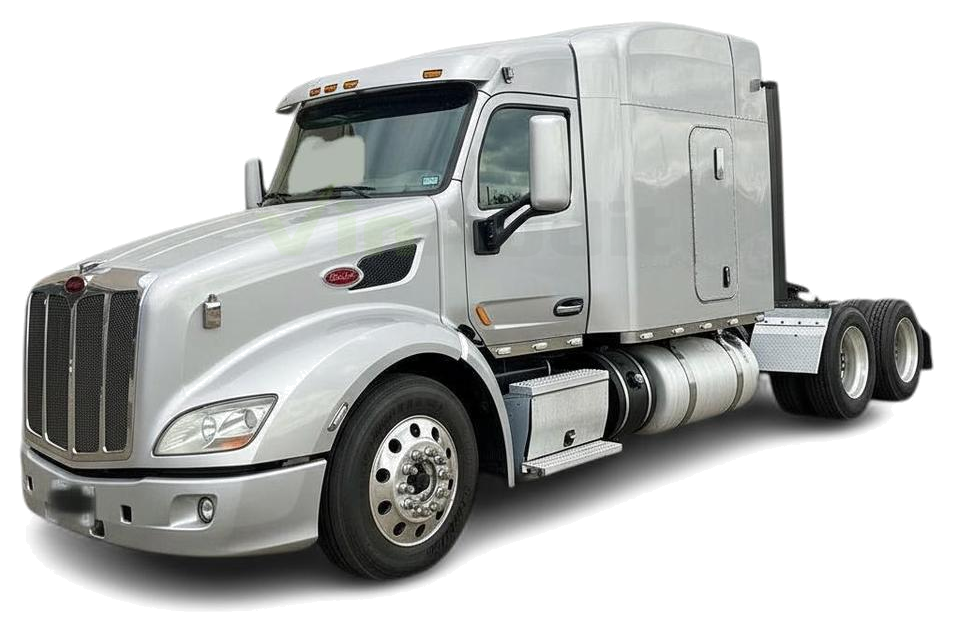
The Good
The 2014 Peterbilt 579 offers robust performance with powerful engine options and Peterbilt's renowned reliability for its core components. Its aerodynamic design and modern interior enhance fuel efficiency and provide superior driver comfort, appealing to both the practical need for lower operating costs and the emotional desire for a prestigious, comfortable "home on the road." Strong resale value further adds to its practical appeal.
The Bad
Known weaknesses for the 2014 Peterbilt 579 primarily involve its 2014-era emissions systems. Watch out for issues with the Diesel Particulate Filter (DPF), Selective Catalytic Reduction (SCR)/DEF system, and Exhaust Gas Recirculation (EGR) components, which can lead to costly repairs and downtime. Some electrical gremlins and interior plastic durability issues have also been reported over time.
2014 Peterbilt 579: Quick Overview
- Engine Options: The 2014 Peterbilt 579 was commonly available with the PACCAR MX-13 engine, offering an integrated powertrain solution, or the popular Cummins ISX15 engine, known for its proven performance and widespread support.
- Horsepower (HP): Engine choices typically ranged from 400 HP to 550 HP, with torque figures between 1,450 lb-ft and 1,850 lb-ft, providing ample power for various commercial applications.
- Fuel Economy: Designed with aerodynamics in mind, real-world fuel economy generally ranged from 5 to 7 MPG, heavily dependent on load, terrain, driver habits, and drivetrain specification (e.g., axle ratios, transmission).
- 0-60 Times: This metric is not standard for Class 8 trucks, as acceleration is prioritized for heavy load pulling capacity rather than rapid speed. Loaded 0-60 MPH times are typically measured in minutes and are highly variable.
- Towing Capacity (GCWR - Gross Combined Weight Rating): Standard highway configurations were designed for a GCWR of up to 80,000 lbs. Specialized heavy-haul configurations could achieve significantly higher capacities with appropriate permitting.
- Trim-Level Features:
- Cab Configurations: Available as a Day Cab (no sleeper), a 44-inch Low Roof Sleeper, and various other mid-roof and high-roof sleeper options.
- Interior Packages: Higher trims like the "Platinum" interior offered premium materials, woodgrain accents, extensive storage, and upgraded seating.
- SmartNav Infotainment System: An optional touchscreen system providing truck-specific navigation, Bluetooth, audio, and vehicle data.
- Driver Comfort: Standard or optional air-ride seats for both driver and passenger, ample bunk space, and integrated storage solutions were key features for long-haul drivers.
- Auxiliary Power Unit (APU) Prep: Common for providing climate control and power during rest stops without idling the main engine.
- Aerodynamic Enhancements: Exterior features included aerodynamic fairings, roof deflectors, and chassis skirts to minimize drag and improve fuel efficiency.
- Lighting: Often equipped with LED headlamps and marker lights for enhanced visibility and longevity.
2014 Peterbilt 579 Specifications
Vehicle Information
| Year | 2014 |
| Make | Peterbilt |
| Model | 579 |
| Trim | - |
| Style | Base Truck RWD 10AT 15.0L I6 |
| Type | Pickup Truck |
| Category | passenger |
Manufacturing Details
| Made In | United States |
| Manufacturing City | DENTON |
Dimensions
| Doors | 2-Door |
| Curb Weight | - |
| Gross Vehicle Weight Rating | - |
| Overall Height | - |
| Overall Length | - |
| Overall Width | - |
| Wheelbase Length | - |
| Standard Seating | - |
Engine & Performance
| Engine | 15L I6 |
| Engine Size | 15L |
| Engine Cylinders | 6 |
| Transmission | 10-Speed Automatic |
| Transmission Type | Automatic |
| Transmission Speeds | 10-Speed |
| Drivetrain | Rear-Wheel Drive |
Additional Features
| Anti-Brake System | - |
| Steering Type | - |
Pricing
| Manufacturer Suggested Retail Price (MSRP) | - |
| Invoice Price | - |
| Delivery Charges | - |
Vehicle History Report
Specifications
History
Events
History Check
Check
Check
Check
Check
Listings
Recalls
Check
Analysis
What Problems Does the 2014 Peterbilt 579 Have?
One prevalent issue involves the DPF system, prone to clogging, requiring frequent regenerations, or expensive replacements. Sensors associated with the DPF, such as differential pressure sensors, are also common failure points, often leading to engine derates and "check engine" lights.
The DEF system frequently experiences problems with DEF pump failures, quality sensor malfunctions, and crystallization within the tank or lines, especially in cold weather. These issues directly impair the Selective Catalytic Reduction (SCR) system's function, resulting in engine derates and significant downtime.
EGR coolers and valves are also known trouble spots. Leaking EGR coolers can cause coolant loss, while faulty EGR valves can affect engine performance and fuel efficiency.
Electrical issues, though not exclusive to the 579, are also reported, ranging from minor sensor failures and dash lighting glitches to more complex wiring harness problems that are challenging to diagnose.
Regarding recalls, like most heavy trucks, the 2014 Peterbilt 579 has had various recalls, often addressing safety-related components, specific engine or transmission parts, or emissions system defects. Owners should always verify open recalls via the NHTSA website or a Peterbilt dealership using their VIN.
Long-term reliability concerns typically revolve around the lifespan and operational costs of these emission components. While the core engine and drivetrain are generally robust, the ancillary emission systems often require substantial maintenance, repair, or replacement once the truck accumulates high mileage (e.g., 500,000 to 800,000 miles). Interior trim durability can also become a minor concern after extensive use.
How long will the 2014 Peterbilt 579 last?
However, the main weaknesses over time are consistently linked to the 2014-era emission control systems—DPF, DEF, and EGR components. These systems are prone to accumulating issues, requiring increasingly frequent and costly maintenance or replacement as mileage climbs. Electrical components can also develop intermittent problems. Proactive and meticulous preventative maintenance, coupled with a budget for emission system repairs, is crucial for maximizing the 579's service life and operational profitability.
What Technology & Safety Features are Included?
Built-in Tech and Entertainment:
A key optional feature was the Peterbilt SmartNav system, a touchscreen infotainment unit providing truck-specific navigation (accounting for vehicle dimensions), AM/FM/CD/MP3 audio, and Bluetooth for hands-free calling and streaming. USB ports and auxiliary inputs were common. The dash featured an ergonomic layout with easily accessible gauges and controls. Sleeper models often included 12V and 120V power outlets to support various electronic devices and amenities.
Driver-Assistance Features:
While lacking advanced ADAS like automatic emergency braking, the 2014 579 did include fundamental driver aids:
- Cruise Control: Standard for maintaining set speeds on highways.
- Engine Brake/Retarder: Integrated into the engine, aiding in vehicle deceleration and reducing service brake wear.
- Traction Control: To help maintain grip in slippery conditions.
- Electronic Stability Program (ESP): A crucial safety feature designed to prevent rollovers and maintain control during emergency maneuvers by selectively applying brakes and reducing engine power.
Safety in the 579 focused on robust construction and passive measures:
- Air Brakes with ABS: Standard for reliable stopping power and preventing wheel lock-up.
- Reinforced Aluminum Cab: Engineered to provide a strong protective cell for the driver in the event of an impact.
- Ergonomic Cab Design: Designed for clear sightlines and reduced driver fatigue, contributing to overall safety.
- Driver-side Airbag: Offered as an option, providing additional impact protection for the driver.
- LED Lighting: Exterior LED headlamps and marker lights improved nighttime visibility for the driver and made the truck more conspicuous to other road users.
Class 8 commercial trucks, including the Peterbilt 579, are not subjected to crash-test ratings by consumer organizations like NHTSA or IIHS in the same way passenger cars are. Their safety is governed by rigorous commercial vehicle regulatory standards for braking, structural integrity, and occupant protection. Peterbilt designs its vehicles to meet or exceed these industry and governmental safety requirements.
What Colors Options are Available?
2014 Peterbilt 579 Prices and Market Value
Depreciation is steepest in the initial years, but Peterbilts tend to retain value better than some competitors due to brand perception. Factors heavily influencing resale value include: mileage, overall condition, engine type (Cummins often seen as favorable), transmission (manuals sometimes preferred), the status of emission control systems, and a verifiable maintenance history. A recent engine overhaul or "in-frame" greatly enhances value.
2014 Peterbilt 579 Cost of Ownership
Overall, the 2014 Peterbilt 579 is a costly vehicle to own and operate. While it's a reliable workhorse, its commercial nature and complex emission technology demand a robust budget for ongoing expenses and unexpected repairs. Proactive maintenance is key to managing these costs.
2014 Peterbilt 579 Fuel Efficiency
2014 Peterbilt 579 Recalls & Defects
2014 Peterbilt 579 Warranty
Basic
Powertrain
Rust
2014 Peterbilt 579 Insurance
reasonable repair costs.
How Does the 2014 Peterbilt 579 Compare to Other Pickup Truck?
Performance: The 579, equipped with PACCAR MX-13 or Cummins ISX15 engines (400-550 HP), delivered comparable performance to its contemporaries. Freightliner's Detroit Diesel DD13/DD15, Kenworth's shared MX-13/ISX15, Volvo's D13, and International's MaxxForce/ISX all offered similar pulling power for standard 80,000 lbs GCW operations.
Features: Peterbilt positioned the 579 as a premium, aerodynamic truck. Its interior, particularly with upgraded trim, often felt more luxurious and driver-centric than a base Cascadia or ProStar, rivaling the Kenworth T680 in comfort and amenities. The optional SmartNav system provided integrated tech. However, advanced driver-assistance systems were rudimentary across all brands in 2014, with stability control and ABS being common safety features.
Reliability: For 2014, all manufacturers grappled with the reliability of post-2010 emissions systems (DPF, DEF, EGR). While the 579's core drivetrain components were generally robust, emissions systems were a widespread Achilles' heel across the industry. The Kenworth T680, being a platform mate, shared very similar reliability characteristics. Freightliner and Volvo also faced their own emission-related challenges. International's MaxxForce engines of earlier years had more significant reliability concerns, though Cummins ISX options improved their standing.
Price: New, the 579 was positioned as a premium offering, priced similarly to the Kenworth T680 and Volvo VNL, often higher than base Freightliner Cascadias or International ProStars. This premium brand perception generally translates to slightly better resale value for Peterbilts and Kenworths in the used market, assuming comparable condition and mileage.
Alternatives:
- Similar Alternatives: The 2014 Kenworth T680 is virtually identical in many respects, sharing engines and fundamental architecture, making it the most direct and comparable alternative. The 2014 Volvo VNL is also a strong competitor, especially known for its comfortable cab and integrated powertrain.
- Potentially Better Alternatives (depending on specific needs): If the lowest acquisition cost is paramount, a 2014 Freightliner Cascadia could be a "better" option due to generally lower new and used pricing, often making it a fleet favorite. However, "better" is subjective and depends on specific operational requirements, driver preferences, and the perceived long-term total cost of ownership, especially concerning emission system maintenance.
Final Verdict: Is the 2014 Peterbilt 579 a Good Pickup Truck?
Is it worth buying? Yes, but with crucial conditions. As a used vehicle, it offers significant value due to substantial depreciation from its new price. However, buyers must be financially prepared for potential maintenance and repair costs, particularly concerning its 2014-era DPF, DEF, and EGR emission systems.
When considering a purchase, target a used 2014 Peterbilt 579 with a verifiable, meticulous maintenance history. Prioritize models that have either had recent major emission system overhauls or engine "in-frames," as these address the most common and costly long-term vulnerabilities. A thorough pre-purchase inspection by a specialized heavy-duty mechanic is non-negotiable. Trims offering larger sleepers provide superior driver amenities. For those who can budget for these potential expenses and find a well-cared-for example, the 579 remains a solid, dependable workhorse with strong driver appeal and decent resale potential.

Simon A
Simon is a contributor to VinCheck, where he provides articles and reviews on various automotive topics. His work focuses on delivering accurate and up-to-date information about used cars, helping readers make informed decisions.