The 1992 Ford Probe was a sporty compact coupe introduced as a replacement for the Ford EXP. Produced from 1989 to 1997, it was built on a Mazda platform and shared components with the Mazda MX-6. Key trims included the GL, LX, and sporty GT. Its distinctive, aerodynamic styling and front-wheel-drive performance made it a popular choice for those seeking an affordable, stylish coupe.
The Good
The 1992 Ford Probe offered a compelling blend of eye-catching design and engaging driving dynamics. Its nimble handling and optional turbocharged engine provided thrills for enthusiasts, while its comfortable interior and practical hatchback design appealed to everyday drivers. It represented good value for a sporty coupe.
The Bad
Potential buyers of the 1992 Ford Probe should be aware of common issues such as electrical gremlins, particularly with the power windows and locks, and potential cooling system leaks. Some engine components, especially on the turbocharged models, may require attention. Rust can also be a concern in certain climates.
1992 Ford Probe: Quick Overview
- Engine Options:
The 1992 Ford Probe was offered with two primary engine choices:
- 2.2-liter naturally aspirated inline-four.
- 2.2-liter turbocharged inline-four (GT model). - Horsepower:
- Naturally aspirated engine: Approximately 115 horsepower.
- Turbocharged engine: Approximately 164 horsepower. - Fuel Economy:
EPA estimates for the 1992 Ford Probe varied slightly depending on the engine and transmission, but generally ranged from:
- Around 22-24 MPG city and 28-30 MPG highway for the naturally aspirated engine.
- Slightly lower for the turbocharged GT model, perhaps around 20-22 MPG city and 25-27 MPG highway. - 0-60 Times:
Performance varied significantly based on the engine:
- Naturally aspirated models typically took around 9-10 seconds.
- The turbocharged GT model could achieve 0-60 MPH in approximately 7-8 seconds, offering a more spirited performance. - Towing Capacity:
The Ford Probe was not designed or equipped for towing. It did not have a towing capacity. - Trim-Level Features:
- GL: The base model, typically featuring standard amenities, manual windows, and basic audio system.
- LX: Offered more comfort and convenience features, often including power windows, power locks, cruise control, and upgraded interior materials.
- GT: The performance-oriented trim, distinguished by the turbocharged engine, sport-tuned suspension, alloy wheels, and often a more aggressive body kit or spoiler. It also typically included most of the LX features.
1992 Ford Probe Specifications
Vehicle Information
| Year | 1992 |
| Make | Ford |
| Model | Probe |
| Trim | - |
| Style | 5-Speed |
| Type | Hatchback |
| Category | Compact Car |
Manufacturing Details
| Made In | United States |
| Manufacturing City | FLAT ROCK |
Dimensions
| Doors | 2-Door |
| Curb Weight | 2892 pounds |
| Gross Vehicle Weight Rating | - |
| Overall Height | 51.80 inches |
| Overall Length | 178.90 inches |
| Overall Width | 69.80 inches |
| Wheelbase Length | 102.90 inches |
| Standard Seating | 4 |
Engine & Performance
| Engine | 2.2L I4 |
| Engine Size | 2.2L |
| Engine Cylinders | 4 |
| Transmission | 5-Speed Manual |
| Transmission Type | Manual |
| Transmission Speeds | 5-Speed |
| Drivetrain | Front-Wheel Drive |
Additional Features
| Anti-Brake System | Non-ABS 4-Wheel ABS |
| Steering Type | Rack & Pinion |
Pricing
| Manufacturer Suggested Retail Price (MSRP) | $15,174 |
| Invoice Price | - |
| Delivery Charges | - |
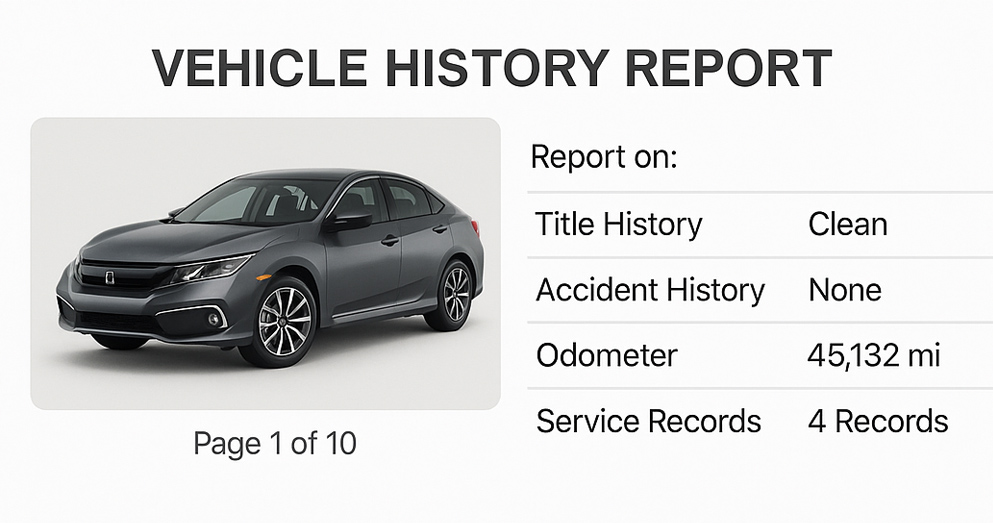
Vehicle History Report
Vehicle
Specifications
Specifications
Ownership
History
History
All History
Events
Events
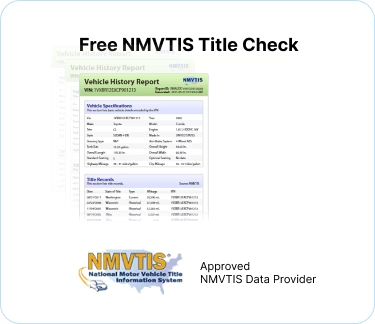
NMVTIS Title
History Check
History Check
Salvage/Rebuilt
Check
Check
Accident
Check
Check
Theft
Check
Check
Open Lien
Check
Check
Past Sale
Listings
Listings
Safety
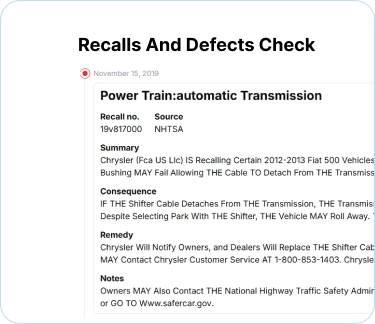
Recalls
Recalls
Odometer
Check
Check
Market Price
Analysis
Analysis
What Problems Does the 1992 Ford Probe Have?
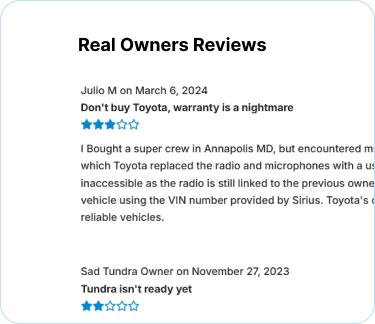
The 1992 Ford Probe, while generally considered a decent performer for its era, is not without its common issues and long-term reliability concerns. One of the most frequently reported problems revolves around the electrical system. Owners often cite issues with power windows and door locks malfunctioning, and sometimes the power mirrors. The complex wiring harnesses, especially with age, can develop shorts or corrosion.
Cooling system issues are another area to watch. Leaks from hoses, the radiator, or the water pump can lead to overheating, which can cause significant engine damage if not addressed promptly. The head gaskets on some engines have also been known to fail, particularly if the vehicle has been overheated.
On the turbocharged GT models, the turbocharger itself, while providing a performance boost, can be a source of expense if it fails. Proper maintenance, including regular oil changes with high-quality oil, is crucial to prolonging the life of the turbo. Boost leaks can also diminish performance and fuel economy.
Regarding recalls, specific issues varied by model year. While there weren't widespread, catastrophic recalls for the 1992 model year, owners should always check with the NHTSA for any applicable safety campaigns that may have been issued.
Long-term reliability can be a mixed bag. Well-maintained Probes can still be on the road, but those that have been neglected are more likely to present a host of problems. The chassis itself is generally robust, but the age of the vehicle means that suspension components, bushings, and exhaust systems will likely require replacement. Rust is also a concern, particularly in areas with harsh winters and road salt usage. It's advisable to inspect the undercarriage thoroughly for any signs of corrosion.
Cooling system issues are another area to watch. Leaks from hoses, the radiator, or the water pump can lead to overheating, which can cause significant engine damage if not addressed promptly. The head gaskets on some engines have also been known to fail, particularly if the vehicle has been overheated.
On the turbocharged GT models, the turbocharger itself, while providing a performance boost, can be a source of expense if it fails. Proper maintenance, including regular oil changes with high-quality oil, is crucial to prolonging the life of the turbo. Boost leaks can also diminish performance and fuel economy.
Regarding recalls, specific issues varied by model year. While there weren't widespread, catastrophic recalls for the 1992 model year, owners should always check with the NHTSA for any applicable safety campaigns that may have been issued.
Long-term reliability can be a mixed bag. Well-maintained Probes can still be on the road, but those that have been neglected are more likely to present a host of problems. The chassis itself is generally robust, but the age of the vehicle means that suspension components, bushings, and exhaust systems will likely require replacement. Rust is also a concern, particularly in areas with harsh winters and road salt usage. It's advisable to inspect the undercarriage thoroughly for any signs of corrosion.
How long will the 1992 Ford Probe last?
Estimating the average mileage or years of service for a 1992 Ford Probe requires considering owner maintenance habits. A well-maintained Probe, with regular oil changes, fluid checks, and prompt attention to minor issues, could realistically reach 200,000 to 250,000 miles or more. However, many Probes may have seen less diligent care, leading to an average closer to 150,000 miles.
Long-term durability is heavily influenced by how the car was treated. The chassis and basic mechanical components are relatively durable. However, the electrical systems and cooling system are known weaknesses that tend to degrade over time. Turbocharged models, while exciting, can experience turbocharger wear and associated repair costs if not meticulously maintained. Neglect often leads to premature failure of key components, making a comprehensive pre-purchase inspection crucial for any potential buyer.
What Technology & Safety Features are Included?
The 1992 Ford Probe offered a modest selection of technology and safety features for its time, focusing primarily on the driving experience rather than advanced digital amenities.
Entertainment: Standard entertainment typically included an AM/FM stereo radio, with optional upgrades to cassette players and even CD players on higher trims or as standalone options. Speaker configurations were generally basic, with two or four speakers. Air conditioning was usually standard or a common option.
Driver-Assistance Features: Driver-assistance technologies as we know them today were largely non-existent. Cruise control was a common convenience feature, especially on LX and GT models. Power steering was standard.
Safety Features: Standard safety equipment for the 1992 Probe included front-seat lap and shoulder belts. Anti-lock Braking System (ABS) was available as an option, primarily on higher trims, offering improved braking control. Daytime running lights were also becoming more common. Airbags were not standard in 1992; they became more prevalent in later model years and in other Ford vehicles. The vehicle's structure was designed with crumple zones for crash energy management.
Optional Features: Beyond the optional CD player and ABS, buyers could opt for features like a power sunroof, premium sound systems with more speakers, and a rear window defroster. Power windows and door locks were also common options or standard on higher trims.
Crash-Test Ratings: Specific crash-test ratings for the 1992 Ford Probe from organizations like the NHTSA or IIHS are not as readily available or as standardized as they are today. However, based on contemporary vehicle designs and general safety performance of Ford vehicles from that era, it would likely have received average to below-average ratings in frontal and side impact tests compared to modern standards. The absence of standard airbags and the less sophisticated structural engineering of the time would have contributed to this.
Entertainment: Standard entertainment typically included an AM/FM stereo radio, with optional upgrades to cassette players and even CD players on higher trims or as standalone options. Speaker configurations were generally basic, with two or four speakers. Air conditioning was usually standard or a common option.
Driver-Assistance Features: Driver-assistance technologies as we know them today were largely non-existent. Cruise control was a common convenience feature, especially on LX and GT models. Power steering was standard.
Safety Features: Standard safety equipment for the 1992 Probe included front-seat lap and shoulder belts. Anti-lock Braking System (ABS) was available as an option, primarily on higher trims, offering improved braking control. Daytime running lights were also becoming more common. Airbags were not standard in 1992; they became more prevalent in later model years and in other Ford vehicles. The vehicle's structure was designed with crumple zones for crash energy management.
Optional Features: Beyond the optional CD player and ABS, buyers could opt for features like a power sunroof, premium sound systems with more speakers, and a rear window defroster. Power windows and door locks were also common options or standard on higher trims.
Crash-Test Ratings: Specific crash-test ratings for the 1992 Ford Probe from organizations like the NHTSA or IIHS are not as readily available or as standardized as they are today. However, based on contemporary vehicle designs and general safety performance of Ford vehicles from that era, it would likely have received average to below-average ratings in frontal and side impact tests compared to modern standards. The absence of standard airbags and the less sophisticated structural engineering of the time would have contributed to this.
What Colors Options are Available?
1992 Ford Probe Prices and Market Value
When new, the 1992 Ford Probe had a starting MSRP ranging from approximately $13,000 for the base GL model to around $17,000-$18,000 for the higher-end LX and GT trims.
Currently, the used market prices for a 1992 Ford Probe are generally quite low, reflecting its age and the availability of newer, more feature-rich vehicles. Clean examples in good condition can often be found for $2,000 to $5,000. However, pristine, low-mileage, or exceptionally well-maintained GT models might fetch a bit more.
Depreciation was relatively swift in the first few years, as is typical for most non-luxury coupes. Factors affecting resale value today include mechanical condition, body condition (especially rust and paint), mileage, the presence of original documentation and service records, and whether it's a more desirable GT model.
Currently, the used market prices for a 1992 Ford Probe are generally quite low, reflecting its age and the availability of newer, more feature-rich vehicles. Clean examples in good condition can often be found for $2,000 to $5,000. However, pristine, low-mileage, or exceptionally well-maintained GT models might fetch a bit more.
Depreciation was relatively swift in the first few years, as is typical for most non-luxury coupes. Factors affecting resale value today include mechanical condition, body condition (especially rust and paint), mileage, the presence of original documentation and service records, and whether it's a more desirable GT model.
1992 Ford Probe Cost of Ownership
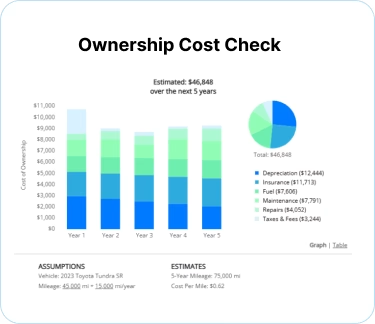
The 1992 Ford Probe is generally an economical vehicle to own. Insurance costs are typically low due to its age and class. Fuel costs are moderate, with the naturally aspirated engine offering decent MPG. Maintenance costs are relatively affordable, with many common parts readily available. Repair costs can vary; while basic maintenance is cheap, issues with the electrical system or the turbocharged engine's components can become more expensive. Long-term ownership costs are moderate, making it an attractive option for budget-conscious buyers seeking a sporty coupe, provided it has been reasonably maintained.

1992 Ford Probe Fuel Efficiency
Fuel Type
Gasoline
Fuel Capacity
15.50 gallons
City Mileage
20 miles/gallon
Highway Mileage
26 miles/gallon
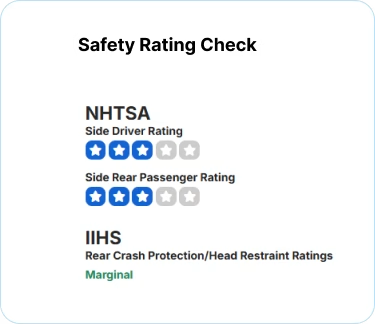
1992 Ford Probe Safety Rating
NHTSA
IIHS
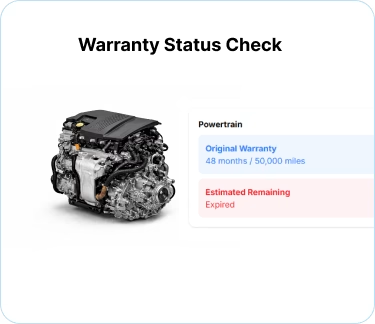
1992 Ford Probe Warranty
Basic
Original warranty
0 months / No data
Estimated remaining
Expired
Powertrain
Original warranty
0 months / No data
Estimated remaining
Expired
Rust
Original warranty
0 months / No data
Estimated remaining
Expired
1992 Ford Probe Insurance
Insurance for a 1992 Ford Probe is moderately priced, reflecting its status as a Hatchback with strong safety ratings and
reasonable repair costs.


How Does the 1992 Ford Probe Compare to Other Hatchback?
The 1992 Ford Probe competed in a segment with strong contenders. Its primary rivals included vehicles like the:
Mazda MX-6: Being its platform-mate, the MX-6 offered a very similar driving experience and many shared components. However, the MX-6 often felt slightly more refined and was perceived by some as having better build quality, though performance was comparable, especially in V6 variants.
Honda Prelude: The Prelude was a benchmark in the sporty coupe segment, known for its excellent handling, reliable engines, and sophisticated design. It often offered more advanced features and a sportier driving feel than the Probe, though it was typically priced higher.
Mitsubishi Eclipse/Eagle Talon/Plymouth Laser (DSM cars): These cars, particularly the turbocharged variants, offered superior performance with their all-wheel-drive systems and potent engines, often outperforming the Probe GT in acceleration and handling. However, they could be more complex and potentially less reliable if not maintained meticulously.
Nissan 240SX: While often rear-wheel-drive and focused on a more raw driving experience, the 240SX competed for similar buyers. It offered good handling but typically less power than the Probe GT and a less comfortable interior.
Toyota Celica: The Celica offered stylish looks and decent performance, often with a reputation for reliability comparable to Honda. It was a strong all-around competitor, though perhaps less exciting than the Probe GT.
Recommendation: If performance is the absolute priority, the DSM cars or a Prelude Si VTEC would be superior. For overall reliability and refinement, a Honda Prelude or Toyota Celica might be better choices. The Mazda MX-6 offers a very similar experience to the Probe, often at a comparable price point. The Ford Probe GT offers a good balance of sporty styling and performance for its price, making it a viable alternative if found in good condition, especially compared to higher-priced Japanese rivals.
Mazda MX-6: Being its platform-mate, the MX-6 offered a very similar driving experience and many shared components. However, the MX-6 often felt slightly more refined and was perceived by some as having better build quality, though performance was comparable, especially in V6 variants.
Honda Prelude: The Prelude was a benchmark in the sporty coupe segment, known for its excellent handling, reliable engines, and sophisticated design. It often offered more advanced features and a sportier driving feel than the Probe, though it was typically priced higher.
Mitsubishi Eclipse/Eagle Talon/Plymouth Laser (DSM cars): These cars, particularly the turbocharged variants, offered superior performance with their all-wheel-drive systems and potent engines, often outperforming the Probe GT in acceleration and handling. However, they could be more complex and potentially less reliable if not maintained meticulously.
Nissan 240SX: While often rear-wheel-drive and focused on a more raw driving experience, the 240SX competed for similar buyers. It offered good handling but typically less power than the Probe GT and a less comfortable interior.
Toyota Celica: The Celica offered stylish looks and decent performance, often with a reputation for reliability comparable to Honda. It was a strong all-around competitor, though perhaps less exciting than the Probe GT.
Recommendation: If performance is the absolute priority, the DSM cars or a Prelude Si VTEC would be superior. For overall reliability and refinement, a Honda Prelude or Toyota Celica might be better choices. The Mazda MX-6 offers a very similar experience to the Probe, often at a comparable price point. The Ford Probe GT offers a good balance of sporty styling and performance for its price, making it a viable alternative if found in good condition, especially compared to higher-priced Japanese rivals.
Final Verdict: Is the 1992 Ford Probe a Good Hatchback?
The 1992 Ford Probe is ideal for budget-conscious buyers seeking a sporty and stylish coupe with decent performance, particularly the GT model. It's a good choice for younger drivers or those looking for an affordable second car that offers a bit more flair than a typical sedan.
Whether it's worth buying hinges heavily on condition. A well-maintained Probe, especially a GT with records of diligent care, can be a fun and relatively reliable car for the money. However, a neglected example can quickly become a money pit due to potential electrical and cooling system issues.
Buying used is the only option, and careful inspection is paramount. Focus on models with a documented maintenance history, especially for the turbocharged engine. Avoid examples with significant rust or obvious electrical problems. If you're handy with a wrench or have a trusted mechanic, a 1992 Ford Probe can be a rewarding purchase.
Whether it's worth buying hinges heavily on condition. A well-maintained Probe, especially a GT with records of diligent care, can be a fun and relatively reliable car for the money. However, a neglected example can quickly become a money pit due to potential electrical and cooling system issues.
Buying used is the only option, and careful inspection is paramount. Focus on models with a documented maintenance history, especially for the turbocharged engine. Avoid examples with significant rust or obvious electrical problems. If you're handy with a wrench or have a trusted mechanic, a 1992 Ford Probe can be a rewarding purchase.