The 1993 Volkswagen Cabriolet, part of the extended Golf Mk1/Mk2 lineage, is a charming two-door convertible that continued a long tradition of accessible open-top motoring for VW. Produced from 1979 to 1993, it offered a delightful blend of German engineering and carefree driving. Key trims included the base model and the more equipped GL. New, it ranged from approximately $17,000 to $20,000. Its enduring popularity stems from its timeless, understated design, nimble handling, and the sheer joy of top-down cruising.
The Good
The 1993 Cabriolet offers a spirited, engaging drive with surprisingly solid reliability for its age. Its iconic, enduring design evokes a sense of freedom and fun, while its practical convertible nature and reasonable fuel economy provide everyday usability and good value.
The Bad
Common weaknesses for the 1993 Cabriolet include aging electrical systems, potential for rust in key areas, deteriorating convertible top seals leading to leaks, and worn suspension components. Engine oil leaks and a sticky throttle body can also be issues.
1993 Volkswagen Cabriolet: Quick Overview
- Engine Options: The primary engine offered in the 1993 Volkswagen Cabriolet was the 1.8-liter inline-four cylinder engine.
- Horsepower: This engine typically produced around 90 horsepower.
- Fuel Economy: Fuel economy was respectable for the era, generally in the range of 23-26 MPG in the city and 29-33 MPG on the highway, depending on transmission and driving conditions.
- 0-60 Times: Acceleration was modest, with 0-60 mph times typically in the 10-12 second range.
- Towing Capacity: The 1993 Volkswagen Cabriolet was not designed for towing, and therefore, has no official towing capacity.
- Trim-Level Features:
- Base Model: Standard features often included power steering, independent front suspension, rear drum brakes, a manual convertible top, and basic interior amenities. Air conditioning was often an option.
- GL Trim: The GL trim usually added enhancements such as power windows, power mirrors, a more comfortable interior with upgraded cloth upholstery, and sometimes alloy wheels. Features like a cassette player with more speakers and fog lights could also be part of the GL package.
- Transmission: A 5-speed manual transmission was standard, with a 3-speed automatic transmission available as an option.
- Brakes: Front disc brakes and rear drum brakes were typical.
- Suspension: Independent front suspension with MacPherson struts and a torsion beam rear axle provided a compliant ride.
1993 Volkswagen Cabriolet Specifications
Vehicle Information
| Year | 1993 |
| Make | Volkswagen |
| Model | Cabriolet |
| Trim | - |
| Style | 5-Speed Manual |
| Type | Convertible |
| Category | Subcompact Car |
Manufacturing Details
| Made In | Germany |
| Manufacturing City | OSNABRUCK |
Dimensions
| Doors | 2-Door |
| Curb Weight | 2362 pounds |
| Gross Vehicle Weight Rating | - |
| Overall Height | 55.60 inches |
| Overall Length | 153.10 inches |
| Overall Width | 64.60 inches |
| Wheelbase Length | 94.50 inches |
| Standard Seating | 4 |
Engine & Performance
| Engine | 1.8L I4 |
| Engine Size | 1.8L |
| Engine Cylinders | 4 |
| Transmission | 5-Speed Manual |
| Transmission Type | Manual |
| Transmission Speeds | 5-Speed |
| Drivetrain | Front-Wheel Drive |
Additional Features
| Anti-Brake System | Non-ABS |
| Steering Type | Rack & Pinion |
Pricing
| Manufacturer Suggested Retail Price (MSRP) | $18,660 |
| Invoice Price | - |
| Delivery Charges | - |
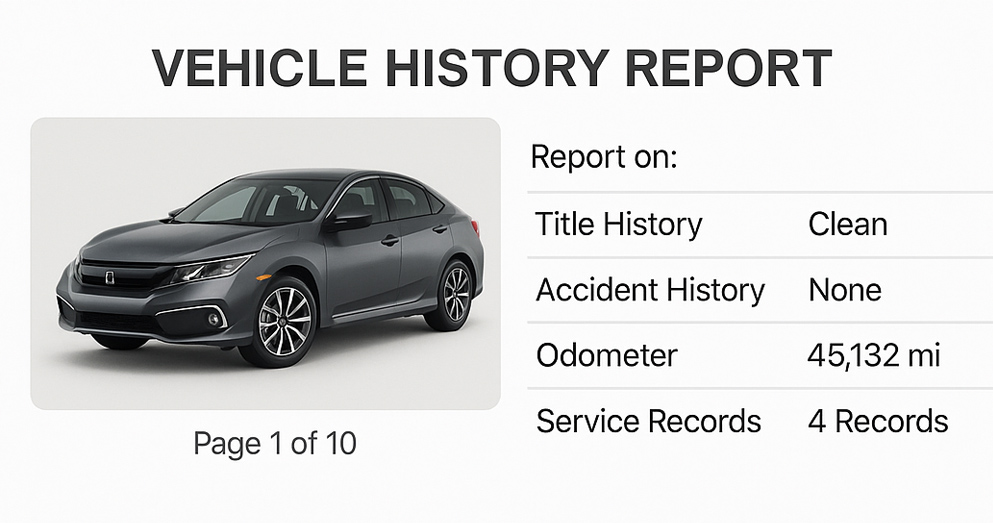
Vehicle History Report
Vehicle
Specifications
Specifications
Ownership
History
History
All History
Events
Events
NMVTIS Title
History Check
History Check
Salvage/Rebuilt
Check
Check
Accident
Check
Check
Theft
Check
Check
Open Lien
Check
Check
Past Sale
Listings
Listings
Safety
Recalls
Recalls
Odometer
Check
Check
Market Price
Analysis
Analysis
What Problems Does the 1993 Volkswagen Cabriolet Have?
The 1993 Volkswagen Cabriolet, like many vehicles of its age, is susceptible to certain common issues that impact its long-term reliability. One of the most frequently reported problems revolves around the electrical system. Owners often cite issues with window regulators failing, dashboard warning lights malfunctioning, and problems with the central locking system. Over time, wiring harnesses can degrade, leading to intermittent electrical gremlins.
The convertible top mechanism is another area of concern. While the manual tops are generally robust, the seals around the edges can become brittle and leak, especially after decades of exposure to the elements. The motor for the power top, if equipped, can also fail.
Rust is a significant long-term concern for these cars, particularly in areas prone to moisture like the wheel wells, rocker panels, and around the windshield. Thorough inspection for rust is crucial when considering a purchase. The engine, a robust 1.8L unit, is generally reliable, but can suffer from oil leaks, especially from the valve cover gasket and oil pan. The cooling system can also develop leaks over time due to aging hoses and radiators.
Suspension components, such as bushings and shocks, will inevitably wear out, leading to a less precise ride and potential for clunking noises. While there are no widespread, model-year-specific recalls that stand out for the 1993 model year, general maintenance and a proactive approach to addressing minor issues are key to maintaining reliability. The older design means that many repairs might be labor-intensive, contributing to overall ownership costs.
The convertible top mechanism is another area of concern. While the manual tops are generally robust, the seals around the edges can become brittle and leak, especially after decades of exposure to the elements. The motor for the power top, if equipped, can also fail.
Rust is a significant long-term concern for these cars, particularly in areas prone to moisture like the wheel wells, rocker panels, and around the windshield. Thorough inspection for rust is crucial when considering a purchase. The engine, a robust 1.8L unit, is generally reliable, but can suffer from oil leaks, especially from the valve cover gasket and oil pan. The cooling system can also develop leaks over time due to aging hoses and radiators.
Suspension components, such as bushings and shocks, will inevitably wear out, leading to a less precise ride and potential for clunking noises. While there are no widespread, model-year-specific recalls that stand out for the 1993 model year, general maintenance and a proactive approach to addressing minor issues are key to maintaining reliability. The older design means that many repairs might be labor-intensive, contributing to overall ownership costs.
How long will the 1993 Volkswagen Cabriolet last?
With diligent maintenance, a 1993 Volkswagen Cabriolet can reasonably be expected to last for 200,000 to 250,000 miles, or potentially longer. Many well-maintained examples have surpassed this. However, longevity is heavily dependent on the owner's commitment to regular servicing, addressing minor issues promptly, and protecting the vehicle from harsh environmental conditions, especially regarding rust. The core mechanical components, particularly the engine and transmission, are quite durable if properly cared for. The convertible top and its associated seals, along with suspension bushings, are common wear items that may require attention sooner than major mechanical parts. Over time, electrical components can become more temperamental, requiring careful diagnosis and repair.
What Technology & Safety Features are Included?
The 1993 Volkswagen Cabriolet embodies a simpler era of automotive technology, prioritizing the driving experience over extensive electronic features. The built-in tech is fairly basic. For entertainment, a standard cassette player was common, often with two or four speakers. Higher trims or optional packages might have included a more advanced stereo system with additional speakers for a fuller sound.
Driver-assistance features were virtually non-existent by modern standards. The car relied on the driver's skill and attention. There were no advanced aids like cruise control with adaptive braking, lane departure warnings, or blind-spot monitoring.
Safety features were typical for the early 1990s. Standard safety equipment included three-point seatbelts for the front occupants, and lap belts for the rear. Anti-lock brakes (ABS) were often an optional feature, particularly on higher trims or as part of a package, and would have been a significant safety enhancement. Airbags were not standard equipment in the 1993 model year; this was a feature that became more widespread in later years.
Crash-test ratings for vehicles of this vintage are less readily available and may not be as comprehensive as modern NHTSA or IIHS tests. However, the Cabriolet, being based on the robust Golf platform, offered a reasonably sturdy structure for its time. Without advanced safety systems, its protection relied heavily on its unibody construction and passive restraints. Optional features primarily focused on comfort and convenience, such as power windows, power mirrors, and air conditioning, rather than advanced technology or safety systems.
Driver-assistance features were virtually non-existent by modern standards. The car relied on the driver's skill and attention. There were no advanced aids like cruise control with adaptive braking, lane departure warnings, or blind-spot monitoring.
Safety features were typical for the early 1990s. Standard safety equipment included three-point seatbelts for the front occupants, and lap belts for the rear. Anti-lock brakes (ABS) were often an optional feature, particularly on higher trims or as part of a package, and would have been a significant safety enhancement. Airbags were not standard equipment in the 1993 model year; this was a feature that became more widespread in later years.
Crash-test ratings for vehicles of this vintage are less readily available and may not be as comprehensive as modern NHTSA or IIHS tests. However, the Cabriolet, being based on the robust Golf platform, offered a reasonably sturdy structure for its time. Without advanced safety systems, its protection relied heavily on its unibody construction and passive restraints. Optional features primarily focused on comfort and convenience, such as power windows, power mirrors, and air conditioning, rather than advanced technology or safety systems.
What Colors Options are Available?
1993 Volkswagen Cabriolet Prices and Market Value
When new in 1993, the Volkswagen Cabriolet typically retailed in the range of $17,000 to $20,000, depending on trim level and optional equipment. As with most vehicles, the Cabriolet experienced significant depreciation in its initial years. However, its value has stabilized considerably in the used market. Current used prices for a 1993 Cabriolet can range widely from around $3,000 for a project car needing significant work, to $7,000-$10,000 for a well-maintained, low-mileage example. Factors significantly affecting resale value include the overall condition (especially rust and the convertible top), maintenance history, originality of parts, and the number of previous owners. Low mileage and a clean service record are key to achieving a higher valuation.
1993 Volkswagen Cabriolet Cost of Ownership
The 1993 Volkswagen Cabriolet is generally economical to own, especially considering its age and classic appeal. Insurance costs are typically low due to its modest market value. Fuel costs are reasonable, with the 1.8L engine offering decent MPG. Maintenance can be straightforward and inexpensive if you can perform some work yourself, as parts are generally available. However, specialized repairs, particularly for the convertible top mechanism or aging electrical components, can increase costs. Repair costs can vary; while many parts are affordable, labor can add up. Overall, it's a budget-friendly classic to own if you're prepared for occasional age-related maintenance.
1993 Volkswagen Cabriolet Fuel Efficiency
Fuel Type
Gasoline
Fuel Capacity
13.70 gallons
City Mileage
23 miles/gallon
Highway Mileage
26 miles/gallon
1993 Volkswagen Cabriolet Safety Rating
NHTSA
IIHS
1993 Volkswagen Cabriolet Warranty
Basic
Original warranty
0 months / No data
Estimated remaining
Expired
Powertrain
Original warranty
0 months / No data
Estimated remaining
Expired
Rust
Original warranty
0 months / No data
Estimated remaining
Expired
1993 Volkswagen Cabriolet Insurance
Insurance for a 1993 Volkswagen Cabriolet is moderately priced, reflecting its status as a Convertible with strong safety ratings and
reasonable repair costs.
How Does the 1993 Volkswagen Cabriolet Compare to Other Convertible?
The 1993 Volkswagen Cabriolet competed in the compact convertible segment against rivals like the Mazda Miata (MX-5), Ford Mustang Convertible, and Honda Civic del Sol.
Performance: In terms of performance, the Cabriolet was more of a relaxed cruiser than a sports car. Its 90-hp 1.8L engine offered adequate acceleration for daily driving but lagged behind the more potent V6 options available in the Mustang. The Mazda Miata, by contrast, was designed for spirited driving with sharper handling and a more engaging manual transmission. The Honda Civic del Sol offered a unique targa-top design and good fuel economy.
Features: Features in the 1993 Cabriolet were basic, focusing on essential comfort items. Rivals like the Mustang might have offered more luxury options or a more powerful audio system. The Miata emphasized driver involvement with its minimalist interior. The del Sol offered innovative features like its electric targa roof.
Reliability: While the Cabriolet's core engine is robust, its aging electrical systems and convertible top mechanisms can be a weak point compared to the generally stellar reliability of the Honda Civic del Sol or the simpler mechanicals of the early Mazda Miata. Ford's Mustang of this era could also have its share of electrical and interior trim issues.
Price: The Cabriolet was competitively priced when new, often falling between the more affordable Civic del Sol and the more expensive Mustang convertible. In the used market, it offers a more budget-friendly entry into convertible ownership than a well-preserved Miata.
Alternatives: For a more engaging driving experience, the Mazda Miata (NA generation, 1989-1997) is a superior choice in terms of handling and sportiness. For greater reliability and modern features, a later model Honda Civic del Sol is a strong contender. If a more classic American muscle car feel is desired, a Ford Mustang Convertible (Fox body or SN95) might be considered, though often at a higher price point and with different ownership expectations. The Cabriolet remains a charming, understated option for those prioritizing classic European styling and a relaxed convertible experience.

Performance: In terms of performance, the Cabriolet was more of a relaxed cruiser than a sports car. Its 90-hp 1.8L engine offered adequate acceleration for daily driving but lagged behind the more potent V6 options available in the Mustang. The Mazda Miata, by contrast, was designed for spirited driving with sharper handling and a more engaging manual transmission. The Honda Civic del Sol offered a unique targa-top design and good fuel economy.
Features: Features in the 1993 Cabriolet were basic, focusing on essential comfort items. Rivals like the Mustang might have offered more luxury options or a more powerful audio system. The Miata emphasized driver involvement with its minimalist interior. The del Sol offered innovative features like its electric targa roof.
Reliability: While the Cabriolet's core engine is robust, its aging electrical systems and convertible top mechanisms can be a weak point compared to the generally stellar reliability of the Honda Civic del Sol or the simpler mechanicals of the early Mazda Miata. Ford's Mustang of this era could also have its share of electrical and interior trim issues.
Price: The Cabriolet was competitively priced when new, often falling between the more affordable Civic del Sol and the more expensive Mustang convertible. In the used market, it offers a more budget-friendly entry into convertible ownership than a well-preserved Miata.
Alternatives: For a more engaging driving experience, the Mazda Miata (NA generation, 1989-1997) is a superior choice in terms of handling and sportiness. For greater reliability and modern features, a later model Honda Civic del Sol is a strong contender. If a more classic American muscle car feel is desired, a Ford Mustang Convertible (Fox body or SN95) might be considered, though often at a higher price point and with different ownership expectations. The Cabriolet remains a charming, understated option for those prioritizing classic European styling and a relaxed convertible experience.



Final Verdict: Is the 1993 Volkswagen Cabriolet a Good Convertible?
The 1993 Volkswagen Cabriolet is ideal for individuals seeking a stylish, fun, and relatively affordable entry into classic convertible ownership. It's best suited for those who appreciate understated European design and enjoy leisurely drives with the top down, rather than aggressive performance.
It is worth buying as a used vehicle, provided it has been well-maintained. Buyers should be prepared for the realities of owning a 30-year-old car, including potential age-related repairs. Focus on examples with minimal rust, a functioning convertible top, and a documented maintenance history. The GL trim generally offers a bit more comfort and convenience. Buying new is obviously not an option. It's a charming weekend cruiser or a characterful daily driver for the enthusiast who enjoys the character and community that comes with owning a classic VW.