by VIN, Year, Make, Model by License Plate

2003 International 4400 Overview, Reviews, Ratings & Specs

Rating: 0.00
Based on 0 Owner Reviews
Cathleen V | October 8, 2025
The 2003 International 4400 is a medium-duty commercial truck, part of Navistar International's long-standing lineup. Primarily produced as a conventional cab truck, it served various roles from delivery vans to vocational applications. The model years span a considerable period, with the 2003 iteration representing a solid, no-nonsense workhorse. Key trims often revolved around engine and transmission choices. Its popularity stems from its robust build, versatility, and straightforward maintenance, making it a favored choice for businesses needing dependable transportation.
The Good

The 2003 International 4400 boasts a reputation for rugged reliability and cost-effective operation, appealing to practical buyers. Its powerful engine options offer capable performance, while its utilitarian design prioritizes function over form. For those who value a dependable work partner that gets the job done without fuss, it represents excellent value and a sense of accomplishment in owning a true workhorse.

The Bad

Potential buyers of the 2003 International 4400 should be aware of possible electrical system glitches, especially with aging wiring harnesses. Transmission issues, particularly with automatic units, can arise. Rust can be a concern in certain climates, affecting the frame and body panels. Overheating issues have also been reported, often linked to cooling system maintenance.

2003 International 4400: Quick Overview

  • Engine Options: The 2003 International 4400 typically came equipped with a range of robust diesel engines. Common options included the International DT 466 and the MaxxForce series, though specific engine codes varied.
    • International DT 466: This inline-six, turbocharged diesel engine was a staple. It offered excellent durability and was known for its strong mid-range torque.
    • MaxxForce Engines: Later iterations or specific configurations might have featured MaxxForce engines, known for their advanced emissions controls and improved fuel efficiency.
  • Horsepower: Horsepower ratings generally ranged from approximately 215 hp to over 300 hp, depending on the specific engine and tuning. The DT 466 often produced around 230-255 hp in many applications, with torque figures being significantly higher, crucial for hauling and towing.
  • Fuel Economy: Fuel economy for heavy-duty trucks like the 4400 is highly variable and depends heavily on application, load, driving style, and maintenance. For comparison, typical figures could range from 8-12 miles per gallon (MPG).
  • 0-60 Times: 0-60 mph times are generally not a primary consideration for commercial vehicles of this class. Performance is focused on acceleration under load rather than brisk empty acceleration. Estimates would be very slow, likely in the 20-30 second range or more when loaded.

  • Towing Capacity: The towing capacity is substantial and configuration-dependent. Depending on the chassis, axle ratings, and hitch type, the 4400 could be configured for towing in the range of 15,000 lbs to over 30,000 lbs, suitable for gooseneck trailers, fifth wheels, or standard towing applications.
  • Trim-Level Features: As a commercial vehicle, "trims" are less about luxury and more about vocational packages and specifications. Features often included:

    • Various axle ratios for different applications.
    • Different transmission options (manual and automatic).
    • Heavy-duty suspension systems.
    • Customizable chassis configurations for specific body types (e.g., box truck, flatbed, stake body).
    • Optional air brakes for enhanced stopping power.
    • Basic cab amenities focused on driver functionality and durability.

2003 International 4400 Specifications

Vehicle Information
Year 2003
Make International
Model 4400
Trim -
Style -
Type Truck
Category Heavy Truck Ma035
Manufacturing Details
Made In Mexico
Manufacturing City GARLAND
Dimensions
Doors -
Curb Weight -
Gross Vehicle Weight Rating 33001 pounds
Overall Height -
Overall Length -
Overall Width -
Wheelbase Length -
Standard Seating -
Engine & Performance
Engine 8.7L L6 DIESEL
Engine Size 8.7L
Engine Cylinders 6
Transmission -
Transmission Type -
Transmission Speeds -
Drivetrain 6x4
Additional Features
Anti-Brake System -
Steering Type -
Pricing
Manufacturer Suggested Retail Price (MSRP) -
Invoice Price -
Delivery Charges -

Vehicle History Report

Vehicle
Specifications
Ownership
History
All History
Events
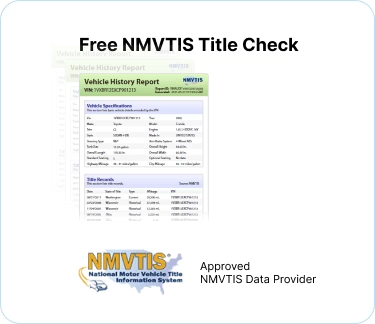
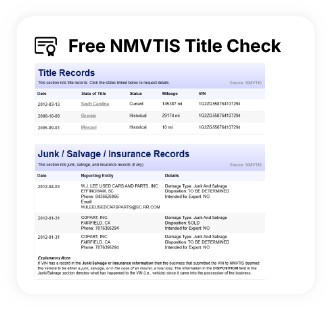
NMVTIS Title
History Check
Salvage/Rebuilt
Check
Accident
Check
Theft
Check
Open Lien
Check
Past Sale
Listings
Safety
Recalls
Odometer
Check
Market Price
Analysis

What Problems Does the 2003 International 4400 Have?

The 2003 International 4400, like many commercial vehicles, has a history of reported issues that owners and prospective buyers should be aware of. While generally considered a robust platform, certain problem areas are more frequently cited.

Electrical System Issues: A common concern revolves around the electrical system. This can manifest as intermittent power loss, faulty gauge readings, or issues with lighting and accessory functions. Older wiring harnesses can degrade over time, leading to poor connections and short circuits. This can be exacerbated by exposure to moisture and vibration.

Cooling System Problems: Overheating has been reported, often stemming from a neglected cooling system. This can include radiator leaks, failing water pumps, worn fan clutches, or clogged coolant passages. Maintaining coolant levels and regular flushes are critical to preventing these issues.

Transmission Troubles: Depending on the transmission type (manual or automatic), various problems can arise. For automatics, shifting issues, slipping, or outright failure can occur, often due to worn internal components or problems with the transmission control module (TCM). Manual transmissions can experience clutch wear or synchronizer problems.

Fuel System Concerns: Issues with fuel injectors, fuel pumps, and fuel lines can lead to poor engine performance, rough idling, or difficulty starting. For diesel engines, particularly those with common rail injection systems, ensuring fuel cleanliness is paramount to avoid expensive component damage.

Corrosion and Rust: Especially in regions with harsh winters and road salt usage, rust can become a significant problem. The frame, body panels, and undercarriage are susceptible to corrosion, which can compromise structural integrity over time. Regular inspections and preventative treatments are advised.

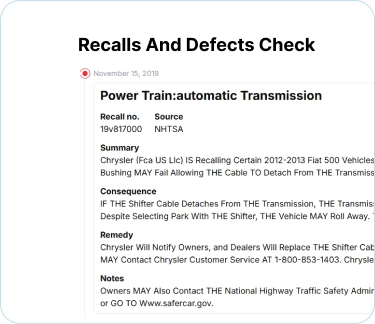
Recalls: Specific recalls for the 2003 model year would need to be checked against the National Highway Traffic Safety Administration (NHTSA) database using the VIN. However, recalls for commercial vehicles often pertain to safety-critical components like braking systems, steering, or potential fire hazards. It's essential to verify any outstanding recalls for a specific vehicle.

Long-Term Reliability: Despite these potential issues, the International 4400 is generally regarded as having good long-term reliability if properly maintained. Its simpler mechanical design compared to some modern vehicles can make repairs more straightforward. However, the age of a 2003 model means that wear and tear on many components are inevitable, and proactive maintenance is key to maximizing its lifespan and minimizing unexpected breakdowns.

How long will the 2003 International 4400 last?

The 2003 International 4400 is built for longevity and, with diligent maintenance, can achieve substantial mileage. Owner data and typical usage patterns suggest these trucks can reliably serve for 300,000 to 500,000 miles, and even exceed that if cared for meticulously. Years of service can easily extend to 15-20 years or more. Long-term durability is a hallmark, especially concerning the robust powertrains like the DT 466 engine. However, weaknesses emerge with age; electrical gremlins become more common, and the susceptibility to rust increases in corrosive environments. Components like the transmission, suspension bushings, and brake systems will eventually require attention. Proactive maintenance, such as regular fluid changes, filter replacements, and addressing minor issues promptly, is the key to unlocking the full potential of this durable commercial vehicle over its extended service life.

What Technology & Safety Features are Included?

The 2003 International 4400 is fundamentally a commercial work vehicle, meaning its built-in technology, entertainment, driver-assistance, and safety features are primarily functional and utilitarian, rather than luxurious or advanced by today's passenger car standards.

Tech and Entertainment: In 2003, technology in commercial trucks was focused on operational efficiency. Standard features typically included an AM/FM radio, often with a single-disc CD player as an optional upgrade. Dashboard instrumentation was clear and functional, providing essential information like speed, engine RPM, fuel level, oil pressure, and coolant temperature. Auxiliary power outlets for charging devices were common. More advanced tech, like GPS navigation, was rare and would have been an aftermarket addition. Connectivity options were non-existent in the modern sense.

Driver-Assistance Features: Advanced driver-assistance systems (ADAS) as we know them today were not integrated into the 2003 International 4400. Features like lane departure warnings, adaptive cruise control, or automatic emergency braking were not available. The primary driver-assistance was the vehicle's inherent design, which prioritized visibility and maneuverability for its size. Some trucks might have been equipped with optional backup alarms or mirrors designed to improve awareness of the surroundings.

Safety Features: Safety features were more basic but robust for its class. Standard safety equipment would include:
  • Seat Belts: Three-point seat belts for the driver and any passengers.
  • Brakes: Depending on the configuration and GVWR, it would feature hydraulic disc or drum brakes, with optional air brakes for heavier duty applications, providing significant stopping power.
  • Mirrors: Large, adjustable side mirrors for maximum rearward visibility.
  • Lighting: Standard headlights, taillights, turn signals, and marker lights for road visibility.
Optional safety features might have included anti-lock braking systems (ABS), particularly on models with air brakes, enhancing control during hard braking maneuvers.

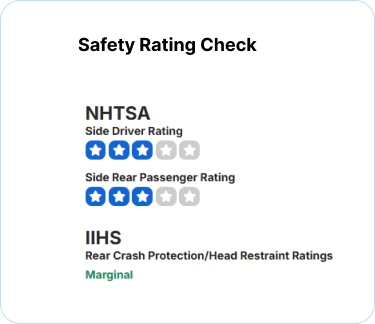
Crash-Test Ratings: Comprehensive crash-test ratings from organizations like the NHTSA or IIHS, similar to those for passenger vehicles, are generally not available or applicable to medium-duty commercial trucks like the 2003 International 4400. These vehicles are designed to withstand different types of forces and operate in different environments than passenger cars. Their safety is judged more on their structural integrity under load and their ability to prevent accidents through robust braking and visibility features.

What Colors Options are Available?

We’re working on this section!
In the meantime, feel free to explore the other sections for more content.

2003 International 4400 Prices and Market Value

When new, the 2003 International 4400 carried a price tag that varied significantly based on its configuration, engine, and vocational body. For a chassis cab, prices could range from approximately $60,000 to over $100,000, with specialized upfitting adding substantially to this cost. As a used vehicle today, the 2003 International 4400 represents a significant value proposition. Prices can range from $5,000 to $25,000 or more, heavily influenced by mileage, condition, engine type, and overall maintenance history. Depreciation on these workhorses is less dramatic than on passenger cars once they enter the used market, as their inherent durability and utility maintain demand. Factors affecting resale value include the condition of the frame and body (rust is a major detractor), the health of the engine and transmission, the presence of desirable vocational equipment, and verifiable maintenance records. Well-maintained units with lower mileage for their age command the highest prices.

2003 International 4400 Cost of Ownership

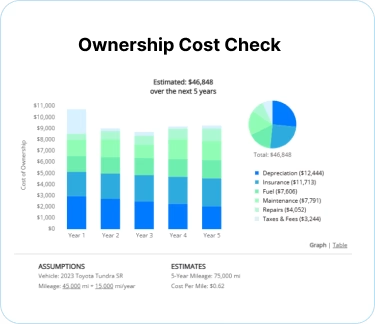
Owning a 2003 International 4400 involves moderate to high ownership costs, largely dependent on its application. Insurance premiums will be higher than for a passenger car due to its commercial nature and value. Fuel costs, while varying with diesel prices and usage, are significant given its engine size and weight; expect mileage in the 8-12 MPG range. Maintenance and repair are where costs can fluctuate. While parts are generally available, specialized diesel mechanics are often required. Routine maintenance is crucial for longevity. Overall, it is a costly vehicle to own from a running cost perspective, but its robust build and work capacity often justify the expense for businesses needing a reliable workhorse, making it economical in terms of capability delivered for the investment over time.

2003 International 4400 Fuel Efficiency

Fuel Type Diesel
Fuel Capacity -
City Mileage -
Highway Mileage -

2003 International 4400 Warranty

Basic
Original warranty 0 months / No data
Estimated remaining Expired
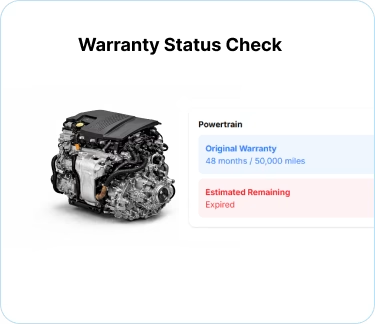
Powertrain
Original warranty 0 months / No data
Estimated remaining Expired
Rust
Original warranty 0 months / No data
Estimated remaining Expired

2003 International 4400 Insurance

Insurance for a 2003 International 4400 is moderately priced, reflecting its status as a Truck with strong safety ratings and
reasonable repair costs.

How Does the 2003 International 4400 Compare to Other Truck?

The 2003 International 4400 competes in the medium-duty truck segment, facing strong contenders from manufacturers like Freightliner, Sterling, and Kenworth/Peterbilt (though the latter two lean more towards heavy-duty).

Performance: In terms of raw performance, especially hauling power and torque, the International 4400 with its DT 466 engine was often a benchmark. It offered competitive horsepower and excellent torque for its class, making it capable of handling demanding vocational tasks. Rivals like the Freightliner M2 series offered comparable engine options, and Sterling trucks were also known for their robust powertrains. Performance was generally on par, with slight advantages often going to the specific engine choice.

Features: Feature sets in this era for commercial trucks were utilitarian. All competitors offered basic amenities like radios and functional dashboards. The International 4400 was no different. Advanced technology or comfort features were minimal and often optional. Competitors offered similar levels of basic functionality. The key differentiator was often the available chassis configurations and vocational upfitting options, which varied between brands.

Reliability: International trucks, particularly those with the DT 466 engine, have a strong reputation for reliability and durability. This was a significant selling point. Freightliner and Sterling trucks also offered good reliability, but anecdotal evidence and long-term owner satisfaction often placed International highly, especially concerning the longevity of their powertrains. Kenworth and Peterbilt, even in their lighter offerings, are known for exceptional build quality and durability, often at a higher price point.

Price: When new, the pricing across these manufacturers was competitive within their segments. Used, the 2003 International 4400 often represents excellent value. Sterling trucks, which are no longer in production, might be found at very attractive prices, but parts availability could become an issue. Freightliner M2s are common and tend to hold their value reasonably well. For a similar combination of robust powertrain, overall reliability, and a more accessible used price point, the 2003 International 4400 remains a compelling choice.

Alternatives:
  • Similar: Freightliner M2 106 is a direct competitor offering a similar blend of performance and utility.
  • Potentially Better (depending on needs): If extreme durability and build quality are paramount and budget allows, a used Kenworth T270 or Peterbilt 330 might be considered, though they often carry a higher initial cost.
  • Consider if price is the absolute primary driver: A used Sterling Acterra could be an option, but research parts availability thoroughly.

The 2003 International 4400 stands out for its proven engine reliability and strong value proposition in the used market.

Final Verdict: Is the 2003 International 4400 a Good Truck?

The 2003 International 4400 is ideal for small to medium-sized businesses, independent contractors, and fleet operators who prioritize a dependable, hard-working truck over luxury or cutting-edge technology. Its sweet spot is for those needing a robust chassis for vocational applications like delivery, utility work, or light construction, where reliability and low operating costs over the long haul are paramount. It is absolutely worth buying on the used market, especially if you prioritize its strong powertrain and straightforward maintenance.

Buying a used 2003 International 4400 is highly recommended. Look for models with well-documented maintenance history, paying close attention to the engine (ideally the DT 466), transmission, and frame condition (checking for rust). Avoid units with excessively high mileage unless their condition strongly suggests they've been exceptionally well-maintained. It's not a vehicle for someone seeking a comfortable daily commuter; it's a tool for serious work. Given its age, expect some minor repairs and ongoing maintenance, but its core durability makes it a sound investment for the right buyer under the right conditions.

2003 International 4400 Owner Reviews

0.00
Consumer Rating, Based on 0 Consumer Reviews
Overall rating
Cancel
Thank You for Your Review!

We truly appreciate the time and effort you took to share your experience with us.

Uh oh!

Something went wrong, please try again later.

Author Image
Cathleen V

Cathleen is an exceptional freelance writer covering hot topics in the automotive world from a gearhead's perspective. Her articles delve into various aspects of automotive technology and history, offering readers detailed insights into engine performance, reliability, and maintenance. Through her engaging and informative writing, Cathleen provides valuable information to automotive enthusiasts and consumers alike, helping them make informed decisions about vehicle maintenance and purchases.