The 1990 Ford Probe was a sporty compact coupe introduced as part of Ford's move to offer more engaging vehicles. Produced from 1988 to 1997 across two generations, it was initially offered in GL, LX, and GT trims. The first generation, including the 1990 model, featured a sleek, aerodynamic design that set it apart. Its popularity stemmed from its stylish looks and accessible performance for its price point, appealing to younger buyers and those seeking a more dynamic driving experience without breaking the bank.


The Good
The 1990 Ford Probe offers an alluring blend of eye-catching design and enjoyable performance. Emotionally, its sporty profile and responsive handling evoke a sense of driving pleasure. Practically, it provides decent fuel efficiency and a reasonably comfortable interior for its class, making it a good value proposition for practical buyers.
The Bad
Owners of the 1990 Ford Probe should be aware of potential issues with the automatic transmission, especially on higher mileage examples. Electrical gremlins, particularly with sensors and dashboard components, can also arise. Rust, especially in the rocker panels and wheel wells, is another common concern.
1990 Ford Probe: Quick Overview
- Engine Options: The 1990 Ford Probe was available with two primary engine options:
- 2.2L 12-valve SOHC Inline-4 (F22A): This was the standard engine for the GL and LX trims.
- 2.2L 12-valve SOHC Turbocharged Inline-4 (F22A Turbo): Exclusive to the GT trim, offering significantly more power.
- Horsepower:
- Non-turbocharged (2.2L I4): Approximately 110-115 horsepower.
- Turbocharged (2.2L Turbo I4): Approximately 145 horsepower.
- Fuel Economy:
- EPA estimates for the non-turbocharged models typically ranged from around 20-22 MPG in the city and 26-30 MPG on the highway, depending on transmission and driving conditions.
- The turbocharged GT model saw slightly lower fuel economy, generally in the range of 18-20 MPG city and 24-27 MPG highway.
- 0-60 Times:
- Non-turbocharged models were generally in the 9-11 second range.
- The turbocharged GT models could achieve 0-60 MPH in roughly 7.5-8.5 seconds, making them noticeably quicker.
- Towing Capacity: The Ford Probe was not designed or equipped for towing. Towing capacity is not applicable for this vehicle.
- Trim-Level Features:
- GL: Base model, typically featured power steering, intermittent wipers, and a basic AM/FM stereo.
- LX: Added features like air conditioning, power windows, power door locks, cruise control, and a more upgraded stereo system.
- GT: The performance-oriented trim, included the turbocharged engine, sport-tuned suspension, alloy wheels, fog lights, body kit enhancements, and often featured front bucket seats with sport bolstering.
1990 Ford Probe Specifications
Vehicle Information
| Year | 1990 |
| Make | Ford |
| Model | Probe |
| Trim | - |
| Style | - |
| Type | Hatchback |
| Category | Compact Car |
Manufacturing Details
| Made In | United States |
| Manufacturing City | FLAT ROCK |
Dimensions
| Doors | 2-Door |
| Curb Weight | - |
| Gross Vehicle Weight Rating | - |
| Overall Height | - |
| Overall Length | - |
| Overall Width | - |
| Wheelbase Length | - |
| Standard Seating | - |
Engine & Performance
| Engine | 3.8L V6 |
| Engine Size | 3.8L |
| Engine Cylinders | 6 |
| Transmission | - |
| Transmission Type | - |
| Transmission Speeds | - |
| Drivetrain | Front-Wheel Drive |
Additional Features
| Anti-Brake System | - |
| Steering Type | - |
Pricing
| Manufacturer Suggested Retail Price (MSRP) | - |
| Invoice Price | - |
| Delivery Charges | - |
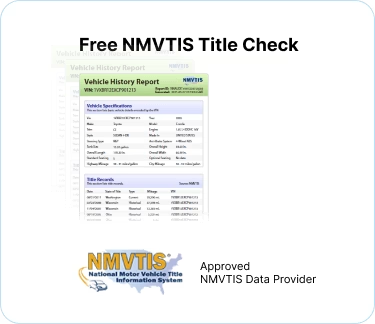
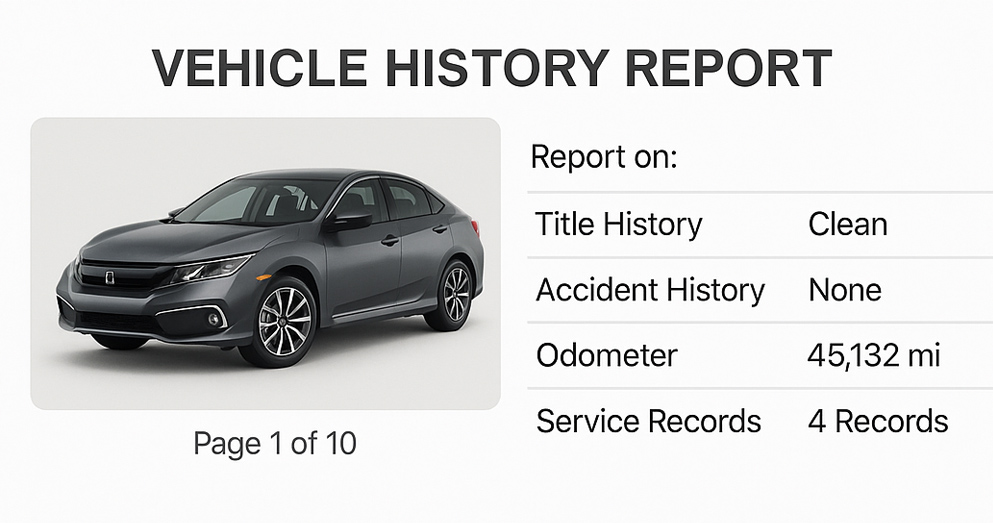
Vehicle History Report
Vehicle
Specifications
Specifications
Ownership
History
History
All History
Events
Events
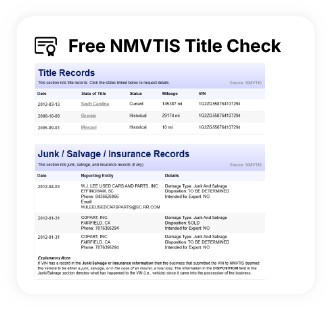
NMVTIS Title
History Check
History Check
Salvage/Rebuilt
Check
Check
Accident
Check
Check
Theft
Check
Check
Open Lien
Check
Check
Past Sale
Listings
Listings
Safety
Recalls
Recalls
Odometer
Check
Check
Market Price
Analysis
Analysis
What Problems Does the 1990 Ford Probe Have?
The 1990 Ford Probe, while generally considered a decent performer for its era, has a few commonly reported issues that prospective owners should be aware of. One of the most frequently cited problems revolves around the automatic transmission. Early automatic transmissions in these models can develop issues, particularly with shifting and torque converter problems, especially as they accumulate mileage. Regular fluid changes are crucial, but even then, transmission failures are not uncommon on high-mileage examples.
Another area of concern is the electrical system. Owners have reported various electrical gremlins, including faulty sensor readings (such as the coolant temperature sensor or throttle position sensor), intermittent dashboard warning lights, and issues with power windows and door locks. These can be frustrating to diagnose and repair. The climate control system, including the A/C and heater, can also be prone to leaks or component failures over time.
Rust is a significant long-term reliability concern, especially for vehicles that have lived in areas with harsh winters or high humidity. The rocker panels, rear wheel arches, and areas around the taillights are particularly susceptible to corrosion. Thorough inspection for rust is paramount when considering a used 1990 Probe.
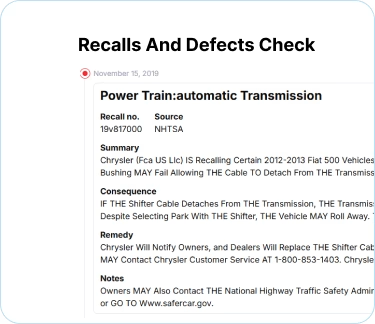
While there weren't widespread major recalls specific to the 1990 model year that dramatically impacted its long-term reliability, like many vehicles of this vintage, it's essential to check for any outstanding recalls or past service bulletins. The overall reliability can be good if well-maintained, but specific components, like the aforementioned transmission and certain electrical sensors, can be weak points. Engine reliability is generally decent, especially the naturally aspirated versions, but they require diligent maintenance, including timing belt replacement at recommended intervals.
Another area of concern is the electrical system. Owners have reported various electrical gremlins, including faulty sensor readings (such as the coolant temperature sensor or throttle position sensor), intermittent dashboard warning lights, and issues with power windows and door locks. These can be frustrating to diagnose and repair. The climate control system, including the A/C and heater, can also be prone to leaks or component failures over time.
Rust is a significant long-term reliability concern, especially for vehicles that have lived in areas with harsh winters or high humidity. The rocker panels, rear wheel arches, and areas around the taillights are particularly susceptible to corrosion. Thorough inspection for rust is paramount when considering a used 1990 Probe.
While there weren't widespread major recalls specific to the 1990 model year that dramatically impacted its long-term reliability, like many vehicles of this vintage, it's essential to check for any outstanding recalls or past service bulletins. The overall reliability can be good if well-maintained, but specific components, like the aforementioned transmission and certain electrical sensors, can be weak points. Engine reliability is generally decent, especially the naturally aspirated versions, but they require diligent maintenance, including timing belt replacement at recommended intervals.
How long will the 1990 Ford Probe last?
Based on owner data and typical maintenance habits, a well-cared-for 1990 Ford Probe can realistically achieve between 150,000 and 200,000 miles or serve for around 15-20 years. Its long-term durability is heavily influenced by maintenance. Crucially, regular fluid changes (engine oil, transmission fluid, coolant) and timely replacement of wear items like the timing belt are vital. The chassis and body can hold up reasonably well against rust if treated with undercoating and kept clean, especially in corrosive environments. However, the known weaknesses in the automatic transmission and certain electrical components can limit its lifespan if not addressed proactively. Neglected maintenance, particularly on the transmission and engine cooling system, can significantly shorten its service life, leading to premature failures.
What Technology & Safety Features are Included?
The 1990 Ford Probe offered a modest array of technology and safety features for its time, focusing more on styling and driving dynamics than cutting-edge electronics.
Entertainment: Standard entertainment typically included an AM/FM stereo radio. Higher trims, like the LX and GT, often came with an upgraded stereo system, sometimes featuring cassette players and more speakers for improved sound quality. A power antenna was often a common convenience.
Built-in Tech: Beyond the basic audio system, technological features were relatively simple. Air conditioning was a common feature, especially on LX and GT models, and power windows and door locks became increasingly standard or optional. Cruise control was also available as an option on many trims, enhancing highway driving comfort.
Driver-Assistance Features: Driver-assistance technology as we know it today was virtually non-existent in 1990. Features were limited to the basics like power steering for easier maneuverability and anti-lock braking systems (ABS) were an optional upgrade, primarily on higher trims or as part of a package, significantly enhancing braking control and safety during emergency stops.
Safety Features: Standard safety features included seat belts (three-point belts in the front, lap belts in the rear), a collapsible steering column designed to absorb impact, and side-impact door beams for structural integrity. Head restraints were also standard. The body structure was designed with crumple zones to absorb crash energy.
Optional Features: Key optional features that enhanced comfort and safety included the aforementioned ABS, power moonroofs, and upgraded audio systems. Alloy wheels were also an option, contributing to both aesthetics and, on the GT, performance.
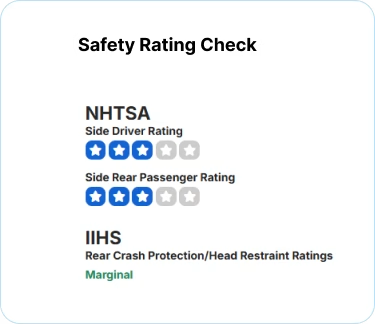
Crash-Test Ratings: Specific crash-test ratings for the 1990 Ford Probe from agencies like the NHTSA or IIHS are not readily available or might be outdated by modern standards. However, vehicles from this era generally performed less favorably in frontal and side-impact tests compared to today's vehicles. The focus was on occupant restraint and some structural integrity, but advanced airbag systems (which were becoming more common but not standard on all models in 1990) and sophisticated energy-absorbing structures were less prevalent.
Entertainment: Standard entertainment typically included an AM/FM stereo radio. Higher trims, like the LX and GT, often came with an upgraded stereo system, sometimes featuring cassette players and more speakers for improved sound quality. A power antenna was often a common convenience.
Built-in Tech: Beyond the basic audio system, technological features were relatively simple. Air conditioning was a common feature, especially on LX and GT models, and power windows and door locks became increasingly standard or optional. Cruise control was also available as an option on many trims, enhancing highway driving comfort.
Driver-Assistance Features: Driver-assistance technology as we know it today was virtually non-existent in 1990. Features were limited to the basics like power steering for easier maneuverability and anti-lock braking systems (ABS) were an optional upgrade, primarily on higher trims or as part of a package, significantly enhancing braking control and safety during emergency stops.
Safety Features: Standard safety features included seat belts (three-point belts in the front, lap belts in the rear), a collapsible steering column designed to absorb impact, and side-impact door beams for structural integrity. Head restraints were also standard. The body structure was designed with crumple zones to absorb crash energy.
Optional Features: Key optional features that enhanced comfort and safety included the aforementioned ABS, power moonroofs, and upgraded audio systems. Alloy wheels were also an option, contributing to both aesthetics and, on the GT, performance.
Crash-Test Ratings: Specific crash-test ratings for the 1990 Ford Probe from agencies like the NHTSA or IIHS are not readily available or might be outdated by modern standards. However, vehicles from this era generally performed less favorably in frontal and side-impact tests compared to today's vehicles. The focus was on occupant restraint and some structural integrity, but advanced airbag systems (which were becoming more common but not standard on all models in 1990) and sophisticated energy-absorbing structures were less prevalent.
What Colors Options are Available?
1990 Ford Probe Prices and Market Value
When new, the 1990 Ford Probe typically had a starting price ranging from around $12,000 for the base GL model, with the LX and the sportier GT trims commanding higher prices, potentially reaching up to $16,000-$18,000. As with most vehicles from this era, the Probe experienced significant depreciation in its early years. Today, current used market prices for a 1990 Ford Probe can vary widely, generally falling between $2,000 and $5,000 for models in average condition with moderate mileage. Exceptional, low-mileage, or pristine examples, especially the GT trim, might fetch slightly more. Factors affecting resale value include the overall condition of the vehicle, maintenance history, mileage, the presence of rust, and the functionality of key components like the transmission and engine. The turbocharged GT models tend to hold their value better due to their performance appeal.
1990 Ford Probe Cost of Ownership
The 1990 Ford Probe is generally considered economical to own. Insurance costs are typically low, especially for liability-only coverage, due to its age and lower market value. Fuel costs are moderate; the non-turbocharged models offer decent MPG, while the turbo GT will consume more fuel. Maintenance costs are generally reasonable, with parts being relatively accessible and affordable. However, potential repairs, especially to the automatic transmission or complex electrical issues, can become costly. Long-term ownership costs are manageable if the vehicle is well-maintained and major mechanical failures are avoided. It leans towards being an economical choice, especially for those who can perform some maintenance themselves.
1990 Ford Probe Fuel Efficiency
Fuel Type
Gasoline
Fuel Capacity
-
City Mileage
-
Highway Mileage
-
1990 Ford Probe Insurance
Insurance for a 1990 Ford Probe is moderately priced, reflecting its status as a Hatchback with strong safety ratings and
reasonable repair costs.
How Does the 1990 Ford Probe Compare to Other Hatchback?
The 1990 Ford Probe competed in a crowded segment of sporty compact coupes and sedans. Key rivals included the Honda Prelude, Toyota Celica, Mazda MX-3/626, and Nissan 240SX.
Performance: The Probe GT, with its turbocharged engine, offered competitive acceleration for its price point, often outperforming naturally aspirated versions of rivals like the Celica and Prelude. However, rivals like the 240SX and certain Prelude models often boasted more sophisticated independent rear suspension setups, leading to superior handling dynamics in aggressive driving. The base Probe models were adequate but not particularly inspiring.
Features: In terms of features, the Probe was generally on par with its contemporaries. Higher trims offered power amenities, decent audio systems, and optional ABS, comparable to what the Prelude and Celica offered. The design of the Probe was often a strong suit, with a sleek, modern look that appealed to buyers seeking style.
Reliability: This is where the Probe sometimes lagged behind its Japanese rivals. While the engines were generally robust, the automatic transmissions had a reputation for being less durable than those found in Honda or Toyota vehicles. Electrical gremlins and rust were also more commonly reported issues compared to the rock-solid reliability often associated with brands like Honda and Toyota. The Mazda MX-3/626 offered a good balance of performance and reliability, often being a safer bet.
Price: The Ford Probe was often priced competitively, sometimes offering more performance for the money than similarly equipped rivals, especially when comparing the GT model to higher-tier versions of its competitors. This value proposition was a significant draw.
Alternatives:
Performance: The Probe GT, with its turbocharged engine, offered competitive acceleration for its price point, often outperforming naturally aspirated versions of rivals like the Celica and Prelude. However, rivals like the 240SX and certain Prelude models often boasted more sophisticated independent rear suspension setups, leading to superior handling dynamics in aggressive driving. The base Probe models were adequate but not particularly inspiring.
Features: In terms of features, the Probe was generally on par with its contemporaries. Higher trims offered power amenities, decent audio systems, and optional ABS, comparable to what the Prelude and Celica offered. The design of the Probe was often a strong suit, with a sleek, modern look that appealed to buyers seeking style.
Reliability: This is where the Probe sometimes lagged behind its Japanese rivals. While the engines were generally robust, the automatic transmissions had a reputation for being less durable than those found in Honda or Toyota vehicles. Electrical gremlins and rust were also more commonly reported issues compared to the rock-solid reliability often associated with brands like Honda and Toyota. The Mazda MX-3/626 offered a good balance of performance and reliability, often being a safer bet.
Price: The Ford Probe was often priced competitively, sometimes offering more performance for the money than similarly equipped rivals, especially when comparing the GT model to higher-tier versions of its competitors. This value proposition was a significant draw.
Alternatives:
- Honda Prelude: Often considered the benchmark for its class, offering excellent reliability, refined performance, and a well-built interior, though it could be more expensive.
- Toyota Celica: Another strong contender with good reliability and sporty styling, though some generations were more performance-oriented than others.
- Mazda MX-3/626: The MX-3 offered a unique V6 engine in a small chassis, while the 626 provided a more practical but still engaging coupe option. Both generally offered good reliability.
- Nissan 240SX: A rear-wheel-drive enthusiast favorite known for its excellent handling and aftermarket support, though often less refined in interior comfort and features.
Final Verdict: Is the 1990 Ford Probe a Good Hatchback?
The 1990 Ford Probe is ideal for budget-conscious enthusiasts who appreciate sporty styling and a degree of spirited driving without the premium price tag of some competitors. It's a worthwhile buy for those who prioritize aesthetics and a fun driving experience over absolute long-term reliability. This vehicle is best purchased on the used market, as new models are long gone.
When considering a purchase, the GT trim with the turbocharged engine is the most desirable for performance enthusiasts, but also potentially carries more maintenance risks. Naturally aspirated models (GL, LX) are more practical and likely more reliable day-to-day. Buyers should meticulously inspect any potential purchase for rust, and crucially, have the automatic transmission thoroughly checked by a mechanic. A well-maintained example, especially with a manual transmission, can offer years of enjoyable motoring for a modest investment. It's not for someone who needs a completely trouble-free daily driver without any potential for unexpected repairs.