
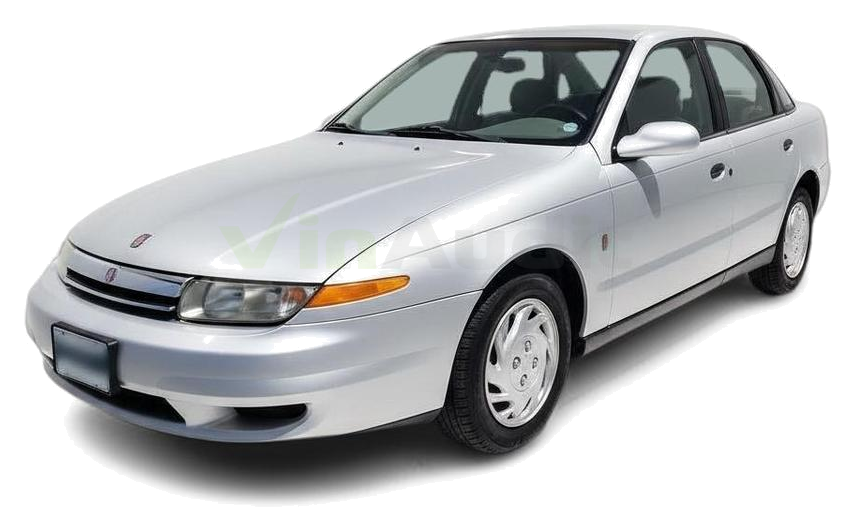
The Good
The 2001 Saturn L-Series offered a comfortable ride and surprisingly spacious interior for its class. Its accessible price point and the novel dent-resistant plastic body panels appealed to practical buyers. Emotionally, its unique Saturn identity provided a sense of individuality and value.
The Bad
Potential buyers of the 2001 Saturn L-Series should be aware of common issues such as transmission problems, particularly with automatic transmissions. Engine oil leaks and electrical gremlins, especially concerning the power windows and locks, are also frequently reported concerns that require attention.
2001 Saturn L-Series: Quick Overview
- Engine Options:
- 2.2L Inline-4 (L100)
- 3.0L V6 (L200, L300)
- 3.0L V6 (L300 - later models may have had other V6 options)
- Horsepower:
- 2.2L I4: Approximately 135 hp
- 3.0L V6: Approximately 182 hp
- Fuel Economy (EPA Estimated):
- 2.2L I4 (Manual): ~22 MPG City / ~30 MPG Highway
- 2.2L I4 (Automatic): ~21 MPG City / ~29 MPG Highway
- 3.0L V6 (Automatic): ~19 MPG City / ~27 MPG Highway
- 0-60 Times (Estimated):
- 2.2L I4: ~10-11 seconds
- 3.0L V6: ~8-9 seconds
- Towing Capacity: Not generally applicable or advertised for typical consumer use.
- Trim-Level Features:
- L100: Base model, typically with manual transmission, air conditioning, power windows, and basic audio system.
- L200: Upgraded interior materials, often with alloy wheels, cruise control, and a better sound system. Available with both 4-cylinder and V6 engines.
- L300: Premium trim, featuring leather upholstery, power seats, a more advanced audio system, and possibly a sunroof. Usually equipped with the V6 engine.
- Common features across trims (optional or standard): Anti-lock brakes (ABS), power door locks, driver and passenger airbags, optional side airbags, optional CD player, tilt steering wheel.
2001 Saturn L-Series Specifications
Vehicle Information
| Year | 2001 |
| Make | Saturn |
| Model | L-Series |
| Trim | - |
| Style | - |
| Type | Wagon |
| Category | Mid-Size Car |
Manufacturing Details
| Made In | United States |
| Manufacturing City | WILMINGTON |
Dimensions
| Doors | 4-Door |
| Curb Weight | 3257 pounds |
| Gross Vehicle Weight Rating | - |
| Overall Height | 57.30 inches |
| Overall Length | 190.40 inches |
| Overall Width | 68.50 inches |
| Wheelbase Length | 106.50 inches |
| Standard Seating | 5 |
Engine & Performance
| Engine | 3L V6 |
| Engine Size | 3L |
| Engine Cylinders | 6 |
| Transmission | 4-Speed Automatic |
| Transmission Type | Automatic |
| Transmission Speeds | 4-Speed |
| Drivetrain | Front-Wheel Drive |
Additional Features
| Anti-Brake System | Non-ABS 4-Wheel ABS |
| Steering Type | Rack & Pinion |
Pricing
| Manufacturer Suggested Retail Price (MSRP) | $21,605 |
| Invoice Price | $19,228 |
| Delivery Charges | $500 |
Vehicle History Report
Specifications
History
Events
History Check
Check
Check
Check
Check
Listings
Recalls
Check
Analysis
What Problems Does the 2001 Saturn L-Series Have?
Another common area of concern involves engine oil leaks, particularly from the valve cover gaskets and front crankshaft seal. These leaks can lead to low oil levels and potential engine damage if not addressed promptly. Electrical issues also surface frequently in owner forums and repair databases. These can range from malfunctioning power windows and door locks to intermittent issues with the radio or dashboard lights. The body control module (BCM) has been implicated in some of these electrical gremlins.
Cooling system problems, such as radiator leaks and thermostat failures, have also been noted, which can lead to overheating if ignored. While there were no major widespread recalls for the 2001 model year that stand out as critical safety defects, it's always advisable to check for any outstanding recalls with the VIN. Long-term reliability can be a mixed bag; while some owners report trouble-free ownership with diligent maintenance, others encounter a string of issues, particularly as the vehicle ages. The unique polymer body panels, while resistant to minor dents, can fade or become brittle over time and may not offer the same long-term integrity as traditional steel. The suspension components can also wear out, leading to a less refined ride.
How long will the 2001 Saturn L-Series last?
What Technology & Safety Features are Included?
In terms of driver-assistance features, the 2001 L-Series was fairly rudimentary by today's standards. Anti-lock brakes (ABS) were often standard or a widely available option, enhancing braking control in emergency situations. Cruise control was also a common convenience feature, especially on L200 and L300 trims.
Safety was addressed with standard front airbags for the driver and front passenger. Optional side-impact airbags were also available, offering an additional layer of protection for occupants in certain types of collisions. The vehicle's structure was designed with safety in mind, though specific crash-test ratings from organizations like the NHTSA or IIHS for the 2001 model year would need to be consulted for precise performance data. However, early Saturn models generally performed reasonably well in crash tests for their time, often achieving respectable scores in frontal and side impact tests. The polymer body panels, while primarily for aesthetics and dent resistance, also played a role in energy absorption during impacts. Power windows and locks were common, contributing to convenience and a sense of modern features.
What Colors Options are Available?
2001 Saturn L-Series Prices and Market Value
2001 Saturn L-Series Cost of Ownership
2001 Saturn L-Series Fuel Efficiency
2001 Saturn L-Series Safety Rating
NHTSA
IIHS
2001 Saturn L-Series Warranty
Basic
Powertrain
Rust
2001 Saturn L-Series Insurance
reasonable repair costs.
How Does the 2001 Saturn L-Series Compare to Other Wagon?
Features were a mixed bag. While the Saturn offered a spacious interior and the unique polymer body panels were a talking point, competitors often provided more advanced technology, better interior materials, and more sophisticated styling. Reliability is where the L-Series significantly lagged behind segment leaders like the Camry and Accord, which were renowned for their robust mechanicals. The Saturn was more prone to transmission issues and electrical gremlins. The price point was an advantage; Saturn often positioned itself as a value-oriented brand, meaning the L-Series could be purchased for less than its Japanese or some American rivals when new, and this trend continues on the used market.
Alternatives:
- Toyota Camry (2001): A benchmark for reliability, comfort, and resale value. Offers a smooth ride and dependable powertrains. Often a safer bet for long-term ownership.
- Honda Accord (2001): Known for its engaging driving dynamics, solid build quality, and excellent reliability. Generally offers a sportier feel than the L-Series.
- Ford Taurus (2001): Offered a more spacious interior and a comfortable ride, especially the wagon variants. Performance could be good with the V6, but reliability could be inconsistent.
- Chevrolet Malibu (2001): A more direct American competitor. Offered a comfortable ride and a decent value proposition, but often lacked the refinement and reliability of Japanese rivals.
If prioritizing reliability and long-term ownership peace of mind, the Toyota Camry or Honda Accord are superior choices. If a very low purchase price is the absolute priority and the buyer is willing to accept potential repair costs, the Saturn L-Series can still be considered, but it's a riskier proposition.
Final Verdict: Is the 2001 Saturn L-Series a Good Wagon?
Buying used is the only viable option now. If considering one, opt for the 4-cylinder engine (L100 or L200) for better fuel economy and potentially fewer complex issues than the V6. Thorough pre-purchase inspection by a mechanic familiar with Saturns is paramount. It's worth buying only if the price is extremely low and the car has demonstrably good maintenance records and no immediate signs of major problems. For most buyers, spending a little more on a more reliable competitor would be a wiser investment.

Cathleen V
Cathleen is an exceptional freelance writer covering hot topics in the automotive world from a gearhead's perspective. Her articles delve into various aspects of automotive technology and history, offering readers detailed insights into engine performance, reliability, and maintenance. Through her engaging and informative writing, Cathleen provides valuable information to automotive enthusiasts and consumers alike, helping them make informed decisions about vehicle maintenance and purchases.