The 2022 Peterbilt 579 is a flagship vocational and line-haul heavy-duty truck, known for its exceptional aerodynamics and driver-centric design. Introduced to redefine long-haul trucking, it features a distinctive, sleek body style. While specific trims and exact pricing fluctuate based on configuration, the 579 is a premium offering. Its popularity stems from a blend of cutting-edge technology, superior fuel efficiency, and unparalleled driver comfort, making it a sought-after choice for owner-operators and fleets prioritizing performance and image.
The Good
The 2022 Peterbilt 579 excels with robust performance, legendary reliability, and unmatched driver comfort. Its aerodynamic design boosts efficiency, while the premium interior appeals to pride and the practical need for a productive workspace. This truck offers significant value through its longevity and operational savings.
The Bad
Potential buyers of the 2022 Peterbilt 579 should be aware of its premium price point, which can be a significant initial investment. Some users report occasional complex electronic system glitches. Additionally, due to its sophisticated aerodynamics, certain repairs might be more specialized.
2022 Peterbilt 579: Quick Overview
- Engine Options: The 2022 Peterbilt 579 is primarily powered by PACCAR engines, renowned for their efficiency and durability. Key options include the PACCAR MX-13 engine, offering robust performance for heavy-duty applications.
- Horsepower: Horsepower typically ranges from around 400 hp to over 500 hp, depending on the specific engine configuration and customer needs. Higher horsepower variants are designed for demanding over-the-road hauling.
- Fuel Economy: While exact MPG figures are highly variable based on load, terrain, and driving style, the 579 is lauded for its exceptional fuel efficiency. Its advanced aerodynamic design, including a sculpted hood, integrated fairings, and optimized chassis skirts, significantly reduces drag. PACCAR MX engines are also engineered for optimal fuel combustion. Owners often report significant fuel savings compared to less aerodynamically advanced trucks.
- 0-60 Times: 0-60 mph times are not a primary metric for heavy-duty trucks and are highly dependent on gross vehicle weight, transmission, and final drive ratio. However, the powerful engine options provide ample acceleration for merging and passing in highway conditions.
- Towing Capacity: As a Class 8 truck, the Peterbilt 579 is designed for substantial towing. Its Gross Combination Weight Rating (GCWR) can exceed 80,000 lbs, and configurations are available to handle very heavy loads, often in the hundreds of thousands of pounds, depending on the chassis and axle configurations selected.
- Trim-Level Features: While Peterbilt offers extensive customization, common features across its premium configurations include: advanced PACCAR MX powertrains, Eaton Fuller or Allison automatic transmissions, extensive aerodynamic enhancements, a spacious and customizable cabin (available in various sleeper configurations like the 80-inch UltraLoft), premium interior materials, advanced driver information displays, integrated navigation systems, multiple power outlets, extensive storage solutions, and driver-focused ergonomics. Optional features can include advanced driver-assistance systems (ADAS), enhanced suspension options, and specialized exterior lighting.
2022 Peterbilt 579 Specifications
Vehicle Information
| Year | 2022 |
| Make | Peterbilt |
| Model | 579 |
| Trim | - |
| Style | - |
| Type | Truck |
| Category | Heavy Truck |
Manufacturing Details
| Made In | United States |
| Manufacturing City | DENTON |
Dimensions
| Doors | - |
| Curb Weight | - |
| Gross Vehicle Weight Rating | 33001 pounds |
| Overall Height | - |
| Overall Length | - |
| Overall Width | - |
| Wheelbase Length | - |
| Standard Seating | - |
Engine & Performance
| Engine | 12.9L L6 DIESEL |
| Engine Size | 12.9L |
| Engine Cylinders | 6 |
| Transmission | - |
| Transmission Type | - |
| Transmission Speeds | - |
| Drivetrain | 6x4 |
Additional Features
| Anti-Brake System | - |
| Steering Type | - |
Pricing
| Manufacturer Suggested Retail Price (MSRP) | - |
| Invoice Price | - |
| Delivery Charges | - |
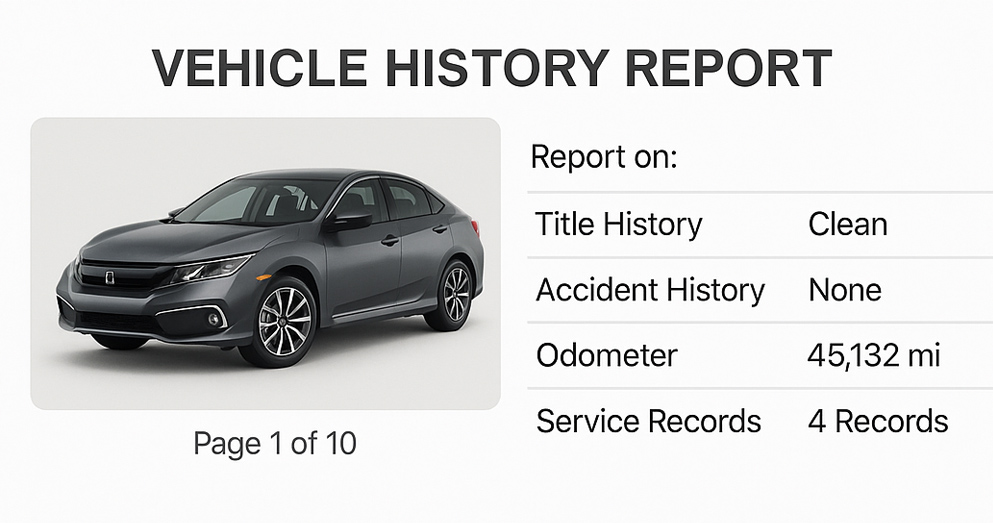
Vehicle History Report
Vehicle
Specifications
Specifications
Ownership
History
History
All History
Events
Events
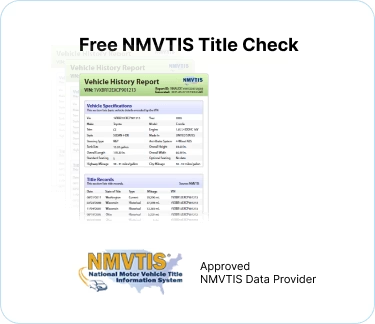
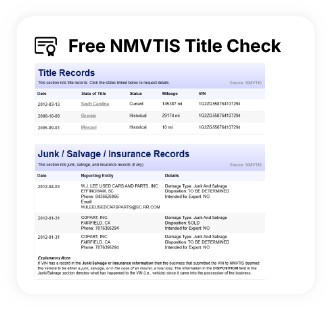
NMVTIS Title
History Check
History Check
Salvage/Rebuilt
Check
Check
Accident
Check
Check
Theft
Check
Check
Open Lien
Check
Check
Past Sale
Listings
Listings
Safety
Recalls
Recalls
Odometer
Check
Check
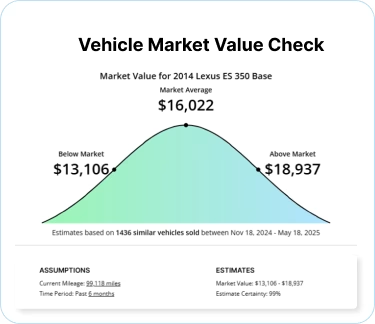
Market Price
Analysis
Analysis
What Problems Does the 2022 Peterbilt 579 Have?
The 2022 Peterbilt 579, being a relatively modern iteration of a well-established platform, generally enjoys a strong reputation for reliability. However, like any complex heavy-duty vehicle, occasional issues can arise. Historically, some PACCAR MX engines have had reports related to EGR (Exhaust Gas Recirculation) system issues or sensor failures, though these are often addressed through software updates and component improvements in newer model years. Owners sometimes report minor electrical gremlins or issues with advanced infotainment systems, particularly concerning connectivity or software glitches. These are often resolved with dealer diagnostics and software updates.
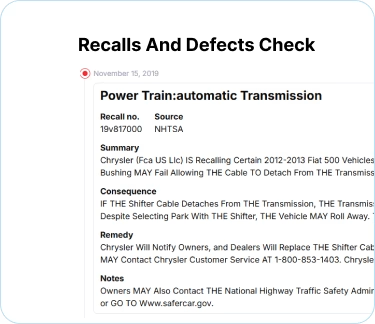
Recalls for heavy-duty trucks are common and typically address safety-related components. For the 2022 model year, specific recalls would be tied to component manufacturers and could include items like brake system issues, potential electrical harness faults, or specific engine or transmission control module (TCM) software updates. It is crucial for owners to stay informed about any issued recalls through official Peterbilt channels or the NHTSA website. Long-term reliability concerns for the 579 are generally minimal, as Peterbilt trucks are built for longevity. The robust chassis, proven powertrains, and durable build quality contribute to their reputation for lasting hundreds of thousands of miles when properly maintained. Wear items like brakes, tires, and suspension components will require regular service, but the core mechanical and structural integrity of the 579 is typically very high. Specific model year issues are less pronounced for the 2022 compared to older generations, as continuous engineering improvements are integrated. The focus for long-term ownership revolves around proactive maintenance and addressing any emergent warning lights or performance anomalies promptly.
How long will the 2022 Peterbilt 579 last?
Based on owner data and industry trends for heavy-duty trucks, the 2022 Peterbilt 579 is engineered for exceptional longevity. With consistent, diligent maintenance, including regular oil changes, filter replacements, and adherence to the manufacturer's service schedule, these trucks can realistically achieve 1 to 1.5 million miles or more over their service life. The PACCAR MX engines are known for their durability, and the chassis is built to withstand demanding conditions. Weaknesses that may emerge over extended mileage typically relate to wear-and-tear items such as suspension components, clutch (if manual), or DPF (Diesel Particulate Filter) systems, which are standard on modern diesels. However, the core structure and powertrain of the 579 are designed for sustained high-mileage operation, making it a sound long-term investment.
What Technology & Safety Features are Included?
The 2022 Peterbilt 579 integrates advanced technology aimed at enhancing driver experience, safety, and operational efficiency. Standard tech features often include a digital driver display offering detailed vehicle information, integrated diagnostics, and navigation prompts. The infotainment system typically features a high-resolution touchscreen with Bluetooth connectivity for hands-free calls and audio streaming, USB ports, and AM/FM radio. Optional upgrades can include a more robust navigation system with real-time traffic updates, premium sound systems, and advanced telematics for fleet management.
Driver-assistance and safety features are increasingly becoming standard or available options. These can include Advanced Emergency Braking Systems (AEBS) that can detect potential collisions and apply brakes automatically, Lane Departure Warning (LDW) systems that alert drivers if they drift from their lane, and adaptive cruise control to maintain a set distance from the vehicle ahead. Other potential safety features include stability control, anti-lock braking systems (ABS), and enhanced lighting packages for improved visibility. Optional cameras, such as blind-spot monitoring or rearview cameras, further augment situational awareness.

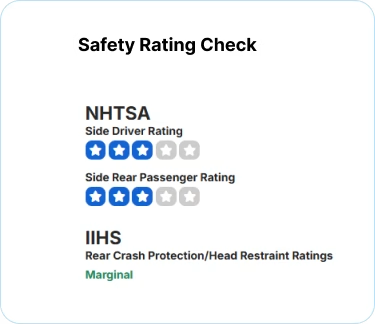
While official NHTSA crash-test ratings are not typically provided for Class 8 trucks in the same manner as passenger vehicles, Peterbilt designs its trucks to meet or exceed stringent federal Motor Vehicle Safety Standards (FMVSS). The 579's robust construction, including a strong frame and advanced cab design, is engineered to protect occupants in the event of an incident. Specific safety technologies are geared towards preventing accidents and mitigating their severity. The availability of these advanced features underscores Peterbilt's commitment to driver well-being and operational safety in the demanding trucking environment.
Driver-assistance and safety features are increasingly becoming standard or available options. These can include Advanced Emergency Braking Systems (AEBS) that can detect potential collisions and apply brakes automatically, Lane Departure Warning (LDW) systems that alert drivers if they drift from their lane, and adaptive cruise control to maintain a set distance from the vehicle ahead. Other potential safety features include stability control, anti-lock braking systems (ABS), and enhanced lighting packages for improved visibility. Optional cameras, such as blind-spot monitoring or rearview cameras, further augment situational awareness.

While official NHTSA crash-test ratings are not typically provided for Class 8 trucks in the same manner as passenger vehicles, Peterbilt designs its trucks to meet or exceed stringent federal Motor Vehicle Safety Standards (FMVSS). The 579's robust construction, including a strong frame and advanced cab design, is engineered to protect occupants in the event of an incident. Specific safety technologies are geared towards preventing accidents and mitigating their severity. The availability of these advanced features underscores Peterbilt's commitment to driver well-being and operational safety in the demanding trucking environment.
What Colors Options are Available?
2022 Peterbilt 579 Prices and Market Value
When new, the 2022 Peterbilt 579, being a premium Class 8 truck, typically commanded a starting price in the range of $150,000 to $200,000, with higher-spec configurations and sleeper options easily pushing the price upwards of $250,000. Current used market prices for a well-maintained 2022 model can range from $120,000 to $180,000 or more, depending heavily on mileage, condition, original specifications, and market demand.
Peterbilt trucks generally hold their value exceptionally well due to their reputation for durability and desirability. Depreciation is often slower compared to many other commercial vehicles. Factors significantly affecting resale value include total mileage, maintenance history (with well-documented records being a huge plus), engine hours, tire condition, overall cosmetic appearance, and whether the truck has been used for heavy vocational applications versus line-haul. Trucks equipped with desirable options like advanced PACCAR engines, spacious sleeper cabs, and modern technology tend to fetch higher resale prices.

2022 Peterbilt 579 Cost of Ownership
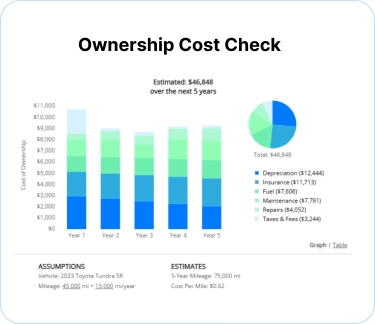
Owning a 2022 Peterbilt 579 involves significant but manageable costs. Insurance premiums will be substantial due to the high value and operational nature of Class 8 trucks. Fuel is a major ongoing expense, though the 579's efficiency helps mitigate this. Maintenance, including routine servicing, DPF regeneration, and component checks, is critical and can be costly, requiring specialized technicians and parts. Repair costs for major components like engines or transmissions can be high. Overall, while the initial purchase price and ongoing expenses are considerable, the 579 is considered economical to own in the long term due to its durability, fuel efficiency, and strong resale value, delivering a lower total cost of operation when properly maintained for high mileage.
2022 Peterbilt 579 Fuel Efficiency
Fuel Type
Diesel
Fuel Capacity
-
City Mileage
-
Highway Mileage
-
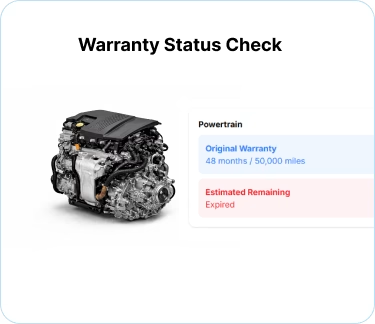
2022 Peterbilt 579 Warranty
Basic
Original warranty
0 months / No data
Estimated remaining
Expired
Powertrain
Original warranty
0 months / No data
Estimated remaining
Expired
Rust
Original warranty
0 months / No data
Estimated remaining
Expired
2022 Peterbilt 579 Insurance
Insurance for a 2022 Peterbilt 579 is moderately priced, reflecting its status as a Truck with strong safety ratings and
reasonable repair costs.
How Does the 2022 Peterbilt 579 Compare to Other Truck?
The 2022 Peterbilt 579 competes in the premium Class 8 truck segment, facing strong rivals like the Kenworth T680, Freightliner Cascadia, and Volvo VNL.
Performance: In terms of performance, the 579, with its PACCAR MX engines, offers excellent power and torque suitable for demanding applications. The Kenworth T680 shares similar PACCAR powertrains and is also a strong performer. The Freightliner Cascadia offers a range of Detroit Diesel engines that are competitive, and the Volvo VNL utilizes Volvo's own powerful and efficient engines. All are engineered for heavy-duty hauling.
Features: The Peterbilt 579 is renowned for its driver-centric interior, advanced aerodynamics, and premium feel. It often leads in cabin comfort and design, appealing to owner-operators. The Kenworth T680 is very similar, often sharing platforms and technologies, making it a close competitor. The Freightliner Cascadia often leads in available technology and safety features, with a wide array of driver-assist systems. The Volvo VNL emphasizes driver comfort and fuel efficiency through innovative design and powertrains.
Reliability: Peterbilt and Kenworth (both PACCAR brands) share a reputation for robust reliability and durability, often seen as industry benchmarks. Detroit Diesel engines in Freightliners are also known for their dependability. Volvo has a strong track record in reliability, particularly with its powertrains.
Price: The Peterbilt 579 is typically positioned at the higher end of the price spectrum, reflecting its premium branding and features. The Kenworth T680 is often priced similarly. The Freightliner Cascadia can sometimes offer a slightly more competitive price point, especially in base configurations, and the Volvo VNL falls within a similar premium range.
Alternatives: For those prioritizing cutting-edge technology and a slightly more value-oriented approach, the Freightliner Cascadia is a very compelling alternative. If an even more driver-focused and comfortable cabin experience is paramount, the Volvo VNL is an excellent choice. However, for a blend of iconic styling, proven reliability, aerodynamic efficiency, and a premium owner-operator appeal, the 2022 Peterbilt 579 remains a top-tier choice, with the Kenworth T680 being its most direct and comparable peer.
Performance: In terms of performance, the 579, with its PACCAR MX engines, offers excellent power and torque suitable for demanding applications. The Kenworth T680 shares similar PACCAR powertrains and is also a strong performer. The Freightliner Cascadia offers a range of Detroit Diesel engines that are competitive, and the Volvo VNL utilizes Volvo's own powerful and efficient engines. All are engineered for heavy-duty hauling.
Features: The Peterbilt 579 is renowned for its driver-centric interior, advanced aerodynamics, and premium feel. It often leads in cabin comfort and design, appealing to owner-operators. The Kenworth T680 is very similar, often sharing platforms and technologies, making it a close competitor. The Freightliner Cascadia often leads in available technology and safety features, with a wide array of driver-assist systems. The Volvo VNL emphasizes driver comfort and fuel efficiency through innovative design and powertrains.
Reliability: Peterbilt and Kenworth (both PACCAR brands) share a reputation for robust reliability and durability, often seen as industry benchmarks. Detroit Diesel engines in Freightliners are also known for their dependability. Volvo has a strong track record in reliability, particularly with its powertrains.
Price: The Peterbilt 579 is typically positioned at the higher end of the price spectrum, reflecting its premium branding and features. The Kenworth T680 is often priced similarly. The Freightliner Cascadia can sometimes offer a slightly more competitive price point, especially in base configurations, and the Volvo VNL falls within a similar premium range.
Alternatives: For those prioritizing cutting-edge technology and a slightly more value-oriented approach, the Freightliner Cascadia is a very compelling alternative. If an even more driver-focused and comfortable cabin experience is paramount, the Volvo VNL is an excellent choice. However, for a blend of iconic styling, proven reliability, aerodynamic efficiency, and a premium owner-operator appeal, the 2022 Peterbilt 579 remains a top-tier choice, with the Kenworth T680 being its most direct and comparable peer.
Final Verdict: Is the 2022 Peterbilt 579 a Good Truck?
The 2022 Peterbilt 579 is ideally suited for owner-operators and fleet managers who prioritize a premium driver experience, exceptional fuel efficiency, and a strong brand image. It's a worthy investment for those seeking long-term durability and a truck that offers significant operational savings through its aerodynamic design and reliable PACCAR powertrains.
Whether it's worth buying depends on the buyer's specific needs and budget. New, it represents a significant capital outlay but offers the latest technology and warranty. Used, particularly with moderate mileage and a solid maintenance history, can provide excellent value, making it a more accessible option. For those looking for a blend of performance, comfort, and operational excellence, especially for long-haul applications, the 579 is a top contender. Specific trims like the UltraLoft offer unparalleled living space for extended road trips, making them ideal for solo drivers or teams.