The 2024 Peterbilt 579, a flagship model for Peterbilt, continues its legacy of premium vocational and on-highway trucks. Introduced in its current form in 2021, it represents a significant evolution in aerodynamics and driver comfort. Available in various configurations including day cabs and extensive sleeper options, the 579 aims to offer a blend of efficiency and operator luxury. Pricing typically starts in the low to mid-$100,000s, making it a considerable investment, but its robust build and advanced features contribute to its popularity among fleet owners and owner-operators seeking a reliable and advanced Class 8 truck.
The Good
The 2024 Peterbilt 579 excels with its superior aerodynamics for enhanced fuel efficiency, a remarkably quiet and comfortable cabin for driver satisfaction, and proven Peterbilt reliability. Its modern design appeals to a sense of pride, while its long-term value and reduced operational costs satisfy practical needs.
The Bad
Potential buyers should note the 2024 Peterbilt 579's premium price point, which can be a significant upfront investment. While generally reliable, as with any complex heavy-duty vehicle, occasional electronic glitches or specific component failures can occur, necessitating vigilant maintenance and awareness of dealer service bulletins.
2024 Peterbilt 579: Quick Overview
- Engine Options: The 2024 Peterbilt 579 is primarily powered by PACCAR's MX-13 engine, a robust inline-6 diesel. Options typically include the MX-13 and potentially the MX-11 for lighter duty applications.
- Horsepower: Horsepower ratings for the MX-13 engine generally range from 400 hp to 500 hp, with torque figures often between 1,250 lb-ft and 1,850 lb-ft. Specific configurations can vary based on the chosen application and customer requirements.
- Fuel Economy: Precise EPA-rated fuel economy figures for Class 8 trucks like the Peterbilt 579 are not standardized like passenger vehicles. However, the 579 is designed with advanced aerodynamics and efficient powertrains to maximize MPG. Real-world fuel economy is highly dependent on load, terrain, driving habits, and route, but owners typically report figures in the 6-8 MPG range for highway operations, with the 579 generally performing at the upper end of this spectrum due to its design.
- 0-60 Times: 0-60 mph times are not a standard metric for heavy-duty trucks. Acceleration is designed for efficient hauling rather than speed.
- Towing Capacity: As a Class 8 truck, the Peterbilt 579 is designed for heavy-duty towing and hauling. Its Gross Combination Weight Rating (GCWR) can exceed 80,000 lbs, with specific towing capacities dependent on the chassis configuration, drivetrain, and axle ratings, often reaching up to 100,000 lbs or more for specialized applications.
- Trim-Level Features:
- Aerodynamic Design: Features include a sculpted hood, integrated bumper, aerodynamic mirrors, and chassis fairings to reduce drag.
- Cab Options: Available in various configurations including Day Cab, 70-inch UltraCab, 80-inch UltraCab, and 80-inch Sleeper configurations, offering ample space and amenities for long-haul drivers.
- Interior Comfort: Ergonomic driver seats, advanced climate control, ample storage, and optional amenities like refrigerators and microwaves in sleeper cabs.
- Technology: Available with advanced infotainment systems, navigation, and Peterbilt's SmartLINQ remote diagnostics.
- Safety Features: Options include Lane Departure Warning, Collision Mitigation, and other advanced driver-assistance systems.
- Powertrain Options: Choice of PACCAR engines and transmissions (e.g., Eaton Fuller manual or automated manual transmissions, Allison automatics).
2024 Peterbilt 579 Specifications
Vehicle Information
| Year | 2024 |
| Make | Peterbilt |
| Model | 579 |
| Trim | - |
| Style | - |
| Type | Truck |
| Category | Heavy Truck |
Manufacturing Details
| Made In | United States |
| Manufacturing City | DENTON |
Dimensions
| Doors | - |
| Curb Weight | - |
| Gross Vehicle Weight Rating | 33001 pounds |
| Overall Height | - |
| Overall Length | - |
| Overall Width | - |
| Wheelbase Length | - |
| Standard Seating | - |
Engine & Performance
| Engine | 14.9L L6 DIESEL |
| Engine Size | 14.9L |
| Engine Cylinders | 6 |
| Transmission | - |
| Transmission Type | - |
| Transmission Speeds | - |
| Drivetrain | 6x4 |
Additional Features
| Anti-Brake System | - |
| Steering Type | - |
Pricing
| Manufacturer Suggested Retail Price (MSRP) | - |
| Invoice Price | - |
| Delivery Charges | - |
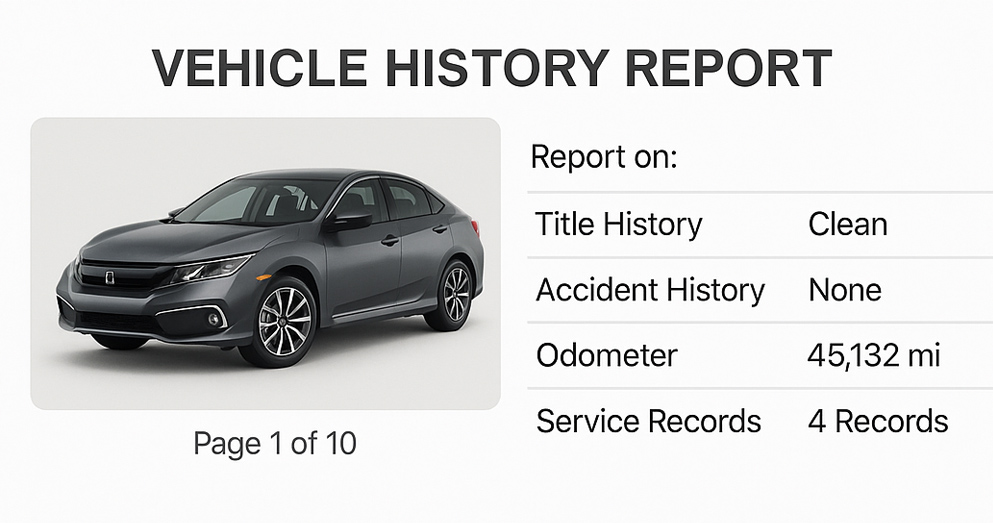
Vehicle History Report
Vehicle
Specifications
Specifications
Ownership
History
History
All History
Events
Events
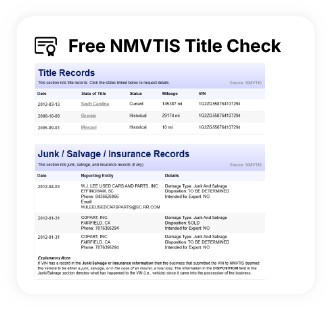
NMVTIS Title
History Check
History Check
Salvage/Rebuilt
Check
Check
Accident
Check
Check
Theft
Check
Check
Open Lien
Check
Check
Past Sale
Listings
Listings
Safety
Recalls
Recalls
Odometer
Check
Check
Market Price
Analysis
Analysis
What Problems Does the 2024 Peterbilt 579 Have?
While the 2024 Peterbilt 579 is built upon a reputation for robust engineering and reliability, like any complex heavy-duty vehicle, it is not entirely immune to issues. Specific to recent model years, including the 2024 iteration, some owners and fleet managers have reported occasional electronic glitches, particularly with the advanced infotainment and driver-assistance systems. These can manifest as connectivity problems, sensor errors, or unexpected system reboots, often requiring software updates or recalibration by a dealership.
The PACCAR MX-13 engine, while generally dependable, has in the past seen reports related to the exhaust gas recirculation (EGR) system and the selective catalytic reduction (SCR) system, which are crucial for emissions control. Issues such as premature component failure or sensor malfunctions within these systems can lead to performance derating or check engine lights. Regular maintenance and adherence to PACCAR's recommended service intervals are critical to mitigating these potential problems.
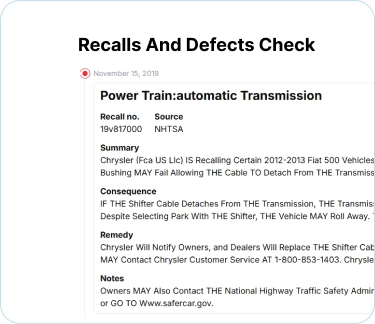
Recalls for Peterbilt vehicles are issued by the manufacturer and are typically related to specific components or manufacturing processes. These are addressed by authorized Peterbilt service centers. Owners can check for open recalls via the National Highway Traffic Safety Administration (NHTSA) website or through their Peterbilt dealer.
Long-term reliability concerns often revolve around the wear and tear of components subjected to heavy-duty use. The drivetrain, suspension, and braking systems are subject to significant stress. Proactive maintenance, including regular inspections and timely replacement of wear items, is essential for ensuring the longevity and continued performance of the 579. While specific widespread critical failures for the 2024 model year haven't been broadly publicized, the general maintenance needs and potential for electronic system intricacies inherent in modern, technologically advanced trucks are important considerations for long-term ownership.

The PACCAR MX-13 engine, while generally dependable, has in the past seen reports related to the exhaust gas recirculation (EGR) system and the selective catalytic reduction (SCR) system, which are crucial for emissions control. Issues such as premature component failure or sensor malfunctions within these systems can lead to performance derating or check engine lights. Regular maintenance and adherence to PACCAR's recommended service intervals are critical to mitigating these potential problems.
Recalls for Peterbilt vehicles are issued by the manufacturer and are typically related to specific components or manufacturing processes. These are addressed by authorized Peterbilt service centers. Owners can check for open recalls via the National Highway Traffic Safety Administration (NHTSA) website or through their Peterbilt dealer.
Long-term reliability concerns often revolve around the wear and tear of components subjected to heavy-duty use. The drivetrain, suspension, and braking systems are subject to significant stress. Proactive maintenance, including regular inspections and timely replacement of wear items, is essential for ensuring the longevity and continued performance of the 579. While specific widespread critical failures for the 2024 model year haven't been broadly publicized, the general maintenance needs and potential for electronic system intricacies inherent in modern, technologically advanced trucks are important considerations for long-term ownership.

How long will the 2024 Peterbilt 579 last?
The 2024 Peterbilt 579, with proper and diligent maintenance, is engineered for extensive service life. Owner data and industry averages suggest these trucks can reliably accumulate anywhere from 750,000 to over 1.5 million miles, with many reaching even higher figures. The PACCAR MX-13 engine is known for its durability, often lasting for hundreds of thousands of miles before requiring major overhauls, provided regular oil changes, filter replacements, and cooling system checks are performed. The chassis and structural components are built to withstand harsh conditions, contributing to long-term structural integrity. Weaknesses over time, if not addressed promptly, would typically involve wear on high-stress components like suspension bushings, brake systems, and drivetrain elements. The electronic systems, while advanced, may require updates or component replacements over many years of service, but this is standard for modern heavy-duty vehicles. Overall, the 579 demonstrates excellent long-term durability, often exceeding 10 years of service for well-maintained units.

What Technology & Safety Features are Included?
The 2024 Peterbilt 579 is equipped with a comprehensive suite of modern technology, driver-assistance, and safety features designed to enhance both operational efficiency and operator well-being. At the core of its tech offering is the Peterbilt SmartLINQ system, which provides advanced telematics, diagnostics, and fleet management capabilities, allowing for remote monitoring and proactive maintenance scheduling.
The infotainment system typically includes a user-friendly touchscreen interface with integrated navigation, Bluetooth connectivity for hands-free calls and audio streaming, and USB ports for device charging and media playback. Optional upgrades can enhance this with premium audio systems and larger displays.
Driver-assistance and safety features are paramount for a truck of this class. Available options often include:
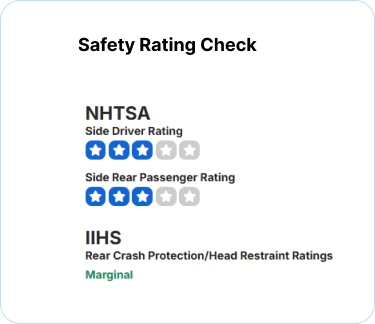
While heavy-duty trucks like the Peterbilt 579 are not subjected to the same consumer-oriented crash-test ratings as passenger vehicles (e.g., NHTSA's star ratings), Peterbilt designs its trucks to meet or exceed stringent federal safety standards. The cab structure is reinforced to provide substantial occupant protection in the event of a collision. The integration of these advanced technologies underscores Peterbilt's commitment to safety and operational excellence in the Class 8 market.
The infotainment system typically includes a user-friendly touchscreen interface with integrated navigation, Bluetooth connectivity for hands-free calls and audio streaming, and USB ports for device charging and media playback. Optional upgrades can enhance this with premium audio systems and larger displays.
Driver-assistance and safety features are paramount for a truck of this class. Available options often include:
- Collision Mitigation Systems: Radar-based systems designed to detect potential frontal collisions and provide audible and visual warnings, potentially applying partial braking to reduce impact severity.
- Lane Departure Warning (LDW): Alerts the driver if the vehicle unintentionally drifts out of its lane.
- Adaptive Cruise Control (ACC): Maintains a set speed and distance from the vehicle ahead, automatically adjusting speed as needed.
- Electronic Stability Control (ESC): Helps maintain vehicle control during challenging maneuvers or in slippery conditions.
- Forward-Looking Camera: Powers various ADAS features and provides a visual aid for the driver.
While heavy-duty trucks like the Peterbilt 579 are not subjected to the same consumer-oriented crash-test ratings as passenger vehicles (e.g., NHTSA's star ratings), Peterbilt designs its trucks to meet or exceed stringent federal safety standards. The cab structure is reinforced to provide substantial occupant protection in the event of a collision. The integration of these advanced technologies underscores Peterbilt's commitment to safety and operational excellence in the Class 8 market.
What Colors Options are Available?
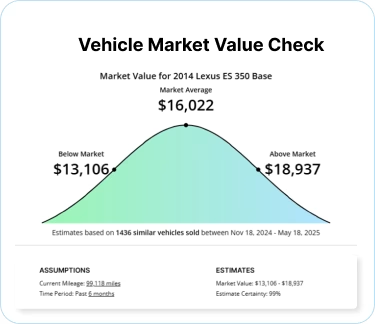
2024 Peterbilt 579 Prices and Market Value
When new, the 2024 Peterbilt 579 typically has a starting price in the range of $120,000 to $150,000, with prices escalating significantly for higher trim levels, longer sleeper configurations, and specialized options. This represents a substantial upfront investment, common for premium Class 8 trucks.
On the used market, 2024 Peterbilt 579 models are still relatively new and will command high prices, likely in the $100,000 to $130,000+ range, depending on mileage, condition, and original specifications. Older models (e.g., 2021-2023) can be found for anywhere from $70,000 to $110,000.
Depreciation for Peterbilt trucks is generally moderate compared to consumer vehicles, owing to their durability and strong demand in the trucking industry. Factors affecting resale value include mileage, overall condition, maintenance history, the presence of popular options (like advanced APUs or aerodynamic features), and engine/transmission specifications. Trucks with well-documented maintenance and in good cosmetic and mechanical condition will retain their value best. The robust build quality and brand reputation of Peterbilt contribute to strong residual values.
On the used market, 2024 Peterbilt 579 models are still relatively new and will command high prices, likely in the $100,000 to $130,000+ range, depending on mileage, condition, and original specifications. Older models (e.g., 2021-2023) can be found for anywhere from $70,000 to $110,000.
Depreciation for Peterbilt trucks is generally moderate compared to consumer vehicles, owing to their durability and strong demand in the trucking industry. Factors affecting resale value include mileage, overall condition, maintenance history, the presence of popular options (like advanced APUs or aerodynamic features), and engine/transmission specifications. Trucks with well-documented maintenance and in good cosmetic and mechanical condition will retain their value best. The robust build quality and brand reputation of Peterbilt contribute to strong residual values.
2024 Peterbilt 579 Cost of Ownership
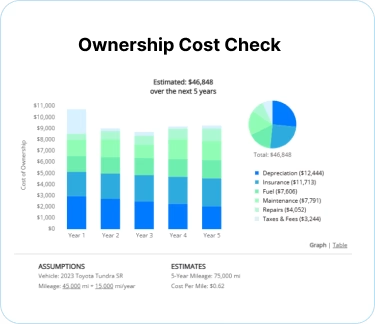
Owning a 2024 Peterbilt 579 involves significant costs, reflecting its status as a heavy-duty commercial vehicle. Insurance premiums are substantial, influenced by coverage levels, operating radius, and driver history. Fuel costs are a major ongoing expense, though the 579's aerodynamic design helps optimize MPG. Routine maintenance, including oil changes, filter replacements, tire rotations, and inspections, is crucial and costly but essential for longevity. Repair costs can be high due to the complexity of components and specialized labor required. Overall, the Peterbilt 579 is a costly vehicle to own and operate, but its efficiency, durability, and potential for high earnings in commercial use can offset these expenses for businesses and owner-operators.
2024 Peterbilt 579 Fuel Efficiency
Fuel Type
Diesel
Fuel Capacity
-
City Mileage
-
Highway Mileage
-
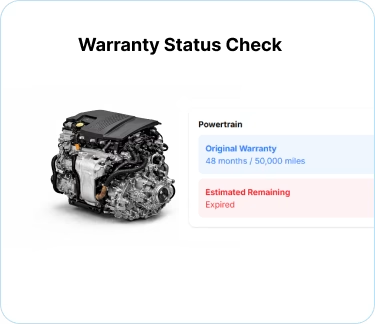
2024 Peterbilt 579 Warranty
Basic
Original warranty
0 months / No data
Estimated remaining
Expired
Powertrain
Original warranty
0 months / No data
Estimated remaining
Expired
Rust
Original warranty
0 months / No data
Estimated remaining
Expired
2024 Peterbilt 579 Insurance
Insurance for a 2024 Peterbilt 579 is moderately priced, reflecting its status as a Truck with strong safety ratings and
reasonable repair costs.
How Does the 2024 Peterbilt 579 Compare to Other Truck?
The 2024 Peterbilt 579 competes in the premium Class 8 on-highway truck segment against strong contenders like the Kenworth T680, Volvo VNL, and Freightliner Cascadia.
Performance: In terms of performance, the Peterbilt 579, primarily powered by the PACCAR MX-13 engine, offers robust power and torque suitable for long-haul operations. Its aerodynamic design contributes to efficient cruising speeds. Competitors like the Volvo VNL also offer powerful engines and excellent aerodynamic profiles, while the Freightliner Cascadia has made significant strides in efficiency and powertrain options, including electric variants. Kenworth's T680 is often praised for its driver-centric performance and fuel efficiency.
Features: The 579 excels in its driver-focused interior, offering high levels of comfort, advanced technology, and sophisticated driver-assistance systems. Peterbilt's SmartLINQ telematics are a key feature. The Volvo VNL is known for its premium cabin appointments and innovative safety features. The Kenworth T680 also boasts a well-appointed and quiet interior, often considered a benchmark for comfort. The Freightliner Cascadia offers a broad range of customizable features and advanced digital displays.
Reliability: Peterbilt has a long-standing reputation for durability and reliability, which is a significant draw for the 579. PACCAR engines are generally considered dependable, though individual component issues can arise, as with any manufacturer. Kenworth, sharing PACCAR platforms, also enjoys a strong reliability reputation. Volvo trucks are known for their robust build quality and often receive high marks for powertrain longevity. Freightliner, while also producing reliable trucks, has sometimes faced more varied feedback on long-term electronic system consistency compared to its premium rivals.
Price: The Peterbilt 579 is positioned at the higher end of the price spectrum, reflecting its premium positioning. Competitors like the Freightliner Cascadia may offer a slightly more accessible entry price for certain configurations, while Volvo and Kenworth trucks often fall into a similar premium pricing bracket as Peterbilt.
Recommendations:
Performance: In terms of performance, the Peterbilt 579, primarily powered by the PACCAR MX-13 engine, offers robust power and torque suitable for long-haul operations. Its aerodynamic design contributes to efficient cruising speeds. Competitors like the Volvo VNL also offer powerful engines and excellent aerodynamic profiles, while the Freightliner Cascadia has made significant strides in efficiency and powertrain options, including electric variants. Kenworth's T680 is often praised for its driver-centric performance and fuel efficiency.
Features: The 579 excels in its driver-focused interior, offering high levels of comfort, advanced technology, and sophisticated driver-assistance systems. Peterbilt's SmartLINQ telematics are a key feature. The Volvo VNL is known for its premium cabin appointments and innovative safety features. The Kenworth T680 also boasts a well-appointed and quiet interior, often considered a benchmark for comfort. The Freightliner Cascadia offers a broad range of customizable features and advanced digital displays.
Reliability: Peterbilt has a long-standing reputation for durability and reliability, which is a significant draw for the 579. PACCAR engines are generally considered dependable, though individual component issues can arise, as with any manufacturer. Kenworth, sharing PACCAR platforms, also enjoys a strong reliability reputation. Volvo trucks are known for their robust build quality and often receive high marks for powertrain longevity. Freightliner, while also producing reliable trucks, has sometimes faced more varied feedback on long-term electronic system consistency compared to its premium rivals.
Price: The Peterbilt 579 is positioned at the higher end of the price spectrum, reflecting its premium positioning. Competitors like the Freightliner Cascadia may offer a slightly more accessible entry price for certain configurations, while Volvo and Kenworth trucks often fall into a similar premium pricing bracket as Peterbilt.
Recommendations:
- Similar Alternatives: The Kenworth T680 is a very strong alternative, offering a comparable blend of performance, driver comfort, and reliability, often with a similar price point. The Volvo VNL is also a direct competitor, particularly appealing to those prioritizing advanced safety features and a premium cabin experience.
- Slightly Different Approach: The Freightliner Cascadia, especially in its more advanced configurations, offers a compelling package of efficiency and technology, potentially at a slightly more competitive price point, and with electric options becoming available, it represents a forward-looking choice.
Final Verdict: Is the 2024 Peterbilt 579 a Good Truck?
The 2024 Peterbilt 579 is ideally suited for owner-operators and fleet managers who prioritize a premium, comfortable, and highly efficient Class 8 truck for long-haul operations. It's an excellent choice for those who value sophisticated driver amenities, advanced safety technology, and the robust build quality associated with the Peterbilt brand, recognizing that this comes with a higher upfront cost.
It is worth buying for those who can justify the investment through enhanced driver retention, fuel savings from its aerodynamic design, and its proven long-term durability, leading to a strong resale value. Buying new offers the latest technology and full warranty coverage, which is beneficial for maximizing uptime. However, a well-maintained, slightly used 579 (e.g., 1-3 years old) can offer substantial value, representing a smart purchase for cost-conscious operators seeking the core benefits of the 579 without the initial depreciation hit. Specific trims with extended sleeper cabs are best for drivers who spend significant time on the road, while day cab configurations suit regional or vocational use.