
by VIN, Year, Make, Model by License Plate

2009 Hino 338 Overview, Reviews, Ratings & Specs

Rating: 0.00
Based on 0 Owner Reviews
Simon A | December 4, 2025
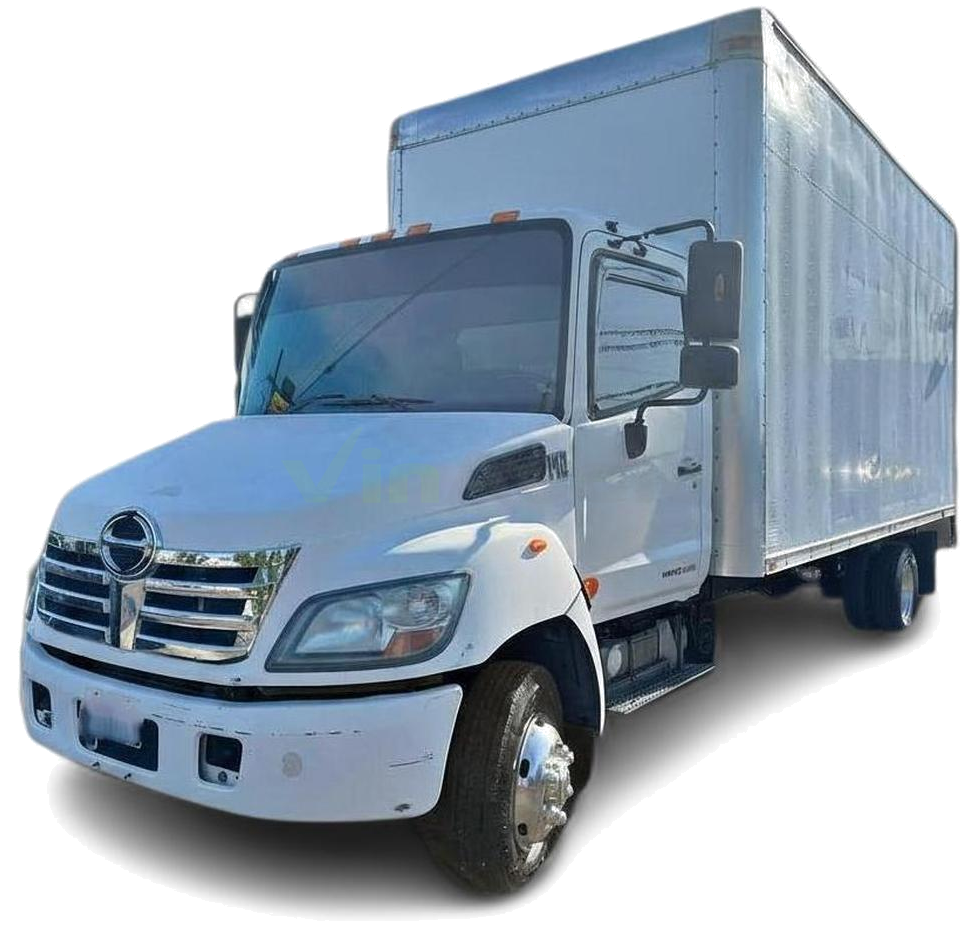
The 2009 Hino 338 is a commercial truck known for its robust construction and versatility, primarily used for medium-duty vocational applications. Produced for a range of model years, it typically features a conventional cab body style. While specific trims varied with upfitting, its core appeal lies in its durable chassis and reliable powertrain, making it a popular choice for businesses requiring a dependable workhorse. Pricing varied significantly based on configuration and body type, but its value proposition centered on longevity.
The Good

The 2009 Hino 338 excels in practicality with its renowned reliability and durable performance, ensuring consistent operation for businesses. Its straightforward design prioritizes functionality, while its fuel efficiency offers tangible savings, appealing to the practical side. Emotionally, its rugged build provides a sense of security and pride in owning a capable machine built to last.

The Bad

Potential weaknesses for the 2009 Hino 338 include a less refined interior compared to some competitors, which can impact driver comfort on long hauls. Some owners have reported occasional issues with specific electronic components or exhaust systems. Thorough pre-purchase inspection is advised, focusing on the powertrain and chassis for wear and tear.

2009 Hino 338: Quick Overview

  • Engine Options: The 2009 Hino 338 typically came equipped with a Hino J08E Series diesel engine. These are inline, 6-cylinder turbocharged engines known for their durability.
  • Horsepower: Horsepower ratings for the J08E engine in the 2009 Hino 338 generally ranged from around 220 to 260 horsepower, depending on the specific configuration and application.
  • Fuel Economy: Specific EPA fuel economy ratings for commercial trucks like the Hino 338 are not consistently published in the same way as passenger vehicles, as it varies greatly with load, terrain, and driving style. However, Hino engines are generally recognized for their efficiency within the medium-duty truck segment. Owners often report mileage in the range of 8-12 miles per gallon under typical operating conditions.
  • 0-60 Times: 0-60 mph times are not a standard metric for commercial trucks, as their purpose is not acceleration but rather payload and operational efficiency. Loaded performance would be significantly slower than an unloaded truck.
  • Towing Capacity: The towing capacity of the 2009 Hino 338 is highly dependent on the specific chassis configuration, wheelbase, rear axle ratio, and any auxiliary equipment installed. As a medium-duty truck, it is designed for substantial towing and hauling. It could be configured for towing trailers ranging from several thousand pounds up to tens of thousands of pounds when properly equipped with a fifth-wheel or gooseneck hitch and appropriate braking systems.
  • Trim-Level Features: The 2009 Hino 338 is more of a chassis and cab configuration than a typical trim-level structure found in consumer vehicles. Features were largely determined by the vocational body upfitted onto the chassis. Standard features on the Hino chassis typically included: a robust frame, power steering, power brakes, a comfortable driver's seat, basic instrumentation, and a functional dashboard. Optional features could include air conditioning, upgraded audio systems, power windows and locks (on certain configurations), and specialized equipment related to the intended use (e.g., hydraulic systems for dump trucks, refrigeration units for box trucks).

2009 Hino 338 Specifications

Vehicle Information
Year 2009
Make Hino
Model 338
Trim -
Style -
Type Truck
Category Heavy Truck
Manufacturing Details
Made In United States
Manufacturing City WILLIAMSTOWN
Dimensions
Doors -
Curb Weight -
Gross Vehicle Weight Rating 33000 pounds
Overall Height -
Overall Length -
Overall Width -
Wheelbase Length -
Standard Seating -
Engine & Performance
Engine 7.6L L6 DIESEL
Engine Size 7.6L
Engine Cylinders 6
Transmission -
Transmission Type -
Transmission Speeds -
Drivetrain -
Additional Features
Anti-Brake System -
Steering Type -
Pricing
Manufacturer Suggested Retail Price (MSRP) -
Invoice Price -
Delivery Charges -

Vehicle History Report

Vehicle
Specifications
Ownership
History
All History
Events
NMVTIS Title
History Check
Salvage/Rebuilt
Check
Accident
Check
Theft
Check
Open Lien
Check
Past Sale
Listings
Safety
Recalls
Odometer
Check
Market Price
Analysis

What Problems Does the 2009 Hino 338 Have?

The 2009 Hino 338, like many commercial vehicles, is built for durability, but certain issues have been noted over time. One area that sometimes requires attention is the exhaust gas recirculation (EGR) system. Clogged EGR coolers or faulty sensors can lead to reduced engine performance and illuminate the check engine light. This is not necessarily a 2009-specific issue but a common concern for diesel engines of this era with these emissions systems. Another point of vigilance for owners can be related to the DPF (Diesel Particulate Filter) regeneration process. If the truck is used primarily for short, low-speed trips where the DPF doesn't have a chance to properly clean itself, it can become clogged, requiring manual regeneration or cleaning. This can be costly and time-consuming. Electrical gremlins, though less frequent, can occasionally manifest as issues with sensors, wiring harnesses, or specific dashboard components. Regular maintenance is crucial for preventing these minor issues from escalating. Hino generally has a good reputation for long-term reliability when properly maintained. Recalls for the 2009 model year can be found through the National Highway Traffic Safety Administration (NHTSA) database by searching for the specific Hino 338. These recalls typically address safety-related defects. For instance, a recall might involve a faulty component in the braking system or an issue with the steering column. It's essential for owners to check for any outstanding recalls and ensure they are addressed by an authorized dealer. The long-term reliability hinges heavily on the quality of maintenance performed. Diligent adherence to the manufacturer's recommended service intervals, using quality parts and fluids, and addressing any minor issues promptly will significantly extend the operational life of the 2009 Hino 338.

How long will the 2009 Hino 338 last?

The 2009 Hino 338 is designed for long service life, and with diligent maintenance, it's not uncommon to see these trucks accumulating well over 200,000 to 300,000 miles, with some even exceeding 500,000 miles. Owner data and maintenance habits are the primary drivers of longevity. Trucks used in vocational applications with consistent schedules and proper fluid changes, filter replacements, and inspections tend to endure significantly longer. The Hino J08E diesel engine is known for its robust build, contributing to this extended durability. However, weaknesses can emerge over time, particularly with emissions control systems like the EGR and DPF, which may require more attention or repair as the vehicle ages. Chassis components and suspension can also show wear depending on the operating environment. Ultimately, a well-maintained 2009 Hino 338 can offer many years and hundreds of thousands of miles of reliable service.

What Technology & Safety Features are Included?

The 2009 Hino 338, being a commercial vehicle, prioritizes functionality and safety over advanced infotainment or cutting-edge driver-assistance systems commonly found in passenger cars. Built-in technology is generally straightforward and robust. The dashboard typically features a suite of essential gauges for monitoring engine performance, air pressure, and other critical operational parameters. Entertainment options were basic, usually limited to an AM/FM radio and potentially a CD player, with higher-end audio systems available as optional upgrades. Connectivity options were minimal by today's standards; Bluetooth or USB ports were not standard and would be rare, if available at all as an aftermarket addition. Driver-assistance features were not a significant focus in this model year and segment. You wouldn't find features like adaptive cruise control, lane departure warning, or blind-spot monitoring. Safety features were primarily focused on passive and active systems that were standard for commercial trucks of the era. This includes robust braking systems (often hydraulic or air-assisted), seatbelts, and a sturdy cab structure designed to protect occupants in the event of a collision. Headlights, taillights, and turn signals are, of course, standard. Given its commercial nature and purpose, official crash-test ratings like those from the IIHS or NHTSA for passenger vehicles are not typically conducted or published for the Hino 338. Manufacturers design these trucks to meet stringent commercial vehicle safety regulations and durability standards. Optional features would have been more geared towards enhancing the truck's specific vocational purpose or improving driver comfort, such as upgraded air conditioning systems, additional mirrors for better visibility, or specialized lighting. The tech found in the 2009 Hino 338 is fundamentally about operational awareness and control, not advanced convenience or entertainment.

What Colors Options are Available?

We’re working on this section!
In the meantime, feel free to explore the other sections for more content.

2009 Hino 338 Prices and Market Value

When new, the 2009 Hino 338's price varied dramatically based on its specific configuration, upfitting (e.g., dump body, box van, flatbed), and options, but a base chassis could have started in the range of $60,000 to $80,000 or more. The final price with vocational bodywork could easily exceed $100,000. Depreciation on commercial trucks like the Hino 338 is generally slower than on consumer vehicles, especially for well-maintained units in good working order. Current used market prices for a 2009 Hino 338 can range from approximately $15,000 to $40,000 or higher. Factors significantly affecting resale value include mileage, overall condition, maintenance history, the type and condition of the vocational body, tire wear, and engine/transmission health. Trucks with lower mileage, complete service records, and desirable body configurations in excellent condition will command the highest prices.

2009 Hino 338 Cost of Ownership

Owning a 2009 Hino 338 involves specific cost considerations. Insurance premiums will be higher than for a passenger car, reflecting its commercial use and value, and will depend on usage, driver history, and coverage levels. Fuel costs are a significant factor due to its diesel engine and payload capacity; expect around 8-12 MPG depending on load and operation. Maintenance is paramount for long-term reliability and includes regular oil changes, filter replacements, and checks on crucial systems. Repairs, especially for engine or transmission issues, can be substantial given the commercial-grade components. Overall, while the initial purchase price might be lower for a used model, fuel and potential repair costs can make it moderately costly to own, though its durability can offset this if well-maintained.

2009 Hino 338 Fuel Efficiency

Fuel Type Diesel
Fuel Capacity -
City Mileage -
Highway Mileage -

2009 Hino 338 Warranty

Basic
Original warranty 0 months / No data
Estimated remaining Expired
Powertrain
Original warranty 0 months / No data
Estimated remaining Expired
Rust
Original warranty 0 months / No data
Estimated remaining Expired

2009 Hino 338 Insurance

Insurance for a 2009 Hino 338 is moderately priced, reflecting its status as a Truck with strong safety ratings and
reasonable repair costs.

How Does the 2009 Hino 338 Compare to Other Truck?

The 2009 Hino 338 competes in the medium-duty commercial truck segment, facing strong rivals such as the Isuzu NPR/NQR, Mitsubishi Fuso FE, and Freightliner M2 series. In terms of performance, the Hino's J08E diesel engine typically offers competitive horsepower and torque for its class, making it suitable for a variety of vocational tasks. Isuzu and Mitsubishi Fuso also offer reliable diesel powertrains, while Freightliner often provides more powerful engine options in its M2 series, sometimes at a higher price point. When considering features, the Hino 338, like its competitors, is primarily a functional work vehicle. Its interior is generally utilitarian rather than luxurious. Features are often dictated by the upfitted body. Reliability is a strong suit for Hino, often considered on par with or even exceeding Isuzu and Fuso in terms of overall robustness and longevity, especially for the powertrain. Freightliner also has a reputation for solid engineering, though specific model reliability can vary. Price is a crucial differentiator. The 2009 Hino 338, when new, was competitively priced within its segment. On the used market, it generally offers excellent value for its durability. Alternatives like the Isuzu NPR/NQR are often seen as very reliable and easy to service, with good parts availability. The Mitsubishi Fuso FE is also a strong contender for reliability. The Freightliner M2 might appeal to buyers needing more power or a slightly more modern cabin, but could come with a higher price tag or more complex systems. For businesses prioritizing a proven, durable, and cost-effective workhorse, the 2009 Hino 338 remains a solid choice. Similar alternatives would include the previously mentioned Isuzu NPR/NQR and Mitsubishi Fuso FE. If greater power or specific advanced options are needed, a Freightliner M2 106 might be a consideration, though likely at a higher cost. Ultimately, the best choice depends on specific application needs, budget, and local service availability.

Final Verdict: Is the 2009 Hino 338 a Good Truck?

The 2009 Hino 338 is ideal for small to medium-sized businesses or independent contractors requiring a dependable, robust, and versatile medium-duty truck for vocational applications such as delivery, construction, or service work. It's particularly suited for those prioritizing long-term durability and operational efficiency over cutting-edge technology or luxury. It is certainly worth buying, especially on the used market, provided it has been well-maintained. Buying a used 2009 Hino 338 is generally recommended, as new models would be considerably more expensive. Key conditions for purchase include a thorough pre-purchase inspection focusing on the powertrain, chassis, and any vocational body. Opting for a unit with lower mileage and a documented maintenance history will ensure the best value and reliability. Specific trims are less relevant than the quality of the upfitted body and the overall condition of the truck.

2009 Hino 338 Owner Reviews

0.00
Consumer Rating, Based on 0 Consumer Reviews
Overall rating
Cancel
Thank You for Your Review!

We truly appreciate the time and effort you took to share your experience with us.

Uh oh!

Something went wrong, please try again later.

Author Image
Simon A

Simon is a contributor to VinCheck, where he provides articles and reviews on various automotive topics. His work focuses on delivering accurate and up-to-date information about used cars, helping readers make informed decisions.