
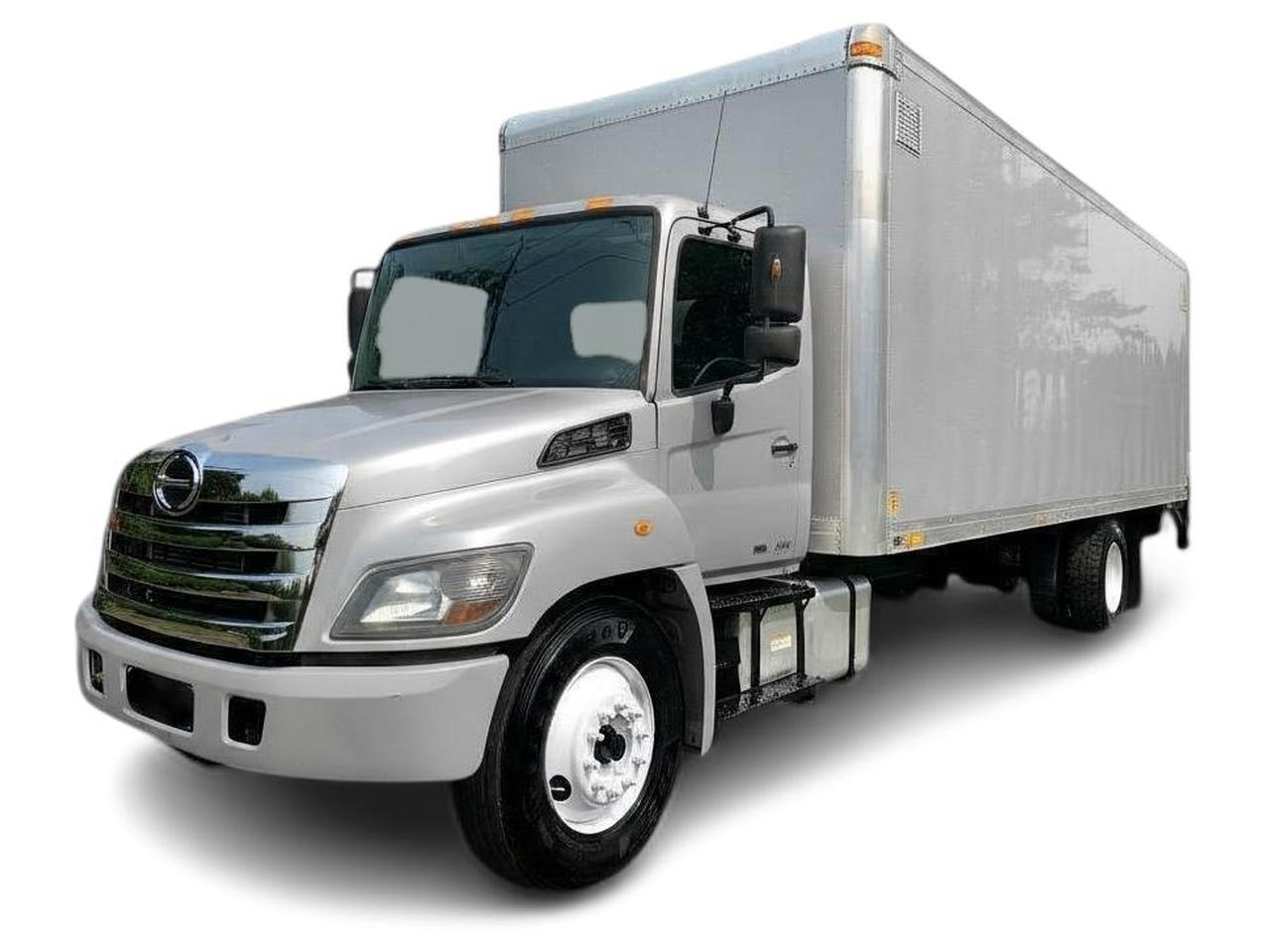
The 2012 Hino 338 is a medium-duty commercial truck, part of Hino's long-standing tradition of producing reliable work vehicles. Primarily offered as a chassis cab, it serves as a versatile platform for various vocational upfits, from delivery box trucks to utility vehicles. Its popularity stems from its robust construction, straightforward engineering, and a reputation for durability in demanding commercial applications. Pricing for a new 2012 model would have varied significantly based on configuration and upfit, but typically fell in the mid-to-high $50,000s for the base chassis.
The Good
The 2012 Hino 338 excels in rugged performance and unwavering reliability, offering a dependable workhorse that reduces downtime and operational anxiety. Its straightforward, functional design prioritizes driver ease and long-term value, appealing to those who appreciate a no-nonsense, efficient tool for their business.
The Bad
Potential owners of the 2012 Hino 338 should be aware of the potential for wear and tear on drivetrain components in high-mileage examples. Some users report a less refined ride compared to lighter-duty trucks, and the infotainment and tech features are basic by modern standards.
2012 Hino 338: Quick Overview
- Engine Options: The 2012 Hino 338 primarily came equipped with Hino's J08E series diesel engine. Specifically, the J08E-WU, a 7.7-liter inline 6-cylinder turbocharged diesel engine was a common choice.
- Horsepower: This engine typically produced around 225 horsepower at 2,500 rpm.
- Torque: Torque figures were substantial, usually in the range of 500-560 lb-ft at 1,500 rpm, crucial for hauling and towing.
- Fuel Economy: Official EPA fuel economy ratings are not typically published for commercial trucks like the Hino 338, as they are highly dependent on the vehicle's configuration, load, and operating conditions. However, owners often report figures in the 8-12 mpg range in mixed urban and highway use.
- 0-60 Times: 0-60 mph times are not a relevant metric for this class of commercial vehicle and are not tested or published. Its focus is on low-end torque and load-carrying capability, not acceleration.
- Towing Capacity: The towing capacity is dictated by the Gross Combined Weight Rating (GCWR) and the Gross Vehicle Weight Rating (GVWR). A 2012 Hino 338 chassis cab typically has a GVWR of around 33,000 lbs. With a properly equipped trailer and load distribution, it could tow significant weight, often in the range of 15,000 to 20,000 lbs, depending on the specific chassis configuration and upfit.
- Trim-Level Features: The 2012 Hino 338 was generally offered in a single, functional trim level focused on commercial utility. Key features included:
- Heavy-duty chassis designed for vocational bodies (box truck, stake bed, etc.)
- Standard air conditioning
- Power windows and door locks (often standard or part of an optional package)
- Tilt and telescopic steering column
- AM/FM radio with CD player
- Durable interior materials suitable for commercial use
- ABS (Anti-lock Braking System)
- Various PTO (Power Take-Off) options for auxiliary equipment.
- Heavy-duty chassis designed for vocational bodies (box truck, stake bed, etc.)
2012 Hino 338 Specifications
Vehicle Information
| Year | 2012 |
| Make | Hino |
| Model | 338 |
| Trim | - |
| Style | - |
| Type | Truck |
| Category | Heavy Truck |
Manufacturing Details
| Made In | United States |
| Manufacturing City | WILLIAMSTOWN |
Dimensions
| Doors | - |
| Curb Weight | - |
| Gross Vehicle Weight Rating | 33000 pounds |
| Overall Height | - |
| Overall Length | - |
| Overall Width | - |
| Wheelbase Length | - |
| Standard Seating | - |
Engine & Performance
| Engine | 7.6L I6 |
| Engine Size | 7.6L |
| Engine Cylinders | 6 |
| Transmission | - |
| Transmission Type | - |
| Transmission Speeds | - |
| Drivetrain | - |
Additional Features
| Anti-Brake System | - |
| Steering Type | - |
Pricing
| Manufacturer Suggested Retail Price (MSRP) | - |
| Invoice Price | - |
| Delivery Charges | - |
Vehicle History Report
Vehicle
Specifications
Specifications
Ownership
History
History
All History
Events
Events
NMVTIS Title
History Check
History Check
Salvage/Rebuilt
Check
Check
Accident
Check
Check
Theft
Check
Check
Open Lien
Check
Check
Past Sale
Listings
Listings
Safety
Recalls
Recalls
Odometer
Check
Check
Market Price
Analysis
Analysis
What Problems Does the 2012 Hino 338 Have?
The 2012 Hino 338, like many commercial vehicles, is built for durability, but certain issues can arise over time and with heavy use. One common area of concern reported by owners is related to the Diesel Particulate Filter (DPF) system. These systems can become clogged, especially if the truck is used for frequent short trips or stop-and-go city driving, leading to regeneration cycles and potential performance issues or dashboard warnings. Regular maintenance and proper driving practices are crucial to mitigate this. Another point sometimes mentioned is the exhaust gas recirculation (EGR) system, which can also be susceptible to clogging and require cleaning or component replacement.
While specific widespread recalls for the 2012 model year are not extensively documented in public databases, it's always advisable for owners to check with a Hino dealer or the NHTSA website for any outstanding safety recalls that might apply. Long-term reliability is generally strong, but as with any vehicle, components will eventually wear. The transmission, particularly if subjected to heavy loads or aggressive driving, may require attention over hundreds of thousands of miles. Brake components, suspension bushings, and exhaust systems are also wear items that owners should monitor.
Some users have noted that the electrical system, while generally robust, can occasionally experience minor issues with sensors or wiring harnesses in older, high-mileage units. The cabin interior, while designed for function, may show signs of wear on seats and trim panels if not regularly maintained. Overall, the 2012 Hino 338 is considered a reliable truck, but proactive maintenance and addressing minor issues promptly are key to ensuring its continued service life.
While specific widespread recalls for the 2012 model year are not extensively documented in public databases, it's always advisable for owners to check with a Hino dealer or the NHTSA website for any outstanding safety recalls that might apply. Long-term reliability is generally strong, but as with any vehicle, components will eventually wear. The transmission, particularly if subjected to heavy loads or aggressive driving, may require attention over hundreds of thousands of miles. Brake components, suspension bushings, and exhaust systems are also wear items that owners should monitor.
Some users have noted that the electrical system, while generally robust, can occasionally experience minor issues with sensors or wiring harnesses in older, high-mileage units. The cabin interior, while designed for function, may show signs of wear on seats and trim panels if not regularly maintained. Overall, the 2012 Hino 338 is considered a reliable truck, but proactive maintenance and addressing minor issues promptly are key to ensuring its continued service life.
How long will the 2012 Hino 338 last?
The 2012 Hino 338 is renowned for its long-term durability, often exceeding 300,000 miles and frequently reaching 500,000 miles or more with proper and consistent maintenance. Many owners report getting 10-15 years of service, sometimes longer, depending on the intensity of use. The core J08E engine is a strong point, capable of enduring significant mileage. Weaknesses that can emerge over time include potential issues with the DPF and EGR systems, as well as wear on transmission and suspension components under heavy, continuous loads. However, with diligent servicing, fluid changes, and addressing minor issues promptly, the Hino 338's robust chassis and powertrain offer exceptional longevity.
What Technology & Safety Features are Included?
The 2012 Hino 338 prioritizes functionality and work-readiness over advanced technology, reflecting its commercial vehicle purpose. Built-in tech and entertainment features are basic and focused on essential operations. Standard equipment typically includes an AM/FM radio with a CD player, providing a simple audio solution. Power windows and door locks were often available as optional upgrades or part of certain packages, enhancing driver convenience. The steering column is usually tilt and telescopic, allowing drivers to find a comfortable driving position for long hours. There is no integrated navigation or complex infotainment system; the focus is on a straightforward user experience.
Driver-assistance features are minimal to non-existent in the conventional sense for a 2012 commercial truck. Advanced safety systems like lane departure warning, adaptive cruise control, or blind-spot monitoring were not common offerings. The primary safety features are centered around active safety and structural integrity. Standard equipment includes Anti-lock Braking System (ABS) to help maintain steering control during hard braking. The robust chassis and frame construction are inherently designed for durability and occupant protection in the event of a collision. Hino trucks generally adhere to strict safety standards for commercial vehicles. Specific crash-test ratings from agencies like the NHTSA or IIHS are not typically performed or published for medium-duty commercial truck chassis cabs in the same way they are for passenger vehicles, as their construction and intended use differ significantly. The emphasis is on meeting regulatory safety requirements for commercial operation. Optional features might have included upgraded lighting, additional mirrors for improved visibility, or specialized upfitter interfaces for auxiliary equipment, rather than electronic driver aids.
What Colors Options are Available?
2012 Hino 338 Prices and Market Value
When new, a 2012 Hino 338 chassis cab would typically have started in the mid-$50,000s, with prices increasing substantially based on specific upfits (e.g., box van, dump body, liftgate). The current used market for a 2012 Hino 338 varies greatly depending on mileage, condition, and the type of body installed. Clean, lower-mileage examples can still fetch between $25,000 and $45,000 or more. Hino trucks are known for their strong residual values due to their reputation for reliability and durability. Depreciation is relatively moderate for a commercial vehicle, especially when compared to light-duty trucks. Key factors affecting resale value include maintenance history, overall condition, mileage, and the utility of the installed body. A well-maintained truck with a desirable and functional upfit will always command a higher price.
2012 Hino 338 Cost of Ownership
Owning a 2012 Hino 338 involves costs typical of a medium-duty diesel truck. Insurance will be higher than for a passenger vehicle and depends on usage, driver history, and coverage. Fuel costs are significant due to the diesel engine, with mileage varying by load and terrain, but generally in the 8-12 mpg range. Maintenance is critical for longevity; expect regular oil changes, filter replacements, and DPF/EGR system checks. Repair costs can be higher than for smaller vehicles due to the specialized nature of commercial diesel components. Overall, while the initial purchase price and ongoing operational costs are substantial, the Hino 338 is generally considered economical to own in the long term due to its durability and ability to perform demanding tasks reliably, minimizing downtime costs.
2012 Hino 338 Fuel Efficiency
Fuel Type
Diesel
Fuel Capacity
-
City Mileage
-
Highway Mileage
-
2012 Hino 338 Warranty
Basic
Original warranty
0 months / No data
Estimated remaining
Expired
Powertrain
Original warranty
0 months / No data
Estimated remaining
Expired
Rust
Original warranty
0 months / No data
Estimated remaining
Expired
2012 Hino 338 Insurance
Insurance for a 2012 Hino 338 is moderately priced, reflecting its status as a Truck with strong safety ratings and
reasonable repair costs.
How Does the 2012 Hino 338 Compare to Other Truck?
The 2012 Hino 338 competes in the medium-duty truck segment against strong contenders such as the Freightliner M2 106, Isuzu NPR HD, and the Hino 195. In terms of performance, the Hino 338's J08E diesel engine offers robust torque suitable for demanding vocational applications, comparable to the powerplants found in its rivals. The Freightliner M2 106 often boasts a slightly wider range of engine options and a more refined chassis, while the Isuzu NPR HD is known for its user-friendliness and strong service network, often appealing to smaller businesses.
Feature-wise, the 2012 Hino 338 is utilitarian. It prioritizes function over luxury, offering basic amenities. Rivals like the Freightliner M2 might offer more sophisticated interior options or available driver-assistance technologies, though often at a higher price point. Isuzu trucks often provide a good balance of essential features and ease of operation.
Reliability is where the Hino 338 truly shines. Hino has built a strong reputation for producing durable and dependable trucks, and the 338 is no exception, often praised for its longevity and lower cost of ownership over time compared to some competitors. While all medium-duty trucks require diligent maintenance, Hino models are frequently cited for their robust powertrains and chassis.
Price-wise, the 2012 Hino 338 represented a competitive value proposition when new. Used, it generally holds its value well due to its reliability. A similar alternative would be the Freightliner M2 106, offering a comparable platform with potentially more customization. For those prioritizing a lighter-duty feel and extensive dealer network, the Isuzu NPR HD (or its heavier variants) is a strong choice. However, if raw durability and a proven workhorse reputation are paramount, the 2012 Hino 338 remains a highly recommendable option in its class.
Feature-wise, the 2012 Hino 338 is utilitarian. It prioritizes function over luxury, offering basic amenities. Rivals like the Freightliner M2 might offer more sophisticated interior options or available driver-assistance technologies, though often at a higher price point. Isuzu trucks often provide a good balance of essential features and ease of operation.
Reliability is where the Hino 338 truly shines. Hino has built a strong reputation for producing durable and dependable trucks, and the 338 is no exception, often praised for its longevity and lower cost of ownership over time compared to some competitors. While all medium-duty trucks require diligent maintenance, Hino models are frequently cited for their robust powertrains and chassis.
Price-wise, the 2012 Hino 338 represented a competitive value proposition when new. Used, it generally holds its value well due to its reliability. A similar alternative would be the Freightliner M2 106, offering a comparable platform with potentially more customization. For those prioritizing a lighter-duty feel and extensive dealer network, the Isuzu NPR HD (or its heavier variants) is a strong choice. However, if raw durability and a proven workhorse reputation are paramount, the 2012 Hino 338 remains a highly recommendable option in its class.
Final Verdict: Is the 2012 Hino 338 a Good Truck?
The 2012 Hino 338 is an ideal choice for small to medium-sized businesses and owner-operators who require a dependable, no-frills work truck for applications like delivery, trades, or specialized services. It's best suited for those who prioritize long-term reliability and operational efficiency over cutting-edge technology or luxurious comfort.
It is absolutely worth buying, particularly on the used market. Given its robust build and Hino's reputation for durability, a well-maintained 2012 Hino 338 can offer excellent value. Buyers should focus on thoroughly inspecting the vehicle's maintenance history, checking for signs of excessive wear on the drivetrain and chassis, and ensuring the DPF and EGR systems are in good working order. Purchasing a used 338, especially with a desirable body already installed, presents a significant cost saving compared to a new vocational truck. It's a solid investment for anyone needing a tough, reliable workhorse.
