
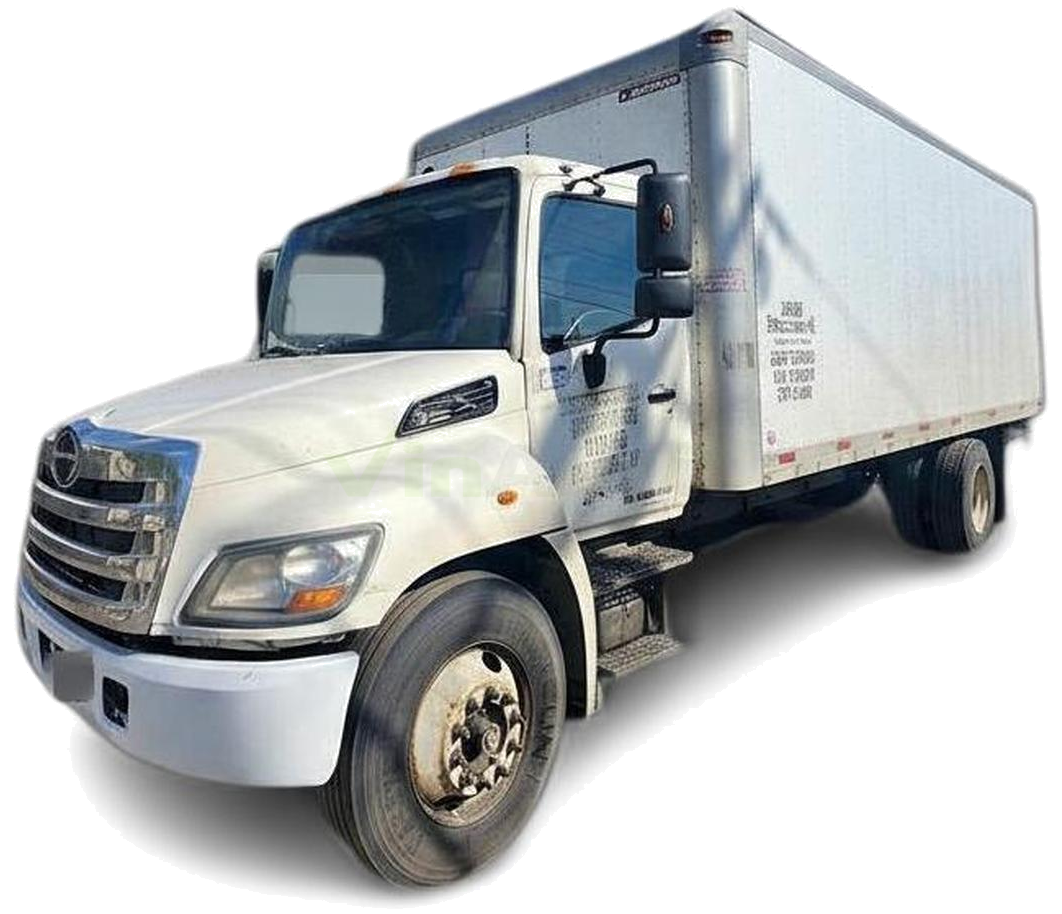
The Good
The 2013 Hino 338 excels in its straightforward, durable design and reliable performance, offering peace of mind for business owners. Its fuel efficiency translates to practical savings, while its comfortable cabin aims to reduce driver fatigue, enhancing productivity and job satisfaction.
The Bad
Owners sometimes report issues with the diesel particulate filter (DPF) system requiring specific maintenance. Some drivers may find the cabin's interior amenities less refined compared to newer or more premium commercial vehicles. Limited advanced tech features can also be a drawback.
2013 Hino 338: Quick Overview
- Engine Options: The primary engine for the 2013 Hino 338 is the Hino J08E-US, a 7.6-liter inline 6-cylinder turbocharged diesel engine.
- Horsepower: This engine typically produces around 220 horsepower.
- Torque: Torque figures generally hover around 520 lb-ft, providing ample pulling power.
- Fuel Economy: Fuel economy for a commercial truck like the Hino 338 is highly variable based on load, terrain, and driving conditions. However, these trucks are designed for efficiency within their class, with owners reporting averages in the range of 10-15 MPG.
- 0-60 Times: Official 0-60 mph times are not typically published or relevant for commercial trucks, as their performance is measured by hauling capacity and acceleration under load rather than rapid acceleration.
- Towing Capacity: The towing capacity is dependent on the specific configuration and the chassis's Gross Vehicle Weight Rating (GVWR). The Hino 338, being a Class 6 truck, has a GVWR typically around 25,500 to 33,000 pounds, allowing for significant towing and hauling capabilities when properly equipped with a trailer. Specific towing capacities can vary widely based on the chassis and body upfit.
- Trim-Level Features: As a commercial truck, the Hino 338 is not offered in traditional trim levels like passenger vehicles. Instead, customization is based on the vocational body installed. Standard features on the chassis typically include:
- Power windows and locks
- Air conditioning
- Tilt and telescopic steering wheel
- A robust braking system (e.g., hydraulic disc brakes front and rear)
- Heavy-duty suspension
- Driver-side air suspension seat (optional or standard depending on configuration)
- Basic AM/FM radio and auxiliary input
- Standard safety features like airbags and seatbelts
2013 Hino 338 Specifications
Vehicle Information
| Year | 2013 |
| Make | Hino |
| Model | 338 |
| Trim | - |
| Style | - |
| Type | Truck |
| Category | - |
Manufacturing Details
| Made In | United States |
| Manufacturing City | WILLIAMSTOWN |
Dimensions
| Doors | - |
| Curb Weight | - |
| Gross Vehicle Weight Rating | 33000 pounds |
| Overall Height | - |
| Overall Length | - |
| Overall Width | - |
| Wheelbase Length | - |
| Standard Seating | - |
Engine & Performance
| Engine | 7.6L I6 |
| Engine Size | 7.6L |
| Engine Cylinders | 6 |
| Transmission | - |
| Transmission Type | - |
| Transmission Speeds | - |
| Drivetrain | - |
Additional Features
| Anti-Brake System | - |
| Steering Type | - |
Pricing
| Manufacturer Suggested Retail Price (MSRP) | - |
| Invoice Price | - |
| Delivery Charges | - |
Vehicle History Report
Specifications
History
Events
History Check
Check
Check
Check
Check
Listings
Recalls
Check
Analysis
What Problems Does the 2013 Hino 338 Have?
Another area sometimes mentioned is related to the exhaust gas recirculation (EGR) system, which can also be susceptible to carbon buildup, potentially affecting engine performance and efficiency. While not unique to the 2013 model year, these emissions control systems are a common point of maintenance and potential repair for many modern diesel engines.
Regarding recalls, specific recalls for the 2013 Hino 338 would need to be checked against official databases using the VIN. However, general recalls for Hino trucks around this period might involve issues with braking systems, electrical components, or fuel systems. Owners are strongly advised to check the NHTSA website or consult with a Hino dealership for any outstanding recalls applicable to their specific vehicle.
Long-term reliability is generally a strong suit for Hino trucks, known for their robust construction. However, as with any commercial vehicle that experiences heavy use, components will eventually wear out. Drivetrain components, suspension parts, and exhaust systems are areas that may require attention over time. Proper and consistent maintenance, including regular fluid changes, filter replacements, and thorough inspections, is paramount in ensuring the longevity and continued reliability of a 2013 Hino 338. Addressing minor issues promptly can prevent them from escalating into more significant and expensive problems.
How long will the 2013 Hino 338 last?
What Technology & Safety Features are Included?
Technology and Entertainment: Standard entertainment features are typically basic, often consisting of an AM/FM radio with an auxiliary input for connecting portable devices. Higher trims or optional packages might include a CD player or a more integrated audio system. Bluetooth connectivity for hands-free calling is less common as a standard feature in this model year commercial truck, but could be an aftermarket addition or part of an optional upgrade.
Driver-Assistance Features: Advanced driver-assistance systems (ADAS) like adaptive cruise control, lane departure warning, or automatic emergency braking are generally not available on the 2013 Hino 338. The focus is on direct driver control and situational awareness. Features like power windows and door locks, and a tilt and telescopic steering wheel are present to enhance driver comfort and control.
Safety Features: Standard safety features include seatbelts, airbags for the driver and front passenger, and anti-lock braking systems (ABS) for improved stopping power and control, especially under heavy loads. The robust frame construction is a primary safety element. Visibility is generally good due to the truck's design, with large windows and mirrors.
Optional Features: Depending on the specific configuration and upfitter, optional features could include upgraded seating (like an air-suspension driver's seat for enhanced comfort), fog lights, and potentially a reverse camera system, though this was less common as a factory option on commercial chassis in 2013.
Crash-Test Ratings: Specific crash-test ratings for commercial trucks like the Hino 338 are not typically conducted or published by organizations like the NHTSA or IIHS in the same way passenger vehicles are. Their safety is assessed based on federal motor vehicle safety standards (FMVSS) and the inherent structural integrity and braking capabilities designed to meet the demands of commercial use and heavy loads.
What Colors Options are Available?
2013 Hino 338 Prices and Market Value
Currently, on the used market, the 2013 Hino 338 can be found in the range of $25,000 to $50,000, depending on mileage, condition, the type of body installed, and overall maintenance history. These trucks exhibit moderate depreciation, which is typical for commercial vehicles. Factors affecting resale value include the reliability of the engine and transmission, the condition of the body and chassis (checking for rust or damage), the overall mileage, and the demand for specific vocational configurations. A well-maintained Hino 338 with a desirable body type will command a higher price than one with high mileage and visible wear and tear.
2013 Hino 338 Cost of Ownership
2013 Hino 338 Fuel Efficiency
2013 Hino 338 Warranty
Basic
Powertrain
Rust
2013 Hino 338 Insurance
reasonable repair costs.
How Does the 2013 Hino 338 Compare to Other Truck?
Performance: The Hino 338, with its J08E engine, offers strong torque and reliable performance for its intended vocational uses. It generally performs comparably to the Freightliner M2 106 in terms of power output and hauling capability. The Isuzu and Fuso offerings, while robust, sometimes have slightly lower horsepower ratings in comparable configurations, though they excel in maneuverability in tighter urban environments.
Features: In terms of features, the 2013 Hino 338 is on par with its direct competitors. All offer functional cabins focused on durability rather than luxury, with basic amenities. Advanced tech and driver-assistance features are sparse across this segment for this model year. Upfitting capabilities are a key differentiator, and all manufacturers allow for a wide range of body styles.
Reliability: Hino trucks are generally known for excellent long-term reliability and durability, often rivaling or exceeding that of Isuzu and Mitsubishi Fuso. Freightliner also has a strong reputation, but specific engine choices within the M2 line can impact perceived reliability. Hino's straightforward engineering contributes to its strong reliability record.
Price: The Hino 338 is often positioned competitively in terms of price when new, making it an attractive option for budget-conscious businesses. Used pricing is also generally competitive. Freightliner M2 106 models can sometimes be priced higher, especially with specific engine options. Isuzu and Mitsubishi Fuso can offer slightly lower entry points, particularly for smaller GVWR classes, but the NPR HD is a direct competitor.
Alternatives:
- Similar Alternatives: Freightliner M2 106 is a very close competitor offering comparable performance and reliability. Isuzu NPR HD and Mitsubishi Fuso FE Series are also strong contenders, especially if maneuverability in urban settings is a top priority.
- Potentially Better Alternatives (depending on needs): For businesses prioritizing extreme durability and ease of maintenance in remote areas, older, simpler American brands might be considered, though often at the expense of modern emissions controls. For those needing higher payload capacities, moving up to Class 7 trucks from these manufacturers or others like International Trucks would be necessary.
Final Verdict: Is the 2013 Hino 338 a Good Truck?
Buying used is generally recommended, as the initial depreciation is significant. When purchasing, focus on vehicles with documented maintenance history, lower mileage for their age, and inspect thoroughly for any signs of wear on the DPF system or chassis. Opting for a chassis that has been used for its intended purpose and well-maintained will yield the best value. It offers excellent long-term ownership potential if cared for properly.

Eugene S
Eugene is an automotive enthusiast with over 15 years of experience in the used car market. As a writer at VINCheck.info, he brings deep industry insight and a passion for cars, helping readers make smart, informed decisions. Eugene has written hundreds of used car reviews and is known for breaking down complex automotive topics into clear, actionable advice. Over the years, he has driven and worked on a wide range of vehicles—starting with tuning street cars in his early days and eventually focusing on performance upgrades and reliability improvements. Today, he specializes in evaluating used vehicles through the lens of real-world ownership and enthusiast needs. A longtime fan of Porsche, Eugene especially appreciates vehicles that blend durability with driving enjoyment.