
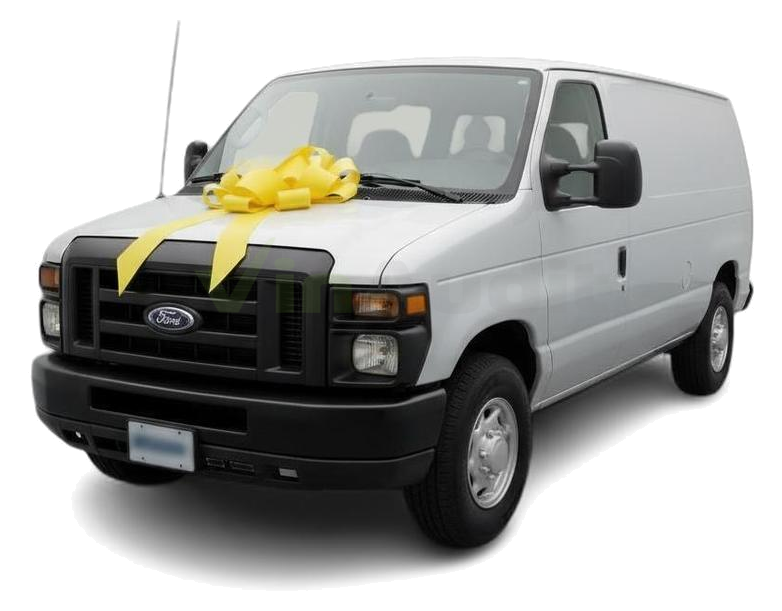
The Good
The 2008 E-350 Super Duty boasts impressive towing and hauling prowess, unwavering reliability for demanding tasks, and a surprisingly comfortable ride for its class. Its utilitarian design is a practical advantage, while its enduring strength offers peace of mind and lasting value for any owner.
The Bad
Potential buyers should be aware of rust issues, particularly around the wheel wells and frame, as well as possible transmission problems with higher mileage. Fuel economy is also a significant drawback, and some older models may have less advanced interior features compared to modern vehicles.
2008 Ford E350 Super Duty: Quick Overview
- Engine Options: The 2008 Ford E-350 Super Duty offered a choice of potent engines to handle demanding tasks.
- 5.4L Triton V8: This gasoline engine provided a balance of power and efficiency for everyday hauling.
- 6.8L Triton V10: For those needing extra muscle, the V10 offered significantly more torque and horsepower, ideal for heavy towing.
- 6.0L Power Stroke Turbo Diesel (late availability/optional): While less common in some configurations or potentially phased out by 2008 in favor of newer diesel tech, if available, it offered immense torque and towing capability, though also potential for specific diesel-related maintenance.
- Horsepower:
- 5.4L V8: Approximately 255 horsepower
- 6.8L V10: Approximately 305 horsepower
- 6.0L Power Stroke Diesel: Approximately 250 horsepower (torque figures were significantly higher, often exceeding 500 lb-ft).
- Fuel Economy: As expected for a large, heavy-duty van, fuel economy was not a strong suit. Expect figures in the range of 10-14 MPG combined, heavily dependent on engine choice, load, and driving conditions.
- 0-60 Times: Official 0-60 mph times were not typically advertised for these commercial-oriented vehicles, but generally, they were in the 10-13 second range when unladen, increasing significantly with a load or while towing.
- Towing Capacity: The E-350 Super Duty was designed for serious towing. Depending on configuration (axle ratios, engine, chassis type), towing capacities could range from 7,000 lbs up to an impressive 10,000 lbs or more for properly equipped models.
- Trim-Level Features: Trims were less about luxury and more about function. Standard features often included power steering, antilock brakes, and a basic AM/FM stereo. Optional features could add air conditioning, power windows and locks, cruise control, upgraded audio systems, and various vocational packages for specific upfitting needs (e.g., fleet service, RV chassis). Passenger versions offered more creature comforts like cloth seating and better interior trim.
2008 Ford E350 Super Duty Specifications
Vehicle Information
| Year | 2008 |
| Make | Ford |
| Model | E350 Super Duty |
| Trim | - |
| Style | - |
| Type | Van |
| Category | Cargo Van |
Manufacturing Details
| Made In | United States |
| Manufacturing City | AVON LAKE |
Dimensions
| Doors | 3-Door |
| Curb Weight | 5340 pounds |
| Gross Vehicle Weight Rating | 9500 pounds |
| Overall Height | 83.40 inches |
| Overall Length | 217.00 inches |
| Overall Width | 79.30 inches |
| Wheelbase Length | 138.00 inches |
| Standard Seating | 2 |
Engine & Performance
| Engine | 5.4L V8 |
| Engine Size | 5.4L |
| Engine Cylinders | 8 |
| Transmission | 5-Speed Automatic |
| Transmission Type | Automatic |
| Transmission Speeds | 5-Speed |
| Drivetrain | Rear-Wheel Drive |
Additional Features
| Anti-Brake System | 4-Wheel ABS |
| Steering Type | Recirculating |
Pricing
| Manufacturer Suggested Retail Price (MSRP) | $28,060 |
| Invoice Price | $24,967 |
| Delivery Charges | $920 |
Vehicle History Report
Specifications
History
Events
History Check
Check
Check
Check
Check
Listings
Recalls
Check
Analysis
What Problems Does the 2008 Ford E350 Super Duty Have?
Regarding powertrain, the gasoline V8 and V10 engines are generally considered reliable, but like any engine, they require consistent maintenance. Spark plug ejection has been a known issue on some Ford Triton V8 engines from this era, though it became less prevalent in later years. For diesel variants, specifically the 6.0L Power Stroke, it gained a reputation for being a problematic engine. Issues such as EGR cooler failures, oil cooler failures, and injector problems were not uncommon. While these could be resolved with specific upgrades and diligent maintenance, they represent a significant potential repair cost.
Transmission issues, particularly with the automatic transmissions (like the 5R110W TorqShift), can arise with high mileage or heavy use. Problems like slipping, rough shifting, or complete failure can occur if the transmission fluid is not changed regularly or if the vehicle has been subjected to excessive towing or payload.
Recalls for the 2008 E-350 Super Duty, as with most vehicles, can occur. Common recall areas for Ford vans of this vintage have sometimes included issues with airbags, braking systems, or fuel systems. It is always recommended to check the National Highway Traffic Safety Administration (NHTSA) website for any outstanding recalls specific to a VIN.
Long-term reliability is often a tale of maintenance. Vehicles that have been regularly serviced, especially fluid changes for the engine, transmission, and differential, and have had any early signs of rust addressed, tend to fare much better. Those that have been neglected or used solely for heavy-duty work without proper care may exhibit more significant problems as they age.
How long will the 2008 Ford E350 Super Duty last?
What Technology & Safety Features are Included?
Built-in Tech & Entertainment: Standard fare typically included a simple AM/FM radio with an optional CD player. Higher trims or optional packages could sometimes include upgraded stereo systems with more speakers, and in some passenger configurations, satellite radio readiness. Connectivity features like Bluetooth or USB ports were largely absent in this model year. The dashboard was functional, prioritizing clear readouts for vehicle status over elaborate digital displays.
Driver-Assistance Features: Advanced driver-assistance systems were virtually non-existent in the 2008 E-350. Features like rearview cameras, parking sensors, or lane-keeping assist were not offered. The focus was on providing a capable platform for the driver, not on electronic aids to assist driving. Towing mirrors were a common practical feature for enhancing visibility when hauling.
Safety Features: Standard safety features included front airbags for the driver and passenger, and four-wheel antilock disc brakes (ABS) to aid in stopping, especially under load. Traction control systems were available on some models, particularly those equipped with the diesel engine, to help maintain grip. Seatbelts were, of course, standard. Stability control was not a widely available feature for this model year.
Optional Features: Optional features could enhance comfort and utility, such as air conditioning, power windows and locks (on higher trims or specific configurations), cruise control, and a variety of upfitter packages that could include specialized equipment for vocational use. For passenger versions, options might include second and third-row seating configurations, rear climate control, and various interior trim upgrades.
Crash-Test Ratings: Specific crash-test ratings for the 2008 Ford E-350 Super Duty from agencies like the NHTSA or IIHS are not readily available or were not extensively conducted for this type of heavy-duty commercial vehicle in the same way they are for light-duty passenger cars. Its robust construction and basic safety features were designed to meet commercial vehicle safety standards of the time, but direct comparisons to modern safety benchmarks are difficult.
What Colors Options are Available?
2008 Ford E350 Super Duty Prices and Market Value
Currently, the used market prices for a 2008 E-350 Super Duty vary significantly based on mileage, condition, engine type (diesel often commands a premium), trim level, and overall maintenance history. Expect to find them ranging from around $5,000 to $15,000 or more.
Depreciation on these heavy-duty vans is generally slower than on passenger cars, especially for well-maintained examples or those with desirable vocational setups. Factors significantly affecting resale value include rust presence, engine health (especially for diesel), transmission condition, and whether it has been used for demanding commercial work or maintained as a personal vehicle. A clean title, documented service history, and low mileage for its age are key to a higher resale value.
2008 Ford E350 Super Duty Cost of Ownership
2008 Ford E350 Super Duty Fuel Efficiency
2008 Ford E350 Super Duty Safety Rating
NHTSA
IIHS
2008 Ford E350 Super Duty Warranty
Basic
Powertrain
Rust
2008 Ford E350 Super Duty Insurance
reasonable repair costs.
How Does the 2008 Ford E350 Super Duty Compare to Other Van?
Performance: The E-350 Super Duty, especially with its optional V10 or diesel engines, offered superior towing and hauling capabilities compared to many lighter-duty vans. Its robust chassis and suspension were built for serious work. The Chevy/GMC twins offered comparable V8 and V8/V10 powerplants and towing capacities, often trading blows in specific configurations. The Sprinter, if equipped with its diesel, offered excellent torque and better fuel economy but generally a lower maximum towing capacity compared to the Super Duty Fords.
Features: In 2008, features were generally utilitarian across all these vans. The E-350 was not known for luxury or cutting-edge tech; its focus was on functionality. The Express/Savana were similarly basic. The Sprinter, however, often provided a more modern interior design and a more refined driving experience, even in its cargo configurations, along with potentially more advanced (for the time) safety and convenience options.
Reliability: The E-350 has a reputation for stout mechanicals and long-term durability, particularly its gasoline V8/V10 engines, when maintained. The 6.0L diesel, however, was a weak point for Ford. The Chevy/GMC vans generally offered good reliability with their Vortec V8s. The Mercedes Sprinter's reliability could be more mixed, with potential for expensive repairs if issues arose, though its diesel engines were often strong.
Price: When new, the E-350 and its GM counterparts were generally more affordable than the Mercedes Sprinter. On the used market in 2024, the E-350 offers excellent value for its capability. The Sprinter, due to its distinct design and often higher initial cost, still commands higher prices on the used market, even for older models.
Alternatives:
- Chevrolet Express/GMC Savana 3500: Very similar in concept and capability to the E-350, often a direct competitor. Consider if a GM powertrain is preferred or if specific deals are available.
- Mercedes-Benz Sprinter (2007-2009 models): If fuel efficiency, a more refined interior, and a slightly more modern feel are priorities, and budget allows for potentially higher maintenance costs, a Sprinter could be considered.
- Newer Vans: If budget allows and specific needs can be met, a newer Ford Transit, Ram ProMaster, or a more recent generation Sprinter would offer significantly more modern technology, safety features, and improved fuel economy, albeit at a much higher price point.
Final Verdict: Is the 2008 Ford E350 Super Duty a Good Van?
It is best purchased used, as buying new in 2008 would have been a significant investment, and the market today offers better value. Focus on models with documented maintenance history, and be particularly cautious of rust and the 6.0L diesel engine if opting for that powertrain. A gasoline V8 or V10 is generally a safer bet for long-term reliability in a used E-350. For specific uses like an RV chassis or a work van, specific trims and configurations will be more suitable.

Simon A
Simon is a contributor to VinCheck, where he provides articles and reviews on various automotive topics. His work focuses on delivering accurate and up-to-date information about used cars, helping readers make informed decisions.