
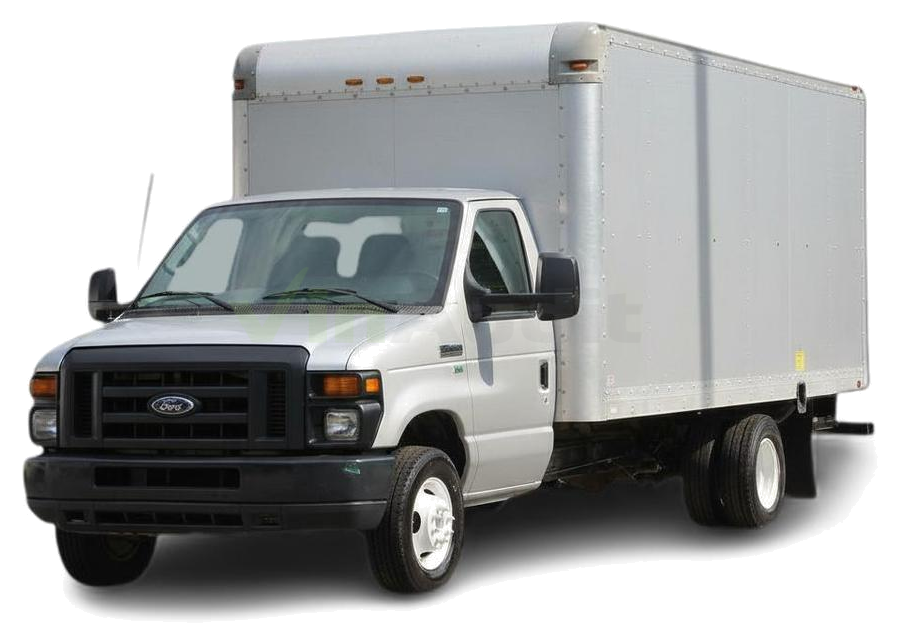
The Good
Key advantages include its exceptional performance for towing and hauling, thanks to powerful V8/V10 engines. It boasts renowned reliability and durability, appealing to practical buyers seeking a dependable work vehicle. While basic, its spacious interior offers high utility. The E350's proven, no-nonsense design and strong resale value make it a smart, long-term investment for those who appreciate a true workhorse.
The Bad
Known weaknesses for the 2013 Ford E350 Super Duty include its poor fuel economy, dated interior design, and a somewhat harsh ride quality typical of heavy-duty vans. Buyers should also watch out for potential rust issues, especially on older frames and body panels, and some specific engine or transmission concerns related to high mileage or lack of maintenance.
2013 Ford E350 Super Duty: Quick Overview
- Engine Options:
- 5.4L Triton V8 (standard)
- 6.8L Triton V10 (optional) - Horsepower:
- 5.4L V8: Approximately 255 hp and 350 lb-ft of torque
- 6.8L V10: Approximately 305 hp and 420 lb-ft of torque - Fuel Economy:
- Generally poor for both engines, typically in the range of 10-14 MPG combined, varying significantly with load and driving conditions. EPA estimates for these commercial vehicles were not always published. - 0-60 Times:
- Not a performance vehicle; expect 0-60 mph times in the 9-11 second range, depending on engine, load, and configuration. - Towing Capacity:
- Impressive for its class, with capacities ranging up to approximately 10,000 lbs when properly equipped with the V10 engine and a heavy-duty tow package. Gross Vehicle Weight Rating (GVWR) often exceeded 9,000 lbs. - Trim-Level Features:
- XL: The base work-oriented trim. Standard features included vinyl seating, rubber floor mats, manual windows and door locks (though power options were frequently added), air conditioning, and an AM/FM stereo. It prioritized durability and functionality over luxury.
- XLT: Offered more comfort and convenience. This trim added cloth upholstery, full carpeting, power windows, door locks, and mirrors, cruise control, a CD player, and sometimes chrome exterior accents. Optional features for the XLT could include Ford's SYNC system, satellite radio, rear air conditioning (for passenger wagons), and a reverse sensing system. Passenger wagon configurations could seat up to 15 passengers, while cargo vans offered extensive configurable space for equipment and goods.
2013 Ford E350 Super Duty Specifications
Vehicle Information
| Year | 2013 |
| Make | Ford |
| Model | E350 Super Duty |
| Trim | - |
| Style | - |
| Type | Van |
| Category | Cargo Van |
Manufacturing Details
| Made In | United States |
| Manufacturing City | AVON LAKE |
Dimensions
| Doors | 3-Door |
| Curb Weight | 5388 pounds |
| Gross Vehicle Weight Rating | 9500 pounds |
| Overall Height | 83.70 inches |
| Overall Length | 216.70 inches |
| Overall Width | 79.40 inches |
| Wheelbase Length | 138.00 inches |
| Standard Seating | 2 |
Engine & Performance
| Engine | 5.4L V8 |
| Engine Size | 5.4L |
| Engine Cylinders | 8 |
| Transmission | 4-Speed Automatic |
| Transmission Type | Automatic |
| Transmission Speeds | 4-Speed |
| Drivetrain | Rear-Wheel Drive |
Additional Features
| Anti-Brake System | 4-Wheel ABS |
| Steering Type | Recirculating |
Pricing
| Manufacturer Suggested Retail Price (MSRP) | $31,485 |
| Invoice Price | $29,046 |
| Delivery Charges | $995 |
Vehicle History Report
Specifications
History
Events
History Check
Check
Check
Check
Check
Listings
Recalls
Check
Analysis
What Problems Does the 2013 Ford E350 Super Duty Have?
Transmission reliability is usually solid, but with high mileage and heavy use, issues like harsh shifts or slipping can arise, often pointing to solenoid failures or wear within the 4-speed automatic (4R75E) or 5-speed automatic (5R110W) transmissions. Due to the vehicle's weight and duty cycle, suspension and steering components are wear items; ball joints, tie rod ends, control arm bushings, and steering box play are common concerns over time. Brakes also endure significant stress, leading to accelerated wear of pads, rotors, and calipers. Rust is a perennial enemy, often appearing on the frame, underbody, and lower body panels, especially in regions exposed to road salt.
Regarding recalls, the E-Series platform has had various safety campaigns over its long production run. For the 2013 model year, general areas of concern across the E-Series line have included potential issues with the transmission output shaft speed sensor, which could cause unexpected downshifts, rear axle shaft failures leading to wheel separation, or problems with the steering column intermediate shaft assembly that could result in a loss of steering. Owners should check NHTSA's website with their specific VIN for any outstanding recalls. Overall, while the major powertrain components are very durable, specific aging parts and common wear items require attention for long-term reliability.
How long will the 2013 Ford E350 Super Duty last?
What Technology & Safety Features are Included?
In terms of driver-assistance features, the E350 was very rudimentary compared to modern vehicles. There were no advanced systems like adaptive cruise control, lane departure warning, or blind-spot monitoring. The primary driver aids were power steering and power brakes. An optional reverse sensing system (parking sensors) was available to assist with parking and maneuvering the large van, but it was one of the few "assistance" features offered.
Safety features were more foundational. Standard equipment included driver and front passenger airbags and anti-lock brakes (ABS). Ford's AdvanceTrac with Roll Stability Control (RSC) and Hill Start Assist were also standard on most E-Series models, providing crucial stability and traction control, especially when loaded or on inclines. Side-impact airbags were not typically offered for the E-Series. Crash-test ratings for full-size commercial vans like the E350 were not as extensively performed or published by agencies such as the NHTSA or IIHS as they are for passenger cars or light-duty trucks. When ratings were available, they often focused on frontal impact and rollover risk. While built on a strong body-on-frame chassis, the E350's design reflected older safety standards compared to contemporary passenger vehicles.
What Colors Options are Available?
2013 Ford E350 Super Duty Prices and Market Value
Depreciation for the E350 was significant in its early years, typical for most vehicles. However, it tends to stabilize and hold its value remarkably well in the used commercial market due to its enduring utility and reputation for reliability. Factors greatly affecting its resale value include overall condition (rust-free body is crucial), mileage, maintenance history, and specific configuration (e.g., a 15-passenger van versus a basic cargo van). The demand for these proven workhorses ensures a steady, if not always high, resale value.
2013 Ford E350 Super Duty Cost of Ownership
2013 Ford E350 Super Duty Fuel Efficiency
2013 Ford E350 Super Duty Safety Rating
IIHS
2013 Ford E350 Super Duty Warranty
Basic
Powertrain
Rust
2013 Ford E350 Super Duty Insurance
reasonable repair costs.
How Does the 2013 Ford E350 Super Duty Compare to Other Van?
For features, both the E350 and Express were quite basic, prioritizing utility over creature comforts. They offered minimal infotainment beyond basic stereos, with SYNC or OnStar as their most 'advanced' options. More modern rivals like the Mercedes-Benz Sprinter and later-introduced Ram ProMaster (not available in 2013, but became a major rival soon after) offered more refined interiors, better ergonomics, and slightly more contemporary tech, though still far from passenger car levels.
Reliability is where the E350 and Express truly shine. Their simple, proven designs and robust powertrains are known for incredible longevity, often exceeding 250,000-300,000 miles with proper maintenance. The Sprinter, while generally reliable, can have more expensive maintenance and repair costs for its more complex diesel engine and systems. The ProMaster, being front-wheel-drive and having a unibody design, offered a different type of utility, with potentially lower long-term repair costs for its Pentastar V6, but less traditional heavy-duty capability.
In terms of price, used E350 and Express models typically offer the best value for money due to their abundance and durable nature, making them highly economical used buys for businesses or conversions. Used Sprinters command a higher premium, reflecting their unique attributes like taller interiors and diesel efficiency.
Alternatives: For buyers seeking a traditional, rugged workhorse with high towing capacity and proven reliability, the Chevrolet Express 3500 is an almost identical alternative. If improved fuel economy, a lower load floor, and better urban maneuverability are priorities (and a newer model year is acceptable), the Ram ProMaster 3500 (from 2014 onwards) is a strong contender. For maximum cargo volume, diesel efficiency, and a more modern driving experience (at a higher cost), the Mercedes-Benz Sprinter 3500 is a compelling choice.
Final Verdict: Is the 2013 Ford E350 Super Duty a Good Van?

Cathleen V
Cathleen is an exceptional freelance writer covering hot topics in the automotive world from a gearhead's perspective. Her articles delve into various aspects of automotive technology and history, offering readers detailed insights into engine performance, reliability, and maintenance. Through her engaging and informative writing, Cathleen provides valuable information to automotive enthusiasts and consumers alike, helping them make informed decisions about vehicle maintenance and purchases.