
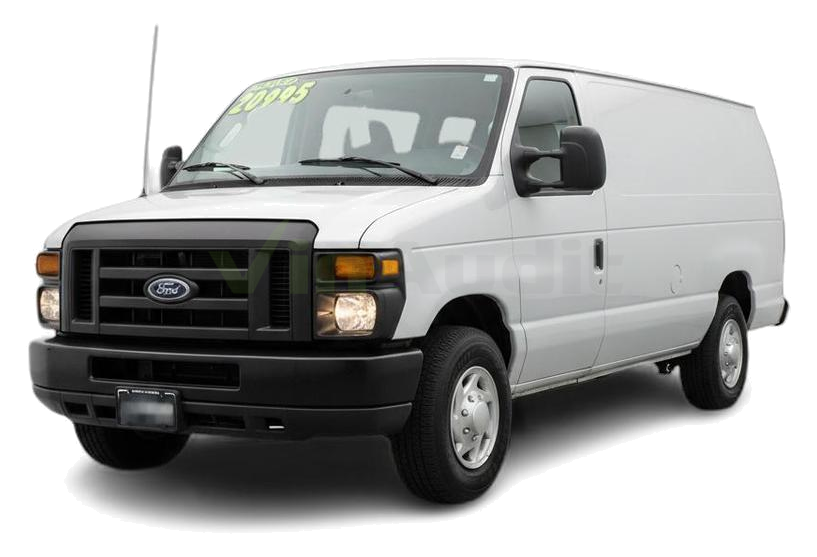
The Good
The 2012 E-350 Super Duty boasts impressive towing and hauling prowess, a hallmark of its Super Duty designation. Its robust construction and straightforward engineering contribute to a strong sense of reliability. While not luxurious, its spacious interior offers practical comfort for long hauls or workdays. For practical buyers, its value lies in its durability and capability; for emotional buyers, it represents freedom and the ability to transport large groups or significant cargo with confidence.
The Bad
Potential owners of the 2012 Ford E-350 Super Duty should be aware of its utilitarian design, which prioritizes function over form, leading to a less refined ride and interior compared to modern SUVs. Fuel economy is a notable drawback due to its size and engine options. Some owners report concerns regarding drivetrain wear and potential electrical gremlins, particularly on higher-mileage examples.
2012 Ford E350 Super Duty: Quick Overview
- Engine Options: The 2012 Ford E-350 Super Duty was typically offered with two primary engine choices:
- 4.6L Triton V8 gasoline engine
- 5.4L Triton V8 gasoline engine
- (Optional, less common in standard trims for 2012, but available in some configurations: 6.8L Triton V10 gasoline engine)
- (Diesel options were more prevalent in previous or later model years, but the 6.0L Power Stroke V8 or 6.4L Power Stroke V8 were available in earlier E-Series generations and sometimes carried over in specific work truck configurations). For 2012, the focus was predominantly on gasoline V8s.
- Horsepower:
- 4.6L V8: Approximately 225 horsepower
- 5.4L V8: Approximately 255 horsepower
- 6.8L V10: Approximately 305 horsepower
- Fuel Economy:
- Due to its heavy-duty nature and large engines, fuel economy was not a strong suit. Expect figures generally in the range of 10-13 MPG combined for most configurations, with variations based on engine, drivetrain (RWD/4WD), and usage (towing/hauling).
- 0-60 Times:
- Specific 0-60 mph times are rarely published for commercial vans as it's not a primary performance metric. However, expect acceleration to be leisurely, likely in the 10-15 second range, depending heavily on engine and load.
- Towing Capacity:
- The towing capacity varied significantly based on the specific configuration, axle ratio, engine, and factory-installed towing packages. Properly equipped E-350 Super Duty vans could tow upwards of 10,000 pounds, with some configurations exceeding 12,000 pounds.
- Trim-Level Features:
- The E-350 Super Duty was typically offered in fewer distinct "trim levels" compared to passenger cars. It was more often defined by its body style (Cargo Van, Passenger Van) and various package options.
- XL: The base trim, focused on utility and essential functionality. Included basic seating, durable interior materials, and standard safety features.
- XLT: Offered a step up in comfort and convenience features, potentially including upgraded upholstery, more power accessories (like power windows and locks), and an improved audio system.
- Common Features (Across Trims/Packages): Air conditioning, AM/FM radio, durable vinyl or cloth seating, power steering, ABS brakes. Optional features could include cruise control, rear climate control (for passenger models), a more advanced stereo system, and various upfitter packages for commercial use.
2012 Ford E350 Super Duty Specifications
Vehicle Information
| Year | 2012 |
| Make | Ford |
| Model | E350 Super Duty |
| Trim | - |
| Style | - |
| Type | Van |
| Category | Cargo Van |
Manufacturing Details
| Made In | United States |
| Manufacturing City | AVON LAKE |
Dimensions
| Doors | 3-Door |
| Curb Weight | 5729 pounds |
| Gross Vehicle Weight Rating | 9500 pounds |
| Overall Height | 83.60 inches |
| Overall Length | 237.00 inches |
| Overall Width | 79.30 inches |
| Wheelbase Length | 138.00 inches |
| Standard Seating | 2 |
Engine & Performance
| Engine | 5.4L V8 |
| Engine Size | 5.4L |
| Engine Cylinders | 8 |
| Transmission | 4-Speed Automatic |
| Transmission Type | Automatic |
| Transmission Speeds | 4-Speed |
| Drivetrain | Rear-Wheel Drive |
Additional Features
| Anti-Brake System | 4-Wheel ABS |
| Steering Type | Recirculating |
Pricing
| Manufacturer Suggested Retail Price (MSRP) | $31,460 |
| Invoice Price | $28,984 |
| Delivery Charges | $995 |
Vehicle History Report
Specifications
History
Events
History Check
Check
Check
Check
Check
Listings
Recalls
Check
Analysis
What Problems Does the 2012 Ford E350 Super Duty Have?
One of the more commonly reported concerns across E-Series vans of this era, including the 2012 model, involves the transmission. While generally robust, some owners have experienced premature wear or failure, particularly in high-mileage or heavily worked vehicles. This can manifest as slipping gears, harsh shifting, or complete transmission failure. Regular fluid changes and proper cooling are crucial for longevity.
The 5.4L Triton V8 engine, while reliable, can sometimes be prone to issues such as spark plug ejection, a known characteristic of these modular Ford V8s, especially if not replaced correctly. More critically, some earlier versions of the Triton engines (though less common in 2012 than in prior years) could suffer from intake manifold gasket leaks, leading to coolant loss and overheating.
Front-end components, including ball joints and wheel bearings, can experience accelerated wear due to the weight the E-350 Super Duty carries and is often subjected to. This is not necessarily a defect but a consequence of its heavy-duty nature. Regular inspection and maintenance are advised.
Electrical gremlins, while not widespread, can occur. This might include issues with power windows, door locks, or the instrument cluster. The complex wiring harnesses in these vehicles can sometimes develop faults over time.
Recalls for the 2012 Ford E-350 Super Duty are typically related to specific safety components. For instance, recalls might have been issued concerning issues with the braking system, airbag deployment, or fuel system components, depending on the specific manufacturing batch. It's always recommended to check the National Highway Traffic Safety Administration (NHTSA) website using the vehicle's VIN for any outstanding recalls.
In terms of long-term reliability, owners who adhere to the recommended maintenance schedule, including regular oil changes, transmission fluid flushes, and inspections of suspension and drivetrain components, tend to experience fewer significant problems. The robust chassis and drivetrain are designed for durability, but abuse or neglect will accelerate wear.
How long will the 2012 Ford E350 Super Duty last?
What Technology & Safety Features are Included?
Standard Technology & Entertainment:
- Audio System: Most E-350 Super Duty models came standard with an AM/FM radio. Higher trims or optional packages might have included a single-CD player. Bluetooth connectivity was not standard and would have been a rare factory option or aftermarket addition.
- Climate Control: Manual air conditioning and heating were standard. Rear climate controls were often an option on passenger van models to ensure comfort for all occupants.
- Power Accessories: Base models often featured manual windows and locks, while XLT trims or optional packages could include power windows, power door locks, and power mirrors.
Driver-Assistance Features:
Driver-assistance technology was very limited in 2012. The primary focus was on the fundamental driving experience. Features that might be considered assistive include:
- Power Steering: Standard and essential for maneuverability.
- Anti-lock Braking System (ABS): Standard on all wheels, enhancing braking control, especially during emergency stops.
Safety Features:
Safety was addressed with robust construction and essential passive systems.
- Airbags: Front airbags for the driver and front passenger were standard. Side curtain airbags were generally not available on the E-Series.
- Seatbelts: Three-point seatbelts were standard for all seating positions in passenger models.
- Construction: The heavy-duty construction of the van itself contributes significantly to occupant safety in a collision.
Optional Features:
Beyond the standard and XLT upgrades, optional packages could include:
- Rearview camera (less common in 2012 for vans of this class)
- Cruise control
- Upfitter packages for commercial customization
- Enhanced audio systems with more speakers
- Limited-slip rear differential for improved traction
Crash-Test Ratings:
Formal crash-test ratings from agencies like the NHTSA and IIHS for commercial vans like the E-350 Super Duty are often less comprehensive than for passenger vehicles. However, Ford's Super Duty platform is engineered for durability. While specific test scores for the 2012 E-350 are not as readily available or comparable to car ratings, its sturdy frame and standard safety equipment were designed to provide a reasonable level of protection. It's generally considered a safe vehicle for its class, especially given its robust build.
What Colors Options are Available?
2012 Ford E350 Super Duty Prices and Market Value
Currently, on the used market, 2012 Ford E-350 Super Duty vans typically sell for between $8,000 and $20,000, with prices heavily influenced by mileage, condition, trim level, and body style (cargo vs. passenger).
The depreciation curve for the E-350 Super Duty is relatively strong in its initial years, as is common for most commercial vehicles. However, its resale value tends to stabilize significantly after the first 5-7 years due to its inherent durability and demand in the commercial sector and for large family transport. Factors positively affecting resale value include low mileage, excellent maintenance records, rust-free condition, and desirable configurations (e.g., cargo vans with specific upfitter packages, or well-maintained passenger models). Conversely, high mileage, significant wear and tear, or a history of heavy commercial use can substantially reduce its value.
2012 Ford E350 Super Duty Cost of Ownership
2012 Ford E350 Super Duty Fuel Efficiency
2012 Ford E350 Super Duty Safety Rating
NHTSA
IIHS
2012 Ford E350 Super Duty Warranty
Basic
Powertrain
Rust
2012 Ford E350 Super Duty Insurance
reasonable repair costs.
How Does the 2012 Ford E350 Super Duty Compare to Other Van?
Performance: In terms of raw power and towing capacity, the E-350 Super Duty was a strong contender, especially with the optional V10 engine, rivaling or exceeding the base engine offerings of competitors. Its performance was geared towards hauling and towing, not speed or agility.
Features: The E-350's feature set was functional rather than luxurious. Compared to the Chevrolet Express/GMC Savana, features were broadly comparable, with both offering basic comfort and utility. Neither class leader in terms of advanced tech or premium amenities at this price point. Both were typically equipped with essential safety features and basic infotainment.
Reliability: The E-350 Super Duty generally held a strong reputation for mechanical reliability and durability, especially its powertrain and chassis, which were built to withstand heavy use. The Chevrolet Express/GMC Savana twins also have a reputation for robustness, though some owners have reported specific issues with certain powertrain combinations over the years. For the 2012 model year, both were solid choices for long-term use.
Price: When new, the E-350 Super Duty was competitively priced against its rivals. On the used market, the 2012 E-350 tends to hold its value well due to its robust nature, often sitting in a similar price bracket to comparable Express or Savana models with similar mileage and condition.
Alternatives:
- Chevrolet Express 3500 / GMC Savana 3500: These are direct competitors offering similar capabilities in cargo and passenger van configurations. They are excellent alternatives if you find a well-maintained example.
- Ford Transit (later models): While the E-Series was phased out in North America in 2014, the Ford Transit (introduced in 2015) became its successor. Later model Transits offer more modern technology, better fuel efficiency, and improved driving dynamics, but are typically more expensive on the used market.
- Ram ProMaster (later models): A more modern, front-wheel-drive European-influenced van. Offers excellent cargo volume and maneuverability but has a different design philosophy and may not suit all traditional heavy-duty applications.
For buyers seeking a straightforward, rugged workhorse or a spacious people-mover from 2012, the E-350 Super Duty and its direct Chevrolet/GMC counterparts remain the most comparable and suitable options. If modern tech and better fuel economy are priorities and budget allows, exploring newer generations of the Ford Transit or competitors is advisable.
Final Verdict: Is the 2012 Ford E350 Super Duty a Good Van?
It is absolutely worth buying for those who prioritize capability, durability, and longevity over modern amenities and fuel efficiency. Given its age, purchasing a used model is the only option. Buyers should focus on vehicles with thorough maintenance records, inspect for rust, and thoroughly check the transmission and engine health. The E-350 Super Duty remains a dependable workhorse that can provide many years of service when acquired with care and maintained diligently. It represents enduring value for its specific, demanding applications.

Cathleen V
Cathleen is an exceptional freelance writer covering hot topics in the automotive world from a gearhead's perspective. Her articles delve into various aspects of automotive technology and history, offering readers detailed insights into engine performance, reliability, and maintenance. Through her engaging and informative writing, Cathleen provides valuable information to automotive enthusiasts and consumers alike, helping them make informed decisions about vehicle maintenance and purchases.