
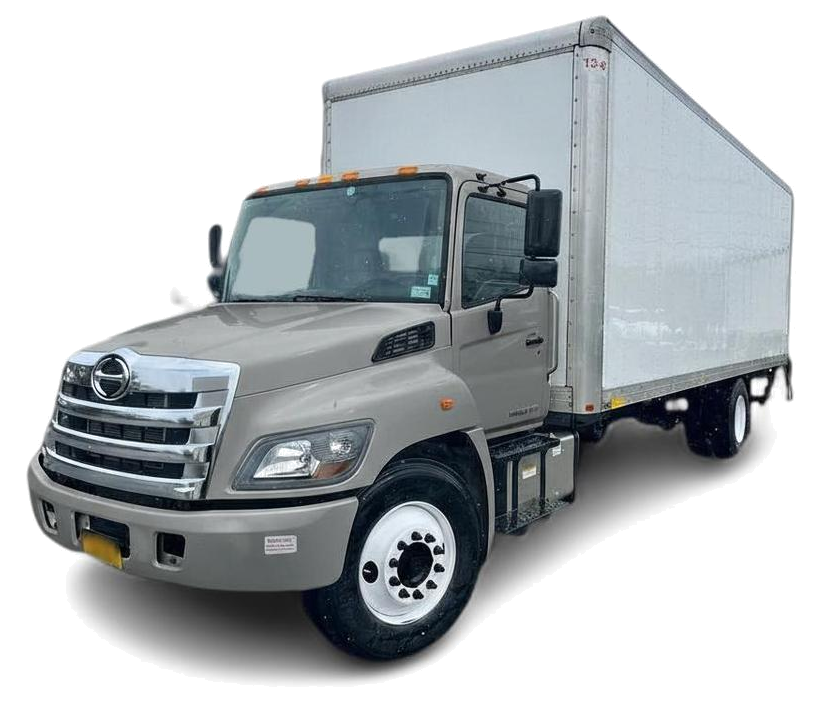
The 2020 Hino Conventional Cab is a versatile commercial truck known for its robust construction and practicality. As part of Hino's long-standing tradition in the medium-duty truck market, this model year offers a dependable chassis for a wide array of vocational applications. Available in various GVWRs and with customizable body options, its popularity stems from its straightforward design, operational efficiency, and competitive pricing, making it a favored choice for businesses seeking a reliable workhorse. Pricing for new models typically ranged from $45,000 to $60,000 depending on configuration.
The Good
The 2020 Hino Conventional Cab boasts exceptional reliability and fuel efficiency, appealing to practical buyers. Its durable build instills confidence for demanding tasks, while the comfortable cabin ensures driver satisfaction on long hauls, a touch that resonates emotionally with those who spend their days on the road.
The Bad
Potential owners should be aware that the 2020 Hino Conventional Cab might offer a less refined ride compared to some competitors, especially when unladen. Additionally, while generally reliable, specific issues with certain electronic components or exhaust after-treatment systems have been reported by some users.
2020 Hino Conventional Cab: Quick Overview
- Engine Options: The 2020 Hino Conventional Cab was primarily offered with Hino's robust diesel engines. Common options include the Hino J08E series engines. These are in-line 4-cylinder and 6-cylinder turbocharged diesel engines known for their durability and torque.
- Horsepower: Horsepower output typically ranged from approximately 210 hp to 260 hp, depending on the specific engine and configuration chosen. For instance, some variants might feature around 210 hp, while others could offer up to 260 hp.
- Fuel Economy: Fuel economy is highly variable based on usage, load, terrain, and specific engine. However, Hino trucks are generally designed for efficiency in their class. Expect figures to be in the range of 10-15 miles per gallon (MPG) for city driving and potentially slightly higher on highways, though precise EPA ratings are not typically provided for commercial vehicles in this segment.
- 0-60 Times: 0-60 mph times are not a standard metric for commercial trucks like the Hino Conventional Cab, as they are not designed for rapid acceleration but rather for sustained work. Performance is measured by torque and hauling capability, not by quickness.
- Towing Capacity: Towing capacity is dependent on the specific chassis configuration, axle ratios, and Gross Vehicle Weight Rating (GVWR). The Hino Conventional Cab can be configured for various applications, with towing and payload capacities ranging significantly. For example, Gross Combination Weight Ratings (GCWR) can extend upwards of 30,000 to 50,000 lbs or more, depending on the model and vocational application.
- Trim-Level Features: Hino trucks are typically offered in chassis configurations rather than distinct trim levels in the passenger car sense. However, available features and options can include different cab sizes (standard or crew cab), air conditioning, power windows and locks, upgraded audio systems, navigation, and various vocational body pre-wiring or mounting provisions. Specific vocational upfitting packages (e.g., for dump trucks, box trucks, service bodies) are the primary differentiators in functionality. Standard safety features often include anti-lock braking systems (ABS) and a robust braking system suitable for heavy loads.
2020 Hino Conventional Cab Specifications
Vehicle Information
| Year | 2020 |
| Make | Hino |
| Model | 268 |
| Trim | - |
| Style | - |
| Type | Truck |
| Category | Heavy Truck |
Manufacturing Details
| Made In | United States |
| Manufacturing City | WILLIAMSTOWN |
Dimensions
| Doors | - |
| Curb Weight | - |
| Gross Vehicle Weight Rating | - |
| Overall Height | - |
| Overall Length | - |
| Overall Width | - |
| Wheelbase Length | - |
| Standard Seating | - |
Engine & Performance
| Engine | 7.6L I6 |
| Engine Size | 7.6L |
| Engine Cylinders | 6 |
| Transmission | Automatic |
| Transmission Type | Automatic |
| Transmission Speeds | - |
| Drivetrain | Rear-Wheel Drive |
Additional Features
| Anti-Brake System | - |
| Steering Type | - |
Pricing
| Manufacturer Suggested Retail Price (MSRP) | - |
| Invoice Price | - |
| Delivery Charges | - |
Vehicle History Report
Vehicle
Specifications
Specifications
Ownership
History
History
All History
Events
Events
NMVTIS Title
History Check
History Check
Salvage/Rebuilt
Check
Check
Accident
Check
Check
Theft
Check
Check
Open Lien
Check
Check
Past Sale
Listings
Listings
Safety
Recalls
Recalls
Odometer
Check
Check
Market Price
Analysis
Analysis
What Problems Does the 2020 Hino Conventional Cab Have?
The 2020 Hino Conventional Cab, like most commercial vehicles, can experience issues that are often tied to their demanding operational environment and complex emission systems. While generally praised for its mechanical robustness, some owners and mechanics have noted issues with the Diesel Particulate Filter (DPF) system. These can include regeneration failures or clogging, especially in applications with frequent short trips or low operating temperatures, which do not allow the system to adequately burn off soot. This can lead to performance derating and costly repairs if not properly maintained.
Another area that sometimes requires attention is the exhaust gas recirculation (EGR) system. Clogging or leaks in the EGR cooler or valve can impact engine performance and emissions. Electronic control modules (ECMs) and sensors related to emissions control are also areas where issues can arise, potentially leading to warning lights and diagnostic trouble codes.
Recalls for Hino trucks can vary by specific model and year. For the 2020 model year, it's important to check official NHTSA (National Highway Traffic Safety Administration) records for any specific safety recalls that may have been issued. These often pertain to components like braking systems, electrical wiring harnesses, or seatbelt assemblies.
Long-term reliability is generally strong, especially for the core mechanical components like the engine and transmission, provided regular and diligent maintenance is performed. However, the complexity of modern diesel emissions systems means that owners need to be vigilant about maintenance schedules and address any emerging warning lights or performance changes promptly to prevent more significant and expensive problems down the line. The 2020 Hino Conventional Cab is built to endure, but like any heavy-duty vehicle, it demands consistent care.
Another area that sometimes requires attention is the exhaust gas recirculation (EGR) system. Clogging or leaks in the EGR cooler or valve can impact engine performance and emissions. Electronic control modules (ECMs) and sensors related to emissions control are also areas where issues can arise, potentially leading to warning lights and diagnostic trouble codes.
Recalls for Hino trucks can vary by specific model and year. For the 2020 model year, it's important to check official NHTSA (National Highway Traffic Safety Administration) records for any specific safety recalls that may have been issued. These often pertain to components like braking systems, electrical wiring harnesses, or seatbelt assemblies.
Long-term reliability is generally strong, especially for the core mechanical components like the engine and transmission, provided regular and diligent maintenance is performed. However, the complexity of modern diesel emissions systems means that owners need to be vigilant about maintenance schedules and address any emerging warning lights or performance changes promptly to prevent more significant and expensive problems down the line. The 2020 Hino Conventional Cab is built to endure, but like any heavy-duty vehicle, it demands consistent care.
How long will the 2020 Hino Conventional Cab last?
The 2020 Hino Conventional Cab is designed for longevity, and with diligent maintenance, owners can expect to see service lives well over 300,000 miles, and often exceeding 500,000 miles. Many fleet operators report Hino trucks functioning reliably for 10 to 15 years. The core engine and chassis components are known for their durability. However, weaknesses over time often manifest in the complex emissions control systems (DPF, EGR) and associated sensors, which can require more frequent attention or replacement as the mileage increases. Regular oil changes, filter replacements, and proper operation of the emissions system are crucial for maximizing its lifespan and avoiding premature failures.
What Technology & Safety Features are Included?
The 2020 Hino Conventional Cab focuses on functional technology and safety, rather than extensive infotainment found in passenger vehicles. Standard features typically include essential driver comforts such as air conditioning, power steering, and a durable instrument cluster providing critical vehicle information. The audio system is usually a basic AM/FM radio with auxiliary input, with optional upgrades for Bluetooth connectivity and improved speaker systems available.
For driver assistance and safety, the 2020 Hino Conventional Cab comes equipped with standard anti-lock braking systems (ABS), ensuring controlled stopping power even under heavy loads. Other standard safety features often include a robust chassis designed for stability, durable exterior lighting, and safety glass. Depending on the specific configuration and optional packages chosen, advanced features might be limited compared to newer, more car-like trucks. However, some models could be optioned with features like a backup alarm or camera for improved situational awareness.
Forward-collision mitigation systems or lane-keeping assist are generally not standard or commonly available on this generation of Hino Conventional Cab, as the focus remains on core operational robustness.
Crash-test ratings for commercial trucks like the Hino Conventional Cab are not typically rated by agencies like the NHTSA or IIHS in the same manner as passenger cars. Instead, their safety is evaluated based on their structural integrity, braking performance, and the availability of essential safety equipment designed to protect occupants during operation and in the event of an accident. The design emphasizes a strong frame and cab structure to withstand the rigors of commercial use and provide a protective environment.
For driver assistance and safety, the 2020 Hino Conventional Cab comes equipped with standard anti-lock braking systems (ABS), ensuring controlled stopping power even under heavy loads. Other standard safety features often include a robust chassis designed for stability, durable exterior lighting, and safety glass. Depending on the specific configuration and optional packages chosen, advanced features might be limited compared to newer, more car-like trucks. However, some models could be optioned with features like a backup alarm or camera for improved situational awareness.
Forward-collision mitigation systems or lane-keeping assist are generally not standard or commonly available on this generation of Hino Conventional Cab, as the focus remains on core operational robustness.
Crash-test ratings for commercial trucks like the Hino Conventional Cab are not typically rated by agencies like the NHTSA or IIHS in the same manner as passenger cars. Instead, their safety is evaluated based on their structural integrity, braking performance, and the availability of essential safety equipment designed to protect occupants during operation and in the event of an accident. The design emphasizes a strong frame and cab structure to withstand the rigors of commercial use and provide a protective environment.
What Colors Options are Available?
2020 Hino Conventional Cab Prices and Market Value
When new, the 2020 Hino Conventional Cab typically had an MSRP ranging from approximately $45,000 to $60,000, depending on the specific chassis configuration, GVWR, and any factory-installed options or vocational prep packages. Current used market prices for a 2020 Hino Conventional Cab can vary significantly, but generally fall between $30,000 and $50,000, influenced heavily by mileage, condition, and remaining service life. Hino trucks tend to hold their value reasonably well in the commercial sector due to their reputation for reliability and low cost of ownership, meaning depreciation is often less aggressive than for some competing brands. Key factors affecting resale value include maintenance records, overall condition, tire wear, and the presence of desirable vocational upfits. A well-maintained Hino with a desirable body (like a box or dump body) will command a higher price.
2020 Hino Conventional Cab Cost of Ownership
The 2020 Hino Conventional Cab is generally considered economical to own for its class. Insurance costs will vary by usage, location, and driver history but are typically competitive for a commercial vehicle. Fuel costs are a significant consideration, but its efficient diesel engine design helps mitigate this. Maintenance, including regular oil changes, filter replacements, and emissions system checks, is crucial and can add up, but Hino parts are generally accessible and reasonably priced. Repair costs can be moderate, with major engine or transmission overhauls being the most significant potential expenses, though less frequent with proper care. Overall, its durability and operational efficiency make it a cost-effective choice for businesses.
2020 Hino Conventional Cab Fuel Efficiency
Fuel Type
Diesel
Fuel Capacity
-
City Mileage
-
Highway Mileage
-
2020 Hino Conventional Cab Warranty
Basic
Original warranty
0 months / No data
Estimated remaining
Expired
Powertrain
Original warranty
0 months / No data
Estimated remaining
Expired
Rust
Original warranty
0 months / No data
Estimated remaining
Expired
2020 Hino Conventional Cab Insurance
Insurance for a 2020 Hino Conventional Cab is moderately priced, reflecting its status as a Truck with strong safety ratings and
reasonable repair costs.
How Does the 2020 Hino Conventional Cab Compare to Other Truck?
The 2020 Hino Conventional Cab competes in the medium-duty truck segment against strong players like the Isuzu F-Series, Freightliner M2, and Chevrolet Silverado 4500HD/5500HD.
Performance: Hino's J08E diesel engines offer robust torque and proven durability, comparable to Isuzu's diesel offerings. Freightliner's M2 series, often featuring Cummins or Detroit Diesel engines, might offer slightly higher horsepower and torque options in certain configurations, potentially providing a performance edge for very demanding tasks.
Features: In terms of features, the Hino Conventional Cab leans towards functionality over luxury. Rivals like the Freightliner M2 might offer more advanced cab amenities, digital displays, and a wider range of optional technology and driver-assistance features, though often at a higher price point. Isuzu also offers a comparable feature set, focusing on essential work truck needs. The Chevrolet options may appeal to those familiar with the brand and seeking a more truck-like interior feel, though their commercial focus is less pronounced than Hino or Isuzu.
Reliability: Hino has a strong reputation for mechanical reliability, particularly its core powertrain components. Isuzu is also highly regarded for its dependable diesel engines and robust chassis. Freightliner, while a major player, can have more varied reliability depending on the specific engine and complex electronic systems used.
Price: The Hino Conventional Cab is often positioned as a strong value proposition, typically offering a competitive price for its reliability and capability. It generally aims to be more affordable than comparable Freightliner models, while competing closely with Isuzu.
Alternatives: For a similar value and reliability, the Isuzu F-Series is a very close competitor, often offering comparable engines and chassis durability. If a more upscale interior and a wider array of technological options are desired, and the budget allows, the Freightliner M2 106 is a strong alternative, though it may come at a higher cost. The Chevrolet Silverado 4500HD/5500HD could be considered if brand familiarity and a somewhat more passenger-vehicle-like interior are prioritized, but their overall commercial reputation might not match Hino or Isuzu for long-term, heavy-duty applications.
Performance: Hino's J08E diesel engines offer robust torque and proven durability, comparable to Isuzu's diesel offerings. Freightliner's M2 series, often featuring Cummins or Detroit Diesel engines, might offer slightly higher horsepower and torque options in certain configurations, potentially providing a performance edge for very demanding tasks.
Features: In terms of features, the Hino Conventional Cab leans towards functionality over luxury. Rivals like the Freightliner M2 might offer more advanced cab amenities, digital displays, and a wider range of optional technology and driver-assistance features, though often at a higher price point. Isuzu also offers a comparable feature set, focusing on essential work truck needs. The Chevrolet options may appeal to those familiar with the brand and seeking a more truck-like interior feel, though their commercial focus is less pronounced than Hino or Isuzu.
Reliability: Hino has a strong reputation for mechanical reliability, particularly its core powertrain components. Isuzu is also highly regarded for its dependable diesel engines and robust chassis. Freightliner, while a major player, can have more varied reliability depending on the specific engine and complex electronic systems used.
Price: The Hino Conventional Cab is often positioned as a strong value proposition, typically offering a competitive price for its reliability and capability. It generally aims to be more affordable than comparable Freightliner models, while competing closely with Isuzu.
Alternatives: For a similar value and reliability, the Isuzu F-Series is a very close competitor, often offering comparable engines and chassis durability. If a more upscale interior and a wider array of technological options are desired, and the budget allows, the Freightliner M2 106 is a strong alternative, though it may come at a higher cost. The Chevrolet Silverado 4500HD/5500HD could be considered if brand familiarity and a somewhat more passenger-vehicle-like interior are prioritized, but their overall commercial reputation might not match Hino or Isuzu for long-term, heavy-duty applications.
Final Verdict: Is the 2020 Hino Conventional Cab a Good Truck?
The 2020 Hino Conventional Cab is an excellent choice for small to medium-sized businesses and owner-operators who prioritize reliability, durability, and cost-effectiveness in a work truck. It's ideal for those needing a robust chassis for various vocational upfits like box trucks, service vehicles, or light-duty dump trucks.
It is definitely worth buying, especially in the used market, as it offers strong long-term value. Buying used is often the most sensible condition, allowing access to its proven capabilities at a significantly lower price point than when new. While new models offer the latest in warranty and configuration options, a well-maintained used 2020 Hino Conventional Cab, particularly one with lower mileage and a solid service history, presents a compelling case for budget-conscious buyers seeking a dependable workhorse that won't break the bank.