
by VIN, Year, Make, Model by License Plate

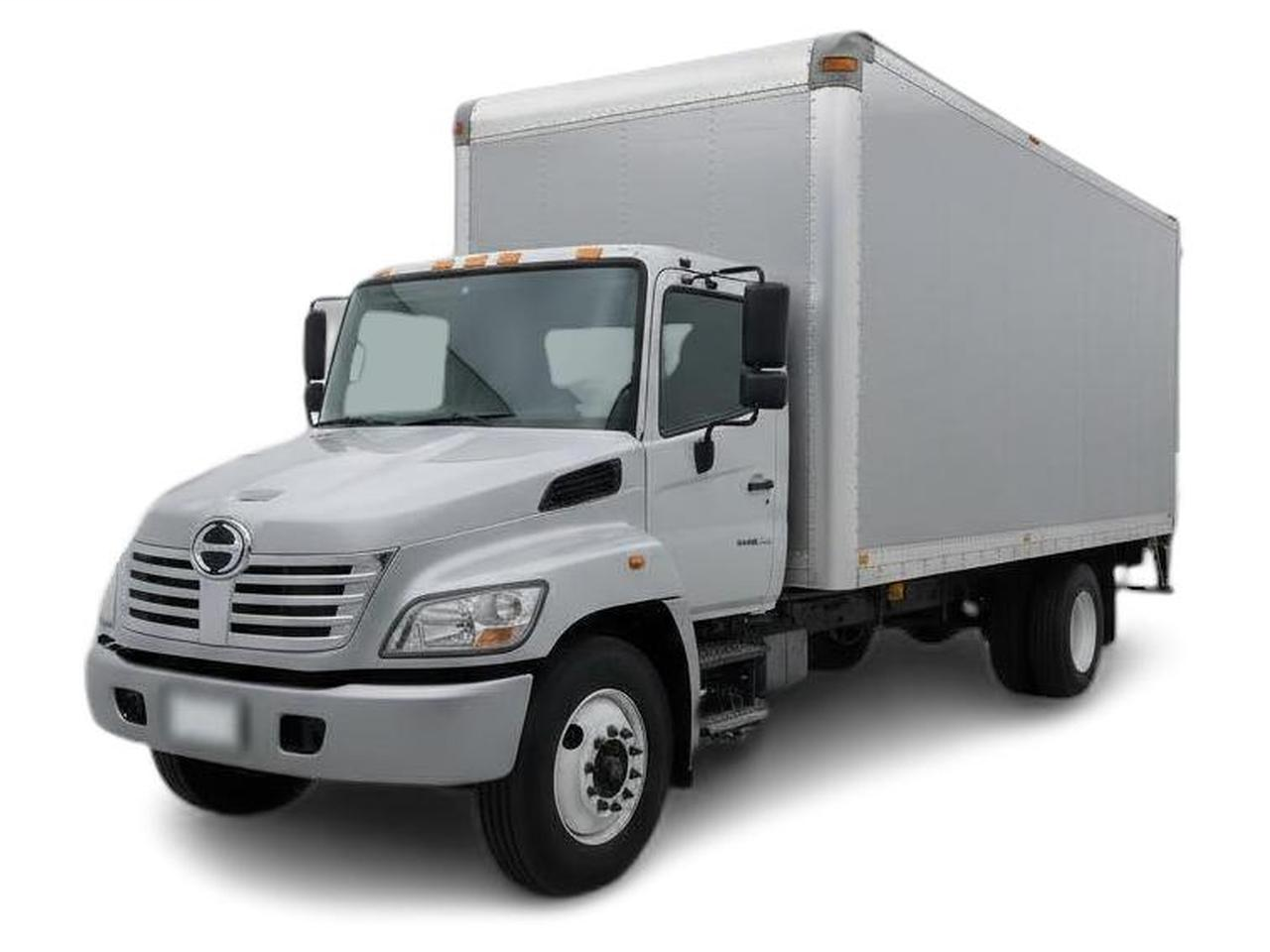
2008 Hino Conventional Cab Overview, Reviews, Ratings & Specs

Rating: 0.00
Based on 0 Owner Reviews
Jovan | February 6, 2026
The 2008 Hino Conventional Cab represents a robust and dependable option in the commercial vehicle segment. Hino, a subsidiary of Toyota Motor Corporation, is known for its engineering prowess in building trucks. This particular model is a traditional cab-over-engine design, a common body style for trucks prioritizing cargo space and maneuverability. While specific trims and exact pricing can vary widely due to its commercial nature, it's generally appreciated for its operational efficiency and straightforward design, making it a popular choice for businesses focused on utility and long-term service.
The Good

The 2008 Hino Conventional Cab offers exceptional reliability, a hallmark of Hino engineering, providing peace of mind. Its efficient performance and straightforward design translate to practical cost savings and ease of operation, appealing to budget-conscious owners. The durable build instills confidence for demanding tasks, while the functional interior prioritizes driver comfort on long hauls.

The Bad

Potential owners of the 2008 Hino Conventional Cab should be aware of possible age-related wear, especially on suspension components and exhaust systems. While generally robust, some drivers report a less refined ride compared to newer models. Additionally, sourcing specific parts for older commercial vehicles can sometimes present a challenge.

2008 Hino Conventional Cab: Quick Overview

  • Engine Options: The 2008 Hino Conventional Cab typically featured Hino's J08E series diesel engines. These are well-regarded for their durability and performance in commercial applications.
    • J08E-UB: A common option, this inline 6-cylinder turbocharged diesel engine is known for its robust torque output.
      • Horsepower: Generally ranging from approximately 200 hp to 240 hp, depending on the specific application and configuration.
      • Torque: Significant torque figures, often exceeding 500 lb-ft, crucial for hauling and towing.
      • Fuel Economy: Fuel economy for commercial trucks is highly variable, depending heavily on load, terrain, driving style, and specific configuration. However, Hino engines are designed for efficiency within their class, with owners often reporting figures in the range of 10-15 MPG under typical operating conditions.
      • 0-60 Times: 0-60 mph times are not a primary metric for commercial vehicles like the Hino Conventional Cab, as they are designed for sustained operation at lower speeds with heavy loads rather than rapid acceleration. Performance is measured in hauling capacity and job completion.
      • Towing Capacity: Towing capacity is not typically specified as a standalone figure for a truck chassis like this. Instead, it's determined by the Gross Vehicle Weight Rating (GVWR), Gross Combined Weight Rating (GCWR), and the specific body configuration (e.g., a flatbed, box truck, or dump truck). These trucks are built to handle substantial payloads and trailer weights, often in the tens of thousands of pounds.
      • Trim-Level Features: Hino Conventional Cabs are generally not offered in distinct "trims" in the same way passenger vehicles are. Instead, they are sold as chassis cabs, allowing customization for various vocational uses. Standard features would focus on functionality and durability, including:
        • Durable interior materials designed for heavy use.
        • Basic instrumentation for engine monitoring and vehicle operation.
        • Power steering and brakes for ease of handling.
        • Adjustable driver's seat for comfort.
        • Standard safety features appropriate for commercial vehicles of the era.
        • Optional features would depend on the intended application and could include items like air conditioning, power windows, and specialized upfitting equipment like liftgates, cranes, or customized bodywork.

2008 Hino Conventional Cab Specifications

Vehicle Information
Year 2008
Make Hino
Model 338
Trim -
Style -
Type Truck
Category Heavy Truck
Manufacturing Details
Made In United States
Manufacturing City HINO
Dimensions
Doors -
Curb Weight -
Gross Vehicle Weight Rating 33000 pounds
Overall Height -
Overall Length -
Overall Width -
Wheelbase Length -
Standard Seating -
Engine & Performance
Engine 7.6L I6
Engine Size 7.6L
Engine Cylinders 6
Transmission -
Transmission Type -
Transmission Speeds -
Drivetrain Rear-Wheel Drive
Additional Features
Anti-Brake System -
Steering Type -
Pricing
Manufacturer Suggested Retail Price (MSRP) -
Invoice Price -
Delivery Charges -

Vehicle History Report

Vehicle
Specifications
Ownership
History
All History
Events
NMVTIS Title
History Check
Salvage/Rebuilt
Check
Accident
Check
Theft
Check
Open Lien
Check
Past Sale
Listings
Safety
Recalls
Odometer
Check
Market Price
Analysis

What Problems Does the 2008 Hino Conventional Cab Have?

The 2008 Hino Conventional Cab, like many commercial vehicles of its age, can experience certain issues that owners should be aware of. While Hino trucks are generally lauded for their durability and reliability, a 2008 model will have accumulated miles and years, leading to potential age-related wear. One area that sometimes requires attention on older diesel engines is the exhaust gas recirculation (EGR) system. Clogging or malfunctions in the EGR cooler or valve can lead to reduced engine performance, increased emissions, and check engine lights. Proper maintenance, including regular cleaning or replacement, is crucial. Another common concern for vehicles of this vintage, regardless of make, is related to the cooling system. Radiator leaks, worn hoses, or a failing water pump can lead to overheating, which can cause significant engine damage if not addressed promptly. Regular inspection of the cooling system and timely replacement of aging components are recommended. Electrical issues can also arise over time. Corroded connections, failing alternators, or battery problems can manifest. For a 2008 model, it's not uncommon to see these types of repairs needed. Regarding recalls for this specific model year, it is essential for owners to check the National Highway Traffic Safety Administration (NHTSA) database using the vehicle's VIN. While there might not be widespread, model-defining recalls for the 2008 Hino Conventional Cab, individual vehicles can be subject to recalls for specific components or systems. Long-term reliability is generally a strong suit for Hino trucks, provided they receive consistent and proper maintenance. The robust J08E diesel engine is known for its longevity when treated well, often exceeding hundreds of thousands of miles. However, neglect in maintenance, such as infrequent oil changes, failing to address minor issues, or aggressive driving habits, can accelerate wear and lead to more significant problems down the line. The structural integrity of the chassis and cab is usually excellent, but rust can become an issue in areas with harsh climates and heavy road salt usage. Overall, with diligent maintenance, the 2008 Hino Conventional Cab can remain a reliable workhorse.

How long will the 2008 Hino Conventional Cab last?

The 2008 Hino Conventional Cab is built with durability as a primary design principle, and owner data often reflects this. With regular and diligent maintenance, including timely oil changes, fluid checks, and addressing minor issues promptly, these trucks can realistically achieve 300,000 to 500,000 miles, and in many cases, even more. Some owners report reaching 700,000 miles or beyond with proper care. The long-term durability is largely attributed to the robust J08E diesel engine and the sturdy chassis construction. Weaknesses that tend to emerge over time are primarily age-related wear on components like the suspension, brakes, exhaust system, and electrical connectors, rather than inherent flaws in the core engineering. Rust can become a factor in corrosive environments. However, the fundamental mechanical components are designed for longevity, making the 2008 Hino Conventional Cab a strong candidate for extended service life when well-maintained.

What Technology & Safety Features are Included?

The 2008 Hino Conventional Cab, being a commercial vehicle designed primarily for utility and operational efficiency, features a more utilitarian approach to technology, entertainment, and safety compared to passenger vehicles of the same era. Built-in Tech and Entertainment: In terms of standard technology, the focus is on functionality. Expect basic instrumentation for monitoring engine performance, fuel levels, and vehicle status. An AM/FM radio would be a common standard entertainment feature, with CD players sometimes included as an upgrade. Connectivity options like Bluetooth or USB ports were generally not standard and would be rare finds, if available at all as dealer-installed options. The dashboard is designed for clear visibility of essential information during operation. Driver-Assistance Features: Advanced driver-assistance systems (ADAS) as we understand them today were virtually non-existent in commercial vehicles of this class in 2008. Features like adaptive cruise control, lane departure warning, or automatic emergency braking were not typically offered. The primary focus was on providing the driver with good visibility and responsive controls. Power steering and power brakes were standard to aid in maneuverability and stopping power, which are crucial driver-assistance features in a truck of this size. Safety Features: Standard safety features would include seatbelts for all occupants. The robust construction of the cab itself provides a significant degree of passive safety. Airbags were not a standard feature in most commercial trucks of this vintage, and their inclusion would have been highly unusual. The cab-over-engine design inherently places the driver and passenger compartment forward, which offers a different safety profile in frontal impacts compared to conventional trucks. Optional Features: Depending on the specific vocational application and the customer's requirements, optional features could have included air conditioning, power windows, a more advanced sound system, auxiliary lighting, and specialized equipment fitted to the chassis (e.g., liftgates, cranes, toolboxes). Crash-Test Ratings: Commercial trucks, especially chassis cabs intended for vocational customization, are not typically subjected to the same standardized crash-testing protocols as passenger cars and SUVs by organizations like the NHTSA or IIHS. Therefore, specific crash-test ratings for the 2008 Hino Conventional Cab are generally unavailable.

What Colors Options are Available?

We’re working on this section!
In the meantime, feel free to explore the other sections for more content.

2008 Hino Conventional Cab Prices and Market Value

New pricing for a 2008 Hino Conventional Cab chassis varied significantly based on wheelbase, GVWR, and any factory options, but it would typically range from approximately $50,000 to $80,000 or more, before any vocational bodywork was added. On the used market today, prices for a 2008 Hino Conventional Cab in decent condition can range broadly from $15,000 to $35,000, heavily influenced by mileage, overall condition, the type of body installed (if any), and maintenance history. Depreciation for commercial vehicles is often less steep than for passenger cars, especially for well-maintained and desirable vocational models. The resale value is primarily driven by its operational capability and remaining service life. Factors such as engine hours, chassis condition, the utility of the installed body, and the availability of service records significantly impact what a buyer is willing to pay. A truck that has been meticulously maintained and is ready for immediate work will command a higher price than one with deferred maintenance or signs of heavy wear.

2008 Hino Conventional Cab Cost of Ownership

Owning a 2008 Hino Conventional Cab involves typical commercial vehicle costs. Insurance premiums will be higher than for a personal vehicle, reflecting its commercial use and higher value. Fuel costs depend on usage and mileage, but the J08E diesel engine offers reasonable efficiency for its class. Maintenance is crucial; expect regular oil changes, filter replacements, and potential for higher costs on diesel-specific components like injectors or the DPF (if equipped). Repairs can be moderately expensive due to specialized parts. Overall, while not cheap to own compared to a car, its durability and operational efficiency make it economical for businesses when properly maintained, offering a good return on investment.

2008 Hino Conventional Cab Fuel Efficiency

Fuel Type Diesel
Fuel Capacity -
City Mileage -
Highway Mileage -

2008 Hino Conventional Cab Warranty

Basic
Original warranty 0 months / No data
Estimated remaining Expired
Powertrain
Original warranty 0 months / No data
Estimated remaining Expired
Rust
Original warranty 0 months / No data
Estimated remaining Expired

2008 Hino Conventional Cab Insurance

Insurance for a 2008 Hino Conventional Cab is moderately priced, reflecting its status as a Truck with strong safety ratings and
reasonable repair costs.

How Does the 2008 Hino Conventional Cab Compare to Other Truck?

The 2008 Hino Conventional Cab competes in the light to medium-duty commercial truck segment, facing rivals such as Isuzu NPR, Mitsubishi Fuso FE series, and Chevrolet/GMC W-series trucks. Performance: Hino's J08E diesel engine typically offers competitive horsepower and torque figures, providing strong performance for hauling and towing. Isuzu and Fuso also offer reliable diesel powertrains with similar capabilities. Chevrolet/GMC offered both diesel and gasoline options, with gasoline typically less suited for heavy-duty work. Features: In 2008, feature sets across these trucks were generally basic and focused on functionality rather than luxury or advanced tech. Hino, Isuzu, and Fuso are known for their durable, no-nonsense interiors. Chevrolet/GMC might offer slightly more creature comforts in some configurations but often at the expense of long-term diesel durability. Reliability: Hino and Isuzu are consistently ranked among the most reliable commercial truck brands, with a reputation for longevity and minimal downtime. Mitsubishi Fuso also has a strong track record. While these trucks are generally robust, specific model years can have unique issues, but overall, Hino holds its own as a top-tier choice for dependability. Price: When new, pricing was generally comparable across these Japanese brands. On the used market, the 2008 Hino Conventional Cab often presents a strong value proposition. Its price point can be competitive, especially considering its reputation for durability. Used Isuzu NPRs and Mitsubishi Fuso FE models can be found at similar price points, sometimes with higher mileage for a comparable cost. Chevrolet/GMC trucks might be found cheaper but can sometimes carry higher maintenance costs over time, especially gasoline variants. Alternatives:
  • Similar: Isuzu NPR, Mitsubishi Fuso FE. These offer comparable durability, diesel power, and functional design. They are excellent alternatives if a Hino is unavailable or priced unfavorably.
  • Different Focus: For those prioritizing a slightly more refined ride or potentially more readily available parts in certain regions (especially North America), a Ford F-series Super Duty chassis cab (though often with a gasoline engine or a less robust diesel for heavy work) could be considered, but typically less specialized for vocational use than the Hino.
Ultimately, for pure workhorse reliability and cost-effectiveness in the used market, the 2008 Hino Conventional Cab remains a strong contender against its direct Japanese competitors.

Final Verdict: Is the 2008 Hino Conventional Cab a Good Truck?

The 2008 Hino Conventional Cab is ideal for small to medium-sized businesses, tradespeople, and municipalities that require a dependable, workhorse vehicle for applications like delivery, utility services, or specialized upfitting. It's best suited for buyers prioritizing long-term durability, operational efficiency, and straightforward functionality over advanced technology or luxury amenities. Whether it's worth buying hinges heavily on its condition and maintenance history. A well-maintained 2008 Hino Conventional Cab, especially with lower mileage for its age, represents excellent value on the used market. It is certainly worth buying if purchased from a reputable seller with clear service records. Buyers should avoid units with neglected maintenance, significant rust, or evidence of hard use without proper care. Given its age, purchasing used is the only option, and focusing on the chassis cab version allows for custom body selection to meet specific needs.

2008 Hino Conventional Cab Owner Reviews

0.00
Consumer Rating, Based on 0 Consumer Reviews
Overall rating
Cancel
Thank You for Your Review!

We truly appreciate the time and effort you took to share your experience with us.

Uh oh!

Something went wrong, please try again later.

Author Image
Jovan

Jovan specializes in interpreting vehicle records and making sense of VIN data. With over 10 years of experience in the automotive data industry, his work ensures that every report is clear, accurate, and useful for car buyers.