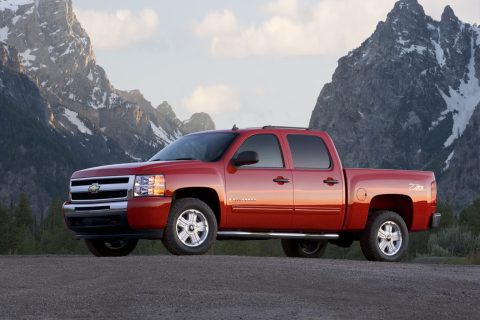
The 2015 Peterbilt 330 is a versatile medium-duty truck known for its durability and customization. Primarily offered as a conventional truck, it has been a staple in Peterbilt's lineup for many years, often serving vocational and pickup-and-delivery applications. While specific trims vary based on vocational use, its core appeal lies in its robust build and driver-focused design, making it a popular choice for businesses and owner-operators seeking a reliable workhorse. New pricing would have been in the mid-$100,000s, with used models varying significantly.
The Good
The 2015 Peterbilt 330 offers exceptional durability and a commanding presence that appeals to pride of ownership. Its strong performance in demanding vocational tasks, coupled with its reputation for reliability and a comfortable driver experience, makes it a practical choice for long-term, profitable operation.
The Bad
Potential weaknesses for the 2015 Peterbilt 330 can include the cost of specialized parts and maintenance due to its heavy-duty nature. Some older models might exhibit wear and tear on interior components, and complex vocational upfits could introduce unique repair challenges.
2015 Peterbilt 330: Quick Overview
- Engine Options: The 2015 Peterbilt 330 typically featured robust PACCAR PX-6 diesel engines, with other Cummins ISB and ISL options available depending on configuration and vocational needs.
- Horsepower: Power output generally ranged from approximately 240 horsepower up to around 300 horsepower for the PACCAR PX-6, with larger displacement engines in other options reaching higher figures, often exceeding 350 horsepower for heavy-duty applications.
- Fuel Economy: Specific MPG figures are highly variable due to the truck's size, engine, transmission, load, and operating conditions. However, for a medium-duty truck, expect figures generally in the range of 8-12 miles per gallon.
- 0-60 Times: 0-60 mph times are not a standard metric for commercial trucks like the Peterbilt 330, as they are designed for load hauling and sustained operation, not rapid acceleration. Performance is measured more by torque and pulling power under load.
- Towing Capacity: Towing and payload capacities are highly dependent on the specific chassis configuration, axle ratings, and Gross Vehicle Weight Rating (GVWR). The Peterbilt 330 is configured for medium-duty applications, with GVWRs typically ranging from 26,000 lbs to 50,000 lbs, enabling it to tow trailers and haul significant loads for various vocational uses, such as dump trucks, utility trucks, or straight trucks.
- Trim-Level Features: As a vocational truck, "trims" are less about luxury packages and more about functional configurations. Standard features across most models would include a durable chassis, a functional driver's cabin designed for ease of access and visibility, basic instrumentation, and robust braking systems. Optional features could include upgraded HVAC, air suspension seats, power windows and locks, advanced telematics, and specialized body integrations (e.g., dump beds, service bodies, liftgates). The focus is on ruggedness and work-readiness.

2015 Peterbilt 330 Specifications
Vehicle Information
| Year | 2015 |
| Make | Peterbilt |
| Model | 330 |
| Trim | - |
| Style | - |
| Type | Truck |
| Category | Medium Truck |
Manufacturing Details
| Made In | Canada |
| Manufacturing City | MONTREAL |
Dimensions
| Doors | - |
| Curb Weight | - |
| Gross Vehicle Weight Rating | 23500 pounds |
| Overall Height | - |
| Overall Length | - |
| Overall Width | - |
| Wheelbase Length | - |
| Standard Seating | - |
Engine & Performance
| Engine | 6.7L I6 |
| Engine Size | 6.7L |
| Engine Cylinders | 6 |
| Transmission | - |
| Transmission Type | - |
| Transmission Speeds | - |
| Drivetrain | Rear-Wheel Drive |
Additional Features
| Anti-Brake System | - |
| Steering Type | - |
Pricing
| Manufacturer Suggested Retail Price (MSRP) | - |
| Invoice Price | - |
| Delivery Charges | - |
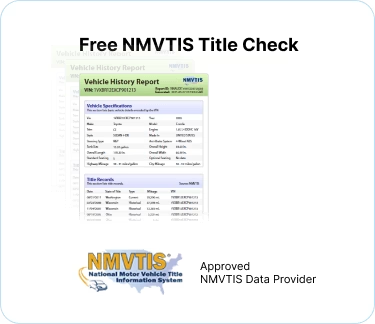
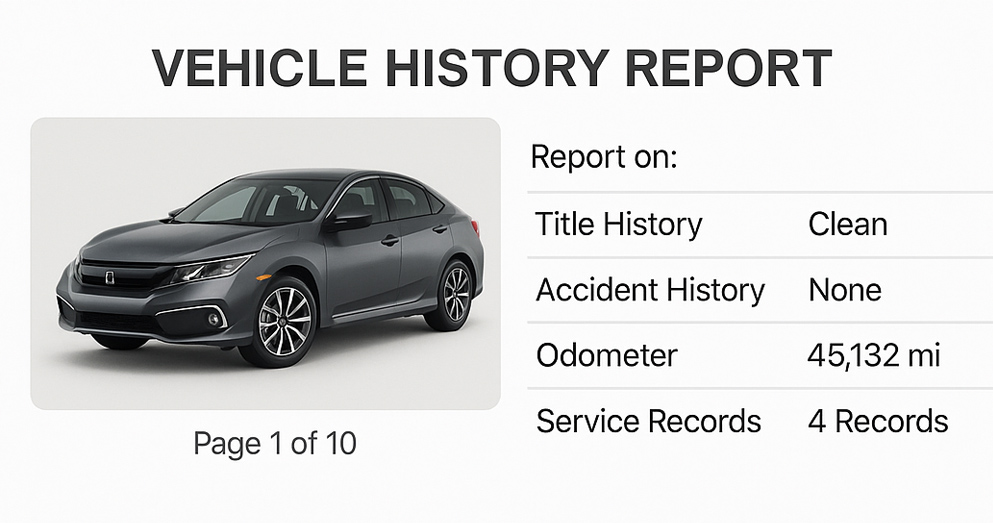
Vehicle History Report
Vehicle
Specifications
Specifications
Ownership
History
History
All History
Events
Events
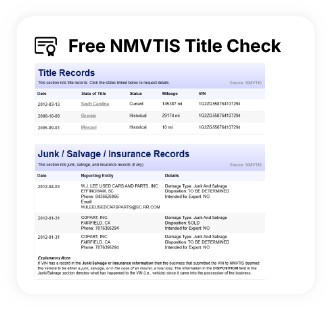
NMVTIS Title
History Check
History Check
Salvage/Rebuilt
Check
Check
Accident
Check
Check
Theft
Check
Check
Open Lien
Check
Check
Past Sale
Listings
Listings
Safety
Recalls
Recalls
Odometer
Check
Check
Market Price
Analysis
Analysis
What Problems Does the 2015 Peterbilt 330 Have?
The 2015 Peterbilt 330, being a robust medium-duty truck, generally enjoys a strong reputation for reliability. However, like any vehicle, especially those used in demanding vocational applications, some issues can arise over time. One common area of concern for trucks of this era, regardless of brand, can be related to the emissions control systems (like the Diesel Particulate Filter - DPF, and Selective Catalytic Reduction - SCR systems). These systems, while crucial for meeting environmental standards, can sometimes become clogged or require regeneration cycles, leading to potential performance issues or warning lights if not maintained properly. DPF issues can be more prevalent in trucks that do a lot of short-haul or stop-and-go driving, preventing the system from reaching the necessary temperatures for self-cleaning.
Another area to watch can be the transmission and drivetrain components, especially if the truck has been consistently subjected to heavy loads or aggressive driving. Clutch wear, transmission fluid leaks, or issues with the differential are not uncommon on heavily utilized trucks. Electrical gremlins, while not rampant, can also surface, affecting things like sensors, dashboard lights, or accessory functions. For the 2015 model year specifically, it's worth checking for any recalls issued by Peterbilt or the component manufacturers. Recalls might pertain to braking systems, steering components, or specific engine or transmission parts, depending on the manufacturing batch. Long-term reliability is heavily influenced by the owner's maintenance schedule. A diligently maintained 330 with regular oil changes, fluid checks, and proactive servicing of the emissions system and drivetrain can last for hundreds of thousands of miles with minimal major issues. Conversely, neglected maintenance can accelerate wear and lead to more significant and costly repairs over time.
How long will the 2015 Peterbilt 330 last?
The 2015 Peterbilt 330 is built for longevity, and with proper maintenance, can easily see service lives extending well beyond 500,000 miles, with many reaching closer to 1,000,000 miles. Owner data and common maintenance practices suggest that a 2015 model, if used for typical vocational duties and maintained according to Peterbilt's recommendations, can reliably serve for 10-15 years or more. The core strength of the Peterbilt chassis and drivetrain is its inherent durability. However, long-term weaknesses can emerge in areas such as exhaust aftertreatment systems (DPF, SCR), which may require servicing or replacement after significant mileage. Other wear items like suspension components, brake parts, and seals will eventually need attention, but these are expected for any heavy-duty vehicle. Proactive maintenance is key to maximizing its lifespan and minimizing unexpected repairs.
What Technology & Safety Features are Included?
The 2015 Peterbilt 330 prioritizes functionality and safety for its vocational applications over cutting-edge consumer-grade tech. Built-in technology primarily focuses on operational efficiency and driver awareness. Standard features would include a comprehensive gauge cluster displaying critical engine and vehicle diagnostics, a basic AM/FM radio with auxiliary input, and robust climate control systems. While not typically equipped with advanced infotainment systems like touchscreens or navigation found in passenger cars, options for upgraded stereo systems with Bluetooth connectivity might have been available.


Driver-assistance features on the 2015 330 are generally limited to what enhances visibility and control in demanding work environments. This would include powerful halogen or LED headlights for superior nighttime illumination, large, adjustable side mirrors for maximum situational awareness, and potentially optional features like heated mirrors for adverse weather conditions. Some advanced systems like lane departure warnings or adaptive cruise control are typically not found on this generation of vocational trucks, as the focus remains on the driver's direct control and environmental awareness.
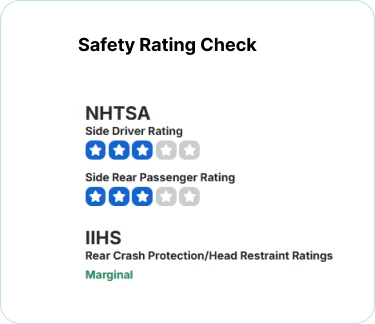
Safety features are robust and foundational. The truck is built on a heavy-duty frame designed to withstand significant stress. Standard safety equipment includes powerful hydraulic or air-over-hydraulic braking systems, often with ABS (Anti-lock Braking System) for improved stopping control, especially on slippery surfaces. Seatbelts are, of course, standard. Visibility is enhanced by the conventional cab design with a large windshield and side windows. Peterbilt trucks are engineered to meet stringent safety standards for commercial vehicles, focusing on structural integrity and driver protection in the event of an incident. Specific crash-test ratings from organizations like NHTSA or IIHS are not typically published for medium-duty vocational trucks in the same way they are for light-duty vehicles, as their design and intended use differ significantly. However, the inherent robustness of the Peterbilt design and its compliance with federal motor vehicle safety standards ensure a high level of safety for its intended purpose.
Driver-assistance features on the 2015 330 are generally limited to what enhances visibility and control in demanding work environments. This would include powerful halogen or LED headlights for superior nighttime illumination, large, adjustable side mirrors for maximum situational awareness, and potentially optional features like heated mirrors for adverse weather conditions. Some advanced systems like lane departure warnings or adaptive cruise control are typically not found on this generation of vocational trucks, as the focus remains on the driver's direct control and environmental awareness.
Safety features are robust and foundational. The truck is built on a heavy-duty frame designed to withstand significant stress. Standard safety equipment includes powerful hydraulic or air-over-hydraulic braking systems, often with ABS (Anti-lock Braking System) for improved stopping control, especially on slippery surfaces. Seatbelts are, of course, standard. Visibility is enhanced by the conventional cab design with a large windshield and side windows. Peterbilt trucks are engineered to meet stringent safety standards for commercial vehicles, focusing on structural integrity and driver protection in the event of an incident. Specific crash-test ratings from organizations like NHTSA or IIHS are not typically published for medium-duty vocational trucks in the same way they are for light-duty vehicles, as their design and intended use differ significantly. However, the inherent robustness of the Peterbilt design and its compliance with federal motor vehicle safety standards ensure a high level of safety for its intended purpose.
What Colors Options are Available?
2015 Peterbilt 330 Prices and Market Value
When new, the 2015 Peterbilt 330 would have been priced in the range of $100,000 to $150,000 or more, depending on engine specifications, chassis configuration, and any vocational upfitting. Used market prices for a 2015 Peterbilt 330 in good condition can range broadly from $40,000 to $80,000, heavily influenced by mileage, overall condition, maintenance history, and the specific application it was used for (e.g., a well-maintained utility truck will command more than one used for heavy construction). Peterbilt trucks are known for their strong resale value due to their reputation for durability and build quality. Depreciation is relatively moderate compared to lighter-duty vehicles, especially for well-maintained units. Factors significantly affecting resale value include mileage, engine and transmission condition, tire wear, the state of the emissions system, and the presence and condition of any specialized vocational equipment.
2015 Peterbilt 330 Cost of Ownership
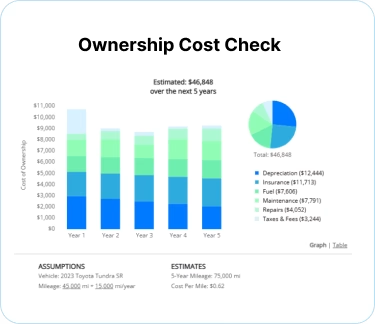
Owning a 2015 Peterbilt 330 is generally considered moderately costly, reflecting its heavy-duty nature. Insurance costs will be higher than for a light-duty vehicle, influenced by usage, driver record, and coverage. Fuel consumption, while variable, will be a significant ongoing expense, typically ranging from 8-12 MPG. Maintenance and repair costs are also substantial due to the robust components and specialized nature of commercial trucks. Routine maintenance like oil changes and filter replacements are standard, but unexpected repairs can be expensive. While not economical in terms of purchase price or daily running costs compared to smaller vehicles, its longevity and operational capability provide excellent long-term value for businesses that rely on its work capacity.
2015 Peterbilt 330 Fuel Efficiency
Fuel Type
Diesel
Fuel Capacity
-
City Mileage
-
Highway Mileage
-
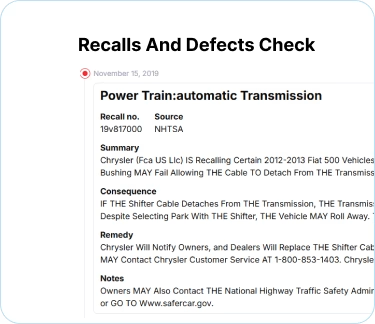
2015 Peterbilt 330 Recalls & Defects
Fuel System, Diesel
Recall date
2014-08-07
Recall no.
14v486000
Source
NHTSA
Summary
Paccar Incorporated (Paccar) IS Recalling Certain Model Year 2015 Kenworth K270, T270, K370, T370, T440, T470, and W900 Chassis Manufactured MAY 13, 2014, TO July 23, 2014, and Certain Model Year 2015 Peterbilt 210, 220, 320, 325, 330, 337, 348, 365, 382, 384, and 567 Chassis Manufactured MAY 8, 2014, TO July 22, 2014. THE Cummins ISB or ISL Engines IN These Vehicles MAY Have Been Equipped With Fleetguard Uff-Xt Fuel Filters, Part Number Ff63009, Whose Filter Shell MAY Separate From THE Fuel Filter NUT Plate Causing THE Engine TO Stall Without Warning.
Consequence
IF THE Engine Stalls Unexpectedly There IS AN Increased Risk OF A Crash.
Remedy
Cummins Will Notify Owners ON Behalf OF Paccar, and Cummins Dealers Will Replace THE Fuel Filter With A Non-Defective One, Free OF Charge. THE Notification Schedule FOR This Recall RAN July 29 TO December 31, 2014. Owners MAY Contact Kenworth Customer Service AT 1-425-828-5000, or Peterbilt Customer Service AT 1-940-591-4000. Owners MAY Also Contact Cummins Customer Service AT 1-812-377-3713. Kenworth's Number FOR This Recall IS 14kwj. Peterbilt's Number FOR This Recall IS 814-h.
Notes
Owners MAY Also Contact THE National Highway Traffic Safety Administration Vehicle Safety Hotline AT 1-888-327-4236 (Tty 1-800-424-9153), or GO TO Www.safercar.gov.
Electronic Stability Control (Esc)
Recall date
2020-04-06
Recall no.
20v199000
Source
NHTSA
Summary
Paccar Incorporated (Paccar) IS Recalling Certain 2008-2019 Peterbilt 330, 335, 337, 340, 348, 365, 367, 384, 386, 387, 388, 389, 567, 579 and 587 Vehicles and 2008-2020 Kenworth T170, T270, T370, T660, T680, T800, T880, and W900 Vehicles Equipped With Namux Software. IN THE Event That THE Anti-lock Brake System (Abs) Loses Battery And/Or Ignition Power TO THE Controller, THE Dash Warning Light FOR THE ABS MAY NOT Illuminate TO Warn THE Driver OF THE Loss OF Abs. AS Such, These Vehicles Fail TO Comply With THE Requirements OF Federal Motor Vehicle Safety Standard (fmvss) Number 121, "air Brake Systems," and 136, "electronic Stability Control System ON Heavy Vehicles."
Consequence
IF THE Driver Unknowingly Operates THE Vehicle Without THE ABS Functioning, There Would BE AN Increased Risk OF A Crash.
Remedy
Paccar Will Notify Owners, and Dealers Will Update THE Namux Software Within THE Cab Control Module, Free OF Charge. Paccar Issued Owners AN Interim Notification ON June 4, 2020. THE Recall Began MAY 26, 2020. Owners MAY Contact Kenworth Customer Service AT 1-425-828-5888 or Peterbilt Customer Service AT 1-940-591-4220. Paccar's Number FOR This Recall IS 20pbc and 20kwb.
Notes
Owners MAY Also Contact THE National Highway Traffic Safety Administration Vehicle Safety Hotline AT 1-888-327-4236 (Tty 1-800-424-9153), or GO TO Www.safercar.gov.
Service Brakes, Air:antilock:abs Warning Light
Recall date
2020-04-06
Recall no.
20v199000
Source
NHTSA
Summary
Paccar Incorporated (Paccar) IS Recalling Certain 2008-2019 Peterbilt 330, 335, 337, 340, 348, 365, 367, 384, 386, 387, 388, 389, 567, 579 and 587 Vehicles and 2008-2020 Kenworth T170, T270, T370, T660, T680, T800, T880, and W900 Vehicles Equipped With Namux Software. IN THE Event That THE Anti-lock Brake System (Abs) Loses Battery And/Or Ignition Power TO THE Controller, THE Dash Warning Light FOR THE ABS MAY NOT Illuminate TO Warn THE Driver OF THE Loss OF Abs. AS Such, These Vehicles Fail TO Comply With THE Requirements OF Federal Motor Vehicle Safety Standard (fmvss) Number 121, "air Brake Systems," and 136, "electronic Stability Control System ON Heavy Vehicles."
Consequence
IF THE Driver Unknowingly Operates THE Vehicle Without THE ABS Functioning, There Would BE AN Increased Risk OF A Crash.
Remedy
Paccar Will Notify Owners, and Dealers Will Update THE Namux Software Within THE Cab Control Module, Free OF Charge. Paccar Issued Owners AN Interim Notification ON June 4, 2020. THE Recall Began MAY 26, 2020. Owners MAY Contact Kenworth Customer Service AT 1-425-828-5888 or Peterbilt Customer Service AT 1-940-591-4220. Paccar's Number FOR This Recall IS 20pbc and 20kwb.
Notes
Owners MAY Also Contact THE National Highway Traffic Safety Administration Vehicle Safety Hotline AT 1-888-327-4236 (Tty 1-800-424-9153), or GO TO Www.safercar.gov.
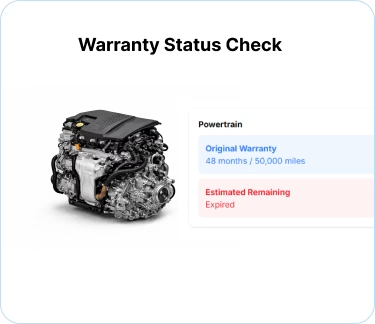
2015 Peterbilt 330 Warranty
Basic
Original warranty
0 months / No data
Estimated remaining
Expired
Powertrain
Original warranty
0 months / No data
Estimated remaining
Expired
Rust
Original warranty
0 months / No data
Estimated remaining
Expired
2015 Peterbilt 330 Insurance
Insurance for a 2015 Peterbilt 330 is moderately priced, reflecting its status as a Truck with strong safety ratings and
reasonable repair costs.
How Does the 2015 Peterbilt 330 Compare to Other Truck?
The 2015 Peterbilt 330 competes in the medium-duty vocational truck segment against formidable rivals like the International 4300/MV Series, Freightliner M2 106, and Hino 195/268. In terms of performance, the Peterbilt 330, typically equipped with PACCAR or Cummins engines, offers robust power and torque well-suited for demanding vocational tasks. It generally matches or exceeds competitors in hauling and towing capabilities within its GVWR class. The International 4300/MV and Freightliner M2 106 also offer competitive powertrain options, with Freightliner often lauded for its agile handling.
When it comes to features, the 2015 Peterbilt 330 prioritizes driver functionality and durability over luxury. Its cab design is straightforward, offering excellent visibility and ergonomic controls for work environments. Competitors like the Freightliner M2 106 might offer a slightly more modern interior design and a wider array of optional comfort features. Hino trucks often emphasize fuel efficiency and a comfortable ride for shorter-haul applications.
Reliability is a cornerstone of the Peterbilt brand. The 330 is renowned for its rugged construction and long service life, often surpassing its competitors in durability under heavy use. While all these trucks require diligent maintenance, Peterbilt's reputation for build quality generally gives it an edge in long-term, trouble-free operation. International and Freightliner are also strong contenders in reliability, though some may find specific components or systems more prone to issues depending on the model year and configuration.
Price is a significant differentiator. The 2015 Peterbilt 330 typically commands a premium price when new and holds its value well on the used market, reflecting its brand prestige and perceived durability. Competitors like the International 4300/MV and Freightliner M2 106 might be more competitively priced, offering a slightly lower entry cost for comparable capabilities. The Hino 195/268 is often positioned as a more budget-friendly option.
Alternatives:
When it comes to features, the 2015 Peterbilt 330 prioritizes driver functionality and durability over luxury. Its cab design is straightforward, offering excellent visibility and ergonomic controls for work environments. Competitors like the Freightliner M2 106 might offer a slightly more modern interior design and a wider array of optional comfort features. Hino trucks often emphasize fuel efficiency and a comfortable ride for shorter-haul applications.
Reliability is a cornerstone of the Peterbilt brand. The 330 is renowned for its rugged construction and long service life, often surpassing its competitors in durability under heavy use. While all these trucks require diligent maintenance, Peterbilt's reputation for build quality generally gives it an edge in long-term, trouble-free operation. International and Freightliner are also strong contenders in reliability, though some may find specific components or systems more prone to issues depending on the model year and configuration.
Price is a significant differentiator. The 2015 Peterbilt 330 typically commands a premium price when new and holds its value well on the used market, reflecting its brand prestige and perceived durability. Competitors like the International 4300/MV and Freightliner M2 106 might be more competitively priced, offering a slightly lower entry cost for comparable capabilities. The Hino 195/268 is often positioned as a more budget-friendly option.
Alternatives:
- Similar: The Freightliner M2 106 is a very close competitor, offering a similar balance of performance, durability, and vocational flexibility, often at a slightly more accessible price point. The International MV Series (successor to the 4300) also presents a strong, reliable alternative.
- Consider if budget is tighter: The Hino 268 or 238 models offer good reliability and fuel efficiency for lighter vocational tasks, often at a lower acquisition cost.
Final Verdict: Is the 2015 Peterbilt 330 a Good Truck?
The 2015 Peterbilt 330 is ideal for small to medium-sized businesses, owner-operators, and municipalities requiring a dependable, rugged medium-duty truck for vocational applications such as utility work, towing, light construction, or delivery services. It is a worthwhile purchase for those who prioritize long-term durability, robust performance, and strong resale value over the latest technological amenities or the lowest initial price. Buying used is often the most practical route, as new models are significantly more expensive. Look for units with a well-documented maintenance history and inspect key components like the engine, transmission, and emissions systems thoroughly. Specific vocational configurations should be chosen based on the intended use, ensuring the chassis and body are appropriate for the task at hand. For those seeking a reliable workhorse that will last for many years with proper care, the 2015 Peterbilt 330 remains a compelling option in the used market.