
by VIN, Year, Make, Model by License Plate

2000 Peterbilt 330 Overview, Reviews, Ratings & Specs

Rating: 0.00
Based on 0 Owner Reviews â–
Eugene S | June 11, 2026
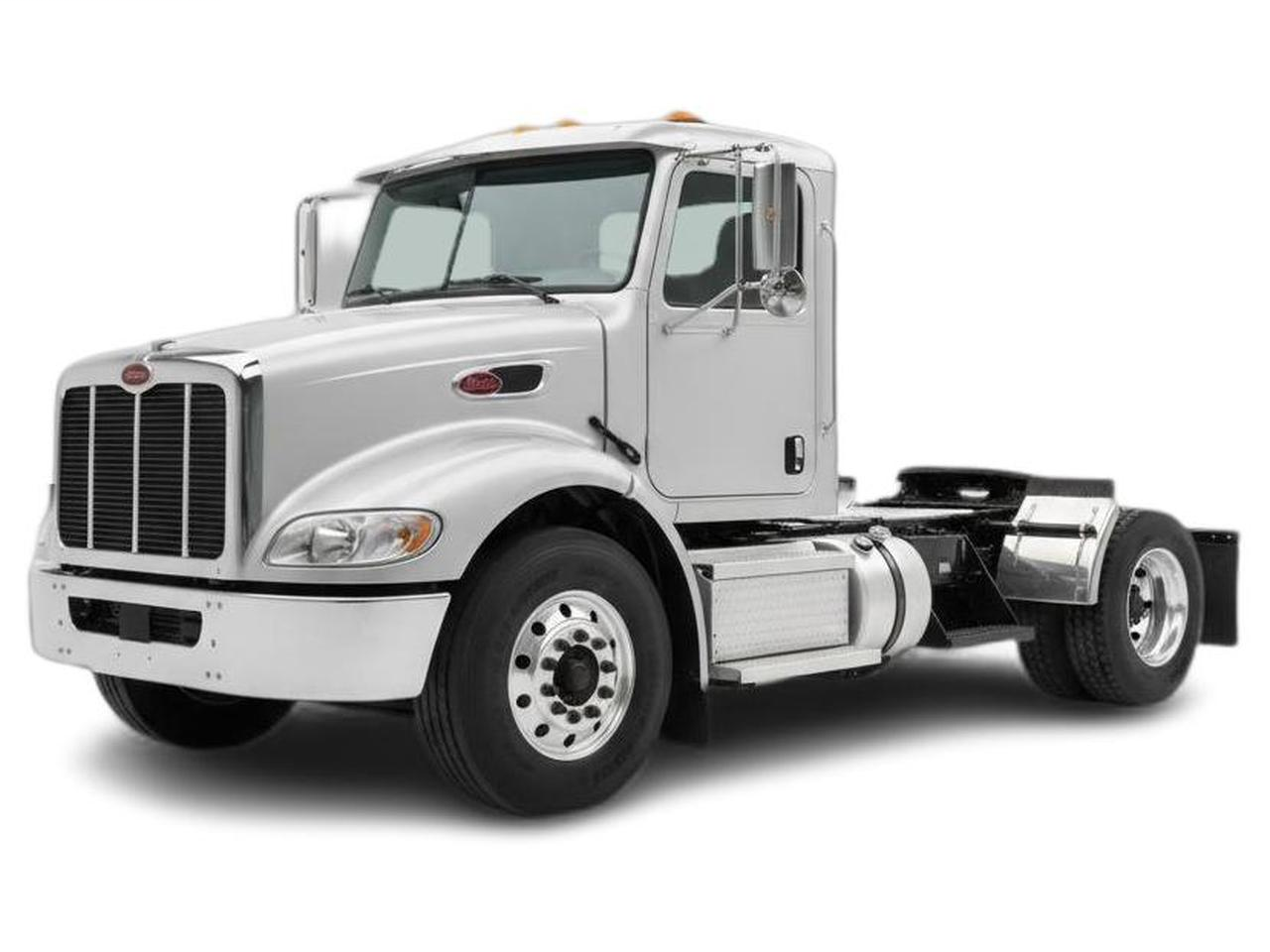
The 2000 Peterbilt 330 is a versatile medium-duty conventional truck, produced from the late 1990s through the early 2000s. Available primarily as a truck chassis, it was popular for vocational applications like construction, delivery, and utility work. Its rugged construction and Peterbilt's reputation for quality made it a sought-after workhorse. Pricing varied significantly based on configuration, but typically ranged from $60,000 to $100,000 when new, depending on options and intended use.
The Good

The 2000 Peterbilt 330 offers robust performance for demanding tasks, legendary Peterbilt reliability, and a surprisingly comfortable cabin for long hauls. Its iconic, durable design appeals to pride of ownership, while its proven value makes it a smart, practical investment for businesses.

The Bad

Potential owners should watch out for wear and tear on older components, especially in high-mileage units. Electrical system issues and suspension problems can arise. Rust, particularly in areas exposed to salt, is another common concern. Thorough pre-purchase inspections are crucial.

2000 Peterbilt 330: Quick Overview

  • Engine Options: The 2000 Peterbilt 330 was typically equipped with Caterpillar C7 or C9 engines, or Cummins ISB or ISC engines.
  • Horsepower: Horsepower ratings generally ranged from 175 hp to 300 hp, depending on the specific engine model and configuration chosen by the original buyer.
  • Fuel Economy: Fuel economy for a medium-duty truck like the Peterbilt 330 is highly variable and depends heavily on engine choice, transmission, load, driving conditions, and terrain. Estimates often fall in the 8-12 miles per gallon range, but this is a broad approximation.
  • 0-60 Times: 0-60 mph times are not a standard metric for commercial trucks of this era and application. Performance is measured by acceleration under load and gradeability rather than sprint times.
  • Towing Capacity: Towing and payload capacities are highly configurable and depend on the specific chassis, axles, suspension, and GVWR (Gross Vehicle Weight Rating) selected. Typical Class 7 applications could range from a Gross Combination Weight Rating (GCWR) of 30,000 lbs up to 50,000 lbs or more for heavier configurations.
  • Trim-Level Features: As a chassis designed for vocational use, "trim levels" were less about luxury amenities and more about functional specifications. Key features included a choice of frame rails for various vocational bodies (e.g., dump bodies, box trucks, service bodies), various axle and suspension configurations, different transmission options (manual and automatic), and a range of driver-focused cabins designed for visibility and ease of operation. Standard features would include power steering, standard gauges, and a robust HVAC system. Optional features could include air brakes, cruise control, and upgraded seating.

2000 Peterbilt 330 Specifications

Vehicle Information
Year 2000
Make Peterbilt
Model 330
Trim -
Style -
Type Truck
Category -
Manufacturing Details
Made In Canada
Manufacturing City MONTREAL
Dimensions
Doors -
Curb Weight -
Gross Vehicle Weight Rating 33000 pounds
Overall Height -
Overall Length -
Overall Width -
Wheelbase Length -
Standard Seating -
Engine & Performance
Engine 7.2L I6
Engine Size 7.2L
Engine Cylinders 6
Transmission -
Transmission Type -
Transmission Speeds -
Drivetrain Rear-Wheel Drive
Additional Features
Anti-Brake System -
Steering Type -
Pricing
Manufacturer Suggested Retail Price (MSRP) -
Invoice Price -
Delivery Charges -

Vehicle History Report

Vehicle
Specifications
Ownership
History
All History
Events
NMVTIS Title
History Check
Salvage/Rebuilt
Check
Accident
Check
Theft
Check
Open Lien
Check
Past Sale
Listings
Safety
Recalls
Odometer
Check
Market Price
Analysis

What Problems Does the 2000 Peterbilt 330 Have?

For a 2000 Peterbilt 330, common concerns often revolve around age-related wear and tear rather than inherent design flaws specific to that model year. However, as with many trucks of this vintage, owners have reported issues related to the electrical system, including wiring harness degradation and sensor failures. The cooling system can also be a point of concern, with radiators, hoses, and water pumps requiring periodic maintenance or replacement. Drivetrain components, such as the transmission and differential, can experience wear over time, especially if subjected to heavy use or inadequate maintenance. Suspension components, including leaf springs, bushings, and shock absorbers, are also susceptible to wear and can lead to a rougher ride or handling issues. Frame corrosion, particularly in regions where roads are salted during winter, is a significant long-term concern that can compromise structural integrity if not addressed promptly. While specific recalls for the 2000 model year are not prominently documented, it is imperative for any prospective buyer to check for any outstanding safety recalls with the manufacturer or the National Highway Traffic Safety Administration (NHTSA). Long-term reliability is largely dependent on the truck's service history, how it was operated, and the diligence of its maintenance. A well-maintained 2000 Peterbilt 330 with a documented service record can still offer excellent reliability, but neglected vehicles are prone to a cascade of issues.

How long will the 2000 Peterbilt 330 last?

The 2000 Peterbilt 330 is built for durability and can achieve significant mileage. With diligent maintenance, including regular oil changes, filter replacements, and fluid checks, these trucks can commonly reach 500,000 to over 1,000,000 miles. Owner data suggests that vehicles used for lighter-duty vocational applications and maintained meticulously can far outlast those used for constant heavy hauling. Weaknesses that emerge over time often include wear on drivetrain components, suspension fatigue, and potential electrical gremlins due to aging wiring. However, the core chassis and engine components, when properly cared for, demonstrate remarkable long-term resilience, making them a viable option for many years of service.

What Technology & Safety Features are Included?

The 2000 Peterbilt 330, being a vocational truck from that era, prioritizes functionality and durability over advanced technology. Built-in tech was primarily focused on essential vehicle operation. Entertainment features were basic, typically consisting of an AM/FM radio and possibly a cassette player. Options might have included a CD player. Driver-assistance features were virtually non-existent by today's standards; modern aids like adaptive cruise control, lane departure warnings, or automatic emergency braking were not available. The focus was on manual driver control and situational awareness. Safety features were standard for the time: seatbelts were mandatory, and the robust construction of the Peterbilt chassis provided a degree of passive safety. Air brakes were a common and crucial safety feature, offering superior stopping power compared to hydraulic brakes. Depending on the configuration and vocational application, features like exterior lighting packages designed for visibility were important. Crash-test ratings for commercial trucks of this type are not typically published in the same way as passenger vehicles. The design emphasis was on structural integrity and driver protection through robust cab construction and the inherent strength of the frame. Optional safety equipment might have included specific lighting configurations for particular job sites or enhanced mirror systems for improved visibility. The technology was straightforward and aimed at the practical demands of commercial operation.

What Colors Options are Available?

✨
We’re working on this section!
In the meantime, feel free to explore the other sections for more content.

2000 Peterbilt 330 Prices and Market Value

When new in 2000, the Peterbilt 330's price varied greatly based on its vocational configuration, engine, and options, but generally ranged from approximately $60,000 to over $100,000. Today, the used market price for a 2000 Peterbilt 330 is highly dependent on its condition, mileage, maintenance history, and specific vocational setup. Expect prices to range from $10,000 to $40,000 or more. These trucks depreciate significantly from their new price, but their resale value is bolstered by Peterbilt's reputation for longevity and the demand for capable medium-duty work trucks. Factors that heavily influence resale include the presence of rust, engine and transmission health, the condition of the body, and the overall upkeep. Well-maintained examples with lower mileage command higher prices.

2000 Peterbilt 330 Cost of Ownership

Owning a 2000 Peterbilt 330 involves significant costs. Insurance premiums can be substantial, reflecting the vehicle's commercial nature and value. Fuel costs are considerable, with diesel prices and relatively lower MPG impacting the bottom line. Maintenance and repair costs are ongoing; while parts are generally available, specialized mechanics may be needed for complex issues. Long-term ownership can be costly due to potential for major component wear (engine, transmission, suspension). While not economical in terms of fuel efficiency compared to lighter vehicles, its durability can make it cost-effective over a very long service life if maintained properly, especially when compared to purchasing multiple newer, less robust trucks.

2000 Peterbilt 330 Fuel Efficiency

Fuel Type Diesel
Fuel Capacity -
City Mileage -
Highway Mileage -

2000 Peterbilt 330 Recalls & Defects

Power Train:automatic Transmission
Recall date 2000-05-05
Recall no. 00v131001
Source NHTSA
Summary Vehicle Description: Heavy Duty Trucks Equipped With Eaton Autoshift GEN II Transmission Assemblies. DUE TO A Software Problem IN THE Transmission Assemblies, THE Transmission Will Select THE Wrong Gear.
Consequence IF AN Inappropriate Gear IS Selected Without THE Driver's Knowledge, THE Vehicle Will React Differently Than Expected, Possibly Resulting IN Injury or Crash.
Remedy Dealers Will Replace THE Autoshift Transmissions. Eaton Performed THE Campaign FOR THE Kenworth Portion. However Peterbilt Will BE Conducting Their OWN Campaign.
Notes Owners WHO Take Their Vehicles TO AN Authorized Dealer ON AN Agreed Upon Service Date and DO NOT Receive THE Free Remedy Within A Reasonable Time Should Contact Paccar AT 1-940-591-4000. Also Contact THE National Highway Traffic Safety Administration's Auto Safety Hotline AT 1-888-dash-2-dot (1-888-327-4236).
Suspension
Recall date 2001-05-17
Recall no. 01v167001
Source NHTSA
Summary Vehicle Description: Heavy Duty Trucks Equipped With Chalmers 1000 Series and 800 Series Suspension Kits. These Suspension Kits MAY Have Insufficient Penetration OF THE Weld Attaching THE Torque ROD EYE TO THE Torque ROD Tube.
Consequence Failure OF THE Weld Could Result IN Separation OF THE EYE and Tube, Causing A Lock OF Axle Retention, Which Could Result IN Loss OF Vehicle Control.
Remedy Dealers Will Replace All Chalmers Fixed Torque Rods ON These Vehicles. Owner Notification Began July 27, 2001. Owners WHO Take Their Vehicles TO AN Authorized Dealer ON AN Agreed Upon Service Date and DO NOT Receive THE Free Remedy Within A Reasonable Time Should Contact Peterbilt AT 1-940-591-4000 or Kenworth AT 1-425-828-5000.
Notes Also Contact THE National Highway Traffic Safety Administration's Auto Safety Hotline AT 1-888-Dash-2-dot (1-888-327-4236).
Latches/Locks/Linkages:doors:latch
Recall date 2001-06-05
Recall no. 01v179000
Source NHTSA
Summary Vehicle Description: Heavy Duty Trucks. A Change IN THE Internal Linkage OF Certain Cab Doors HAS Created A Possible Binding Condition.
Consequence IF THE Linkage Binds, Full Engagement OF THE Door Latch MAY NOT Occur, Allowing THE Door TO Open Inadvertently.
Remedy Dealers Will Modify THE Door Linkage TO Correct THE Potential OF Binding. Owner Notification Began June 22, 2001. Owners WHO Take Their Vehicles TO AN Authorized Dealer ON AN Agreed Upon Service Date and DO NOT Receive THE Free Remedy Within A Reasonable Time Should Contact Peterbilt AT 1-940-591-4000.
Notes Also Contact THE National Highway Traffic Safety Administration's Auto Safety Hotline AT 1-888-Dash-2-dot (1-888-327-4236).
Seat Belts:front:anchorage
Recall date 2001-02-22
Recall no. 01v054000
Source NHTSA
Summary Vehicle Description: Class 7 and Class 8 Vehicles. These Vehicles DO NOT Comply With THE Requirements OF Fmvss NO. 207, "seating System," and NO. 210, "seat Belt Assembly Anchorages." Some Fasteners Used TO Attach THE Shoulder Belt Anchor Bracket TO THE Cab Structure Were Omitted During Production.
Consequence IN THE Event OF A Crash, THE Shoulder Belt Anchorage MAY NOT Properly Restrain THE Seat Occupant, Increasing THE Risk OF Personal Injury.
Remedy Dealers Will ADD THE Necessary Fasteners. Owner Notification Began March 19, 2001. Owners WHO Take Their Vehicles TO AN Authorized Dealer ON AN Agreed Upon Service Date and DO NOT Receive THE Free Remedy Within A Reasonable Time Should Contact Peterbilt AT 1-940-591-4000.
Notes Also Contact THE National Highway Traffic Safety Administration's Auto Safety Hotline AT 1-888-Dash-2-dot (1-888-327-4236).
Steering:linkages:tie ROD Assembly
Recall date 2001-08-28
Recall no. 01v140006
Source NHTSA
Summary Vehicle Description: Heavy Duty Trucks Equipped With TRW TIE ROD Ends ON Certain Meritor Axles. THE TIE ROD and Drag Link Ball Stud Ends Contain Bearings That ARE Below THE Specified Case Depth And/Or Hardness.
Consequence This CAN Lead TO Premature Wear With Possible Separation OF THE Ball Stud From THE Socket, Increasing THE Risk OF Loss OF Control OF THE Vehicle.
Remedy Dealers Will Remove and Replace All Affected TIE Rods and Drag Links With Different Designed Ends. Owner Notification Began October 24, 2001. Owners WHO Take Their Vehicles TO AN Authorized Dealer ON AN Agreed Upon Service Date and DO NOT Receive THE Free Remedy Within A Reasonable Time Should Contact Peterbilt AT 1-940-591-4000 or Kenworth AT 1-425-828-5000.
Notes Also Contact THE National Highway Traffic Safety Administration's Auto Safety Hotline AT 1-888-Dash-2-dot (1-888-327-4236).
Steering:linkages:tie ROD Assembly
Recall date 2002-07-15
Recall no. 02v037003
Source NHTSA
Summary Heavy Duty Trucks Equipped With TRW TIE ROD Ends ON Certain Arvinmeritor and Dana Axles. Peterbilt Will Recall 1,434 Vehicles Equipped With Arvinmeritor Axles Manufactured From December 11, 1999, TO MAY 14, 2000, and From July 22 TO September 30, 2000. Kenworth Will Recall 859 Vehicles Equipped With Arvinmeritor Vehicles Manufactured From December 11, 1999, TO MAY 23, 2000, and From July 27, 2000, TO September 30, 2000 and Kennworth Will Recall AN Additional 4,151 Vehicles Equipped With Dana Axles and Manufactured From June 23 TO December 6, 1999, and From MAY 23 TO September 30, 2000. THE TIE ROD and Drag Link Ball Stud Ends Contain Bearings That ARE Below THE Specified Case Depth And/Or Hardness.
Consequence This CAN Lead TO Premature Wear With Possible Separation OF THE Ball Stud From THE Socket, Increasing THE Risk OF Loss OF Control OF THE Vehicle.
Remedy Dealers Will Remove and Replace All Affected TIE Rods and Drag Links With Different Designed Ends. Owner Notification Began July 15, 2002. Owners WHO Take Their Vehicles TO AN Authorized Dealer ON AN Agreed Upon Service Date and DO NOT Receive THE Free Remedy Within A Reasonable Time Should Contact Peterbilt AT 1-940-591-4201 or Kenworth AT 1-425-828-5440.
Notes Also Contact THE National Highway Traffic Safety Administration's Auto Safety Hotline AT 1-888-Dash-2-dot (1-888-327-4236).

2000 Peterbilt 330 Warranty

Basic
Original warranty 0 months / No data
Estimated remaining Expired
Powertrain
Original warranty 0 months / No data
Estimated remaining Expired
Rust
Original warranty 0 months / No data
Estimated remaining Expired

2000 Peterbilt 330 Insurance

Insurance for a 2000 Peterbilt 330 is moderately priced, reflecting its status as a Truck with strong safety ratings and
reasonable repair costs.

How Does the 2000 Peterbilt 330 Compare to Other Truck?

The 2000 Peterbilt 330 competed in the medium-duty vocational truck market against formidable rivals such as the International 4300, Freightliner M2, and Sterling Acterra. In terms of performance, Peterbilt typically offered robust powertrains comparable to its competitors, with similar Caterpillar and Cummins engine options providing ample power for vocational tasks. Reliability is where Peterbilt often distinguished itself; its reputation for building durable, long-lasting trucks was a significant advantage, often perceived as more robust than some competitors, particularly in challenging work environments. Features in this class were generally utilitarian, focusing on driver comfort and operational efficiency rather than luxury. All these trucks offered configurable chassis for various body types. Price-wise, Peterbilt trucks often carried a premium when new due to their perceived quality and brand prestige, and this often translated to higher used prices as well. However, the higher initial cost was frequently justified by longer service life and lower total cost of ownership over many years.
Alternatives that are similar in capability and ruggedness include the Freightliner M2 series and International 4300 models from the same era. For those prioritizing a slightly more modern interior or potentially better fuel efficiency from specific engine options, a Freightliner M2 might be considered. However, for sheer build quality and enduring toughness, the Peterbilt 330 remains a strong contender. If a newer, more technologically advanced vocational truck is desired, one might look at models from the mid-to-late 2000s or newer, but these would come at a significantly higher price point.

Final Verdict: Is the 2000 Peterbilt 330 a Good Truck?

The 2000 Peterbilt 330 is ideal for small to medium-sized businesses and owner-operators who require a tough, reliable vocational truck for demanding applications like construction, delivery, or specialized services, and who prioritize longevity over modern amenities. It is absolutely worth buying, especially on the used market, provided it has a well-documented maintenance history and has been inspected thoroughly for rust and major component wear. Buying used is the only realistic option now. Look for trucks that have been used for lighter vocational duties or as chassis for specific upfits. Trims are less important than the overall condition and the specific powertrain and chassis configuration suited to your needs.

2000 Peterbilt 330 Owner Reviews

0.00
Consumer Rating, Based on 0 Consumer Reviews
Overall rating
Cancel
Thank You for Your Review!

We truly appreciate the time and effort you took to share your experience with us.

Uh oh!

Something went wrong, please try again later.

Author Image
Eugene S

Eugene is an automotive enthusiast with over 15 years of experience in the used car market. As a writer at VINCheck.info, he brings deep industry insight and a passion for cars, helping readers make smart, informed decisions. Eugene has written hundreds of used car reviews and is known for breaking down complex automotive topics into clear, actionable advice. Over the years, he has driven and worked on a wide range of vehicles—starting with tuning street cars in his early days and eventually focusing on performance upgrades and reliability improvements. Today, he specializes in evaluating used vehicles through the lens of real-world ownership and enthusiast needs. A longtime fan of Porsche, Eugene especially appreciates vehicles that blend durability with driving enjoyment.
