The 1993 Ford Escort, part of the seventh generation (1991-1996), was a popular compact car offered as a sedan, hatchback, and wagon. Key trims included the LX, GL, and the sportier GT. With an original pricing range typically between $11,000 and $15,000, its popularity stemmed from its affordability, fuel efficiency, and practical nature, making it a common choice for first-time car buyers and families seeking an economical mode of transportation.
The Good
The 1993 Ford Escort offered appealing fuel efficiency and a low purchase price, making it a practical choice. Its straightforward design and decent reliability provided peace of mind, while its compact size made it easy to maneuver, appealing to budget-conscious and sensible buyers.

The Bad
Potential buyers of the 1993 Ford Escort should be aware of common issues such as premature rust, particularly around wheel wells and rocker panels. Transmission problems, especially with automatic units, and electrical gremlins can also surface. Engine performance is generally modest.

1993 Ford Escort: Quick Overview
- Engine Options: The 1993 Ford Escort primarily offered two engine choices: a 1.8-liter 16-valve inline-four cylinder engine and a 1.9-liter inline-four cylinder engine.
- Horsepower: The 1.8-liter engine typically produced around 127 horsepower, while the 1.9-liter engine offered approximately 88 horsepower. The GT model, with the 1.8L engine, was designed for slightly more spirited performance.
- Fuel Economy: Fuel economy was a strong suit for the Escort. Depending on the engine and transmission, manual transmissions generally offered better mileage. Expect combined EPA estimates to be in the range of 25-30 MPG, with highway figures potentially reaching into the mid-30s.
- 0-60 Times: Official 0-60 mph times were not a highlight for the Escort, especially with the less powerful engine. Models equipped with the 1.9L engine could take upwards of 12-14 seconds to reach 60 mph. The GT model with the 1.8L engine would be quicker, likely in the 9-11 second range, but still not considered sporty by today's standards.
- Towing Capacity: The Ford Escort was not designed for towing. It did not have a specified towing capacity, and towing would be beyond its intended use and capabilities.
- Trim-Level Features:
LX: Typically included power steering, power brakes, intermittent wipers, and a basic AM/FM stereo. Optional features might include air conditioning and a cassette player.
GL: Added features over the LX, such as a tachometer, a more premium interior trim, and potentially power windows and locks as options.
GT: Positioned as the sportier model, the GT often came standard with the more powerful engine, sport suspension, unique exterior styling elements (like alloy wheels and body side moldings), and a more driver-focused interior. Optional features could include a sunroof and upgraded audio systems.
1993 Ford Escort Specifications
Vehicle Information
| Year | 1993 |
| Make | Ford |
| Model | Escort |
| Trim | - |
| Style | - |
| Type | Sedan |
| Category | Compact Car |
Manufacturing Details
| Made In | Mexico |
| Manufacturing City | HERMOSILLO |
Dimensions
| Doors | 4-Door |
| Curb Weight | - |
| Gross Vehicle Weight Rating | - |
| Overall Height | - |
| Overall Length | - |
| Overall Width | - |
| Wheelbase Length | - |
| Standard Seating | - |
Engine & Performance
| Engine | 3.0L V6 |
| Engine Size | 3L |
| Engine Cylinders | 6 |
| Transmission | - |
| Transmission Type | - |
| Transmission Speeds | - |
| Drivetrain | Front-Wheel Drive |
Additional Features
| Anti-Brake System | - |
| Steering Type | - |
Pricing
| Manufacturer Suggested Retail Price (MSRP) | - |
| Invoice Price | - |
| Delivery Charges | - |
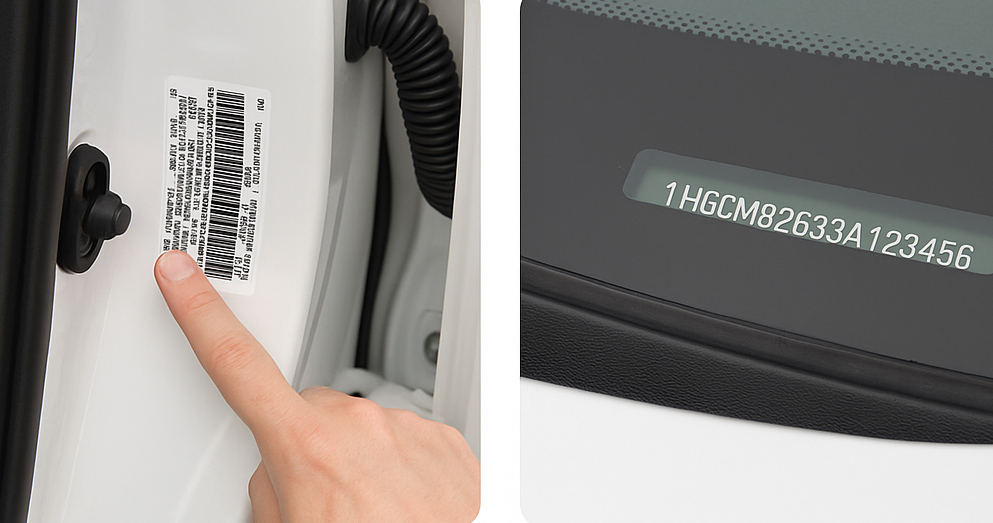
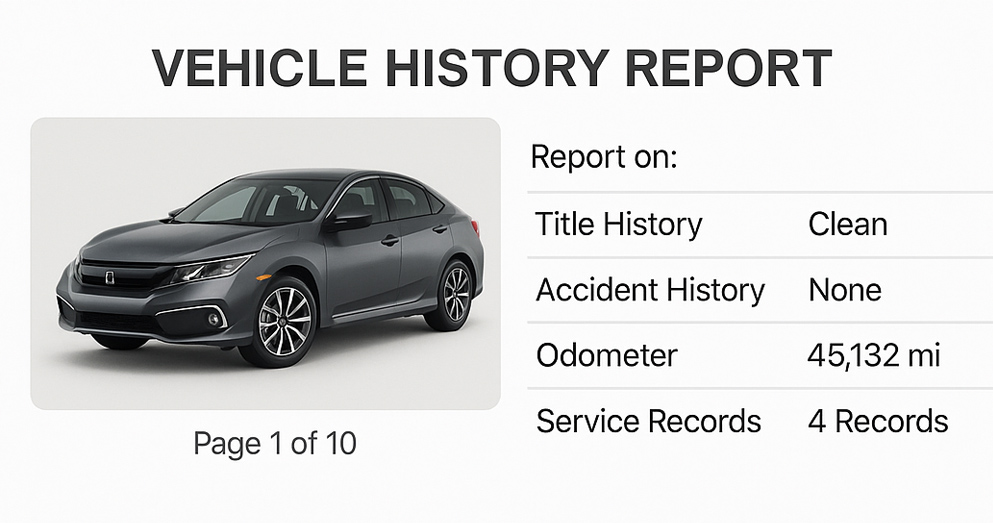
Vehicle History Report
Vehicle
Specifications
Specifications
Ownership
History
History
All History
Events
Events
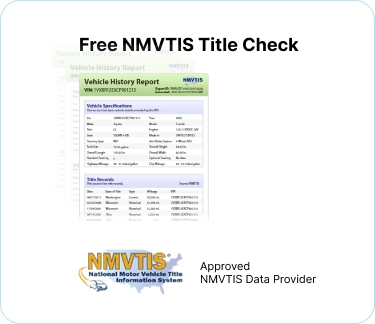
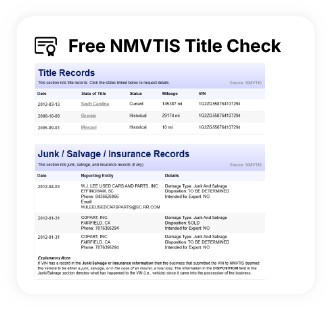
NMVTIS Title
History Check
History Check
Salvage/Rebuilt
Check
Check
Accident
Check
Check
Theft
Check
Check
Open Lien
Check
Check
Past Sale
Listings
Listings
Safety
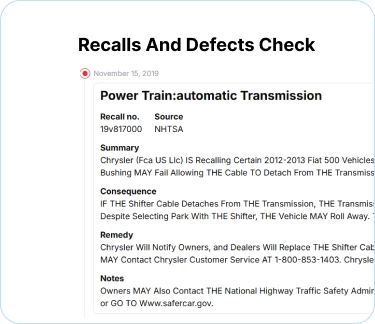
Recalls
Recalls
Odometer
Check
Check
Market Price
Analysis
Analysis
What Problems Does the 1993 Ford Escort Have?
The 1993 Ford Escort, like many vehicles of its era, had its share of common issues and long-term reliability concerns. One of the most frequently reported problems, particularly in areas with road salt, is rust. Corrosion often attacks the fenders, rocker panels, and wheel wells, compromising structural integrity.
The automatic transmissions in some Escorts have been known to be problematic, with reports of premature failure or slipping gears. Regular maintenance, including transmission fluid changes, is crucial to mitigate this.
Electrical issues are another area to watch for. Problems with the power windows, door locks, and the instrument cluster can occur. Sometimes these are related to faulty switches or wiring harnesses. The cooling system can also develop leaks over time, particularly at the radiator or hoses, leading to overheating if not addressed promptly.
Engine performance might decline with age, often due to clogged fuel injectors or aging spark plugs and wires. Misfires and rough idling could be indicative of these issues. While specific recalls for the 1993 model year are not extensive, it is always advisable to check with the NHTSA for any outstanding safety recalls pertaining to the vehicle.
In terms of model year specific issues, the seventh generation Escort (which includes 1993) generally shared many of these characteristics. Later years within this generation might have seen some minor improvements, but the core design and its associated potential problems remained consistent. Owners who have meticulously maintained their Escorts, addressing minor issues before they become major, tend to experience better long-term reliability than those who neglected maintenance.
The automatic transmissions in some Escorts have been known to be problematic, with reports of premature failure or slipping gears. Regular maintenance, including transmission fluid changes, is crucial to mitigate this.
Electrical issues are another area to watch for. Problems with the power windows, door locks, and the instrument cluster can occur. Sometimes these are related to faulty switches or wiring harnesses. The cooling system can also develop leaks over time, particularly at the radiator or hoses, leading to overheating if not addressed promptly.
Engine performance might decline with age, often due to clogged fuel injectors or aging spark plugs and wires. Misfires and rough idling could be indicative of these issues. While specific recalls for the 1993 model year are not extensive, it is always advisable to check with the NHTSA for any outstanding safety recalls pertaining to the vehicle.
In terms of model year specific issues, the seventh generation Escort (which includes 1993) generally shared many of these characteristics. Later years within this generation might have seen some minor improvements, but the core design and its associated potential problems remained consistent. Owners who have meticulously maintained their Escorts, addressing minor issues before they become major, tend to experience better long-term reliability than those who neglected maintenance.
How long will the 1993 Ford Escort last?
Based on owner data and typical maintenance habits for a 1993 Ford Escort, one can expect it to last between 150,000 to 200,000 miles if well-maintained. This longevity is dependent on consistent oil changes, addressing minor mechanical issues promptly, and protecting it from harsh environmental conditions, especially road salt, which exacerbates rust.
The long-term durability is primarily challenged by its susceptibility to rust and the potential for transmission issues. However, the powertrain itself, particularly the engines, can be quite robust if cared for. With regular servicing and proactive rust prevention, an Escort can provide reliable service for many years, proving to be a surprisingly durable car for its class and price point.
What Technology & Safety Features are Included?
The 1993 Ford Escort was a product of its time, meaning its technological offerings were relatively basic.
Entertainment: Standard entertainment typically consisted of an AM/FM radio. A cassette player was a common upgrade and often integrated with the radio unit. Higher trim levels or optional packages might have included a more advanced stereo system with additional speakers, but advanced features like CD players were rare for this model year and trim.
Driver-Assistance Features: Driver-assistance technologies as we know them today were virtually non-existent in the 1993 Escort. Features like cruise control were available as options on some trims, but these were simple mechanical or vacuum-operated systems, not sophisticated electronic aids.
Safety Features: Standard safety features included front and rear seat belts. For 1993, airbags were not standard across the board; they were an optional feature on some higher trims, typically for the driver. Anti-lock Braking System (ABS) was also an optional feature, most commonly found on higher-spec models. The car featured a steel unibody construction, which was standard for the era, providing a basic level of structural protection.
Optional Features: Beyond the stereo and airbags/ABS, common optional features included air conditioning, power windows, power door locks, and a tilt steering wheel, depending on the trim level. A rear window defroster was also a common option, particularly on sedans and wagons.
Crash-Test Ratings: Specific crash-test ratings for the 1993 Ford Escort from organizations like the NHTSA or IIHS are not readily available or may be outdated by modern standards. However, vehicles of this era generally performed less favorably in frontal and side-impact tests compared to contemporary vehicles. It's advisable to consult historical safety data if available, but expectations for crashworthiness should be tempered by the automotive safety standards of the early 1990s.
Entertainment: Standard entertainment typically consisted of an AM/FM radio. A cassette player was a common upgrade and often integrated with the radio unit. Higher trim levels or optional packages might have included a more advanced stereo system with additional speakers, but advanced features like CD players were rare for this model year and trim.
Driver-Assistance Features: Driver-assistance technologies as we know them today were virtually non-existent in the 1993 Escort. Features like cruise control were available as options on some trims, but these were simple mechanical or vacuum-operated systems, not sophisticated electronic aids.
Safety Features: Standard safety features included front and rear seat belts. For 1993, airbags were not standard across the board; they were an optional feature on some higher trims, typically for the driver. Anti-lock Braking System (ABS) was also an optional feature, most commonly found on higher-spec models. The car featured a steel unibody construction, which was standard for the era, providing a basic level of structural protection.
Optional Features: Beyond the stereo and airbags/ABS, common optional features included air conditioning, power windows, power door locks, and a tilt steering wheel, depending on the trim level. A rear window defroster was also a common option, particularly on sedans and wagons.
Crash-Test Ratings: Specific crash-test ratings for the 1993 Ford Escort from organizations like the NHTSA or IIHS are not readily available or may be outdated by modern standards. However, vehicles of this era generally performed less favorably in frontal and side-impact tests compared to contemporary vehicles. It's advisable to consult historical safety data if available, but expectations for crashworthiness should be tempered by the automotive safety standards of the early 1990s.
What Colors Options are Available?
1993 Ford Escort Prices and Market Value
When new, the 1993 Ford Escort had an approximate price range of $11,000 to $15,000, depending heavily on the trim level and optional features. As a mass-market compact car, it experienced significant depreciation from its original MSRP.
Currently, used market prices for a 1993 Ford Escort are generally very low, often ranging from $1,000 to $4,000 for models in decent condition. Well-maintained examples, especially rarer trims like the GT, or those with exceptionally low mileage, might fetch slightly more. Factors affecting resale value include the car's overall condition, mileage, presence of rust, maintenance history, and the functionality of key components like the transmission and engine. Due to its age and typical wear and tear, finding a pristine example is rare, and most Escorts are purchased for their basic transportation utility rather than their investment potential.
1993 Ford Escort Cost of Ownership
The 1993 Ford Escort is exceptionally economical to own. Insurance premiums are typically very low due to its age, market value, and basic safety features. Fuel costs are also modest, thanks to its good fuel economy. Routine maintenance, such as oil changes and tire rotations, is inexpensive. Repair costs are generally manageable, as parts are widely available and mechanics are familiar with the vehicle. While some repairs, like transmission work, can be costly, the overall long-term ownership cost remains low. It is undeniably an economical choice for budget-conscious individuals.
1993 Ford Escort Fuel Efficiency
Fuel Type
Flex-Fuel
Fuel Capacity
-
City Mileage
-
Highway Mileage
-
1993 Ford Escort Safety Rating
NHTSA
1993 Ford Escort Insurance
Insurance for a 1993 Ford Escort is moderately priced, reflecting its status as a Sedan with strong safety ratings and
reasonable repair costs.
How Does the 1993 Ford Escort Compare to Other Sedan?
The 1993 Ford Escort competed in the highly contested compact car segment against rivals like the Honda Civic, Toyota Corolla, Nissan Sentra, and Chevrolet Cavalier.
Performance: The Escort's performance was generally considered average, with its base engines offering adequate power for city driving but feeling strained on the highway. The GT model provided a sportier feel, but still lagged behind more performance-oriented rivals or dedicated sport compacts. The Honda Civic and Toyota Corolla often offered a more refined driving experience and slightly more responsive engines across their lineups.
Features: In terms of features, the Escort was competitive for its price point, offering a range of common amenities like power steering and AM/FM radios. However, rivals like the Civic and Corolla sometimes offered slightly more sophisticated optional features or a more modern interior feel. The Cavalier was often priced aggressively, making it a strong competitor on cost alone.
Reliability: While the Escort offered acceptable reliability for its era, the Honda Civic and Toyota Corolla were generally lauded for their superior long-term reliability and durability, often requiring fewer repairs over their lifespan. Nissan Sentras were also known for being solid, dependable cars. The Escort's main weaknesses, rust and potential transmission issues, were less prevalent in its Japanese counterparts.
Price: The Ford Escort was typically priced competitively, making it an attractive option for budget-minded buyers. However, rivals often held their value better and offered a stronger reputation for long-term ownership satisfaction.
Alternatives:
For buyers prioritizing reliability and refinement, the Honda Civic and Toyota Corolla are excellent alternatives. They generally offer better build quality, more durable powertrains, and often a more engaging driving experience.
The Nissan Sentra is another strong contender, often praised for its solid engineering and dependable nature.
If budget is the absolute primary concern, the Chevrolet Cavalier was a similarly priced competitor, though its build quality and refinement might be slightly lower.
Overall, while the 1993 Ford Escort was a practical and affordable choice, its rivals often surpassed it in areas of performance refinement and long-term dependability.
Performance: The Escort's performance was generally considered average, with its base engines offering adequate power for city driving but feeling strained on the highway. The GT model provided a sportier feel, but still lagged behind more performance-oriented rivals or dedicated sport compacts. The Honda Civic and Toyota Corolla often offered a more refined driving experience and slightly more responsive engines across their lineups.
Features: In terms of features, the Escort was competitive for its price point, offering a range of common amenities like power steering and AM/FM radios. However, rivals like the Civic and Corolla sometimes offered slightly more sophisticated optional features or a more modern interior feel. The Cavalier was often priced aggressively, making it a strong competitor on cost alone.
Reliability: While the Escort offered acceptable reliability for its era, the Honda Civic and Toyota Corolla were generally lauded for their superior long-term reliability and durability, often requiring fewer repairs over their lifespan. Nissan Sentras were also known for being solid, dependable cars. The Escort's main weaknesses, rust and potential transmission issues, were less prevalent in its Japanese counterparts.
Price: The Ford Escort was typically priced competitively, making it an attractive option for budget-minded buyers. However, rivals often held their value better and offered a stronger reputation for long-term ownership satisfaction.
Alternatives:
For buyers prioritizing reliability and refinement, the Honda Civic and Toyota Corolla are excellent alternatives. They generally offer better build quality, more durable powertrains, and often a more engaging driving experience.
The Nissan Sentra is another strong contender, often praised for its solid engineering and dependable nature.
If budget is the absolute primary concern, the Chevrolet Cavalier was a similarly priced competitor, though its build quality and refinement might be slightly lower.
Overall, while the 1993 Ford Escort was a practical and affordable choice, its rivals often surpassed it in areas of performance refinement and long-term dependability.
Final Verdict: Is the 1993 Ford Escort a Good Sedan?
The 1993 Ford Escort is ideally suited for budget-conscious individuals or first-time car buyers looking for basic, economical transportation. It excels as a secondary vehicle for short commutes or as a learner's car where minimizing initial and running costs is paramount.
Whether it's worth buying hinges heavily on its condition. A well-maintained example with low mileage and minimal rust could be a good deal. However, given its age and common issues, it's crucial to inspect thoroughly for rust, especially around the frame and wheel wells, and to have the transmission checked.
Purchasing used is the only option. The LX and GL trims offer standard practicality, while the GT trim might appeal to those seeking slightly more spirited driving, though still not a performance car. Ultimately, it's worth buying if found in excellent condition for a very low price, and the buyer understands its limitations and potential repair needs.
Whether it's worth buying hinges heavily on its condition. A well-maintained example with low mileage and minimal rust could be a good deal. However, given its age and common issues, it's crucial to inspect thoroughly for rust, especially around the frame and wheel wells, and to have the transmission checked.
Purchasing used is the only option. The LX and GL trims offer standard practicality, while the GT trim might appeal to those seeking slightly more spirited driving, though still not a performance car. Ultimately, it's worth buying if found in excellent condition for a very low price, and the buyer understands its limitations and potential repair needs.