The 1996 GMC Savana is a full-size passenger and cargo van that debuted in 1996, replacing the GMC Vandura. Known for its robust construction and spacious interior, it offered a versatile platform for families, businesses, and custom conversions. Key trims typically included base models and higher-spec versions catering to passenger comfort. Its popularity stems from its utilitarian design, wide range of configurations, and the ability to serve as a workhorse or a personalized mobile space.

The Good
The 1996 Savana offers ample space for cargo or passengers, robust V8 engine options for dependable power, and a generally durable chassis. Its straightforward design contributes to ease of maintenance. For practical buyers, it's a workhorse; for emotional buyers, it's a blank canvas for adventure or family hauling.
The Bad
Common weaknesses include potential rust on the body, especially around wheel wells and rocker panels. Transmission issues can arise with higher mileage, and some older models may experience electrical gremlins. Fuel economy is not a strong suit, particularly with V8 engines.
1996 GMC Savana: Quick Overview
- Engine Options: The 1996 GMC Savana was available with several engine choices, primarily V8 configurations, to provide ample power for its size and intended uses.
- 4.3L V6 (often referred to as the Vortec 4300): This was a common and generally reliable engine offering a good balance of power and relative efficiency for a van.
- 5.0L V8: A step up in power, providing more robust performance for heavier loads or towing.
- 5.7L V8: The larger displacement V8 offered the most power and torque, ideal for demanding tasks.
- 7.4L V8 (less common in passenger versions, more prevalent in heavy-duty cargo variants): The largest engine option, delivering maximum towing and hauling capability.
- 4.3L V6 (often referred to as the Vortec 4300): This was a common and generally reliable engine offering a good balance of power and relative efficiency for a van.
- Horsepower:
- 4.3L V6: Approximately 180-200 horsepower.
- 5.0L V8: Around 200-220 horsepower.
- 5.7L V8: Typically in the range of 250-260 horsepower.
- 7.4L V8: Around 290-300 horsepower.
- 4.3L V6: Approximately 180-200 horsepower.
- Fuel Economy:
- Given its size and engine options, fuel economy was not a primary strength. Expect figures in the range of 10-15 MPG city and 13-18 MPG highway, varying significantly with engine, drivetrain (RWD/AWD), and load.
- 0-60 Times:
- These figures were not officially advertised and are highly dependent on the specific engine, configuration, and load. Generally, expect 0-60 times to be in the 9-12 second range for most configurations, with heavier loads or smaller engines taking longer.
- Towing Capacity:
- The Savana, especially with V8 engines and appropriate towing packages, offered substantial towing capabilities. Depending on the configuration, towing capacities could range from around 5,000 lbs to upwards of 10,000 lbs for heavy-duty models.
- Trim-Level Features:
- Base/Work Van: Focused on utility with minimal creature comforts. Often featured vinyl seating, rubber floor mats, basic radio, and essential safety features.
- Passenger Van (LS/LT): Offered more amenities for passenger comfort. This could include cloth upholstery, air conditioning, power windows and locks (often optional), upgraded audio systems, rear climate control, and more comfortable seating configurations.
- Custom/Conversion Van: These were often aftermarket or specialized trims offering luxury features like plush seating, entertainment systems, wood trim, and enhanced interior lighting.
- Base/Work Van: Focused on utility with minimal creature comforts. Often featured vinyl seating, rubber floor mats, basic radio, and essential safety features.
1996 GMC Savana Specifications
Vehicle Information
| Year | 1996 |
| Make | GMC |
| Model | Savana |
| Trim | - |
| Style | - |
| Type | Van |
| Category | Passenger Van |
Manufacturing Details
| Made In | United States |
| Manufacturing City | WENTZVILLE |
Dimensions
| Doors | 3-Door |
| Curb Weight | - |
| Gross Vehicle Weight Rating | 9000 pounds |
| Overall Height | - |
| Overall Length | - |
| Overall Width | - |
| Wheelbase Length | - |
| Standard Seating | - |
Engine & Performance
| Engine | 5.7 8 |
| Engine Size | 5.7L |
| Engine Cylinders | 8 |
| Transmission | - |
| Transmission Type | Automatic |
| Transmission Speeds | - |
| Drivetrain | Rear-Wheel Drive |
Additional Features
| Anti-Brake System | - |
| Steering Type | - |
Pricing
| Manufacturer Suggested Retail Price (MSRP) | - |
| Invoice Price | - |
| Delivery Charges | - |
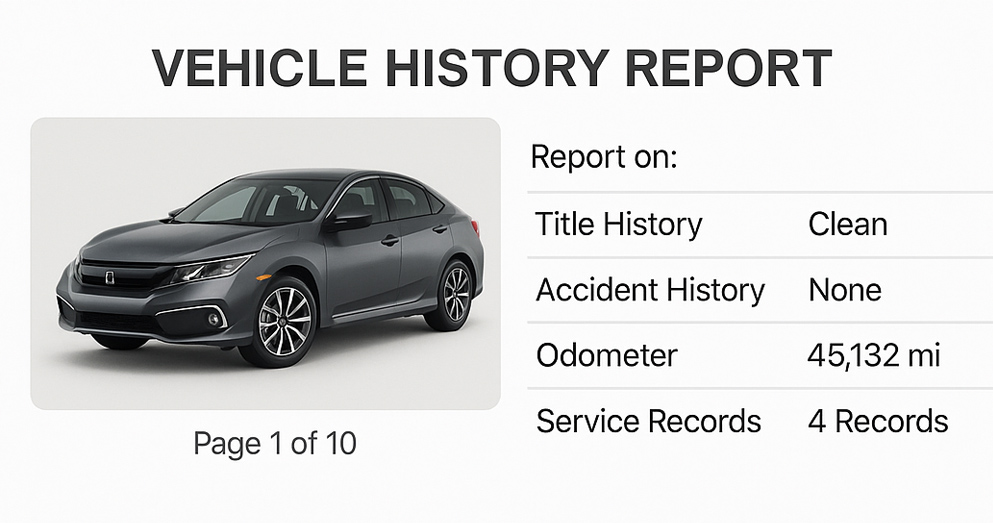
Vehicle History Report
Vehicle
Specifications
Specifications
Ownership
History
History
All History
Events
Events
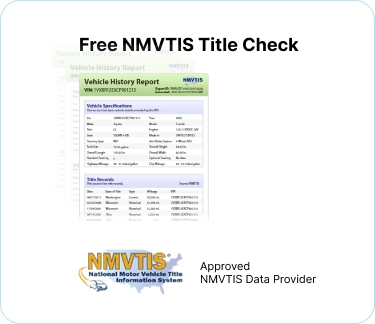
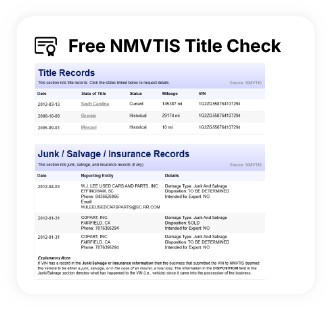
NMVTIS Title
History Check
History Check
Salvage/Rebuilt
Check
Check
Accident
Check
Check
Theft
Check
Check
Open Lien
Check
Check
Past Sale
Listings
Listings
Safety
Recalls
Recalls
Odometer
Check
Check
Market Price
Analysis
Analysis
What Problems Does the 1996 GMC Savana Have?
The 1996 GMC Savana, as one of the first model years of its generation, can exhibit some common issues associated with early production runs and the age of the vehicle. One of the most frequently reported concerns across this era of GM vans is related to the transmission. Issues such as slipping, harsh shifting, or outright failure can occur, particularly with higher mileage vehicles. While not specific to the 1996 model year, the 4L60-E transmission used in many Savanas is known to require regular fluid changes and can eventually wear out.
Another area of concern, common to many body-on-frame vehicles of this vintage, is rust. The Savana is susceptible to corrosion, especially in regions where road salt is used during winter. Areas to inspect carefully include the rocker panels, wheel arches, frame rails, and the floor pans. Significant rust can compromise structural integrity and lead to costly repairs.
Engine performance can sometimes be affected by issues like vacuum leaks, which can lead to rough idling, poor acceleration, and decreased fuel efficiency. The Vortec engines, while generally robust, can develop these issues over time. Ignition system components, such as spark plugs and wires, may also require regular replacement.
Electrical gremlins are not uncommon in older vehicles, and the 1996 Savana can be prone to them. This might manifest as intermittent issues with power windows, door locks, dashboard lights, or the audio system. Diagnosing and repairing these can sometimes be challenging.
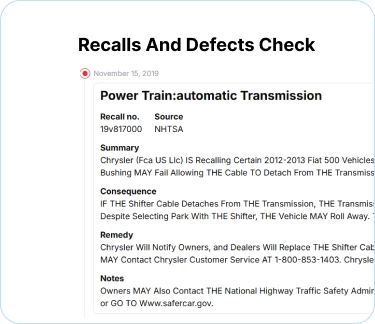
Regarding recalls, it is essential to check the National Highway Traffic Safety Administration (NHTSA) database for any specific recalls issued for the 1996 model year. While major widespread recalls directly impacting the 1996 model year extensively are not as commonly cited as issues with later models, any safety-related defects would have been addressed through recalls. Owners should always verify if their specific vehicle has had all applicable recalls performed.
Long-term reliability generally depends heavily on maintenance. Vehicles that have been regularly serviced, particularly with transmission fluid and filter changes, and had rust issues addressed promptly, tend to fare better. However, as with any vehicle approaching 30 years old, expect that some components will have reached the end of their service life and will require replacement.
Another area of concern, common to many body-on-frame vehicles of this vintage, is rust. The Savana is susceptible to corrosion, especially in regions where road salt is used during winter. Areas to inspect carefully include the rocker panels, wheel arches, frame rails, and the floor pans. Significant rust can compromise structural integrity and lead to costly repairs.
Engine performance can sometimes be affected by issues like vacuum leaks, which can lead to rough idling, poor acceleration, and decreased fuel efficiency. The Vortec engines, while generally robust, can develop these issues over time. Ignition system components, such as spark plugs and wires, may also require regular replacement.
Electrical gremlins are not uncommon in older vehicles, and the 1996 Savana can be prone to them. This might manifest as intermittent issues with power windows, door locks, dashboard lights, or the audio system. Diagnosing and repairing these can sometimes be challenging.
Regarding recalls, it is essential to check the National Highway Traffic Safety Administration (NHTSA) database for any specific recalls issued for the 1996 model year. While major widespread recalls directly impacting the 1996 model year extensively are not as commonly cited as issues with later models, any safety-related defects would have been addressed through recalls. Owners should always verify if their specific vehicle has had all applicable recalls performed.
Long-term reliability generally depends heavily on maintenance. Vehicles that have been regularly serviced, particularly with transmission fluid and filter changes, and had rust issues addressed promptly, tend to fare better. However, as with any vehicle approaching 30 years old, expect that some components will have reached the end of their service life and will require replacement.
How long will the 1996 GMC Savana last?
With diligent maintenance, the 1996 GMC Savana is capable of achieving well over 200,000 miles, and many have even surpassed 300,000 miles. The robust V8 engines and sturdy chassis contribute to this long-term durability. However, weaknesses over time often center around the transmission, which can become a significant expense past 150,000 miles if not meticulously maintained. Rust is another major factor that can limit a Savana's lifespan, especially in corrosive environments. Early and consistent attention to bodywork and undercarriage protection can significantly extend its service life, allowing it to remain a reliable vehicle for 15-20 years or more.
What Technology & Safety Features are Included?
The 1996 GMC Savana was designed during an era where advanced technology was not a primary focus for vans, especially utility-oriented models. Built-in tech was relatively basic. Standard entertainment features typically included an AM/FM radio, and some models might have offered an optional cassette or CD player. Speaker quality was functional rather than premium.
Driver-assistance features were virtually non-existent by modern standards. The Savana in 1996 did not come equipped with features like adaptive cruise control, lane departure warnings, or automatic emergency braking. The primary focus was on providing a stable and controllable driving experience for a large vehicle.
Safety features, while present, were also fairly rudimentary compared to today's standards. Standard safety equipment generally included front airbags for the driver and front passenger, four-wheel anti-lock braking system (ABS), and three-point seat belts for all occupants. Some models might have offered optional features like fog lights or enhanced mirrors for better visibility.
The 1996 GMC Savana, like many vehicles from this period, did not undergo the comprehensive crash testing protocols we see today. However, it was built on a strong, body-on-frame chassis, which inherently provides a degree of structural integrity. The Insurance Institute for Highway Safety (IIHS) and the National Highway Traffic Safety Administration (NHTSA) did not consistently rate vehicles of this type in the same granular manner as modern cars. Anecdotal evidence and the general robust construction suggest it offered reasonable protection for its time, but it would not meet current safety benchmarks. Options for advanced safety were limited, with the focus being on passive safety systems like airbags and seatbelts, and active systems like ABS to prevent accidents.
Driver-assistance features were virtually non-existent by modern standards. The Savana in 1996 did not come equipped with features like adaptive cruise control, lane departure warnings, or automatic emergency braking. The primary focus was on providing a stable and controllable driving experience for a large vehicle.
Safety features, while present, were also fairly rudimentary compared to today's standards. Standard safety equipment generally included front airbags for the driver and front passenger, four-wheel anti-lock braking system (ABS), and three-point seat belts for all occupants. Some models might have offered optional features like fog lights or enhanced mirrors for better visibility.
The 1996 GMC Savana, like many vehicles from this period, did not undergo the comprehensive crash testing protocols we see today. However, it was built on a strong, body-on-frame chassis, which inherently provides a degree of structural integrity. The Insurance Institute for Highway Safety (IIHS) and the National Highway Traffic Safety Administration (NHTSA) did not consistently rate vehicles of this type in the same granular manner as modern cars. Anecdotal evidence and the general robust construction suggest it offered reasonable protection for its time, but it would not meet current safety benchmarks. Options for advanced safety were limited, with the focus being on passive safety systems like airbags and seatbelts, and active systems like ABS to prevent accidents.
What Colors Options are Available?
1996 GMC Savana Prices and Market Value
When new, the 1996 GMC Savana's price varied considerably based on configuration, with base cargo vans starting in the low $20,000s and fully equipped passenger or conversion van models reaching into the high $30,000s or even $40,000s. The Savana has experienced significant depreciation typical of large vans. Current used market prices for a 1996 model in average condition typically range from $2,000 to $6,000, though pristine or highly modified examples can fetch more.
Factors affecting resale value include mileage, overall condition (especially rust and mechanical soundness), maintenance history, and any modifications (e.g., RV conversions, custom interiors). Well-maintained, rust-free examples with desirable features or a history of light use command higher prices than beat-up work vans.
1996 GMC Savana Cost of Ownership
Owning a 1996 GMC Savana can be moderately costly, particularly in terms of fuel and potential repairs. Insurance costs are generally reasonable, especially for older vehicles, but can vary with coverage and location. Fuel is a significant expense due to the V8 engines and van's weight, with MPG rarely exceeding 15-18 on the highway. Maintenance costs are typical for a large, older vehicle, with routine items like oil changes, brakes, and tires adding up. Repair costs can be substantial if major issues arise, such as transmission problems or significant rust repair. Overall, it is not an economical vehicle to own; its appeal lies in its utility and capacity rather than low running costs.
1996 GMC Savana Fuel Efficiency
Fuel Type
Gasoline
Fuel Capacity
31 gallons
City Mileage
12 miles/gallon
Highway Mileage
17 miles/gallon
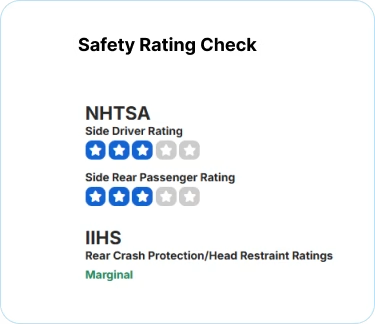
1996 GMC Savana Safety Rating
NHTSA
IIHS
1996 GMC Savana Insurance
Insurance for a 1996 GMC Savana is moderately priced, reflecting its status as a Van with strong safety ratings and
reasonable repair costs.
How Does the 1996 GMC Savana Compare to Other Van?
The 1996 GMC Savana competed primarily against its corporate sibling, the Chevrolet Express, and the Ford Econoline van. In terms of performance, the Savana, especially with its V8 engine options, offered competitive hauling and towing power. The Ford Econoline was often lauded for its driving dynamics and available engine choices, while the Savana and Express were very similar in their powertrain offerings.
When it comes to features, the 1996 Savana offered a range of configurations from basic work vans to more passenger-oriented trims. However, compared to modern vans, its technology, entertainment, and safety features were quite rudimentary. The Ford Econoline of the same era offered a comparable, if not slightly more refined, interior in its higher trims. Advanced driver aids were not a factor for any of these vehicles in 1996.
Reliability is a mixed bag for the 1996 Savana, as discussed previously. While the core mechanical components could be durable with good maintenance, issues like transmission wear and rust were common. The Ford Econoline also had its share of issues, often related to specific engine or transmission types depending on the year. Both brands offered robust frames, but rust prevention varied.
In terms of price, the Savana was competitively priced when new. Currently, in the used market, all these full-size vans from the mid-90s are generally affordable, with prices largely dictated by condition rather than brand loyalty. The biggest difference lies in their current condition and available mileage.
Alternatives:
For buyers seeking a 1996 model year van, the choice between the Savana and Express is largely a matter of which specific vehicle is in better condition. If considering alternatives, the Ford Econoline is arguably the most direct and equally viable competitor from that era.
When it comes to features, the 1996 Savana offered a range of configurations from basic work vans to more passenger-oriented trims. However, compared to modern vans, its technology, entertainment, and safety features were quite rudimentary. The Ford Econoline of the same era offered a comparable, if not slightly more refined, interior in its higher trims. Advanced driver aids were not a factor for any of these vehicles in 1996.
Reliability is a mixed bag for the 1996 Savana, as discussed previously. While the core mechanical components could be durable with good maintenance, issues like transmission wear and rust were common. The Ford Econoline also had its share of issues, often related to specific engine or transmission types depending on the year. Both brands offered robust frames, but rust prevention varied.
In terms of price, the Savana was competitively priced when new. Currently, in the used market, all these full-size vans from the mid-90s are generally affordable, with prices largely dictated by condition rather than brand loyalty. The biggest difference lies in their current condition and available mileage.
Alternatives:
- Chevrolet Express: Mechanically identical to the Savana, making it a direct and very similar alternative. Performance, reliability, and price considerations are virtually the same.
- Ford Econoline (E-Series): A strong competitor. Some might argue it offered a slightly more car-like driving experience and potentially more robust build quality in certain areas. Worth considering if found in similar condition and price range.
- Dodge Ram Van: Another option, though often less common and with different design philosophies. Its V8 engines provided good power, but its reliability and available features might differ.
For buyers seeking a 1996 model year van, the choice between the Savana and Express is largely a matter of which specific vehicle is in better condition. If considering alternatives, the Ford Econoline is arguably the most direct and equally viable competitor from that era.
Final Verdict: Is the 1996 GMC Savana a Good Van?
The 1996 GMC Savana is ideal for budget-conscious buyers who prioritize utility, cargo space, or passenger capacity over modern amenities and cutting-edge technology. It's well-suited for tradespeople needing a work van, DIY enthusiasts looking for a project vehicle or camper conversion base, or large families needing affordable multi-passenger transport.
It is worth buying, but only under specific conditions. As a used vehicle, its value proposition lies in its low purchase price. Buyers must be prepared for potential maintenance and repair costs associated with an older vehicle. Prioritize finding a Savana with a documented maintenance history, minimal rust, and in good mechanical condition. Specific trims like the passenger LS or LT offer more comfort if personal use is a focus, while cargo versions are best for work. A well-maintained 1996 Savana can still offer many years of service, but thorough inspection is paramount before purchase.