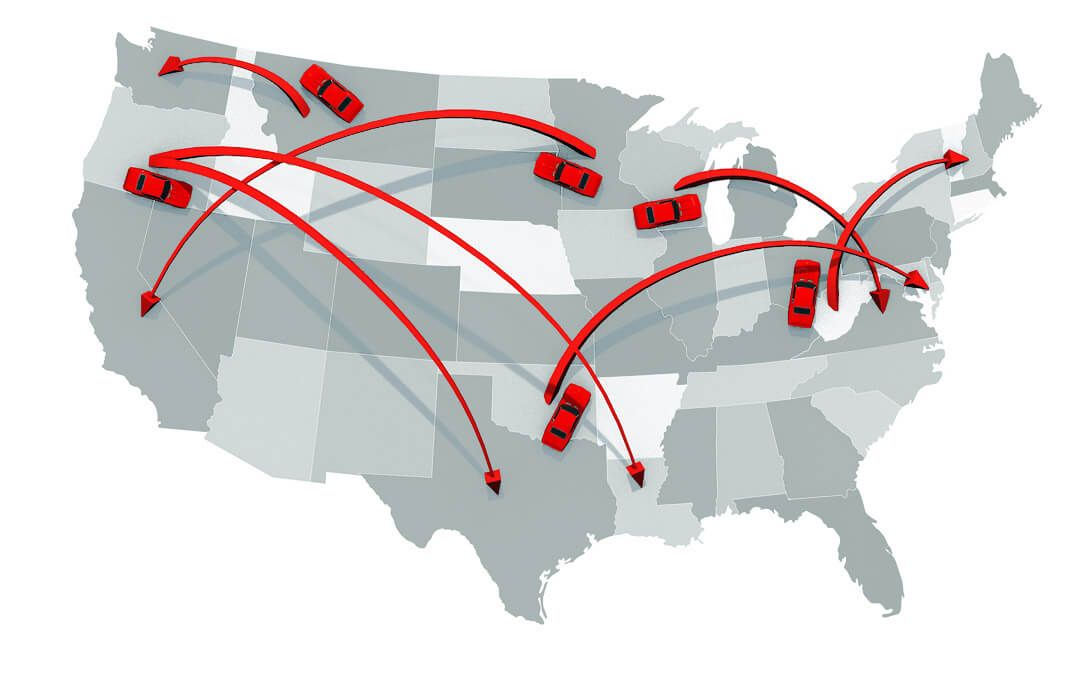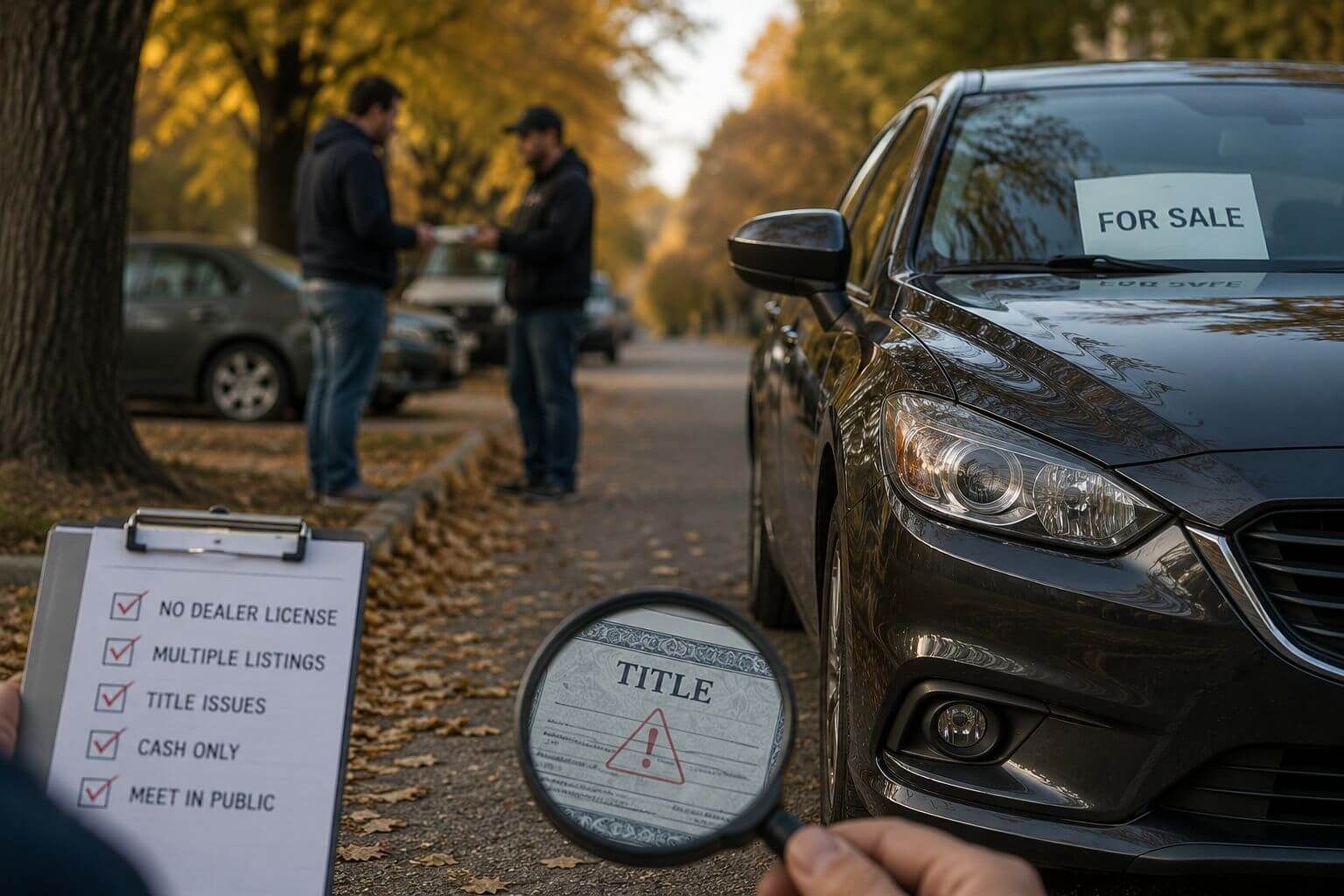
Curbstoning is one of the riskier scams in the used car market. It happens when someone sells vehicles like a dealer but pretends to be a private seller. The car may be advertised from a driveway, parking lot, roadside space, or online marketplace listing, but the person behind the sale may actually be flipping vehicles without the license, disclosures, paperwork, and accountability required of a legitimate dealer.
For buyers, the danger is simple: you think you are buying from a normal private owner, but you may actually be dealing with an unlicensed seller who is trying to avoid dealer rules, taxes, warranty disclosures, title responsibilities, or consumer complaints.
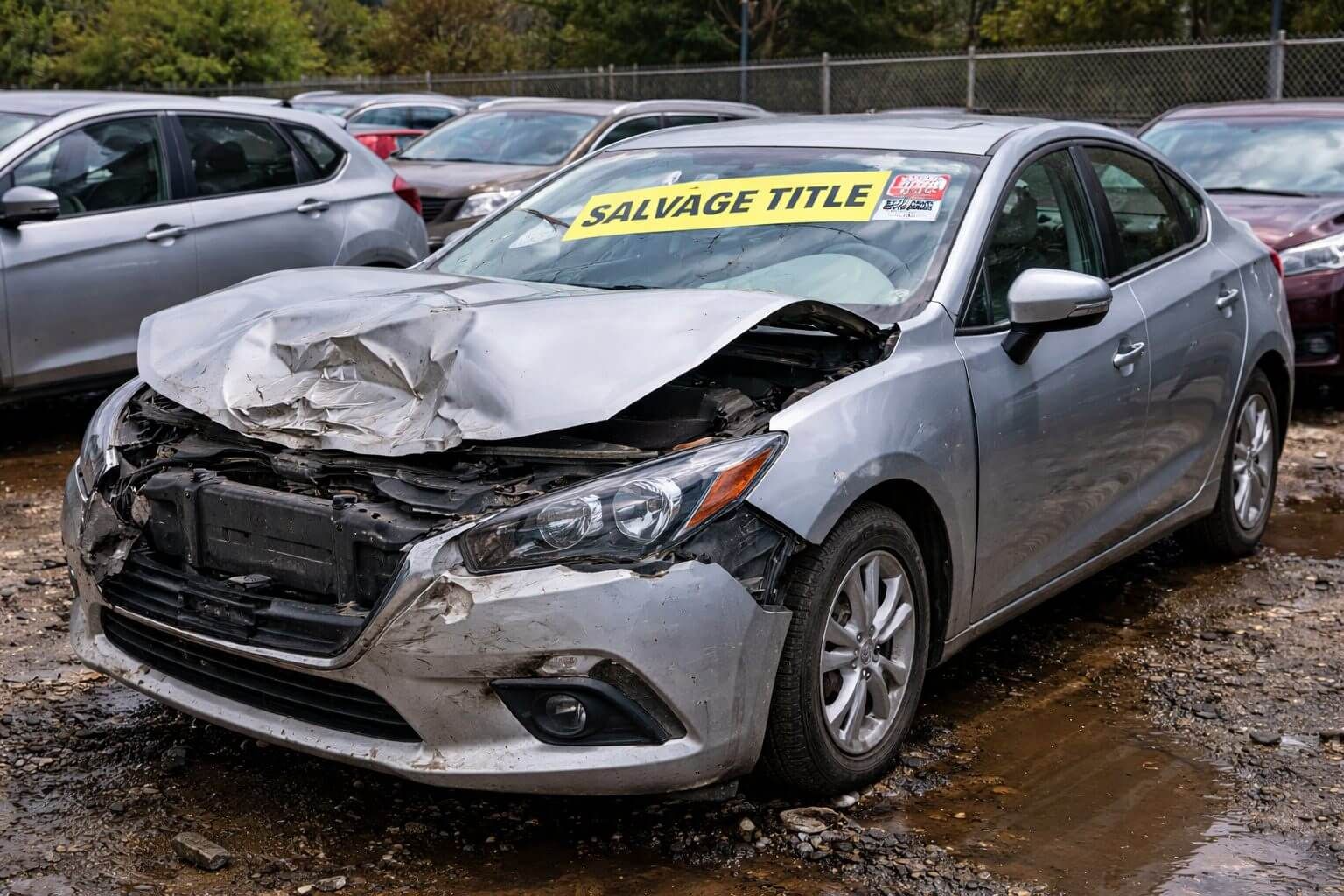
A curbstoned vehicle may have title problems, odometer issues, undisclosed salvage history, flood damage, lien complications, or missing paperwork. The safest approach is to verify the seller, inspect the title, compare the VIN, check listing patterns, and avoid paying until the vehicle’s ownership story is clear.
What Is Curbstoning?
Curbstoning is the practice of selling vehicles without the proper dealer license while acting like a private seller. The name comes from vehicles being sold from curbs, parking lots, vacant lots, or other informal locations instead of a licensed dealership.
A true private seller is usually selling a vehicle they personally own. A curbstoner is different. They may regularly buy vehicles, clean them up, list them online, and resell them for profit while avoiding the rules that apply to licensed dealers.
Curbstoning can involve:
- Selling multiple cars under different names
- Advertising vehicles from temporary locations
- Using open titles
- Hiding salvage or rebuilt history
- Misrepresenting mileage
- Avoiding taxes and dealer fees
- Selling cars without proper disclosure
- Failing to transfer titles correctly
- Pretending to be the owner when they are not
Not every private seller is suspicious. Many private sales are legitimate. The warning sign is when the seller’s story, title, listings, and vehicle records do not match.
Why Curbstoning Is Risky for Buyers
Curbstoning creates risk because the seller may disappear after the sale. Unlike a licensed dealer, an unlicensed seller may not have a business location, dealer bond, official complaint process, or clear accountability.
The risks can include:
- Difficulty transferring the title
- Buying a car with an undisclosed lien
- Odometer rollback or mileage inconsistency
- Hidden salvage, rebuilt, flood, or junk history
- Stolen vehicle risk
- Fake or altered documents
- No warranty or written protections
- Unsafe mechanical condition
- No way to contact the seller later
- Higher chance of title jumping
A low price can be tempting, but a cheap car becomes expensive if you cannot title it, register it, insure it, or prove legal ownership.
Red Flag 1: The Seller Has Multiple Listings
One of the strongest curbstoning red flags is a seller who appears to be listing several vehicles at the same time. A normal private seller usually sells one personal vehicle. A curbstoner may have several cars posted across Facebook Marketplace, Craigslist, OfferUp, eBay, local classified sites, or different social media accounts.
Before meeting, search the seller’s:
- Phone number
- Marketplace profile
- Email address
- Username
- Listing photos
- Vehicle description phrases
Be cautious if the same seller has several vehicles listed, especially if they claim each one is personally owned by a family member, friend, cousin, or coworker.
Red Flag 2: The Title Is Not in the Seller’s Name
A private seller should usually have the vehicle title in their own name. If the title is in someone else’s name, the seller may be title jumping, acting as an unlicensed dealer, or selling a vehicle they do not legally own.
Be careful if the seller says:
- “I’m selling it for a friend.”
- “The title is already signed.”
- “Just leave the buyer section blank.”
- “The owner is out of town.”
- “I never registered it, but it’s fine.”
- “You can fix the title later.”
- “A bill of sale is enough.”
A title that is signed by a previous owner but never transferred into the current seller’s name is a major warning sign. Before paying, run a title check by VIN and compare the result with the actual title document.
Red Flag 3: The Seller Refuses to Meet at Their Address
A legitimate private seller may not always want strangers at their home, but curbstoners often avoid any location tied to their identity. They may insist on meeting at a gas station, shopping center, storage lot, roadside area, or random parking lot.
A public meeting place can be reasonable for safety, but the seller should still be able to explain ownership clearly and provide matching documents.
Be cautious if:
- The seller refuses to show ID during title transfer
- The meeting location changes repeatedly
- The seller brings a car with no plates or temporary plates
- The seller cannot explain where the car came from
- The vehicle is stored with several other cars for sale
- The seller avoids a DMV, tag office, or bank meeting
For higher-risk transactions, consider meeting at a DMV, tag agency, bank, or safe exchange zone.
Red Flag 4: The Same Phone Number Appears on Several Cars
Curbstoners often reuse the same contact number across multiple listings. Search the phone number online and inside marketplace platforms.
If the number appears on several unrelated vehicles, that is a warning sign. It does not automatically prove fraud, but it suggests the seller may be operating like a dealer without presenting themselves as one.
Also watch for sellers who use:
- Multiple phone numbers
- Messaging-only apps
- No real name
- Recently created marketplace accounts
- Vague profile information
- Stock photos or reused vehicle images
The more the seller hides, the more careful you should be.
Red Flag 5: The Story Does Not Match the Vehicle
Curbstoners often rely on quick explanations. They may say the car belonged to a relative, was barely driven, has a clean title, or only needs minor repairs. Your job is to compare the story with the vehicle records and physical condition.
Look for mismatches between:
- Seller’s story and title
- VIN and listing details
- Mileage and odometer wear
- Plate and vehicle description
- Service records and claimed ownership
- Accident history and visible repairs
- Title brand and asking price
- State title history and seller location
If you only have a plate number from the listing, start with a license plate lookup to screen the vehicle. Once the seller provides the VIN, verify the vehicle more deeply.
Red Flag 6: The Seller Pushes for Fast Cash
Pressure is common in risky used car deals. A curbstoner may want payment before you have time to inspect the title, run the VIN, or confirm lien status.
Be careful if the seller says:
- “I have another buyer coming.”
- “Cash only today.”
- “No need for a mechanic.”
- “Don’t worry about the title.”
- “I already checked everything.”
- “You need to decide now.”
- “I can knock money off if you pay immediately.”
A real deal should survive basic verification. If the seller pressures you to skip steps, slow down.
Red Flag 7: The Vehicle Was Recently Purchased or Never Registered
A seller who recently bought the vehicle and is immediately reselling it may be flipping cars. That is not always illegal by itself, but it becomes suspicious if the title was never transferred into the seller’s name.
Ask:
- How long have you owned the vehicle?
- Is the title in your name?
- Why are you selling so soon?
- Do you have registration in your name?
- Do you have maintenance records?
- Did you buy it from an auction?
- Was it ever salvage, rebuilt, or flooded?
If the seller gives vague answers, verify the title and ownership trail carefully.
Red Flag 8: The Car Has Temporary Plates, Missing Plates, or Plate Mismatch
Temporary tags, missing plates, or plates that do not appear to match the vehicle can be warning signs. A plate mismatch may be innocent, but it can also suggest title problems, unregistered flipping, or an attempt to hide the vehicle’s history.
Check whether:
- The plate matches the vehicle description
- The plate is current
- The VIN matches the title
- The seller can explain temporary tags
- The registration supports the seller’s story
Never rely on a license plate alone. Plates can be transferred, removed, replaced, or misused. Use plate information as an early clue, then verify by VIN and title.
Red Flag 9: The Price Is Too Low for the Story
A low price can be legitimate, but it should make you ask better questions. Curbstoners may price cars below market to move them quickly before buyers notice title, mileage, or damage problems.
Be cautious if the price is low and the seller cannot explain:
- Title status
- Mileage history
- Ownership history
- Recent repairs
- Accident records
- Why the car is being sold
- Why the title is not in their name
- Why the car is not registered
A cheap car with unclear paperwork is not a bargain. It is a risk.
Red Flag 10: The Seller Avoids Written Paperwork
A trustworthy seller should be willing to complete the required title transfer documents, bill of sale, odometer disclosure when required, and any state-specific forms.
Be cautious if the seller:
- Wants to leave parts of the title blank
- Refuses to write the real sale price
- Avoids signing documents
- Refuses to provide a bill of sale
- Uses a name different from the title
- Wants you to “handle it later”
- Tells you to use false information
Paperwork shortcuts can create serious problems when you try to register the car.
How to Verify the Seller Before Buying
You do not need to access private personal data to protect yourself. You need documents that prove the seller can legally sell the vehicle.
Use this process:
1. Ask for the VIN
A serious seller should usually provide the VIN before you visit. If they refuse, move on.
2. Compare the VIN Everywhere
Check the VIN on the dashboard, driver-side door jamb, title, registration, listing, and service records.
3. Review the Title
Make sure the title is original, complete, and in the seller’s name. Look for liens, brands, erasures, missing signatures, and open-title issues.
4. Check Ownership-Related Clues
A responsible vehicle owner lookup by VIN can help you review ownership-related signals without exposing private personal data. Use it to spot transfer patterns, title events, and seller-story inconsistencies.
5. Inspect the Vehicle
Have a mechanic inspect the car. Curbstoned vehicles may be quickly cleaned but mechanically neglected.
6. Complete the Transfer Properly
Use your state’s required title-transfer process. Do not hand over full payment until the title and transfer documents are correct.
Curbstoning Red Flags Checklist
| Red Flag | Why It Matters |
|---|---|
| Multiple listings from same seller | May indicate unlicensed dealer activity |
| Title not in seller’s name | Could signal title jumping or ownership problem |
| Seller refuses VIN | Prevents vehicle history verification |
| Open title | May make transfer difficult or illegal |
| Meeting only in random lots | Seller may be hiding identity or business activity |
| Temporary or mismatched plates | Could indicate registration or title problems |
| Fast-cash pressure | Encourages buyer to skip verification |
| No maintenance records | Increases uncertainty about condition |
| Very low price | May hide title, damage, or mileage problems |
| Refuses inspection | May be hiding mechanical or structural issues |
What to Do If You Suspect Curbstoning
If you suspect curbstoning, do not argue with the seller or try to investigate aggressively on your own. Protect yourself first.
You can:
- Walk away from the deal
- Save screenshots of the listing
- Keep the seller’s phone number and profile information
- Record the VIN and plate number if safely available
- Report suspicious activity to your state DMV or motor vehicle enforcement office
- File a complaint with your state attorney general or consumer protection office
- Contact local law enforcement if you suspect stolen vehicles or document fraud
Do not pay a deposit just to “hold” the vehicle if title and seller identity are unclear.
When a Private Sale Looks Safe
A private sale is more likely to be legitimate when:
- The title is in the seller’s name
- The seller can explain ownership history
- The VIN matches the title and vehicle
- The seller allows inspection
- The seller has maintenance records
- The listing details match the car
- The price makes sense
- The seller is willing to complete proper paperwork
- There is no pressure to rush payment
- The seller is willing to meet at a safe, reasonable location
No sale is risk-free, but clear documents and consistent answers reduce risk.
Bottom Line
Curbstoning red flags usually appear in patterns: multiple listings, title not in the seller’s name, vague ownership stories, pressure to pay fast, mismatched VIN or plate details, and refusal to complete proper paperwork.
A curbstoner tries to get the profit of a dealer while avoiding the responsibilities of one. As a buyer, you can protect yourself by verifying the VIN, checking the title, reviewing ownership clues, inspecting the vehicle, and walking away when the seller’s story does not match the documents.
A legitimate private seller should be able to prove they own the car and complete the transfer correctly. If they cannot, the safest move is to keep shopping.
FAQs
What does curbstoning mean?
Curbstoning means selling vehicles like a dealer while pretending to be a private seller, often without the proper dealer license, disclosures, business location, or paperwork.
Is curbstoning illegal?
Curbstoning can be illegal when a person sells vehicles beyond state limits or operates as a dealer without the required license. Rules vary by state, so buyers should report suspected curbstoning to the appropriate DMV or motor vehicle enforcement agency.
How can I tell if a seller is a curbstoner?
Look for multiple vehicle listings, a title not in the seller’s name, vague ownership stories, temporary meeting locations, pressure for fast cash, refusal to provide the VIN, and reluctance to complete proper paperwork.
Should I buy a car if the title is not in the seller’s name?
Be very cautious. A title not in the seller’s name may indicate title jumping or unlicensed selling. Verify the issue before paying, and consider walking away if the seller cannot provide clear documentation.
How do I report a suspected curbstoner?
Save the listing, phone number, VIN, plate number, seller profile, and any messages. Then report the activity to your state DMV, motor vehicle enforcement office, attorney general, consumer protection agency, or local law enforcement if fraud or stolen vehicles are suspected.
Author
Julian Cross
Julian Cross is an automotive data writer who specializes in salvage title issues, odometer fraud, theft checks, accident records, and recall screening. His content helps used-car shoppers spot high-risk vehicles before purchase by turning raw vehicle data into practical insights. He focuses on the warning signs that matter most when evaluating private-party and dealership listings.